
Just Starting with Pour-Over Coffee: What Kind of Coffee Beans Should You Choose?
New to pour-over coffee? You've probably already hit the wall of endless choices: which country, which processing method, which roast level, which flavor notes to trust? Let FrontStreet Coffee help you sort it out.

Start with Origin
The coffee belt lies between 25° north and south latitude, where 79 countries and regions grow coffee. Each country's geography creates its own climate and terroir—and therefore its own flavors. So bean selection starts with picking the right continent and country.

A good shortcut is to first decide what profile you want: bright and acidic, rich and bitter, or somewhere in between.
If you want vivid acidity with floral and fruity notes, go for light-to-medium roasted beans from African origins like Ethiopia and Kenya, or Panama. If you love a rich body and can take some bitterness, try Brazil, Indonesia, or Jamaica—typically darker roasted, showing nut, dark chocolate, and hot cocoa notes. For beans that are neither too acidic nor too bitter, look to Papua New Guinea, Yunnan in China, or Costa Rica—balanced flavors with gentle fruit acidity that are easy to enjoy. (So choosing an origin also, to a degree, chooses your roast level.)
Then Choose a Processing Method
Even within one estate or washing station you'll find several processing methods, and each one changes the flavor. The classics are natural, washed, and honey; newer methods include anaerobic fermentation, enzyme fermentation, and barrel fermentation.
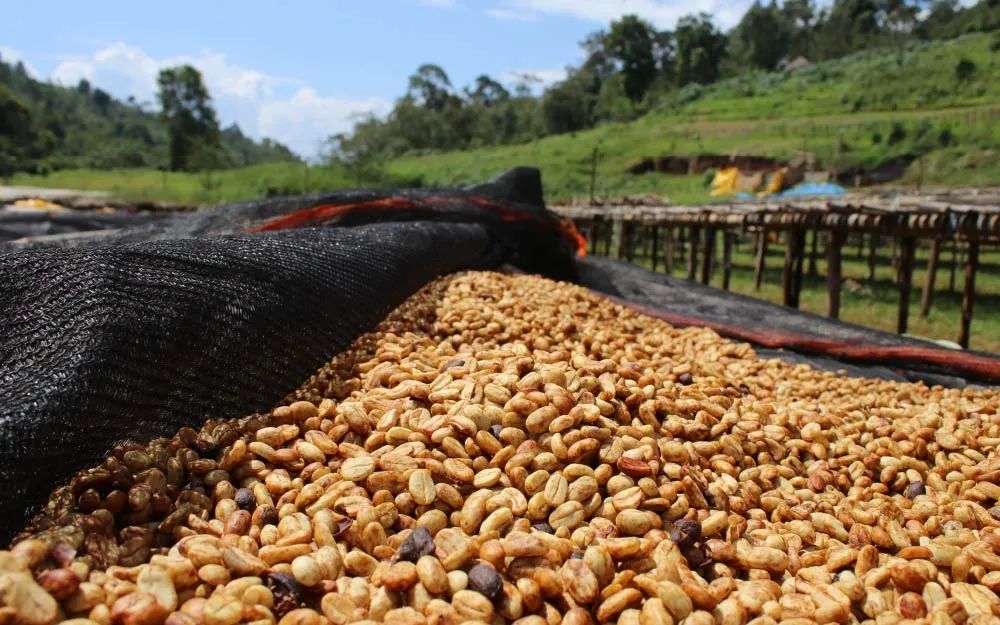
Natural: ripe, dense cherries are sorted and then dried whole in the sun until moisture content reaches 12%, after which they're hulled and stored. Natural-processed beans keep more of the fruit's character—noticeable sweetness and richer, fuller layers.
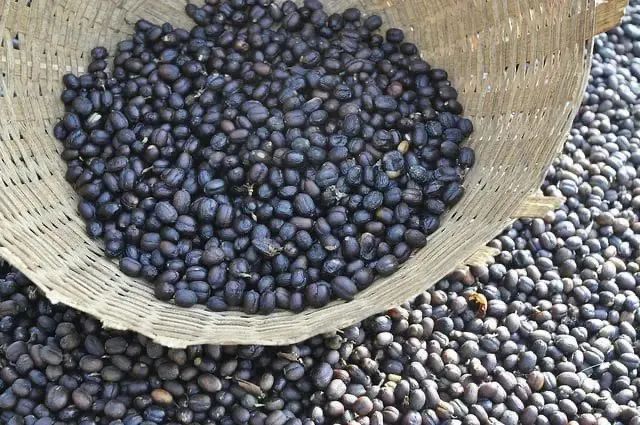
Washed: the skin and some pulp are removed, and the beans go into fermentation tanks or barrels, where fermentation strips the mucilage layer before drying to 12% moisture. Washed beans give higher acidity and cleaner flavors.

Honey: skin and pulp are removed but the mucilage is kept on through sun drying, with no water involved. Because the skin comes off first, drying is shorter. Honey-processed beans are noticeably sweeter and smoother.
Anaerobic: depulped beans with their mucilage go into a sealed container that's flushed of oxygen, leaving only carbon dioxide, so anaerobic bacteria drive the fermentation for a period. Expect highly distinctive berry and floral notes.

Barrel fermentation: beans are fermented inside barrels, typically picking up wine-barrel and chocolate flavors.
FrontStreet Coffee suggests beginners start with the two most traditional methods—natural and washed. For any given region, washed represents the bean's baseline flavor, while natural layers extra aroma on top of that baseline. It's why washed batches come first when we pick our everyday coffees.
Then Choose a Roast Level
The same coffee roasted differently tastes dramatically different, and each green coffee has a roast level that best suits its character.
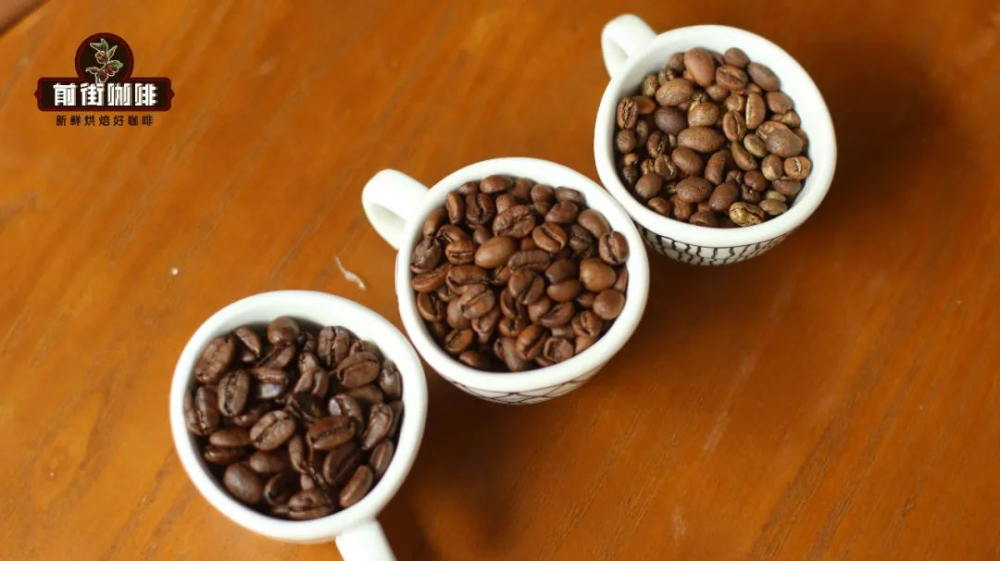
FrontStreet Coffee roasts Ethiopia Yirgacheffe light to highlight its signature lemon-citrus acidity and rich florals. Medium roast balances caramelization and Maillard reactions while keeping some acidity—a more rounded profile. Our Papua New Guinea Paradise Bird uses this level: toast sweetness, nutty notes, subtle fruit acidity, and layered sweet-and-sour balance. Dark roasts, with longer times and higher temperatures, bring out pronounced bitterness—our Indonesian Golden Mandheling is the heavyweight example, with strong caramel flavor and a full, smooth, heavy body.
Finally, Choose a Sensible Price
If your brewing theory is still shaky and your palate is still developing, expensive estate lots can feel risky—one bad brew and it stings. But you still need beans worth practicing with, which makes cost-effective ones especially valuable.
Based on our experience, beginners should skip the pricey estate beans and start with representative, relatively affordable batches. Brew failures won't hurt, and they double as your daily coffee. Once your technique is solid, explore the regions and estates you love, work up to higher-grade lots, and build your own personal bean list.
- END -
FrontStreet Coffee
FrontStreet Coffee Recommendation
Our Yunnan lineup fits the beginner brief perfectly—balanced, gentle, and friendly on the wallet:
FrontStreet Yunnan Baoshan Arabica (Xiaoli) — from the dry-hot valley of Lujiangba, Baoshan, where big day-night swings create the region's signature lingering sweetness. Washed and medium roasted, it shows soft nut and chocolate sweetness with a light plum acidity—an approachable first taste of Yunnan coffee.
FrontStreet 2013 Yunnan Natural Typica — from our own estate, planted in 2013 with Typica, the oldest and purest of Arabica varieties. Natural-processed and medium roasted: heavier body, pronounced sweetness and acidity, citrus and berry tones with a hint of fermented wine note, caramel sweetness and a creamy finish.
FrontStreet Dark Cocoa Blend — a barista-favorite espresso blend of Yunnan Arabica and Brazil Cerrado. Brazil brings mixed-nut aroma and balance; Yunnan supplies chocolate and citrus. A balanced Americano with nut and brown-sugar sweetness, and an almond-and-cream smoothness in a latte—great for beginners on espresso machines too.
Important Notice :
FrontStreet Coffee is a long-established specialty coffee roaster in Guangzhou China, selling freshly roasted beans from its own farm in Yunnan as well as dozens of carefully selected single-origin beans from around the world for both pour-over and espresso. The products deliver consistently excellent quality and great value, with shipping within 24 hours. Guangzhou's FrontStreet Coffee shop is recommended by many coffee lovers, and the beans are now available online at the Tmall 。
FrontStreet Coffee has moved to a new address:
FrontStreet Coffee Address: 315,Donghua East Road,GuangZhou
Tel:020 38364473
 Scan and follow the En Gafei WeChat official account. Please indicate that the reprint comes from "En Gafei".

