Have You Noticed These Details in Pour-Over Coffee?
Many people find pour-over coffee frustrating: even after establishing a brewing framework, the taste often misses expectations. The coffee either lacks flavor or tips into over-extraction, and no amount of head-scratching reveals where things went wrong.
As the saying goes, details determine success or failure! If your parameters are broadly correct but the flavor strays far from the tasting notes, you may be overlooking small operational details. Below, FrontStreet Coffee has compiled 10 points beginners most often neglect. Let's review them together.
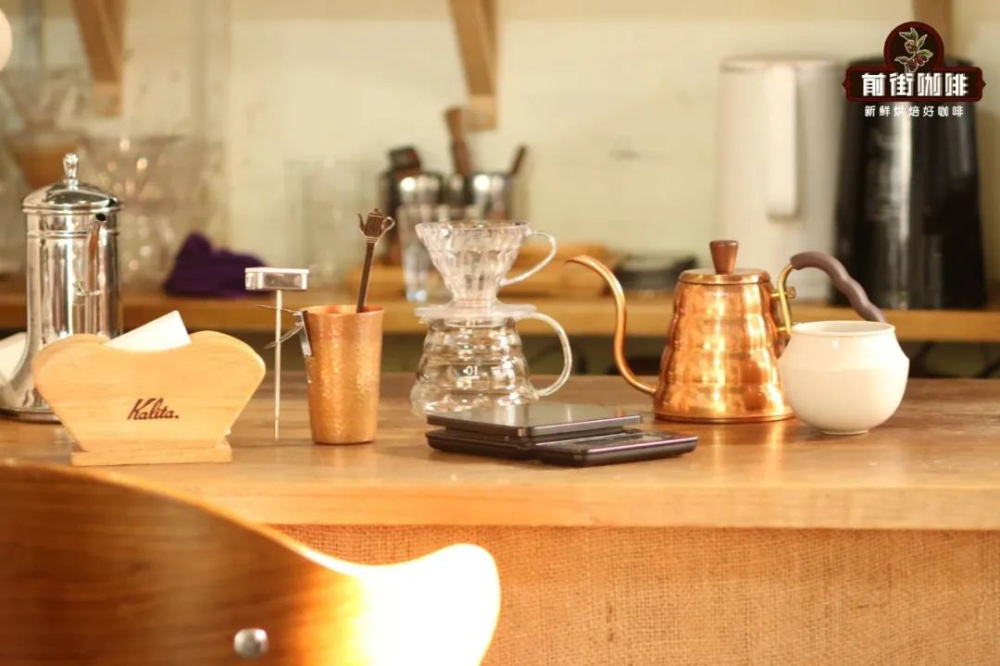
1. Clean Your Grinder Before Grinding
Whether manual or electric, a grinder holds a small amount of fine powder on its burrs (and in the chute) after grinding. If the grinder sits unused for a while and isn't cleaned before use, the powder trapped in the crevices oxidizes and produces woody or rancid flavors. To keep old residue from contaminating fresh grounds, FrontStreet Coffee runs a few sacrificial beans through the grinder before grinding the actual batch. Make a habit of cleaning your grinder both before and after each use.

2. Ensure Filter Paper Fits the Dripper
Many people rinse the filter paper before brewing, which serves two purposes: making the paper "fit snugly" against the dripper, and preheating both dripper and server.
FrontStreet Coffee has verified just how much filter paper fit matters in pour-over coffee. If the paper doesn't seat properly, the grounds' gas release during blooming gets hindered, and the dripper wall's design features lose their effect—such as the V60's water-repelling flow ribs or the Kono's smooth curved surface. Extraction uniformity and flow rate both suffer. So to actually use your dripper as designed, confirm the filter paper fits during preparation. Once you notice it sitting "crooked" mid-pour, it's hard to fix.

3. Minimize Tapping the Dripper
We all know uneven grounds lead to uneven extraction, so we tend to tap or shake the dripper to level the bed. But the harder (or more often) you tap, the more fine particles sift down through the gaps to the bottom, causing flow blockage during brewing. When adding grounds, aim at the center point and pour slowly so nothing piles to one side; a gentle shake will distribute the grounds evenly across the dripper's bottom.
4. Double-Check for Mistakes Before Pouring
Even seasoned baristas occasionally make basic mistakes picking up the kettle, and a pre-pour checklist helps avoid them. Before pouring, confirm: has the wastewater in the server been emptied? Is there enough water in the kettle? After grinding, tare the scale to confirm the dose is accurate—don't let the grinder "eat beans" without your knowledge.

5. Start Brewing Immediately After Confirming Water Temperature
FrontStreet Coffee has noticed that some people confirm the water temperature, put the lid on, and wander off to other tasks. By the time they actually pour, the temperature has already fallen. So temperature checks belong in the final two steps. For kettles without temperature control—like the ones FrontStreet Coffee uses—account for the kettle's heat absorption: heat the water above your target, pour it into the kettle, and as it gradually cools to the target temperature, start pouring immediately.
6. Strictly Follow Your Planned Parameters
Before brewing, we typically write a plan. For example, when FrontStreet Coffee brews Brazil Queen Estate beans, the plan might be: 15g of grounds, 1:15 coffee-to-water ratio, grind at 75% passing a #20 standard sieve, water temperature of 88°C, and three-stage pouring of 30ml, 95ml, and 100ml.

But if during the brew the dose comes up short, the total water creeps higher, and you cut the flow early past the 2-minute mark, then the ratio has certainly changed and the cup will stray far from expectations. For beginners, once a brewing framework is set, sticking strictly to the original parameters is crucial. Pour exactly the target water, and wait until every drop has finished dripping before removing the dripper—that's what keeps the brew true to your extraction plan.
7. Ensure Coffee Grounds Are Fully Saturated During Blooming
In the eyes of most coffee professionals, blooming is the standard prelude to extraction. Some people obsess over bloom water amount and timing while their water control still needs work—leaving patches of dry grounds after the bloom pour, undermining the bloom and degrading the final flavor. From FrontStreet Coffee's experience, if you can't saturate all the grounds at twice the dose (30g of water for 15g of coffee), don't hesitate to add more. Remember: the main purpose of blooming is to wet every particle thoroughly and release the gas.
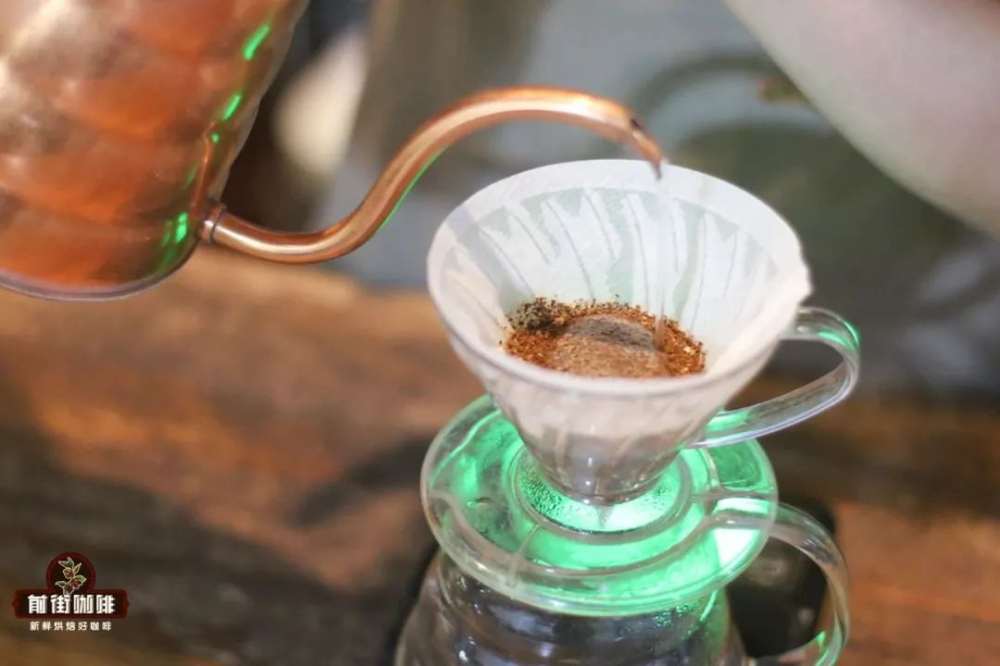
8. Focus on Coffee Bed Changes Rather Than the Scale
Some people stare at the scale's readout for the entire brew. FrontStreet Coffee believes this is not a good habit. Numerical accuracy matters for a cup of coffee, but over-focusing on data often makes you miss more important cues. For example, while you're fixated on pour weight and timing, the water level may overflow the coffee bed and race straight down the ribs—producing under-extraction. During brewing, your eyes belong on the coffee bed, not the scale.

9. Stir Well Before Drinking After Brewing
Impatient friends may take a sip immediately after brewing, only to find the first sip weak and the second strong. Flavor compounds release in different amounts and at different rates across extraction stages. Coffee of differing concentrations doesn't mix instantly when it lands in the server, so it needs help—give the coffee liquid a good stir to even it out.
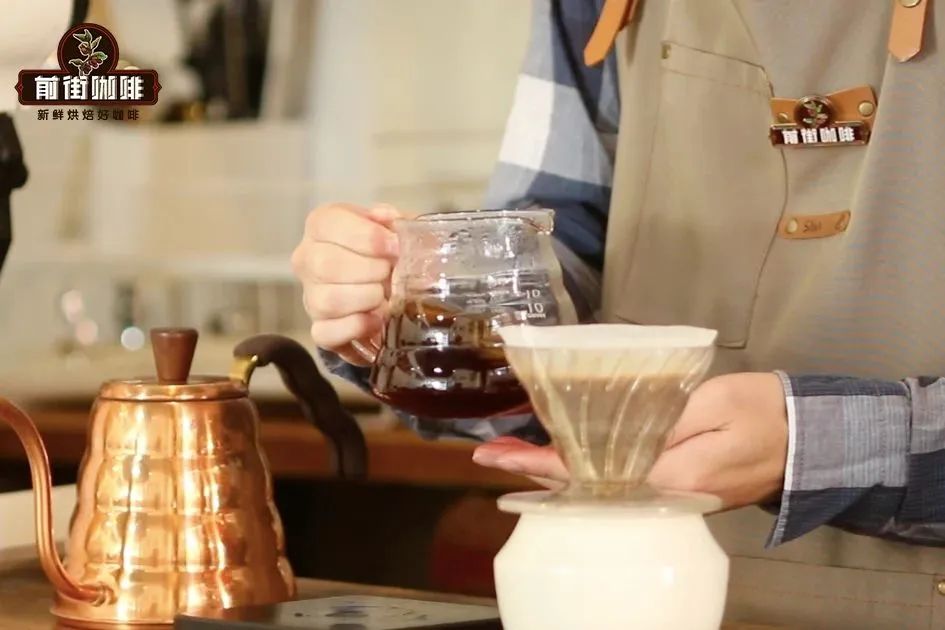
10. Taste First, Then Examine the Coffee Bed
Perhaps when you brew a beautiful coffee bed (crater), you feel confident this cup will be good; when the walls come out uneven, you subconsciously assume it won't taste right.
Understand that the bed you see forms only after all the water has drained through the grounds. It mainly reflects pouring technique, the dripper's flow characteristics, and how the beans absorbed water. A beautiful bed doesn't guarantee perfect flavor, and an unattractive bed can yield delicious coffee. The bed is merely one reference for judging whether your brewing framework is sound—not the cause of anything. Don't confuse priorities.

FrontStreet Coffee dwells on these details not to imply that good coffee requires following them to the letter, but to help everyone eliminate sources of instability when "reviewing" their parameters—making it far more intuitive to see why a coffee doesn't taste good.
If you can master these small points, then when the flavor drifts, you can go straight to the major factors behind coffee taste—grind size, coffee-to-water ratio, water temperature, extraction time, pouring technique—and find your answer there.
- END -
FrontStreet Coffee Recommendation
FrontStreet Yirgacheffe Godingding
For V60 pour-over, few beans fit better than the FrontStreet Yirgacheffe Godingding—many enthusiasts' first stop into specialty coffee. It offers vivid citrus, berry, and floral aromatics with a green-tea-like sweet finish; its acidity is soft and bright, like fruit itself rather than anything harsh. An easy, welcoming choice for anyone starting pour-over at home.
FrontStreet Ethiopia Huakui
Another natural match for the V60's fast extraction, the FrontStreet Ethiopia Huakui stands out for striking tropical fruit aromatics—strawberry, passion fruit, jackfruit, even lychee—with evident sweetness and almost no bitterness, smooth and full of juice. Drinkers often call it "the coffee that least resembles coffee."
FrontStreet Brazil Queen Estate
On the richer side, the FrontStreet Brazil Queen Estate brings low acidity and fine balance: concentrated nut and cocoa aromas with clear caramel sweetness, smooth and never astringent, warm and lingering on the finish. It performs beautifully as pour-over, espresso, or moka pot coffee.
Important Notice :
FrontStreet Coffee is a long-established specialty coffee roaster in Guangzhou China, selling freshly roasted beans from its own farm in Yunnan as well as dozens of carefully selected single-origin beans from around the world for both pour-over and espresso. The products deliver consistently excellent quality and great value, with shipping within 24 hours. Guangzhou's FrontStreet Coffee shop is recommended by many coffee lovers, and the beans are now available online at the Tmall 。
FrontStreet Coffee has moved to a new address:
FrontStreet Coffee Address: 315,Donghua East Road,GuangZhou
Tel:020 38364473
 Scan and follow the En Gafei WeChat official account. Please indicate that the reprint comes from "En Gafei".