
Is it normal to have coffee grounds at the bottom of a latte? How to solve the issue of powder residue in espresso extraction?

Have you ever finished a coffee and noticed fine powder settled at the bottom of the cup? Or bought an iced latte from a shop and found black sediment at the bottom of the glass?
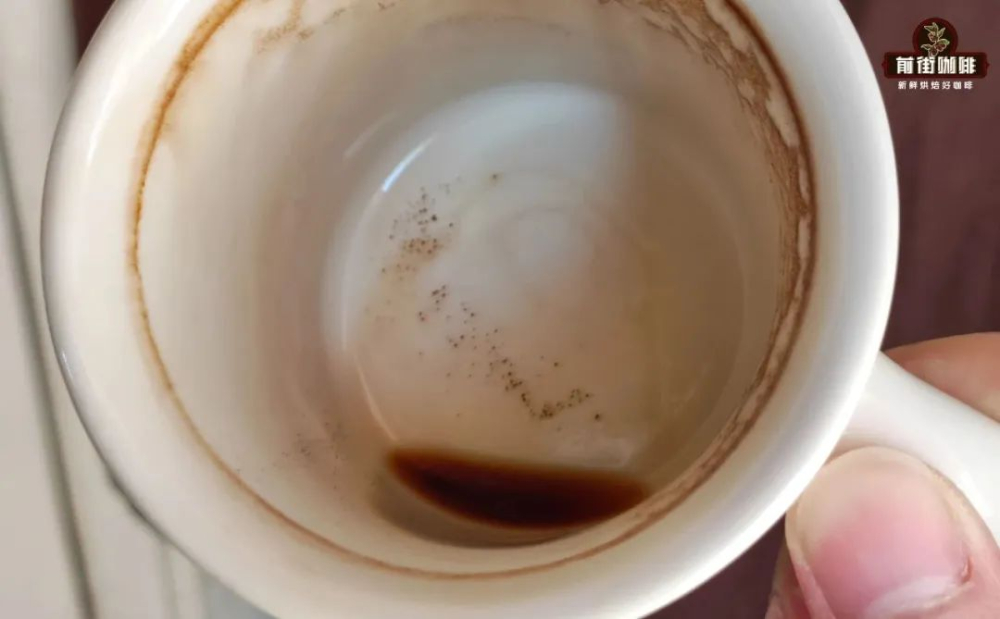
Is that normal? Will it affect the drinking experience?
Those black particles at the bottom are superfine grounds that have slipped through the holes in the portafilter basket and fallen along with the coffee. The principle is the same as the soy pulp that settles in soy milk or the small amount of fruit pulp in fresh juice.
If a single shot leaves only a trace of superfine particles, that's normal. It won't change the coffee's flavor profile, won't harm your health, and can be ignored. When you can clearly see black particles mixed into the cup, however, there is an "unusual" amount of powder, and something has most likely gone wrong during extraction.
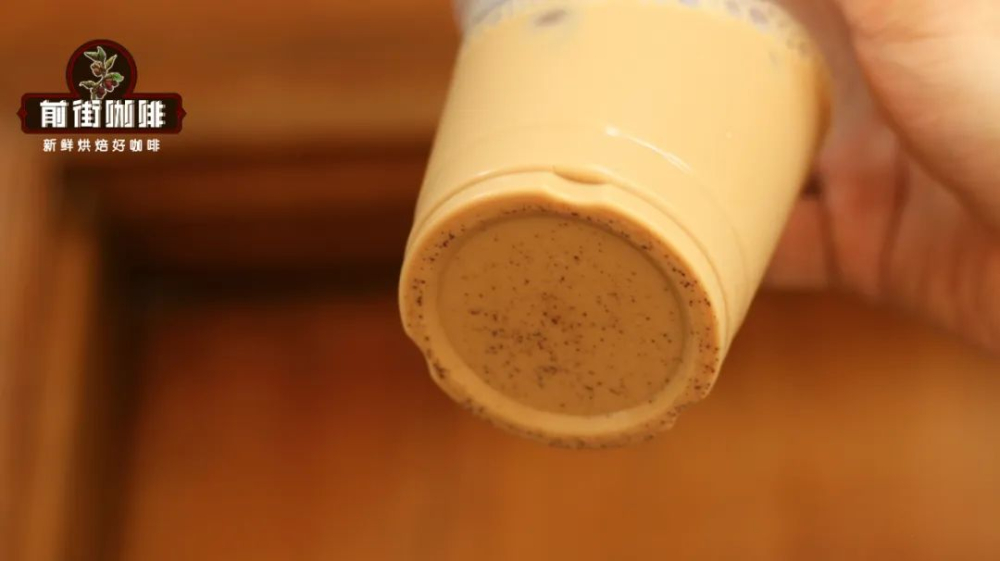
Why Do So Many Fine Particles Appear?
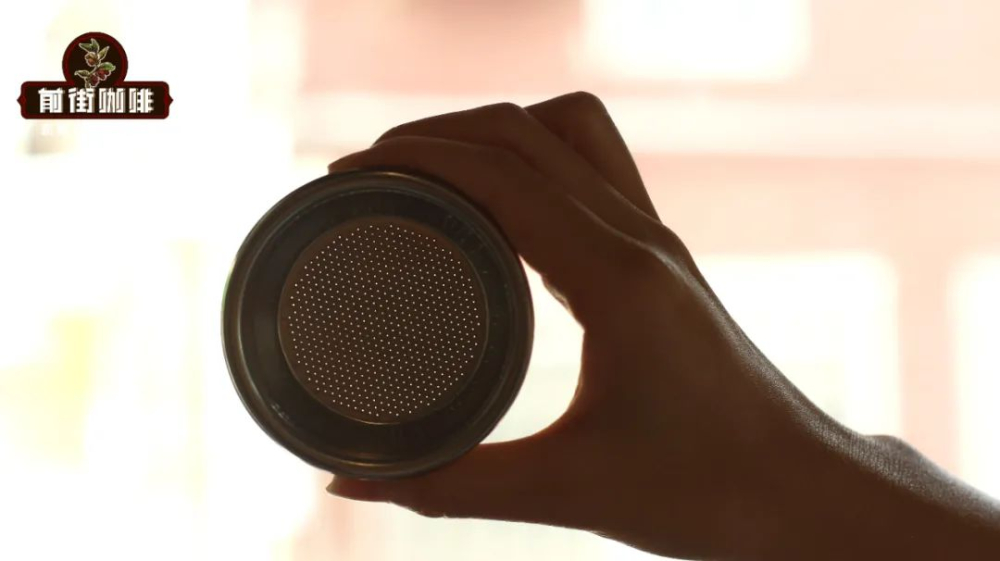
Espresso grounds are as fine as powdered sugar, with particle sizes between 150 and 300 microns. The naked eye can't judge how fine or uniform they are — you have to read the grind by watching how the coffee flows. The portafilter basket is itself a mesh of tiny holes acting as a filter; hold it up to a light source and the holes become visible.
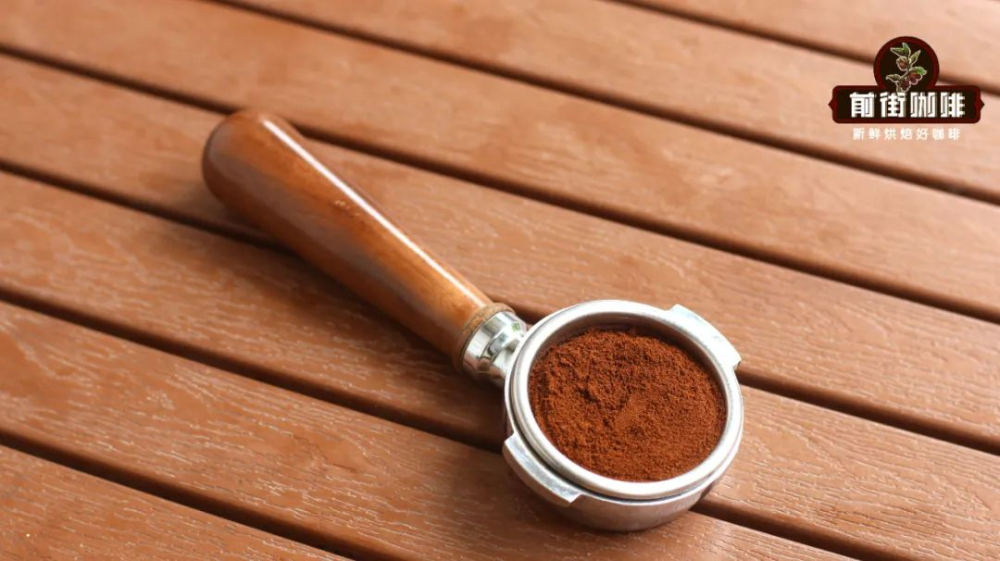
When coffee is ground very fine, the amount of superfine particles increases. Under high-pressure extraction, particles smaller than the basket holes are easily pushed through by the hot water and end up in the cup. These fine particles don't sink immediately; they settle gradually after a few minutes without stirring. If you drink in large gulps, most of them go down with the coffee.
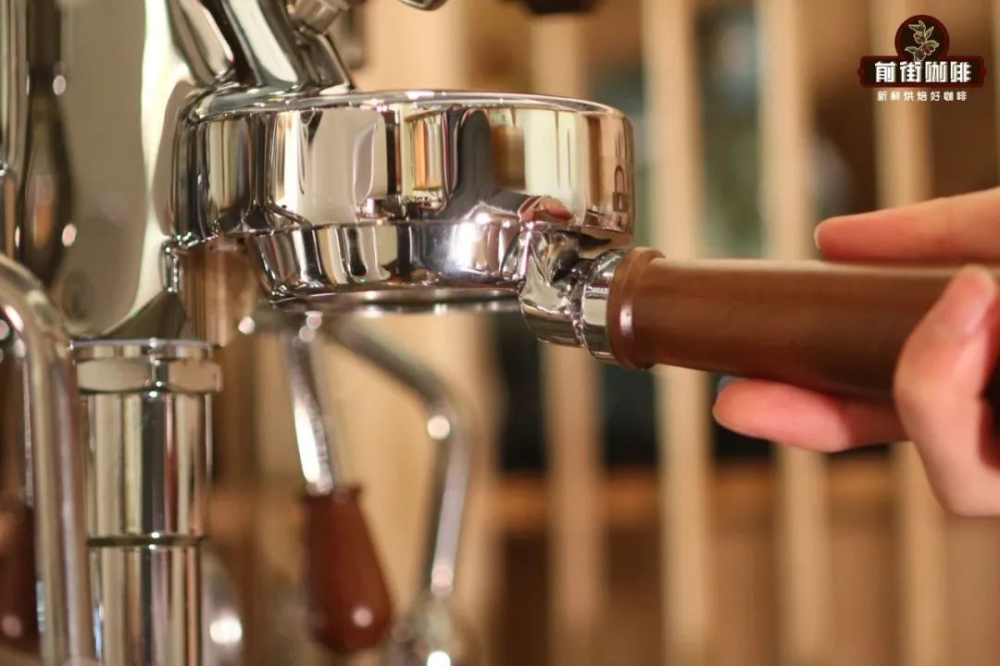
Grinding isn't the only cause — careless handling can also leave unusual residue. If the group head still holds grounds from the previous shot and hasn't been flushed clean, or if there is powder on the portafilter handle, some of it can end up in the cup.
So How Do You Fix It?
1. First, check whether the residue comes from your own handling. If so, build the habit of cleaning the group head and portafilter regularly so your coffee doesn't turn cloudy.
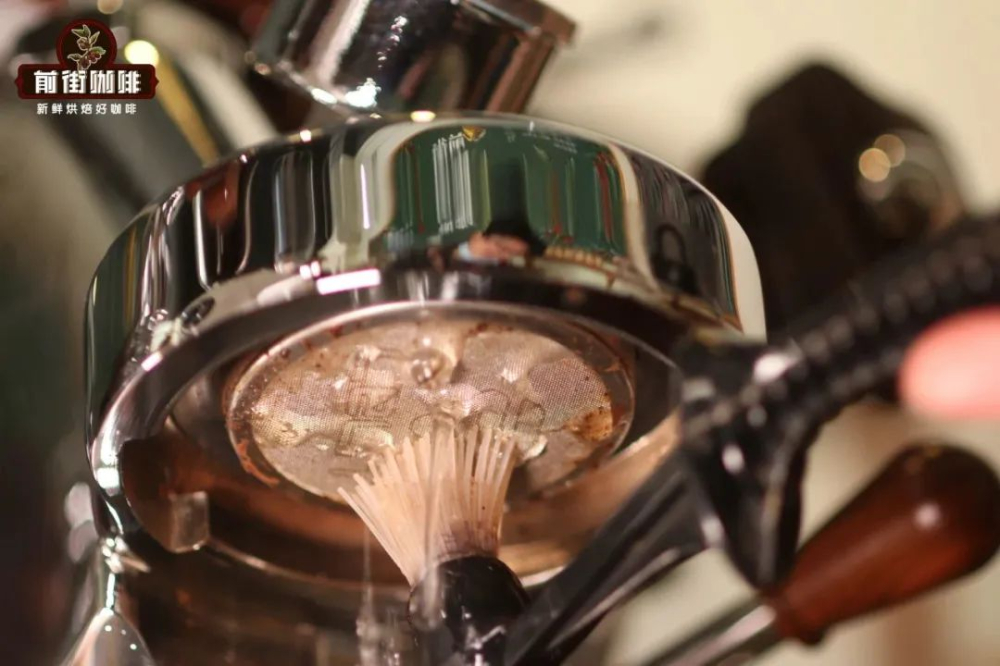
2. Under long exposure to heat and pressure, the mesh holes in the basket can deform and let more fine particles through. This isn't common and may only appear after a year or two of intensive use. Simply hold the basket up to the light and check whether individual holes have grown larger; if they have, the basket needs replacing.
3. If the flow is slow and too many fine particles are present, FrontStreet Coffee suggests grinding slightly coarser so the overall particles are larger, which reduces the amount of superfine powder. If the flow then becomes too fast and the flavor turns weak, compensate by increasing the dose a little.
4. Filter paper is the best filtering material available today, able to block both solid particles and oils; coffee extracted through filter paper is the cleanest. If a coarser grind still leaves a small amount of powder you find unacceptable, try placing a circular piece of filter paper in the basket before extraction.
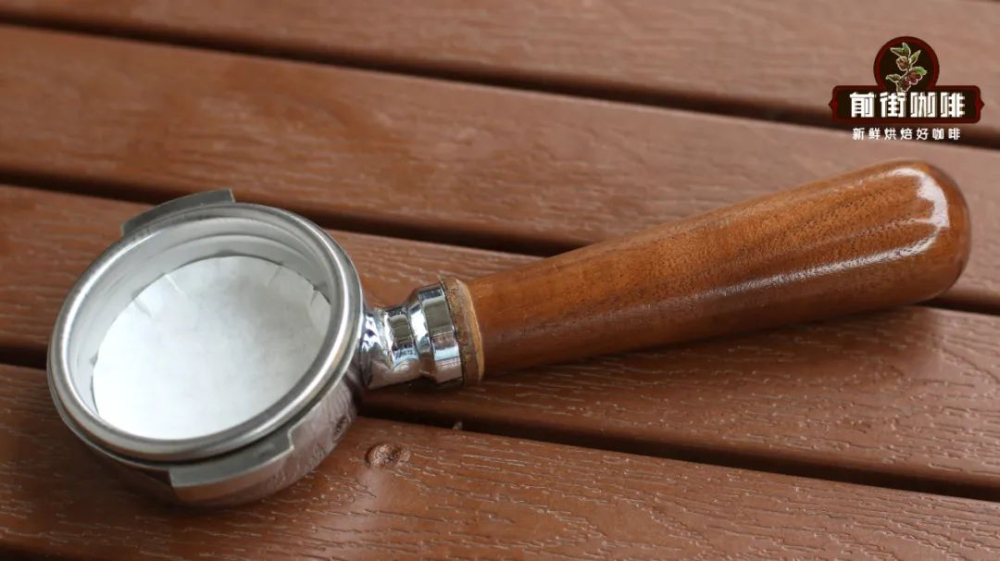
FrontStreet Coffee has tested this method and found it does effectively solve the problem of fine particles falling into the cup. Because it blocks most of the fine particles, though, it also speeds up the flow and lowers both concentration and extraction yield. So when you use filter paper for espresso, adjust the grind slightly finer — otherwise the espresso's flavor will definitely change.
FrontStreet Coffee Recommendation
If you're chasing a cleaner, better-extracting shot, the beans matter as much as the technique. FrontStreet Coffee's espresso lineup covers the main styles. The FrontStreet Classic Blend is the first choice for espresso and moka-pot brewing, built for outstanding crema — even a beginner on a non-professional home machine can pull a dense, silky layer. It follows a traditional Mamba-style recipe and is full-bodied and gentle, easy for veterans and newcomers alike, whether for home or commercial use. The FrontStreet Dark Cocoa Blend is the value-for-money commercial option: 100% Arabica, generous crema, full body, and a friendly price for anyone opening a shop.
Two more round out the range. The FrontStreet Commercial Blend was the workhorse for cafés before the Dark Cocoa launched — cheaper than the specialty blends but tuned for both flavor and cost, and suited to every commercial setting. The FrontStreet Espresso Blend has been the shop's longest-running espresso blend for nearly a decade, pairing Brazil Cerrado and Colombia Huila into the classic espresso taste people know by heart.
For milky drinks, the FrontStreet Espresso Blend and FrontStreet Dark Cocoa Blend are the best milk companions: with Brazil dominant, they show complex almond, walnut, and nutty notes in a latte, silky and lingering. If you want a richer crema for your latte, choose the FrontStreet Classic Blend or FrontStreet Commercial Blend — both contain a little Robusta, which delivers more golden foam and amplifies body and caramel aroma. If you prefer fruit-forward milk coffee, FrontStreet Strawberry Candy reproduces a vivid strawberry-candy sweetness that works for daily drinking and for cafés looking to differentiate their milk drinks. And if you brew pour-over to which you add milk, pick a medium-dark single origin such as FrontStreet PWN Golden Mandheling, FrontStreet Bird of Paradise, or FrontStreet Queen Estate.
Important Notice :
FrontStreet Coffee is a long-established specialty coffee roaster in Guangzhou China, selling freshly roasted beans from its own farm in Yunnan as well as dozens of carefully selected single-origin beans from around the world for both pour-over and espresso. The products deliver consistently excellent quality and great value, with shipping within 24 hours. Guangzhou's FrontStreet Coffee shop is recommended by many coffee lovers, and the beans are now available online at the Tmall 。
FrontStreet Coffee has moved to a new address:
FrontStreet Coffee Address: 315,Donghua East Road,GuangZhou
Tel:020 38364473
 Scan and follow the En Gafei WeChat official account. Please indicate that the reprint comes from "En Gafei".

