How Can Beginners Practice Coffee Latte Art from Scratch? A Guide to Latte Art Techniques

Whenever new team members join FrontStreet Coffee, their latte art journey begins right away. During practice sessions, the "hiss" of the steam wand fills the whole store.
Some people pick up the technique within days and can pour beautiful patterns with barely any practice. Others seem to get worse the more they try — a decent heart turns into something unrecognizable. The worse it goes, the more anxious they feel, and the more anxious they feel, the closer they get to giving up. So what's the fix?
In our experience, the key for beginners is to identify the root cause of each failure.

Understanding the Principle Is Half the Battle
Espresso crema and the microfoam created while steaming milk (air bubbles wrapped in milk proteins) are both lower in density, so they float to the surface. When the two meet, the milk and coffee sink while crema and foam rise. The contrast between these two colors is what makes the pattern.
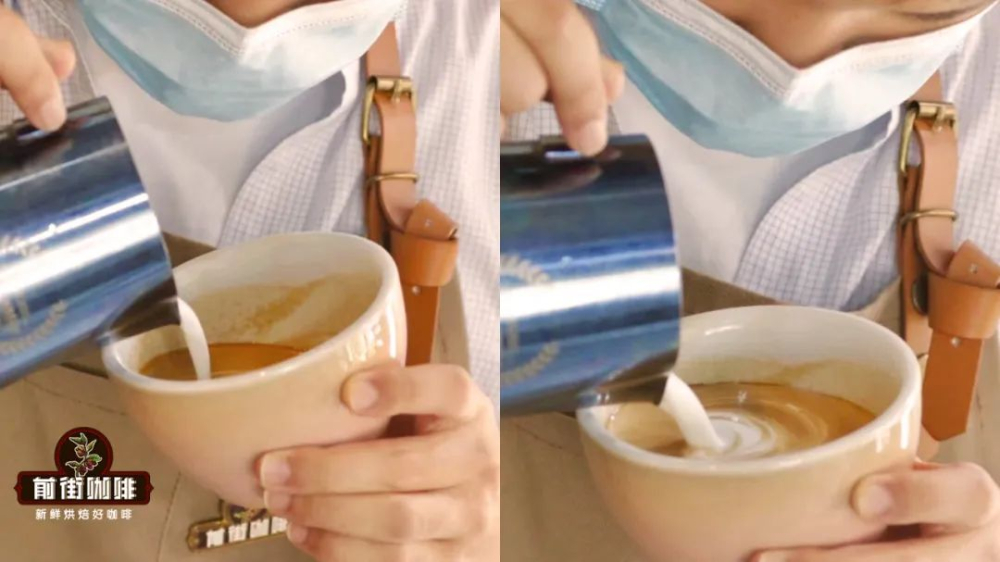
Latte art happens in two stages: fusion, then pattern creation. With the same pitcher of milk, during fusion you raise the pitcher spout and inject the milk so it is pushed into the coffee with enough force that no white shows on the surface. When it's time to create the design, you lower the spout so the foam floats gently up to the surface; combined with different pouring movements, this forms the various white patterns.
The Foundation: Fine Milk Foam
Many beginners end up with "a blob" instead of a pattern. They blame their posture, the milk, a cup that's too small or too deep, or crema that's too heavy — while overlooking the real foundation: a pitcher of silky, delicate foam.
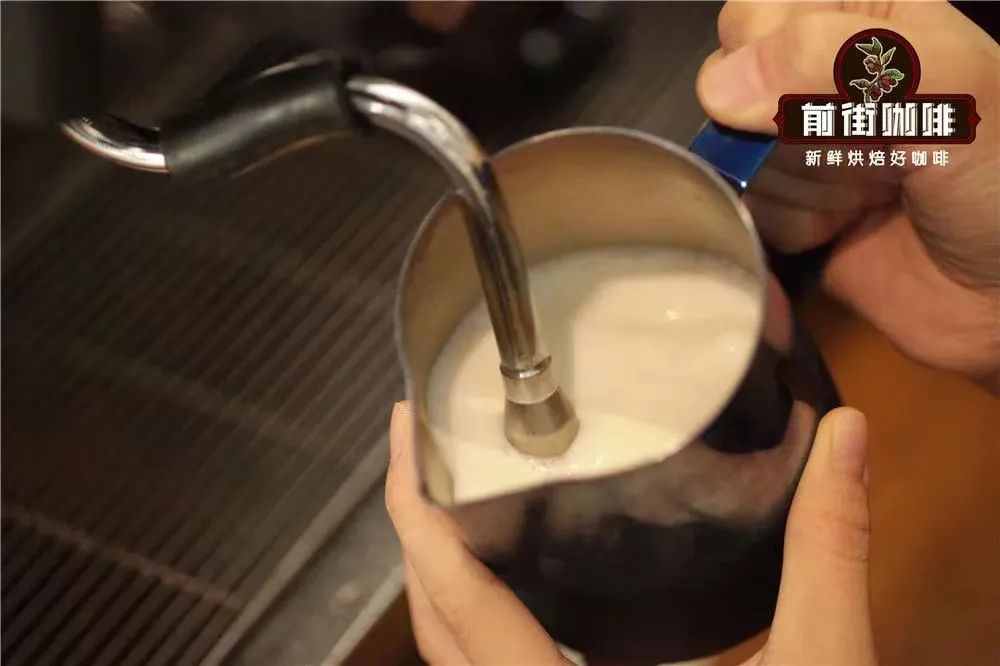
Frothing milk involves two phases: aeration and texturing/heating. The steam wand emits hot vapor that heats the milk as it enters the steam tip. While the steam holes are exposed to air, the vapor must push through air before entering the milk — that forced-in air makes the "hissing" sound. So listen for it: that hiss is how you know aeration is happening. For a latte, you generally need only 2-3 seconds of aeration.
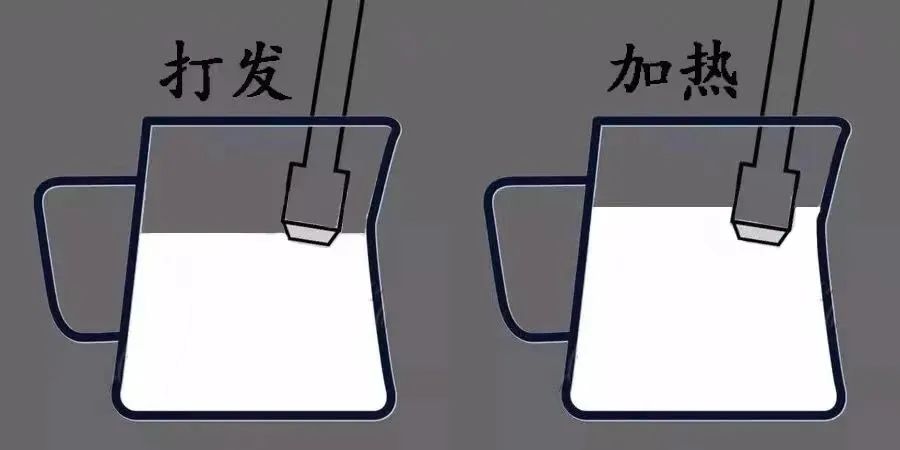
To get foam that's moderately thick yet smooth and velvety, you must control how much air you introduce and give the swirl enough time to texture those bubbles. The key is creating a vortex in the pitcher. For more detail on milk frothing, check out the notes FrontStreet Coffee has shared before — specific situations call for specific solutions, so we won't repeat it all here.
Fusion Matters More Than You Think
Properly fused coffee shows a uniform "golden base color" and tastes rich and velvety — beautiful to look at and delicious to drink. A poorly fused milk coffee not only loses points visually but can taste bitter in one sip and watery in the next, or even separate into foam and liquid.
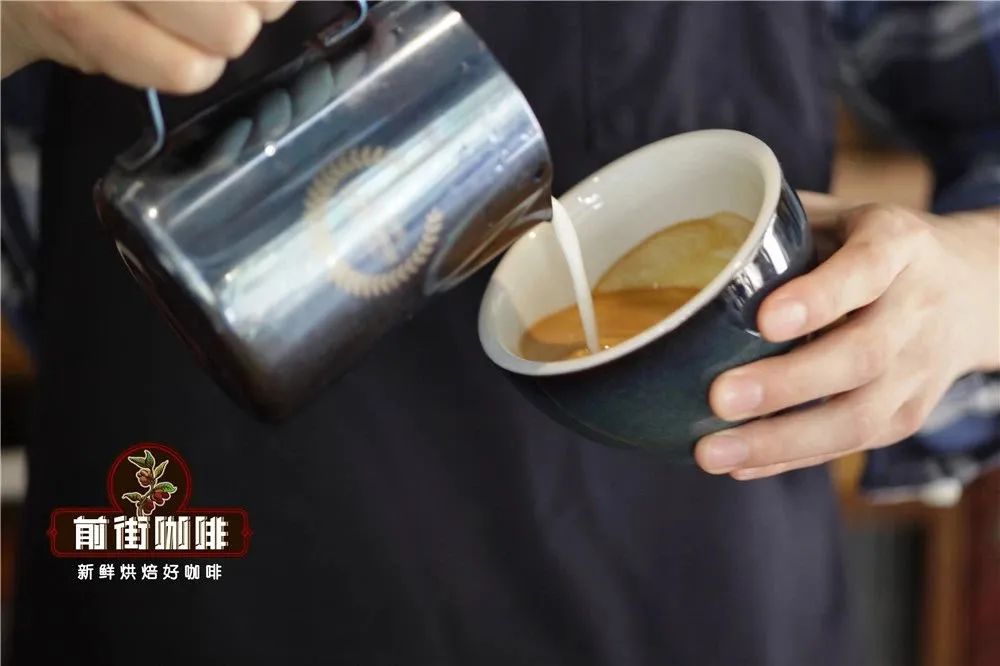
Blending foamed milk and coffee evenly takes technique. Typically, hold the cup at a 45-degree tilt with your left hand and the pitcher with your right, keeping the spout 5-8cm above the liquid surface (or adjust to your preference). Stir in a single circular motion with one hand higher than the other so everything mixes thoroughly. As for how big the circle should be, FrontStreet Coffee suggests going as wide as you can without touching the cup walls.
Technique: More Than Just Looks
Take the most basic heart: once the cup is about 70% full and fused, lower the pitcher to start forming the pattern. The principle: as the foam flows onto the coffee surface, tilt the cup back at the same time so the foam rides the liquid as it flows in. In other words, no matter the pattern, if you want white on the surface, you must pour while gradually straightening the cup.
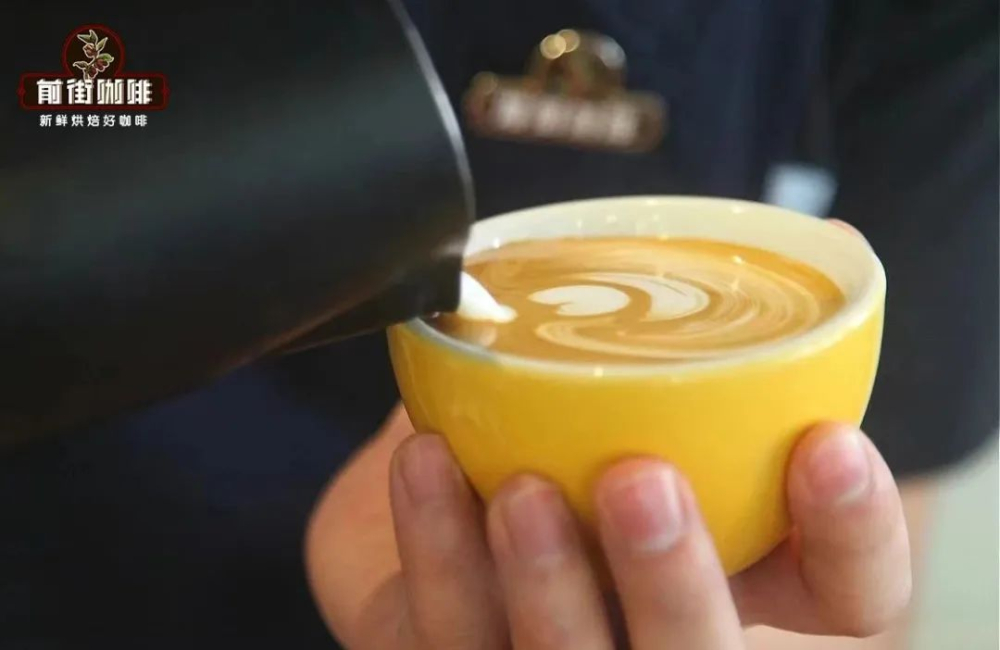
Online you can find latte art videos at every skill level — hearts, leaves, rosettas, even elaborate animal designs — and no shortage of learning channels. But FrontStreet Coffee has noticed that some people obsess over difficult patterns, when what's actually worth studying is how expert baristas pour. Pitcher grip, pouring angle, fusion technique, the sequence of pattern formation, how the cup moves — watch closely first, then imitate, then repeat. Ideally have someone watch for posture issues. Latte art is muscle memory built through long practice, and a pattern forms in about ten seconds — far too fast to capture fully in words.

Tips for Practicing Effectively
Latte art can't be rushed. It demands constant practice and reflection — frothing, grip, and pattern technique all shape the final result.
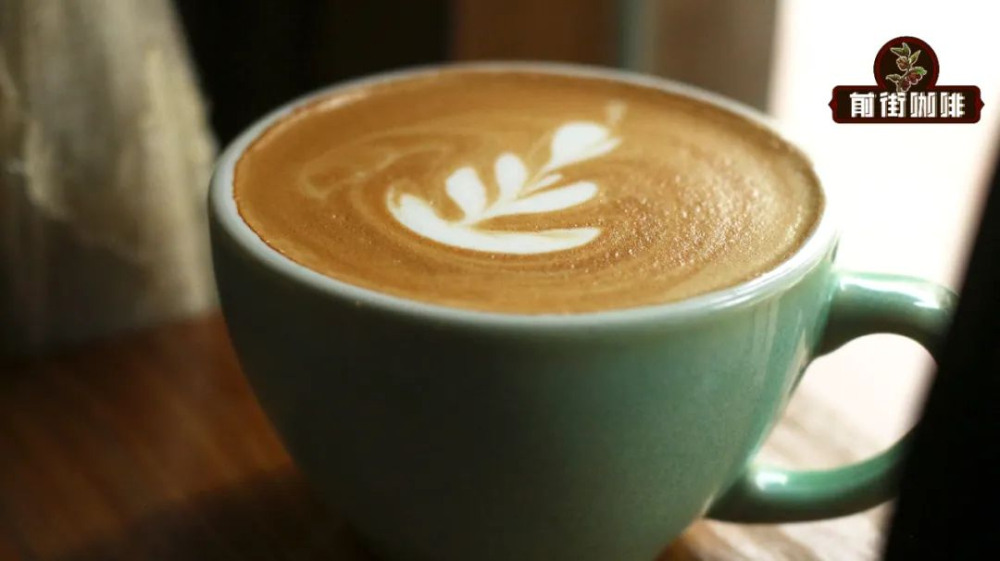
If you're just starting out, FrontStreet Coffee suggests practicing a few rounds with fresh milk alone to feel how the milk expands under steam and how the white pattern emerges as it meets the coffee. Then switch to water to nail the finer points of air intake, vortex creation, and temperature control. Once your hands have built enough muscle memory, go back to milk for "live fire" practice — start with basic hearts and tulips, and gradually put your skills to the test.
- END -
FrontStreet Coffee Recommendation
Great latte art starts with great espresso — and beans with fine, stable crema make practice far more forgiving. For home learners, FrontStreet Coffee's Classic Blend is a dependable choice: a medium-dark espresso blend of beans from three origins, inspired by the classic "Mamba" pairing of Mandheling and Brazil plus a touch of robusta for extra aroma and body. It pours buttery, toasted-bread, and caramel-cookie aromas with a solid body and fine crema, and its extraction is remarkably stable.
For a richer nut-and-cocoa cup, the FrontStreet Premium Blend — washed Colombian beans paired with pulp-natural Brazilian beans — delivers nut, dark chocolate, and caramel in espresso, with creamy, almond, and cocoa aromas in milk drinks, and crema every bit as good as café output. If you're training with an eye toward opening your own shop, FrontStreet Coffee's Commercial Blend adds a little robusta on top of the Premium recipe for an even thicker, deep-brown crema that makes latte art effortless.
Important Notice :
FrontStreet Coffee is a long-established specialty coffee roaster in Guangzhou China, selling freshly roasted beans from its own farm in Yunnan as well as dozens of carefully selected single-origin beans from around the world for both pour-over and espresso. The products deliver consistently excellent quality and great value, with shipping within 24 hours. Guangzhou's FrontStreet Coffee shop is recommended by many coffee lovers, and the beans are now available online at the Tmall 。
FrontStreet Coffee has moved to a new address:
FrontStreet Coffee Address: 315,Donghua East Road,GuangZhou
Tel:020 38364473
 Scan and follow the En Gafei WeChat official account. Please indicate that the reprint comes from "En Gafei".