
New Harvest Sidamo Natural Process Guji 7.0 Coffee Beans: Hambella Guji Coffee Flavor Profile

Huakui coffee beans have long commanded deep attention from coffee professionals and enthusiasts across the country. Every year, before the new season's Huakui beans even reach port, the entire coffee community is already buzzing with anticipation — everyone hopes this year's crop will still carry that strawberry sweetness and cream-like smoothness.

The latest Huakui 7.0 arrived in China this May, and many people managed to snap up the fresh-off-the-boat beans right away. But then the complaints started...
"Why doesn't Huakui 7.0 taste like Huakui?"
"It tastes like Yirgacheffe!"
"If it isn't sun-dried at the Buku Abel processing plant, it isn't Huakui!"

After Hongshun Company listed the Huakui 7.0 green coffee and various roasters released their own roasted Huakui 7.0, both were met with doubts about authenticity. Some pointed to the different taste compared with the 2017 champion batch; others insisted that anything not from the Buku Abel processing plant simply couldn't be called Huakui.
What Are Huakui Coffee Beans?
In 2017, at the TOH (Taste of the Harvest, a competition organized among African producing countries by the African Coffee Association), a sun-dried batch of Ethiopian landrace coffee from the Hambella region — processed at DW company's "Buku Abel" plant — won the 2017 TOH sun-dried category championship with its rich strawberry and cream aroma.
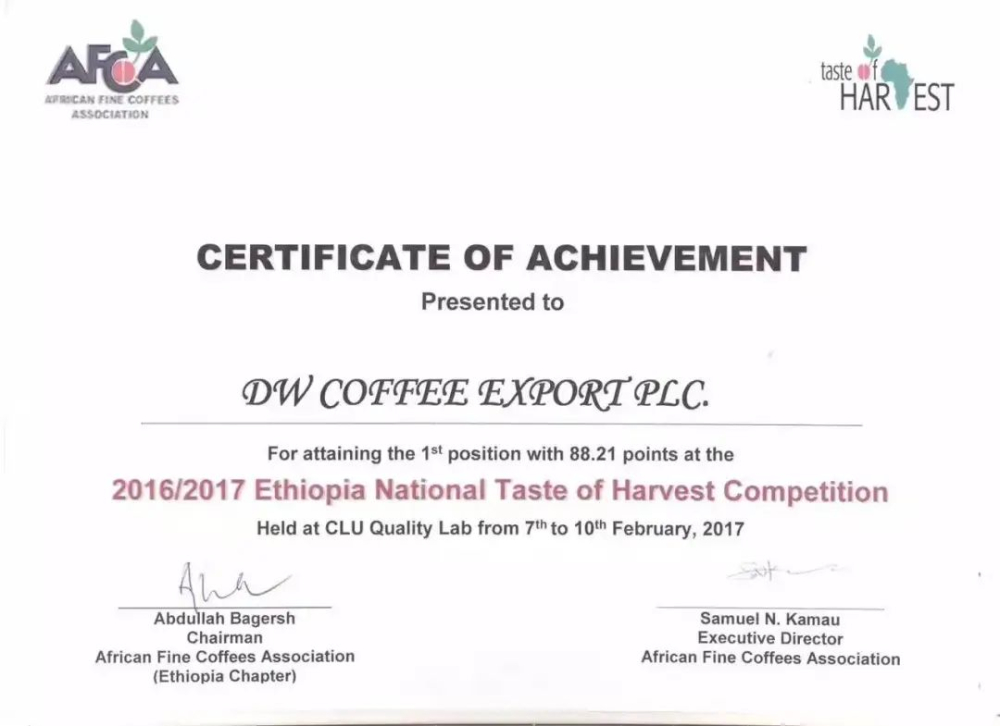
That same year, after a Beijing green coffee trader imported the champion batch, it was given the name "Huakui," meaning the leader of all flowers, graceful and enchanting. Chinese coffee drinkers truly got to know Huakui in 2017 at the World Brewers Cup, when China's runner-up Li Jianfei used this very batch to out-brew the Geisha coffees of many of his competitors.
"Huakui" spread through the domestic coffee scene almost overnight. Back then, many people were won over by the intense strawberry flavor of the 2017 batch, and many came to believe that genuine Huakui had to come from the Buku Abel processing plant and had to taste intensely of strawberry.
After the 2017 championship, DW company expanded its specialty coffee drying stations across the core producing area of Hambella Wamena Wereda, around Dimtu town, where the drying beds are concentrated in five villages: "Buku Abel Kebele," "Tirtiro Goye Kebele," "Seke Bokosa," "Haro Soresa," and "Buku Saysay."
What everyone calls "Buku Abel" is actually a village in Dimtu town. Due to earlier translation quirks it became known as the "Buku Abel processing plant," but strictly speaking, it's the processing stations within Buku Abel village.

According to Hongshun Company, which handles the import of Huakui beans, Buku Abel village isn't large — roughly 25 kilometers across — and contains 3-5 processing stations, each with 20-30 drying beds.
One processing station covers cherry from about 5 kilometers of mountainous terrain, so each season a single station produces roughly 50-100 tons of sun-dried G1 coffee — which means Buku Abel village as a whole turns out around 500 tons of Huakui beans each new season.
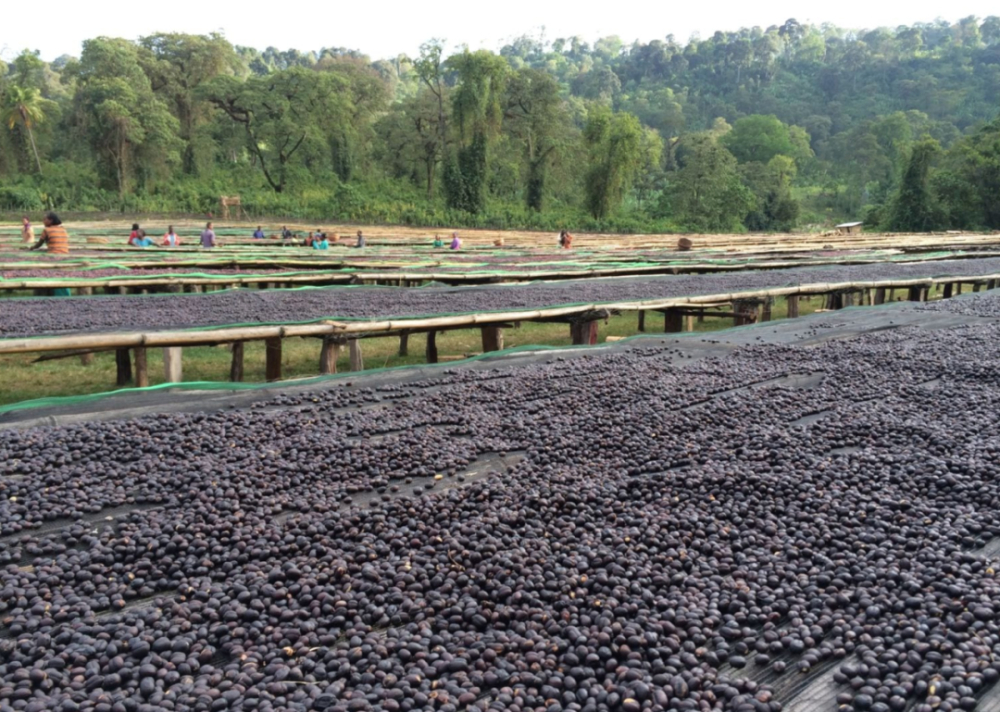
In terms of growing area and processing, among all these estates and processing sites, only the stations within "Buku Abel" village cover the small producing area that originally grew the champion sun-dried Huakui.
That said, Buku Abel village accounts for the lion's share of processing — which is why most Huakui you see comes from Buku Abel. But since the picking range for Huakui cherry has since expanded, it doesn't follow that only sun-dried G1 beans processed in Buku Abel village deserve the name.
What About the Other "Buku" Villages?
They're simply neighboring villages. Places sharing a surname are bound to be close together — at most, a road apart. With the villages that near, the cherry they process comes from the same neighborhood, and the climate and terroir where the coffee is grown differ very little.

Meanwhile, because many farmers deliver their cherry to the stations in Buku Abel village, the other villages naturally process smaller volumes. Export rules require honesty — whichever village processed the beans gets labeled on the bag — but that doesn't change the fact that all of these beans are managed under DW company.
So sun-dried G1 coffee processed in any of the five villages — "Buku Abel Kebele," "Tirtiro Goye Kebele," "Seke Bokosa," "Haro Soresa," and "Buku Saysay" — is all Huakui.
Why Doesn't Today's Huakui 7.0 Taste Like Huakui?
At its core, Huakui is simply sun-dried G1 coffee from the Hambella region — ordinary, traditional natural drying. As an agricultural product, its flavor inevitably varies with each season's terroir, climate, drying time, and humidity.
The 2017 Huakui was delicious because the timing, the place, and the people all aligned just right, creating that rich strawberry aroma and cream-like smoothness.
Delicious — but you could say it was luck. And luck doesn't come around every year. From the 2018 harvest onward, beans grown in the relevant areas and dried at the relevant stations no longer tasted like the 2017 crop, so strictly speaking, there is no such thing as a fixed "Huakui flavor."
To keep the batches straight, domestic green coffee importers began appending an X.0 number to each year's lot: Huakui 2.0 launched in 2018, followed by Huakui 3.0 and 3.1 in 2019.
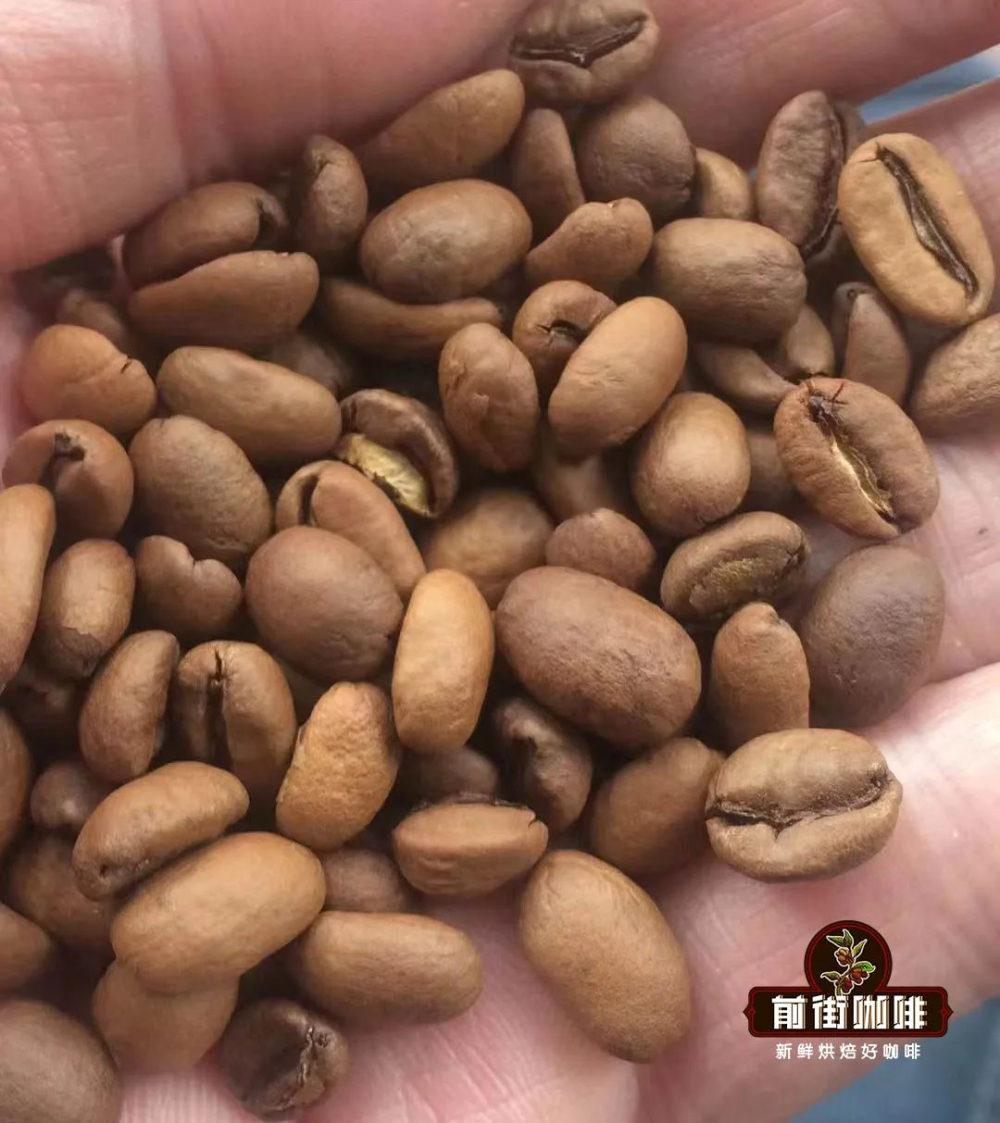
During this period, FrontStreet Coffee noticed through cupping that certain small-grain Huakui beans had flavor and aroma remarkably close to the 2017 champion beans. We first tasted 2017-like flavors in the 2018 and 2019 crops, though the body and aftertaste fell short of the original.
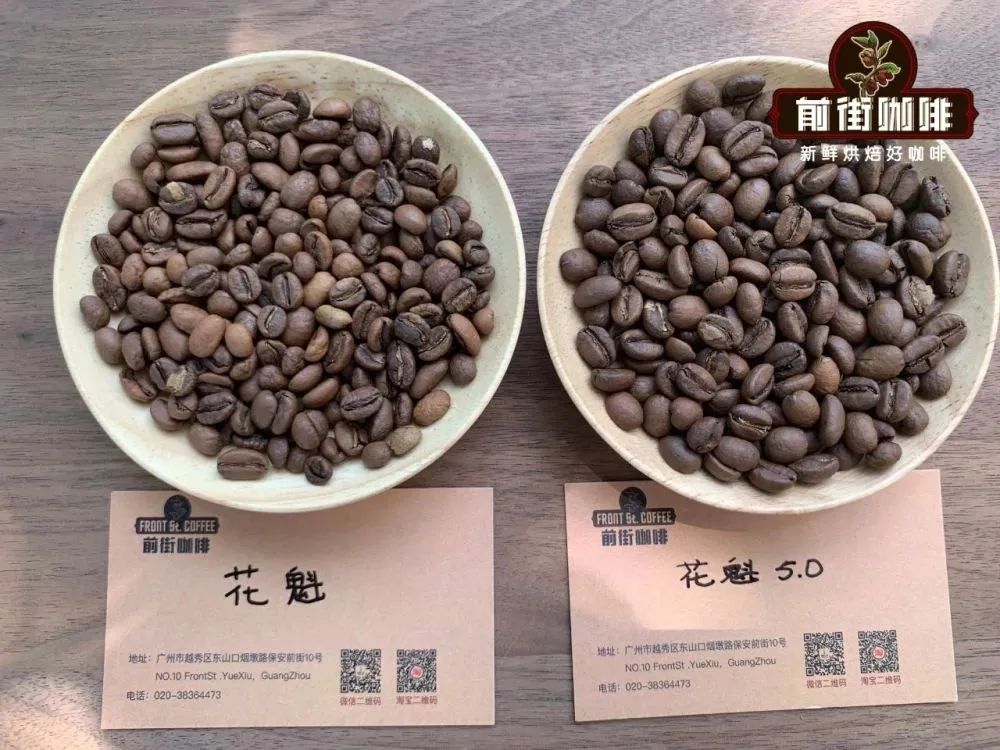
By comparing batch after batch, we realized that the heart of the 2017 aroma came from certain particularly small-grain varieties within the Huakui lots — and similar small-grain beans turned up in the 2018 and 2019 crops as well, sometimes several gunny sacks' worth out of every ten. We confirmed this in 2019 and passed the finding on to our green bean supplier. From 2020 onward, Huakui split into two lines: 4.0 and small-grain Huakui, so small-grain Huakui does not belong to the X.0 series.
Last year, because the appearance of the Huakui 6.0 green beans was rather unattractive, FrontStreet Coffee sold small-grain Huakui all year and never listed Huakui 6.0.
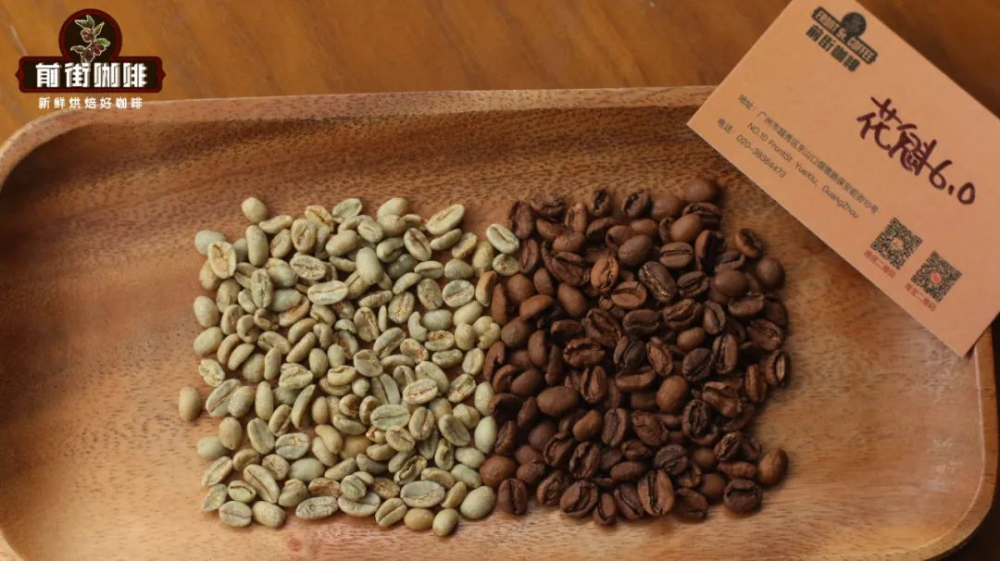
As for the new 2023 harvest's Huakui 7.0, FrontStreet Coffee got hold of it as soon as the green beans reached port. Side-by-side observation shows that this year's Huakui 7.0 no longer has many appearance problems.
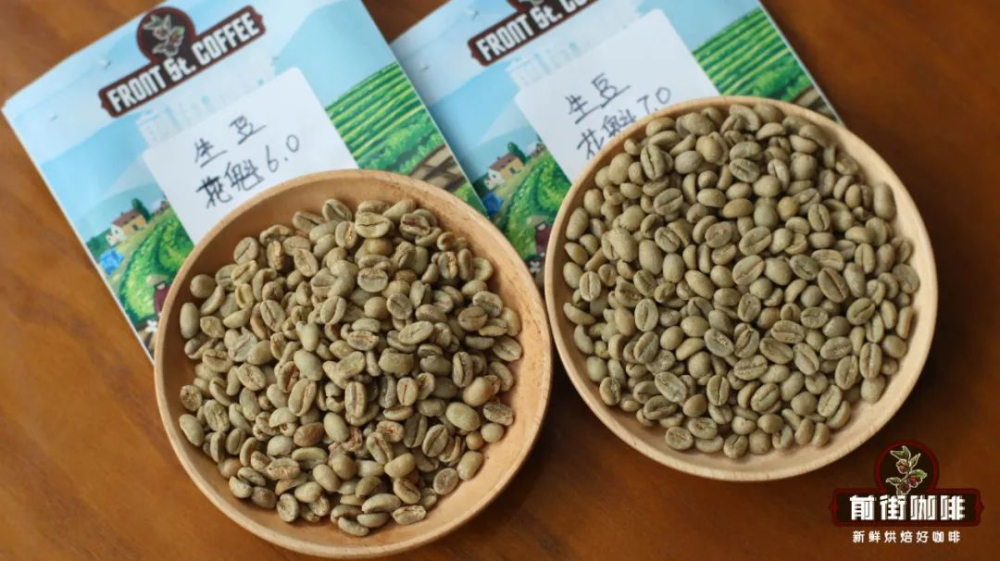
Because these are new-crop beans, the moisture content runs relatively high and the grassy smell is more pronounced. To account for this, FrontStreet Coffee's roaster adjusted the roasting curve and roasted the Huakui 7.0 to a medium-light level.
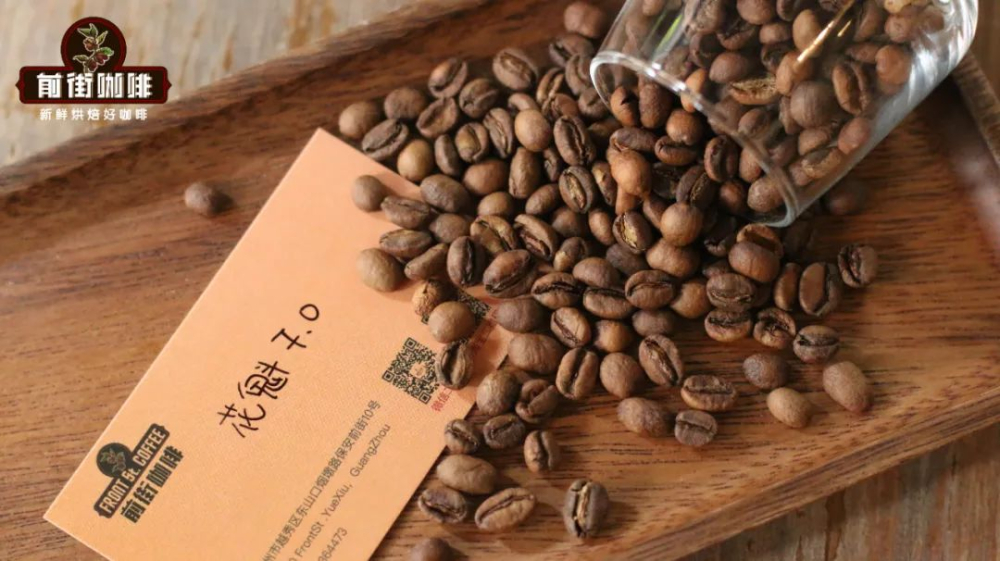
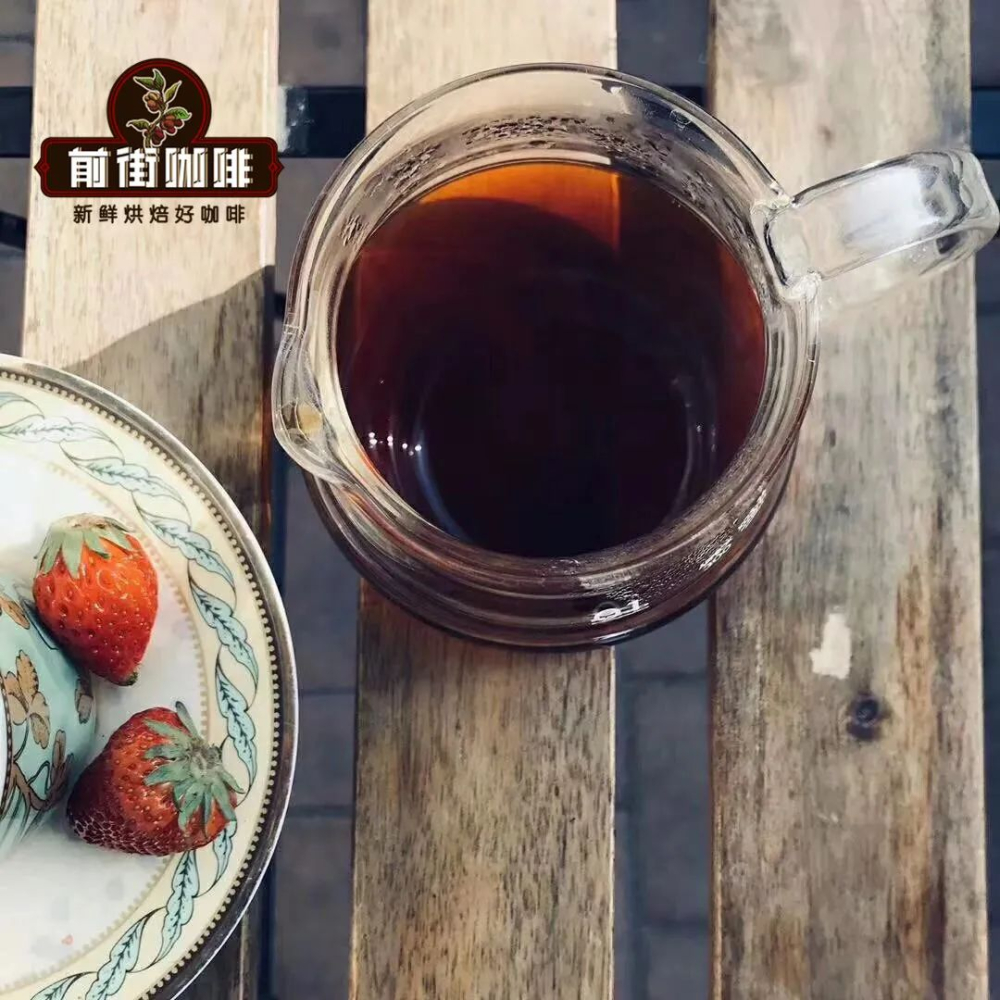
Twelve hours after roasting, the entire FrontStreet Coffee team ran a cupping. From the comparative cupping and everyone's scores, the new-crop Huakui 7.0 showed citrus in the dry fragrance, berry in the wet aroma, and on tasting: citrus-like acidity, apricot-juice sweetness and mouthfeel, passion fruit, and a tea-like finish.
Measured against the classic flavor profile of Sidamo naturals — citrus sweetness, full berry aroma, tropical fruit — the Huakui 7.0 is, frankly, a typical Sidamo sun-dried coffee.
- END -
FrontStreet Coffee Recommendation
If the strawberry-and-cream legend of Huakui won you over, FrontStreet Coffee's Natural Red Cherry from the same Yirgacheffe region makes a wonderful companion cup. It uses only fully ripe, defect-free cherries, dried whole on raised beds and turned every 2-3 hours during the first days to prevent uneven fermentation; after three to five weeks in the sun, the beans emerge with classic Yirgacheffe character plus tropical fruit from the natural process — citrus acidity, berry-juice vibrance, honeyed sweetness, and a cream-smooth texture.
For a cleaner, more floral take on Ethiopian coffee, FrontStreet Coffee's Washed Guodingding Cooperative comes from the Worka area at the southeastern edge of Yirgacheffe. Processed with the traditional washed method, it carries no heavy bitterness at all — just bright, fresh citrus and lemon acidity wrapped in jasmine fragrance, the kind of cup that wins people over at first sip. FrontStreet Coffee's Washed Yirgacheffe, with its white jasmine aroma, bright citrus-lemon acidity, and tea-like finish at an everyday price, remains the classic gateway into Ethiopian specialty coffee.
Important Notice :
FrontStreet Coffee is a long-established specialty coffee roaster in Guangzhou China, selling freshly roasted beans from its own farm in Yunnan as well as dozens of carefully selected single-origin beans from around the world for both pour-over and espresso. The products deliver consistently excellent quality and great value, with shipping within 24 hours. Guangzhou's FrontStreet Coffee shop is recommended by many coffee lovers, and the beans are now available online at the Tmall 。
FrontStreet Coffee has moved to a new address:
FrontStreet Coffee Address: 315,Donghua East Road,GuangZhou
Tel:020 38364473
 Scan and follow the En Gafei WeChat official account. Please indicate that the reprint comes from "En Gafei".

