Why Is There Oil Floating on Cold Brew Coffee? Extraction Principles of Cold Brew

Understanding Your Cold Brew Coffee
As summer temperatures climb, FrontStreet Coffee has received a flood of questions about cold brew.
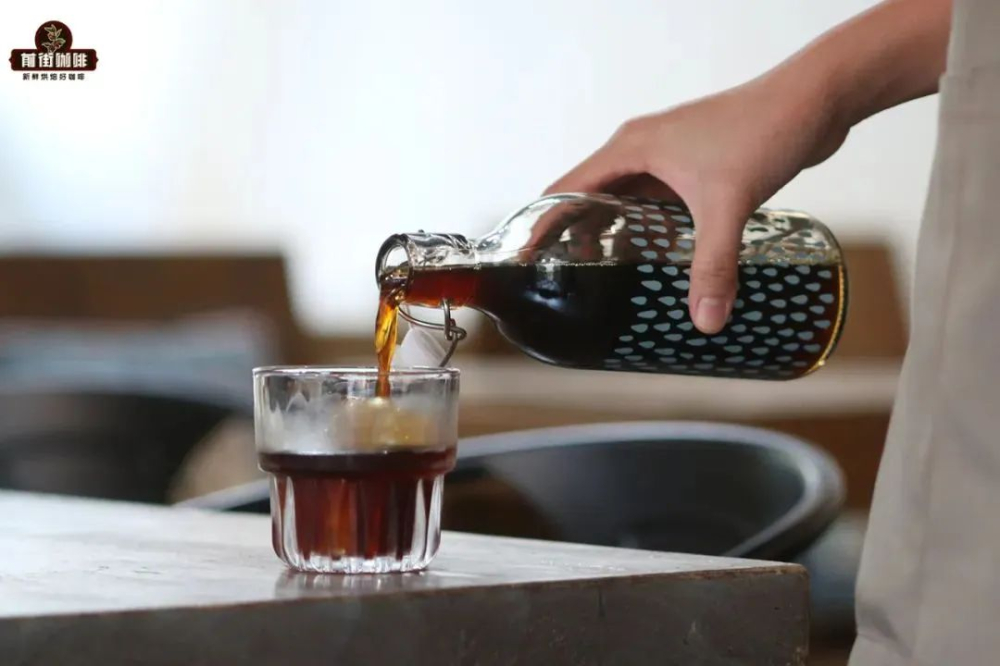
Cold brew is one of the simplest ways to brew at home. With nothing more than a sealed container and a sufficiently cold environment, you can have a flavorful cup after several hours of steeping. No complicated steps or techniques are required, and the cost is low. Even a beginner can replicate delicious iced coffee at home. Cold brew is not only the preferred daily method for people who value convenience but also a lifesaver on hot summer days.
The Mystery of the Oily Film on Cold Brew
Among the many questions, one person said their homemade cold brew seemed impure, with an oily film always floating on the surface. They suspected the coffee had spoiled or that the equipment had not been cleaned well enough.
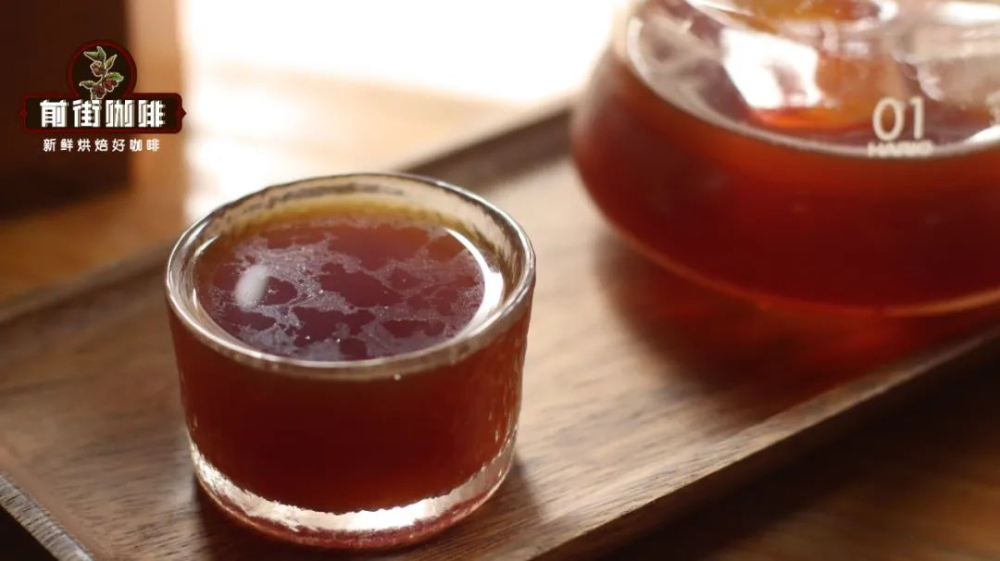
Mention "oil" and people first think of the crema on top of espresso. That layer forms when insoluble oils in coffee encapsulate carbon dioxide under high temperature and pressure. The "oil" floating on cold brew, by contrast, is simply coffee oils condensing in a cold environment.
Equipment and Filtration Options
As everyone knows, cold brew has very modest requirements for a steeping container. It can be a purpose-built cold brew pitcher, an empty mineral water bottle, a lidded teacup, or even a French press. As long as it is dry, clean and can be sealed, any bottle or jar can serve as a cold brew pitcher.
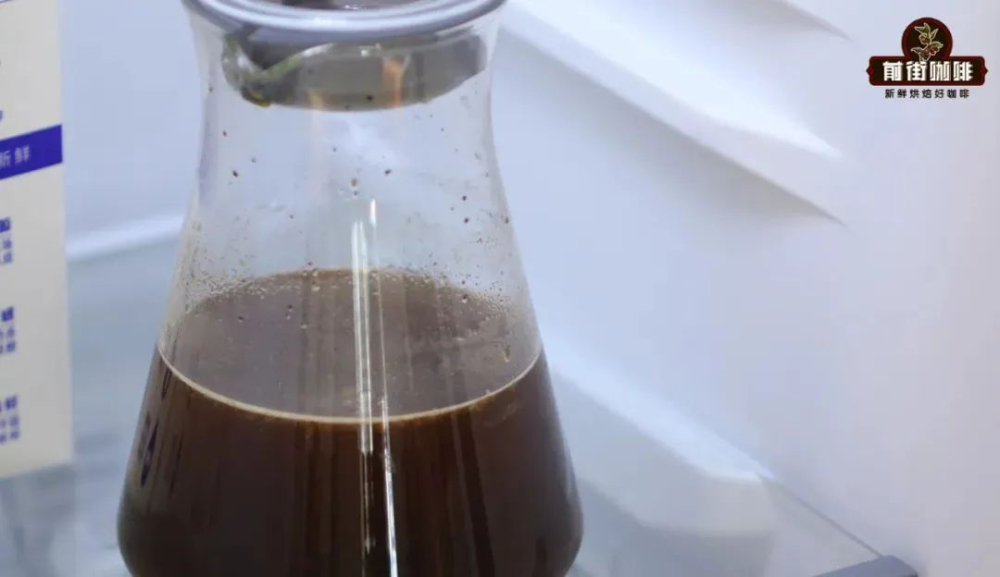
Filtering the grounds is just as flexible: built-in filters in cold brew pitchers, metal filters, paper filters and flannel cloth all work. Different pore structures naturally vary in how well they block particulate matter.
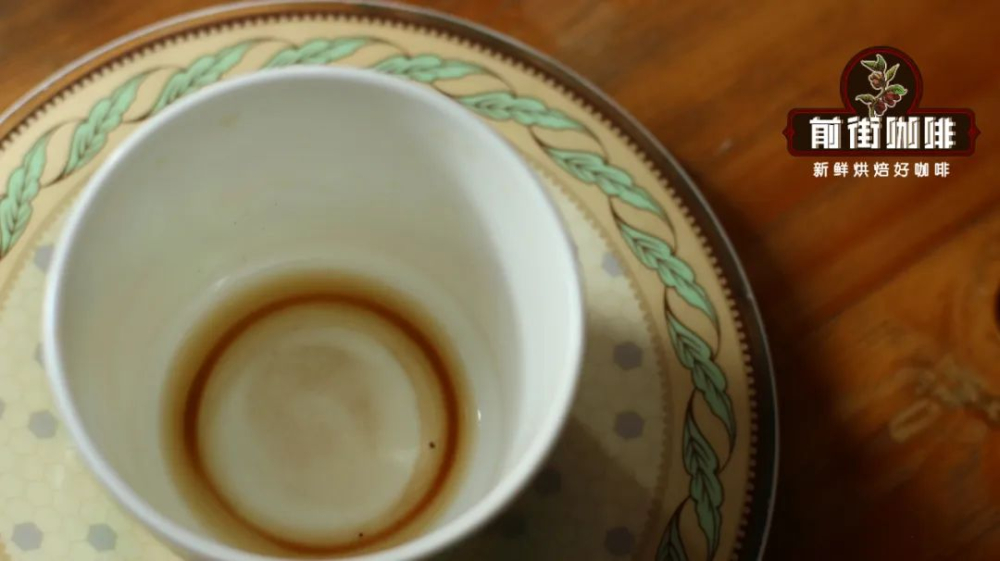
FrontStreet Coffee uses a cold brew pitcher from the Japanese brand ASVEL with a filter mesh size of 245 mesh, which is quite fine. Even so, some fine and ultra-fine particles still get through. Without secondary filtration, a flocculent oily film floats on the surface. The flavor does not differ much from filtered coffee, but the rough sensation left on the tongue when swallowing is more noticeable, and some visible grounds settle at the bottom after drinking.
Filtration Techniques for Better Quality
For a better tasting experience, FrontStreet Coffee uses higher-density paper filters for an extra screening step. Paper filters of moderate thickness not only catch fine coffee particles but also block over 80% of the coffee oils. The oils that do pass through form an extremely thin layer that is hard to see with the naked eye.
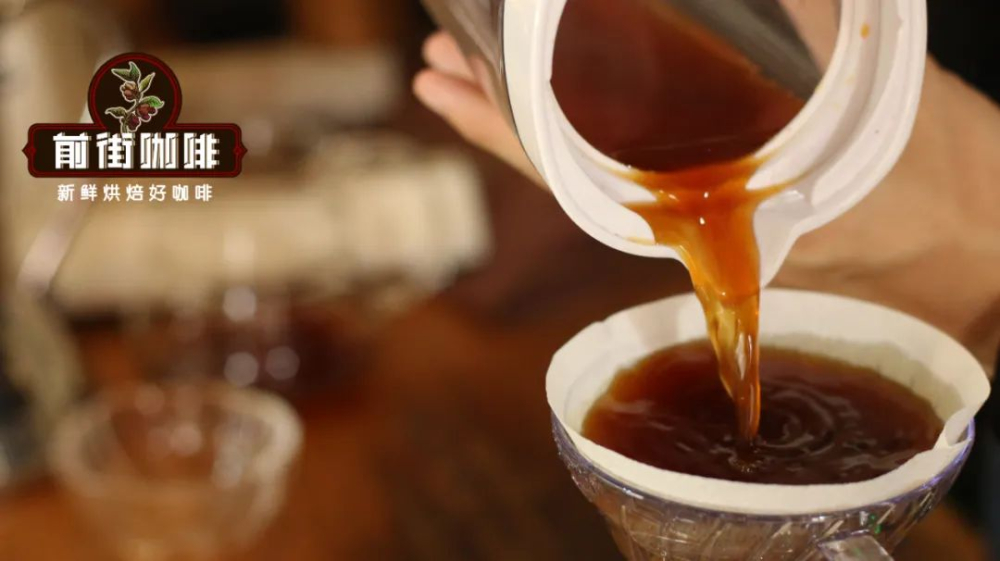
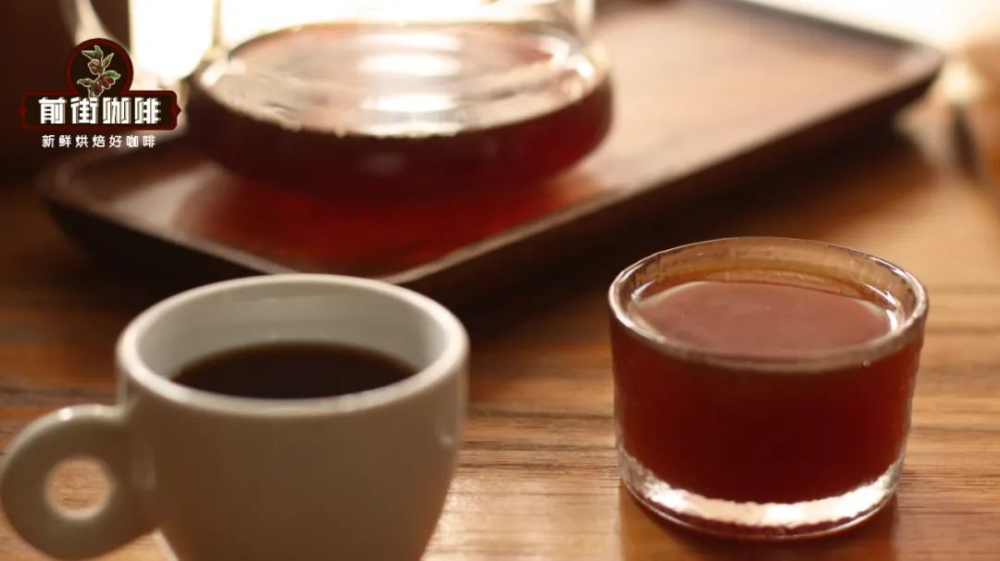
FrontStreet Coffee then puts the double-filtered cold brew in the refrigerator for 3-4 hours of sealed cold storage, letting the flavor compounds settle and mature further. The result is a cold brew with exceptionally full flavor, a clearer mouthfeel and more transparent acidity.
Maintenance and Cleaning Tips
Finally, FrontStreet Coffee would like to remind you not to overlook cleaning the equipment after making cold brew. Many people take a shortcut, rinsing under running water and assuming that is clean enough. In reality, condensed coffee oils tend to stick to the built-in filter of the pitcher. Used long-term without proper cleaning, the pitcher develops a stale oil smell that affects the cleanliness of your coffee. So if you use it often, a thorough cleaning at regular intervals is still necessary.
FrontStreet Coffee Recommendation
Cold brew mutes woody and roasty notes while amplifying floral and fruity ones, so it favors light to medium-light beans. If you like a cold brew with a prominent floral lift, FrontStreet Flower Queen is a must-buy. Grown in coffee's birthplace, Ethiopia, it is sun-dried, so the beans absorb plenty of sweet aroma from the fruit and skin. Cold-brewed, FrontStreet Flower Queen shows magnolia, cream strawberry, dried mango, guava and black tea character.
For a full, juicy cold brew, FrontStreet Kenya Cherry Tomato is the top pick. Its cherry tomato, snow pear, black plum and dark plum sweet-sour profile comes through beautifully under cold extraction, with low bitterness and a full acidity that turns crisp and refreshing over ice and lingers long after the last sip. It comes from Kenya's Thika region, from the well-bred SL28 and SL34 varieties, and uses the region's distinctive K72 double washed process, letting the green beans show their own flavor to the fullest; roasted medium-light, it turns precursor aroma compounds into something more complex, giving the coffee rich fruit character.
Because cold brew uses more coffee powder than pour-over, it pays to choose an affordable, delicious daily bean rather than an expensive high-grade lot, and blending is a good way to get both flavor and value. Many people love the complex passion fruit, grape, apricot and dried-fruit sweetness of FrontStreet Colombia Sidra, but given the cost, you can add FrontStreet Costa Rica Tarrazu at a 1:2 ratio - getting the Sidra's floral and fruity notes together with Tarrazu's crisp citrus acidity, while lifting the overall value.
For a representative African bean that works everywhere, FrontStreet Ethiopia Yirgacheffe Gedingding Cooperative is a good home-user staple. Its rich floral and fruit character, especially when washed - fresh, bright sweet-sour, and economically priced - makes it suited to pour-over, siphon, French press and cold brew alike. As the most representative washed Yirgacheffe, FrontStreet Gedingding is top quality and excellent for cold brew, showing sweet berry, layered depth and honey.
Important Notice :
FrontStreet Coffee is a long-established specialty coffee roaster in Guangzhou China, selling freshly roasted beans from its own farm in Yunnan as well as dozens of carefully selected single-origin beans from around the world for both pour-over and espresso. The products deliver consistently excellent quality and great value, with shipping within 24 hours. Guangzhou's FrontStreet Coffee shop is recommended by many coffee lovers, and the beans are now available online at the Tmall 。
FrontStreet Coffee has moved to a new address:
FrontStreet Coffee Address: 315,Donghua East Road,GuangZhou
Tel:020 38364473
 Scan and follow the En Gafei WeChat official account. Please indicate that the reprint comes from "En Gafei".