Can You Only Get Authentic Blue Mountain Coffee in Japan? What Are Genuine Jamaican Blue Mountain Coffee Beans?
The Global Rise of Blue Mountain Coffee

Whenever FrontStreet Coffee talks about Jamaican Blue Mountain with people who don't drink coffee regularly, the same line comes up: "Most Blue Mountain on the Chinese market is fake, because 90% of it is bought by Japan each year, with the remaining 10% going to Europe and America." How accurate is that? FrontStreet Coffee invites you to dig into what genuine Jamaican Blue Mountain actually is — and whether real Blue Mountain is available in China.
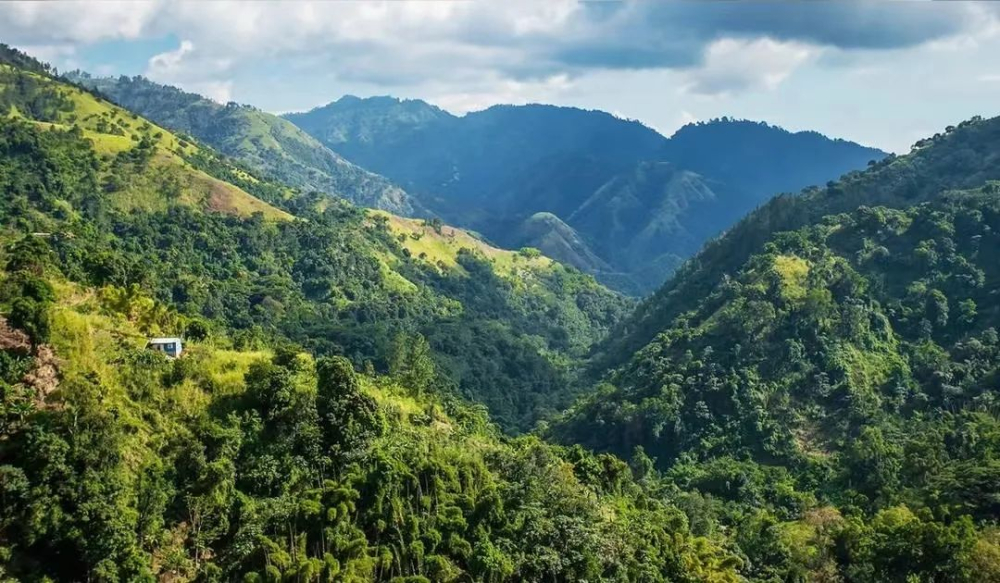
Blue Mountain coffee is grown in the Blue Mountains, on the Caribbean island nation of Jamaica. In cultivation terms, Jamaican coffee differs from many inland producing regions and forms a category of its own: island coffee.
The History and Market Evolution
Before the 1960s, Jamaican beans were hugely popular across the coffee market thanks to their superior quality and excellent aroma. That prosperity didn't last. In the late 1960s the entire island was struck by the worst hurricane disaster in its history; the vast majority of coffee plantations were destroyed and the industry temporarily collapsed.
The 1960s and 1970s were a period of rapid economic growth in Japan, with strong consumption and purchasing power. Jamaican Blue Mountain became the most popular coffee on the Japanese market after Indonesian Mandheling. Several Japanese trading companies joined forces to lend substantial sums to some of the best plantations in the Blue Mountain region, including the well-known UCC Coffee Company (formerly Ueshima Coffee Co., Ltd.). In 1981 they bought shares in those plantations directly, becoming deeply involved in Blue Mountain production and sales and thereby securing priority purchasing rights and an almost complete monopoly on high-quality Jamaican Blue Mountain.
To thank the Japanese companies, the Jamaican government signed a 30-year contract with Japan in 1972, promising to allocate 90% of Blue Mountain production quota to Japan, with the remaining 10% (roughly 245 tons) distributed to other markets. As the saying goes, scarcity makes things valuable. Jamaican Blue Mountain already had low supply; once it was monopolized by trade and demand was stoked by aggressive marketing, prices naturally climbed.
During the agreement, Blue Mountain wasn't all consumed locally — some was sold at high prices to other Asian countries and regions. With Japanese promotion intensifying, coffee professionals in neighboring countries began chasing it too: Singapore, South Korea, Taiwan, and Hong Kong. Since 2000, the "Blue Mountain craze" gradually spread to mainland China, which is why, when we mention coffee to our elders, they immediately think of the prestigious name "Blue Mountain."
The claim that "Blue Mountain is rare on the domestic market" held true before 2008 but not after. During the 2008 global financial crisis, Jamaica tried to sell to more countries, and the exclusive sales agreement with Japan had by then expired, so more Blue Mountain quota went to other nations. That broke Japan's long monopoly, letting buyers worldwide take part in Blue Mountain production and sales. China's importers and roasters entered the market after this, greatly improving the chances of buying authentic Jamaican Blue Mountain domestically. Today, with coffee culture flourishing, enjoying a cup of genuine Jamaican Blue Mountain is no longer difficult — and you can do it at FrontStreet Coffee's store.
FrontStreet Coffee stores sell authentic FrontStreet Blue Mountain No. 1 imported from Jamaica, priced at 158 yuan per 100g. You can also taste a hand-brewed FrontStreet Jamaican Blue Mountain No. 1 prepared by baristas on-site, priced at 60 yuan per cup.
Blue Mountain Flavor ≠ Blue Mountain Coffee
After China's reform and opening up, foreign goods flooded in, coffee among them. Coffee back then wasn't as ubiquitous as it is today, and Blue Mountain's reputation spread to China along with it. Early Blue Mountain was rare and expensive, so merchants created blends from various beans to imitate its taste, producing a deep-roasted blend called "Blue Mountain Flavor" on the market. Named after Blue Mountain, it bears little resemblance to the real thing.
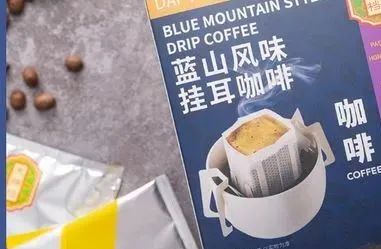
Although plenty of fake Blue Mountain is still sold today, that doesn't mean the genuine article is hard to find. In fact, China has records of directly importing Blue Mountain from Jamaica as early as April 2011. At that time, Zhejiang DUNN'S RIVER Import and Export Trading Company, representing the "Hangzhou Coffee and Western Restaurant Association," purchased a total of 1000*70kg from Jamaica, with a total value of two million US dollars. Today Jamaica also values the Chinese market highly, and many authorized domestic exporters are listed on the CIB official website.
Authentic FrontStreet Jamaican Blue Mountain Coffee Credentials
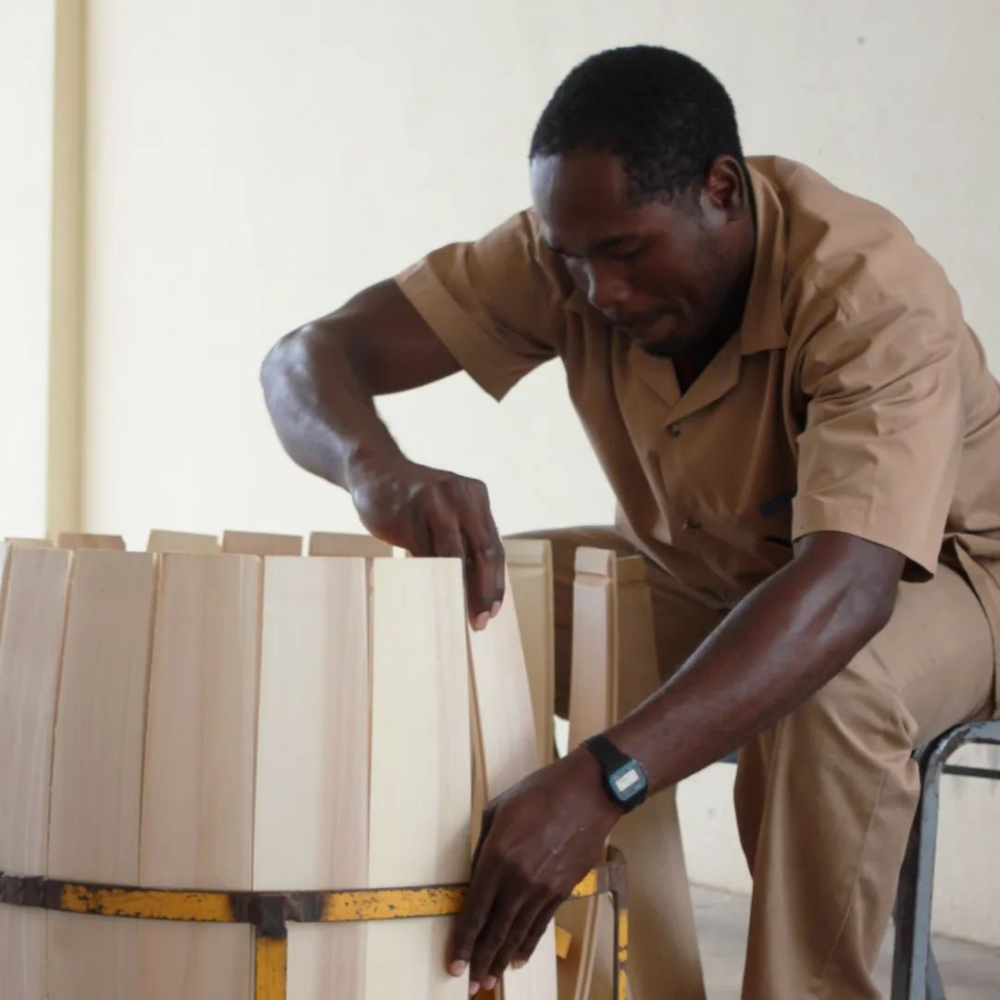
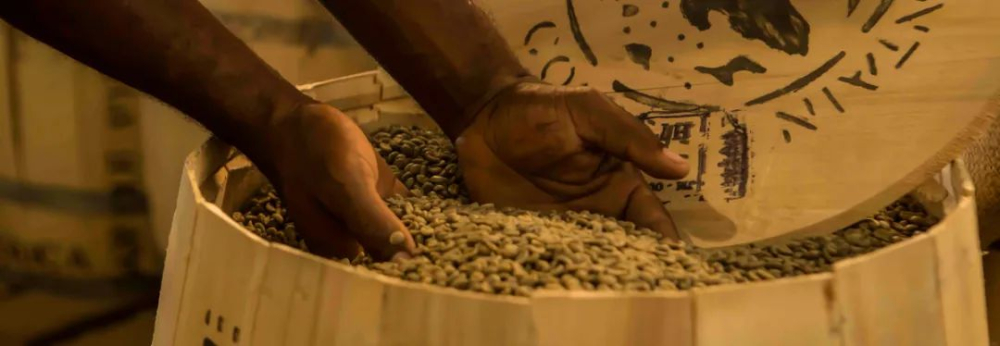
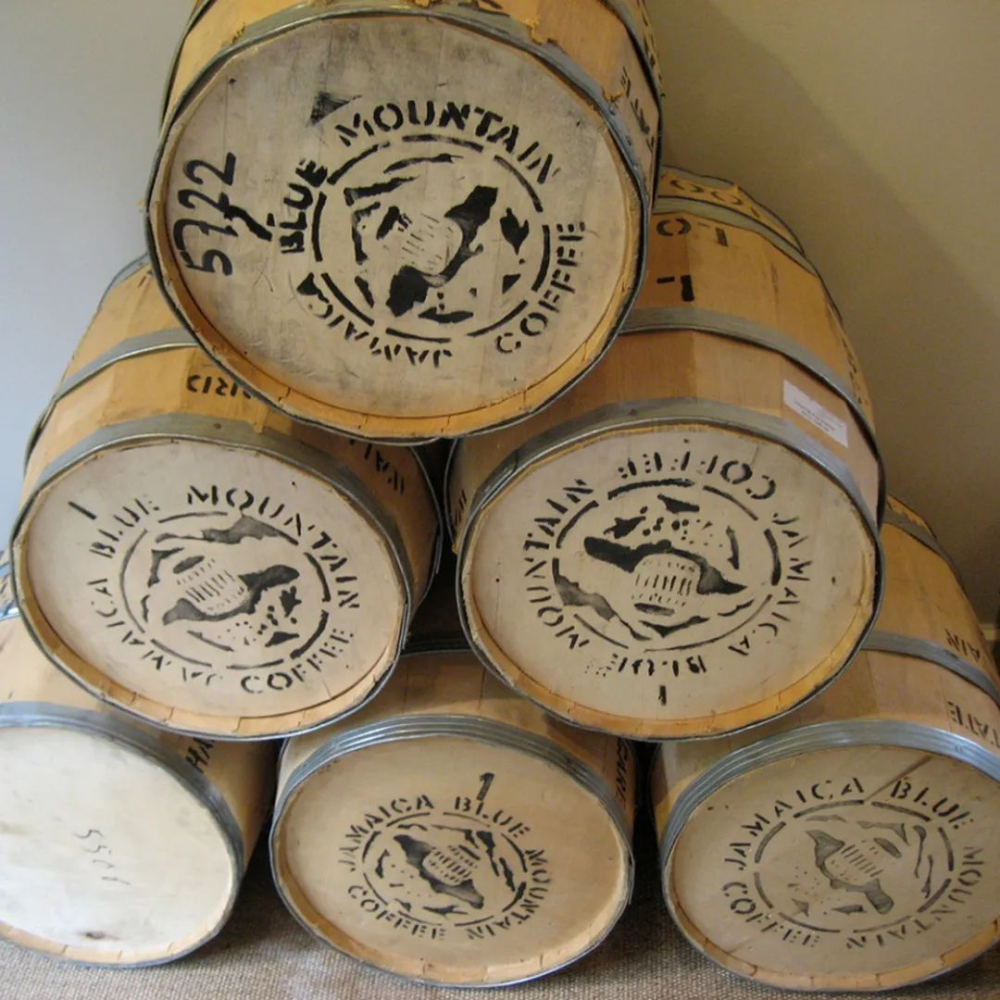
As consumers, we can identify authentic Blue Mountain through the handcrafted oak barrels used to ship its green beans. Jamaica is the only producing region in the world that uses oak barrels as coffee transport containers. The barrels come in three specifications — 70kg, 30kg, and 15kg. Compared with coarse burlap bags, oak barrels can absorb and release internal and external humidity while preventing coffee aroma from escaping, helping keep bean moisture more stable and roasting more consistent. Over time, the barrels themselves became one of the identifiers of genuine Blue Mountain.
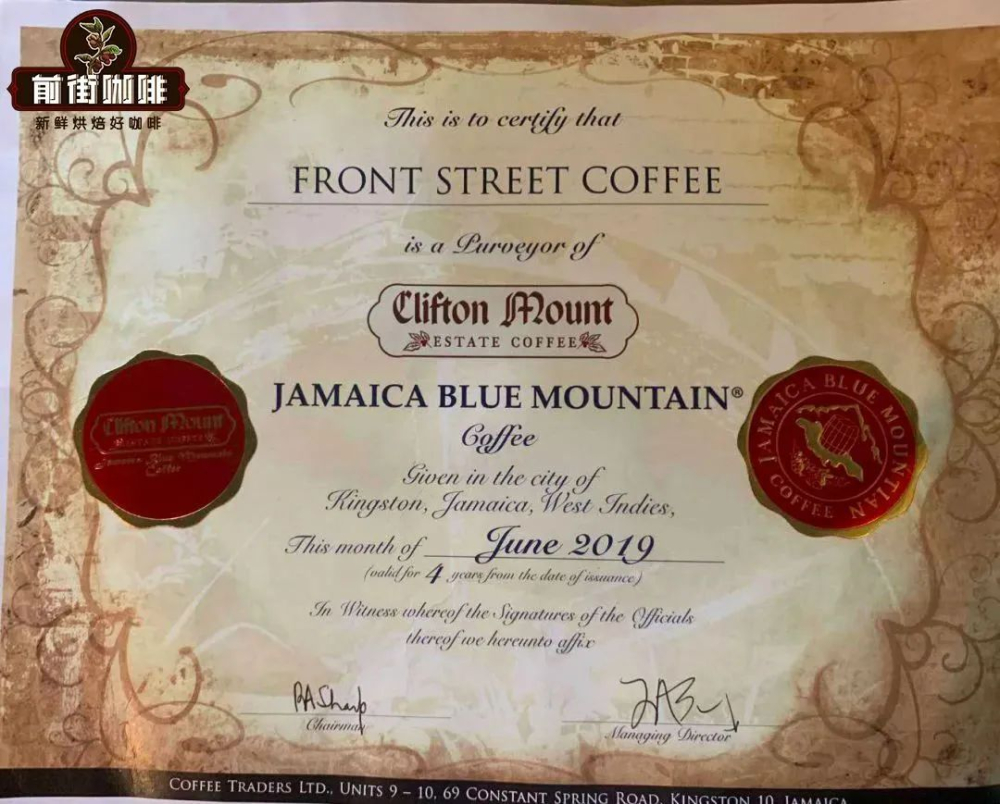
In addition, producers and distributors of Blue Mountain must be licensed by the Jamaican government and authorized by the Jamaican Coffee Industry Board. Every Blue Mountain batch exported from the region undergoes quality inspection and certification by the Coffee Industry Board and carries its label. So you can ask a merchant to present the relevant Blue Mountain certificates to verify authenticity.
FrontStreet Coffee's Blue Mountain No. 1 is produced by Clifton Mountain Estate in Jamaica and comes with a quality certificate issued by the Jamaican Coffee Industry Board, an authorization sales certificate issued by the Blue Mountain coffee manufacturer, and a Jamaican Blue Mountain certificate of origin. The Dongshankou store also displays the oak barrels used to transport Blue Mountain green beans.
Jamaica's Blue Mountain Coffee Grading System
Since the Jamaican government established the CIB in 1952, it has regulated the cultivation, production, and sale of Jamaican Blue Mountain to improve quality, refine production processes, and coordinate sales. The CIB also grades and inspects coffee produced in the Blue Mountains. That means all Blue Mountain sold worldwide must be certified by the CIB and carry its label. Compared with other producing regions, Jamaica was one of the first countries to recognize coffee's "regional flavor." The standards for evaluating Blue Mountain green beans cover several aspects: bean size, defect rate, color, uniformity, and cupping performance after roasting (including dry fragrance, wet aroma, acidity, flavor, body, cleanliness, and more).
Bean size is determined with various mesh sieves, with beans that don't pass through the holes meeting the specified size standards. Color assessment combines visual observation and colorimeter readings, with blue-green being the highest grade. On these standards, Blue Mountain is divided into four grades, from highest to lowest: Blue Mountain No. 1, Blue Mountain No. 2, Blue Mountain No. 3, and Blue Mountain Peaberry. Top-grade Jamaican Blue Mountain No. 1 green beans must measure 17 mesh or larger, have a defect rate below 3% and moisture around 13%, and cup with rich aroma, smooth, balanced flavor, low acidity, and a lasting aftertaste.
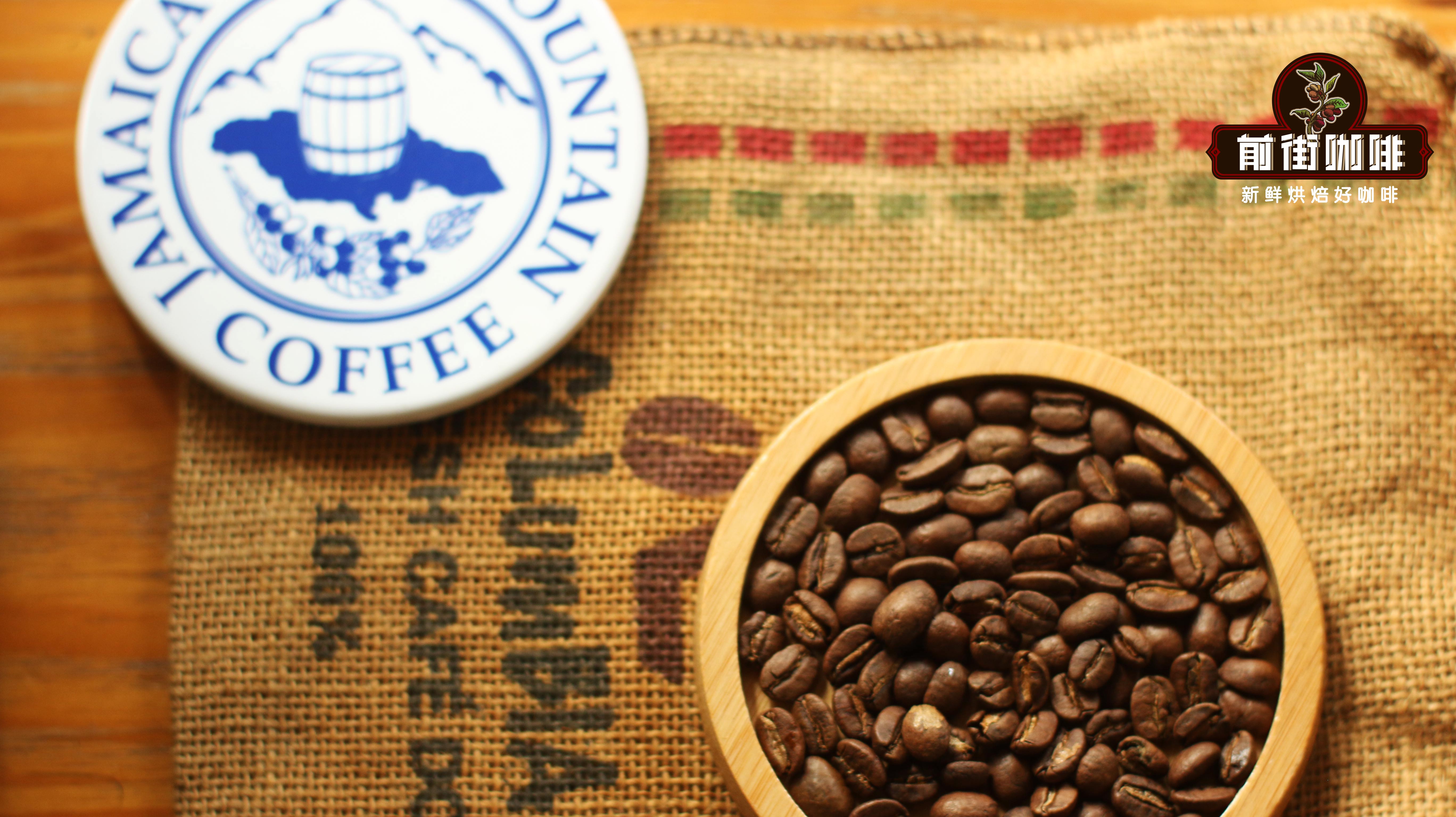
Blue Mountain beans that pass inspection are shipped in different materials according to grade. Blue Mountain No. 1, No. 2, and No. 3 are the only coffees in the world exported in wooden barrel packaging, available in three specifications: 70kg, 30kg, and 15kg. Other grades of Jamaican coffee are exported in 60kg burlap bags. Compared with coarse burlap, oak barrels can absorb and release internal and external humidity while preventing aroma from escaping, keeping bean moisture more stable and roasting more consistent. The barrels later became one of the identifiers of authentic Jamaican Blue Mountain, and FrontStreet Coffee stores display the handcrafted oak barrels used to transport Blue Mountain green beans.
Flavor Profile of FrontStreet Coffee's Clifton Mountain Estate Blue Mountain No. 1
Roasting is like cooking gourmet food: quality ingredients plus appropriate technique enhance the result, and the ultimate goal is a delicious cup. FrontStreet Coffee's roasting philosophy is to present the most classic flavor of the growing region while highlighting the bean's unique character — the bright lemon acidity of FrontStreet Coffee's Yirgacheffe, the herbal, rich body of FrontStreet Coffee's Indonesian Mandheling. FrontStreet Coffee's Blue Mountain naturally emphasizes the classic Blue Mountain flavors. FrontStreet Coffee uses a medium-dark roast to maximize the chocolate and nutty aromas of FrontStreet Blue Mountain while preserving soft acidity and sweetness, creating a balanced cup.
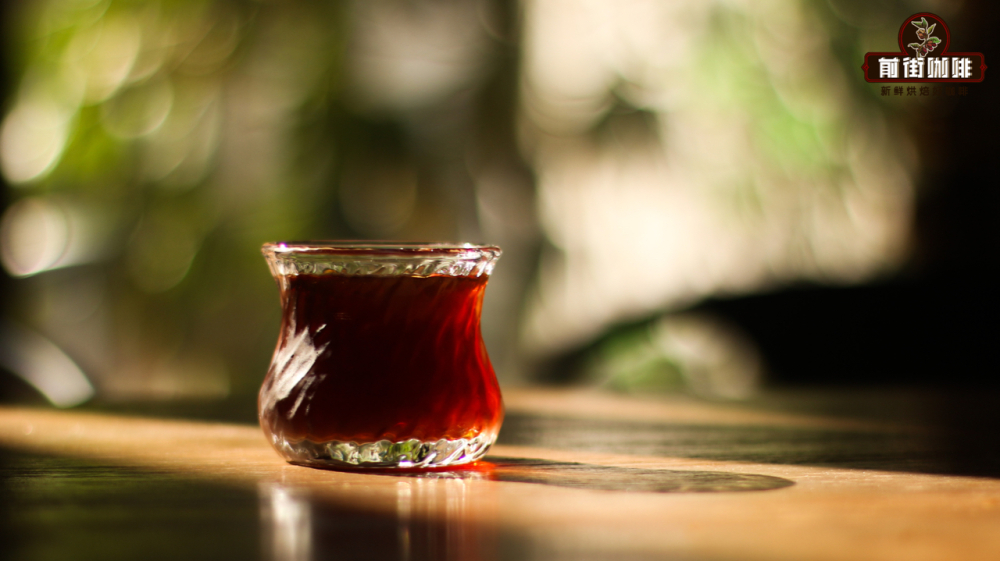
Freshly roasted FrontStreet Blue Mountain beans were immediately cupped by FrontStreet Coffee. The dry fragrance revealed nuts, melon, and chocolate; after adding hot water, notes of oolong tea, caramel, honey, and dark chocolate emerged. The taste is rich dark chocolate, roasted hazelnuts, cream, and brown sugar, with clean, clear flavors, full body, and a lasting aroma. To let everyone experience these aromas, FrontStreet Coffee ensures all shipped beans are freshly roasted within 5 days, so they arrive in their optimal tasting window. Below, FrontStreet Coffee explains several key factors for hand-brewing FrontStreet Jamaican Blue Mountain to store standards.
FrontStreet Blue Mountain No. 1 Coffee Hand-Brew Reference
FrontStreet Coffee typically uses a KONO dripper for medium-dark roasted beans. The upper part of the KONO has a smooth curved surface that lets the filter paper adhere better. Compared with the V60, KONO extracts mainly through immersion, raising overall concentration and enhancing body. Besides KONO, common Kalita trapezoid drippers and slower-flow flannel filters also work well.
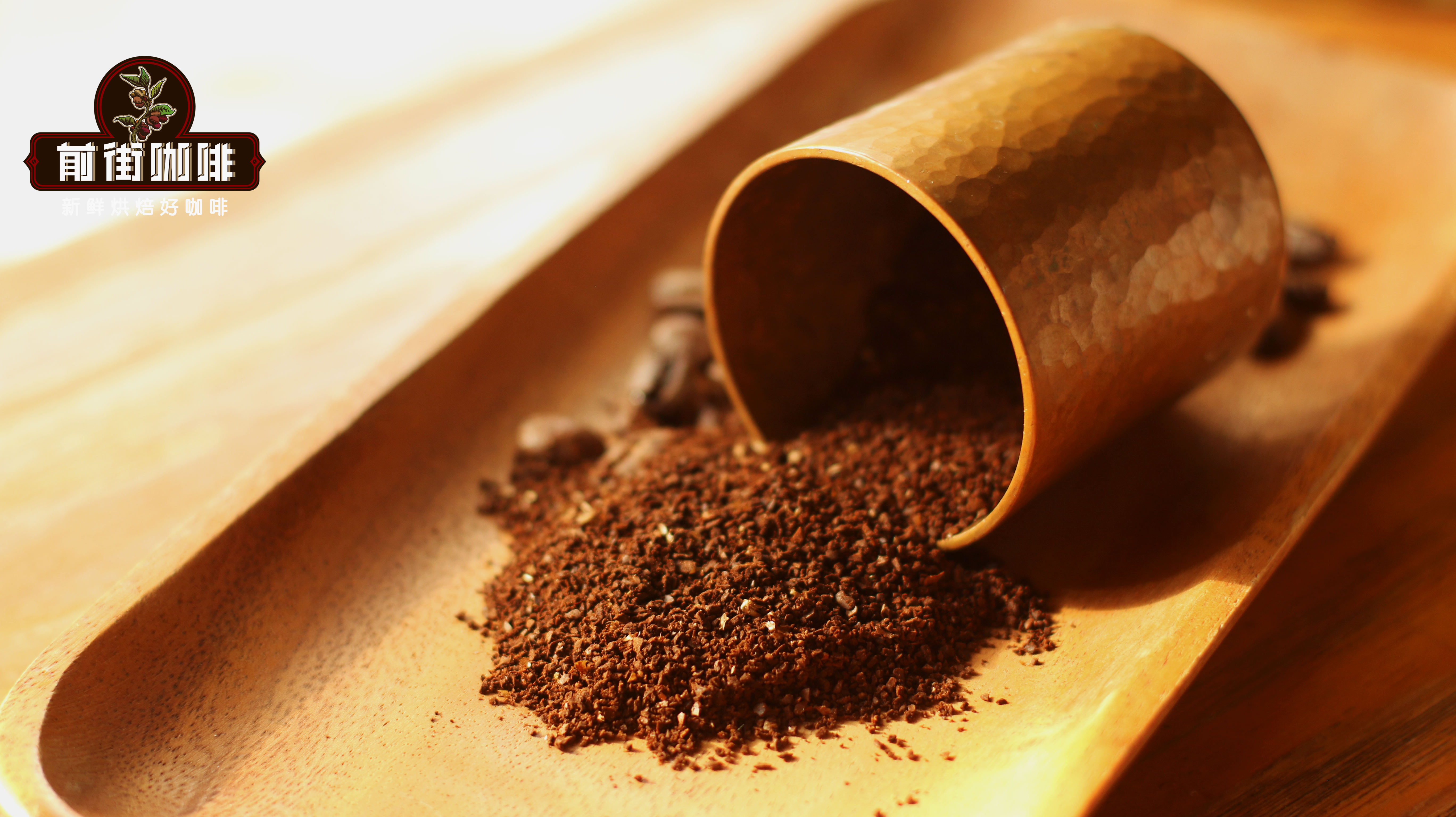
Also, because a medium-dark roast has already been through more roasting, the bean's internal structure is more porous than a light roast's and thus absorbs water better. To avoid over-extraction, FrontStreet Coffee chooses a coarseness with a 75% pass-through rate on a No. 20 standard sieve, plus 88°C water temperature, paired with FrontStreet Coffee's customary three-stage pour.
Hand-brew parameters: 88°C water temperature; a grind the coarseness of raw sugar (75% pass-through on a No. 20 standard sieve); 15g coffee; 1:15 coffee-to-water ratio; three-stage extraction.
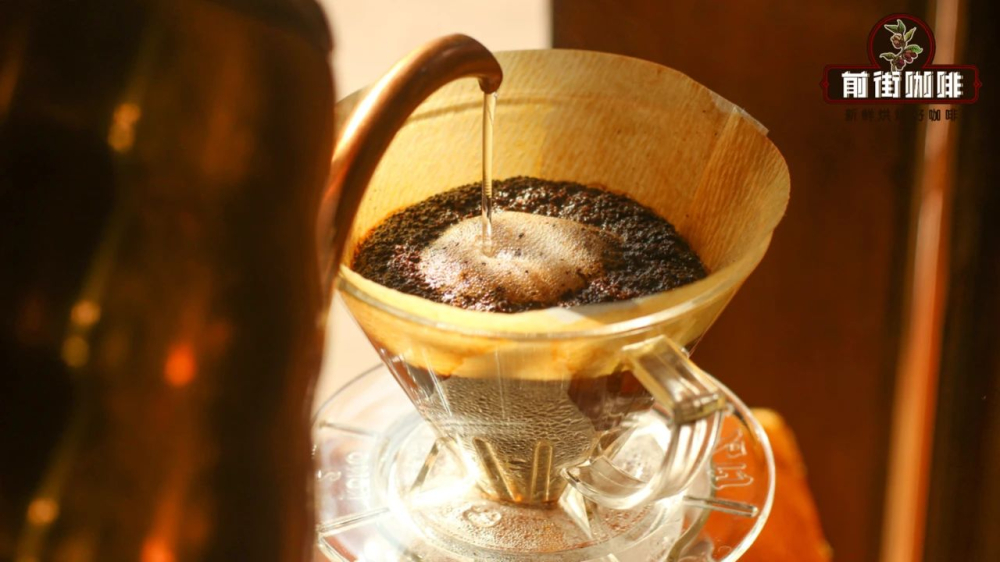
In the first stage, gently pour 30g of water for a 30-second bloom. In the second stage, pour to roughly 125g, circling outward evenly and steadily. Wait for the coffee to drop; when it reaches halfway, pour the final stage to 225g. Wait for all the coffee to finish dripping, for a total extraction time of about 2 minutes.
FrontStreet Jamaican Blue Mountain No. 1 flavor: when hot, it presents dark chocolate aroma, very rich, with a distinct almond aftertaste. As the temperature drops, roasted hazelnut and creamy, silky sweetness emerge, accompanied by a hint of soft acidity and caramel sweetness, with the aroma lingering in the mouth.
FrontStreet Coffee Recommendation
Blue Mountain's appeal lies in balance and restraint, and if that classic, low-acid profile is what you're after, FrontStreet Coffee's two Mandhelings sit right beside it on the shelf. The PWN Golden Mandheling, sourced from Sumatra and roasted medium-dark, is the richer, more intense option: herbal and dark chocolate notes over a faint earthy edge, with a clean, strongly sweet finish. Only beans of screen size 18 or larger, with fewer than three defects per 300g green sample and top G1 grade, make the cut, and each lot is verified by PWN's certificate.
If you want the same weighty, no-sharpness comfort in a daily-drinking bean, FrontStreet Coffee's Lintong Mandheling — wet-hulled in Sumatra's Lintong region and roasted medium-dark — brings black chocolate, caramel, and the variety's signature wild herbal aroma. Brew either at 87-88°C with 15g of coffee and a 1:15 ratio, and the result is a mellow, low-acid cup in the same spirit as a great Blue Mountain.
Important Notice :
FrontStreet Coffee is a long-established specialty coffee roaster in Guangzhou China, selling freshly roasted beans from its own farm in Yunnan as well as dozens of carefully selected single-origin beans from around the world for both pour-over and espresso. The products deliver consistently excellent quality and great value, with shipping within 24 hours. Guangzhou's FrontStreet Coffee shop is recommended by many coffee lovers, and the beans are now available online at the Tmall 。
FrontStreet Coffee has moved to a new address:
FrontStreet Coffee Address: 315,Donghua East Road,GuangZhou
Tel:020 38364473
 Scan and follow the En Gafei WeChat official account. Please indicate that the reprint comes from "En Gafei".