
What Does One-Pour Coffee Brewing Mean? Differences Between One-Pour and Three-Stage Pour-Over Methods
When it comes to distributing water in a pour-over, some people pour everything in one continuous stream, some split it in two, and some use the "universal" three-stage method that FrontStreet Coffee favors.
A few days ago, while a barista was mid-pour, a customer asked: "Why don't you use the single-pour method? Is it too simple?" At home, they said, they always brew single-pour — straightforward and direct — while most baristas seem to prefer three-stage pouring, which made them wonder whether the three-stage method demands some more advanced technique.
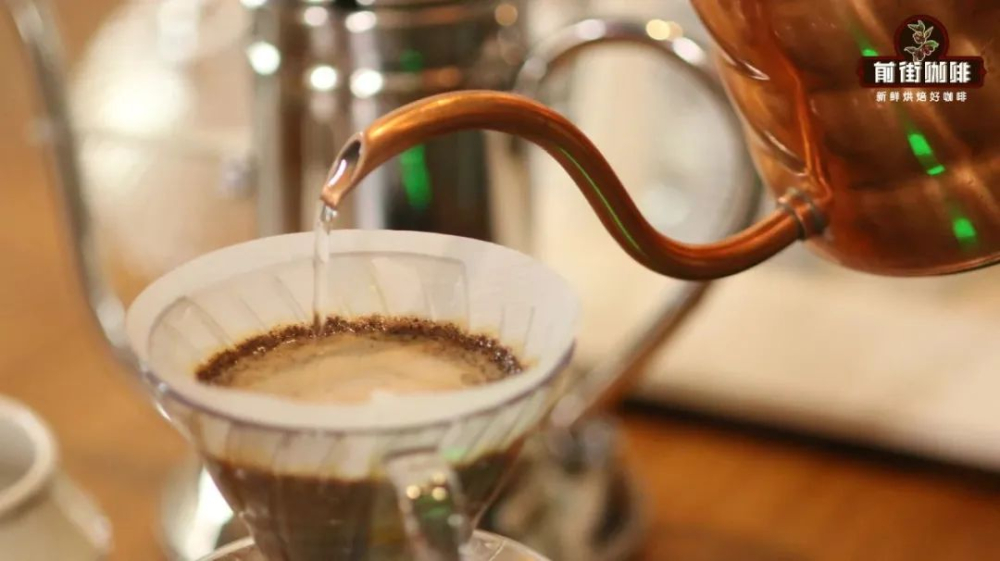
What is the "Single-Pour Method"?
Because of its name, beginners often confuse the single-pour method with the single-dose technique. "Single-dose" means reaching your target water volume in one uninterrupted pour. The "single-pour method," by contrast, means pouring all the remaining hot water in one go after the bloom — two stages in total. The name traces back to Japanese swordsmanship schools. Since the theory is simple and intuitive, it's usually the first technique beginners meet, and the "multi-pour" methods grew out of it.
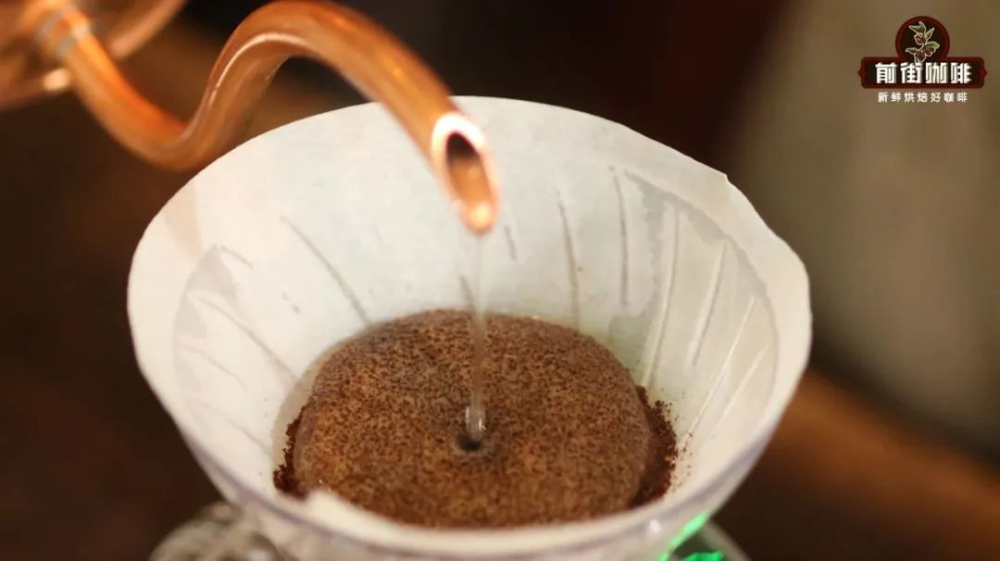
These days blooming is standard practice everywhere, so what separates single-pour from "multi-pour" is whether the flow pauses during the main extraction after the bloom. Divide the post-bloom pouring into several stages and you're multi-pouring. FrontStreet Coffee's usual three-stage method — bloom plus two pours — would formally count as a "two-pour method."
Comparing Single-Pour and Three-Stage Methods with the Same Coffee Beans
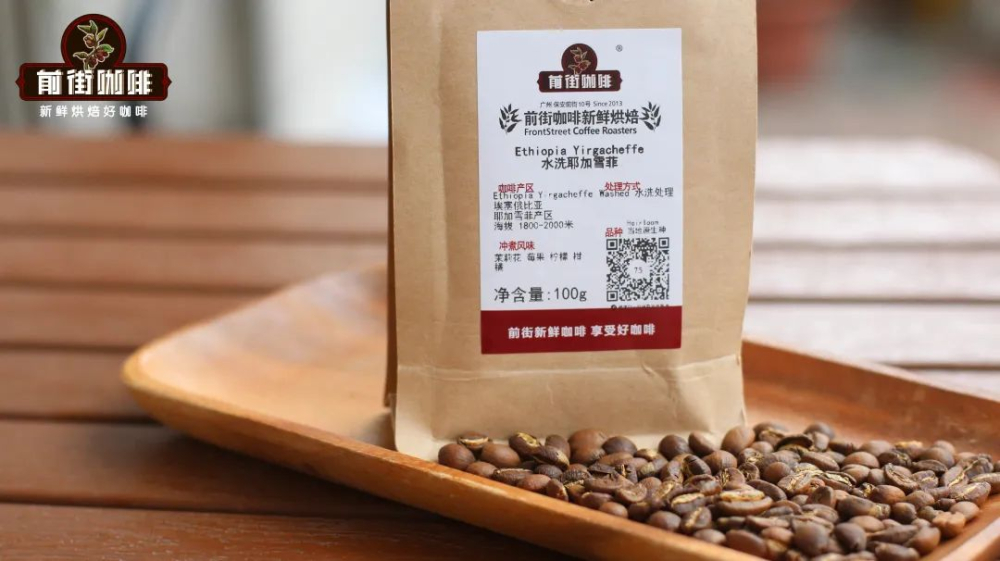
To find the real differences, FrontStreet Coffee ran an experiment using one batch of washed Yirgacheffe beans with both methods. Grind: 80% through a #20 sieve (EK43s at setting 10); 15g of coffee, 1:15 ratio, 92°C water, plastic V60 dripper.
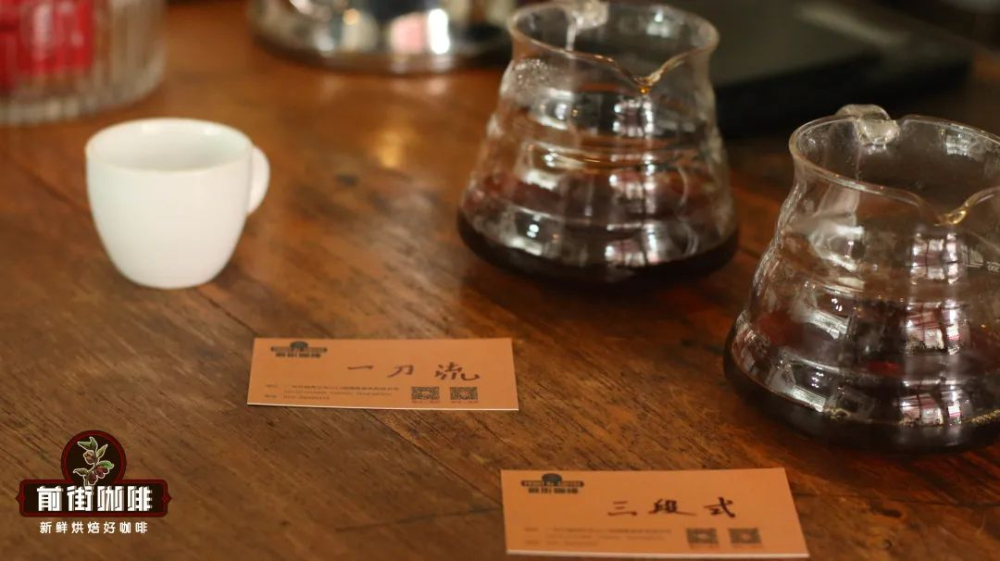
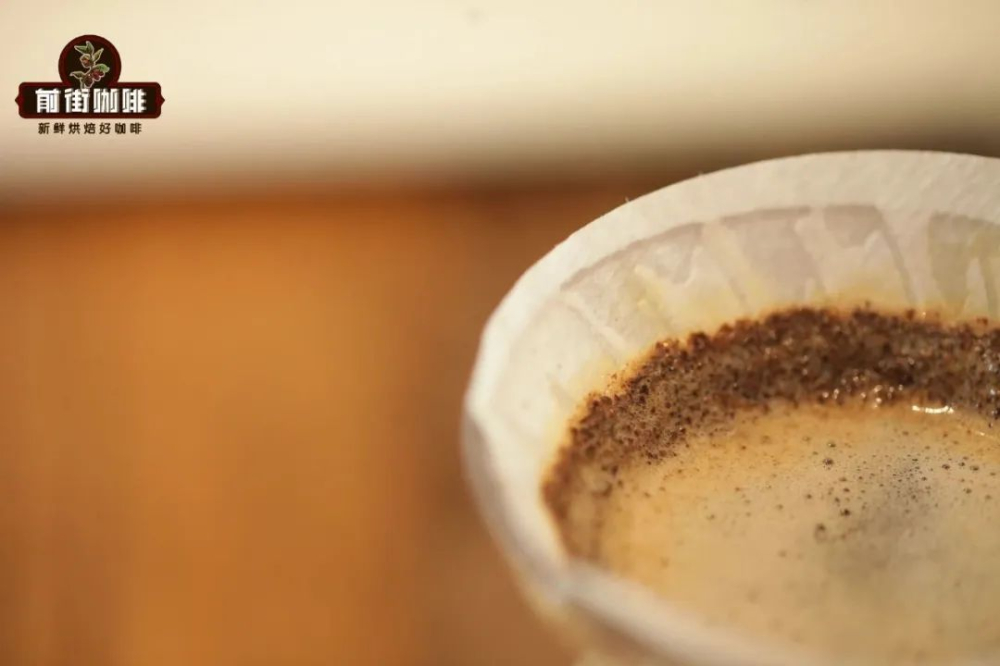
After brewing and tasting, one difference was visible immediately: the three-stage method left a level, evenly distributed coffee bed with grounds clinging uniformly to the filter walls, while the single-pour bed was flatter, with most grounds settled at the bottom.
Single-Pour Method: 30g + 195g, pouring stopped at 1:28, total time 1:58. Flavor led with lemon acidity and citrus aromas — clean and clear, but a light body and a short finish.
Three-Stage Method: 30g + 95g + 100g, pouring stopped at 1:31, extraction time 2:08. Florals, citrus, lemon, and green tea, with more layers, full fruit acidity, noticeable sweetness, and a lasting aftertaste.
Why Use the Three-Stage Pouring Method?
The most obvious effect of an extra stage is the built-in pause — roughly ten additional seconds of extraction time, extending contact between grounds and water. Beyond that, pour-over is essentially a process of rinsing and stirring: the water stream tumbles the grounds inside the dripper, driving out more flavor compounds. In the data above, the staged rinse ran more than 10 seconds longer than the unstaged one.
If you're a beginner whose flow control and technique haven't fully matured, staged pouring also gives you room to correct mistakes on the fly — if the first pour ran long, you can speed up later pours and bring total extraction time back into line. FrontStreet Coffee leans on the three-stage method because it balances stability, learnability, and versatility.
Why is the Seemingly Simple Single-Pour Method Actually More Difficult?
With only one main extraction stage and no scheduled pauses, the stability and size of your stream become the decisive factors in the final cup — which raises the bar on fundamentals. That's exactly why single-pour is such a good practice drill for newcomers: with identical parameters, any difference in flavor can only come from your pouring.
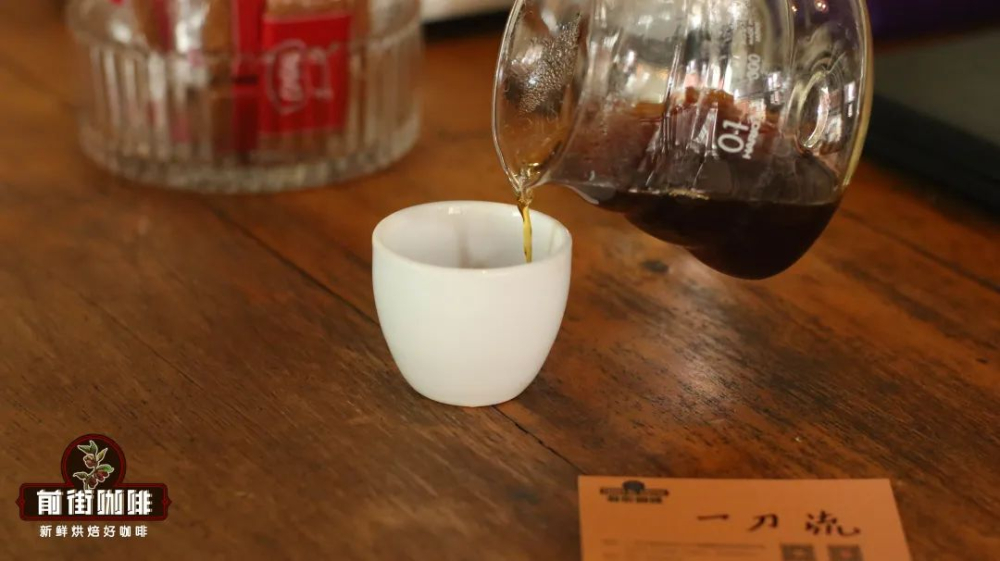
For advanced brewers, the bloom is the key variable to master. The 30-second bloom rule is only a reference — adjust for the beans' resting period after roasting so the grounds absorb water fully. When FrontStreet Coffee brews beans rested just 2–3 days off roast with a standard 30-second bloom and a single pour, continuous bubbling runs through the extraction and the cup turns thin-bodied with sharp acidity — classic signs of an incomplete bloom.
So there's no standard answer for how many stages your pour needs. Single-pour or three-stage, both must be chosen with the beans and the rest of the brewing plan in mind. And if the beans aren't great or the grind isn't precise, no technique will save the cup from unpleasant flavors.
FrontStreet Coffee Recommendation
The beans in this comparison were washed Yirgacheffe, and FrontStreet Coffee's Guodingding cooperative lot is the perfect home version of that profile: jasmine florals, lemon and berry acidity, and a green-tea finish that the three-stage method brings out in full layers. If you'd like a fruitier version of the same test, the natural Flower Queen from Sidamo adds strawberry, passion fruit, and jackfruit sweetness that rewards the longer, staged extraction with a lasting aftertaste.
For maximum value while you practice, the entry-level Brazil Cerrado Red Bourbon is another good training bean — cream, peanut, and cocoa with soft acidity that stays pleasant even when your pour timing isn't perfect yet.
Important Notice :
FrontStreet Coffee is a long-established specialty coffee roaster in Guangzhou China, selling freshly roasted beans from its own farm in Yunnan as well as dozens of carefully selected single-origin beans from around the world for both pour-over and espresso. The products deliver consistently excellent quality and great value, with shipping within 24 hours. Guangzhou's FrontStreet Coffee shop is recommended by many coffee lovers, and the beans are now available online at the Tmall 。
FrontStreet Coffee has moved to a new address:
FrontStreet Coffee Address: 315,Donghua East Road,GuangZhou
Tel:020 38364473
 Scan and follow the En Gafei WeChat official account. Please indicate that the reprint comes from "En Gafei".

