Are Zero-Calorie Sweeteners Truly Healthy and Guilt-Free? WHO Refutes Their Claims!
WHO's New Guidelines on Non-Sugar Sweeteners
On May 15th, the World Health Organization (WHO) released new guidance on non-sugar sweeteners under the title "WHO advises not to use non-sugar sweeteners for weight control in newly released guideline." The recommendation: don't use non-sugar sweeteners for weight control or to reduce the risk of non-communicable diseases.
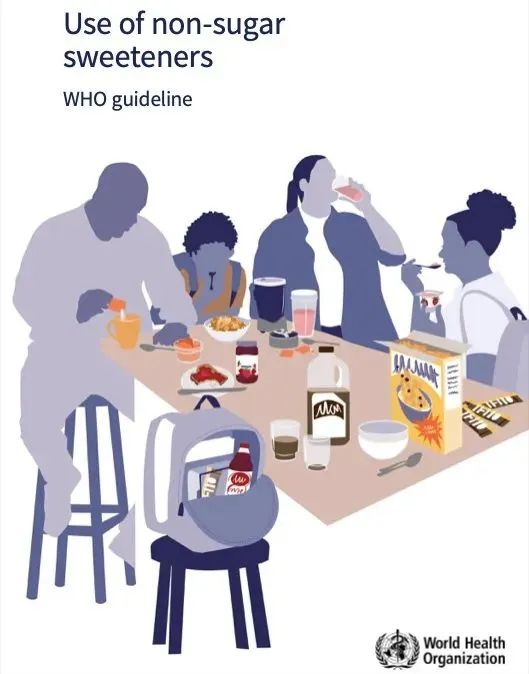
By now, "non-sugar sweetener" has become a shorthand label for healthy eating. Early marketing pitched them as sugar substitutes that deliver sweetness without the calories - wildly popular with consumers who want sweets without gaining weight. But the WHO's new guidance effectively strips the "healthy" label from most of these products. According to the organization, non-nutritive sweeteners (both natural and artificial) not only fail to help with weight loss, they actually raise the likelihood of obesity - and with it the risk of diabetes and cardiovascular disease.
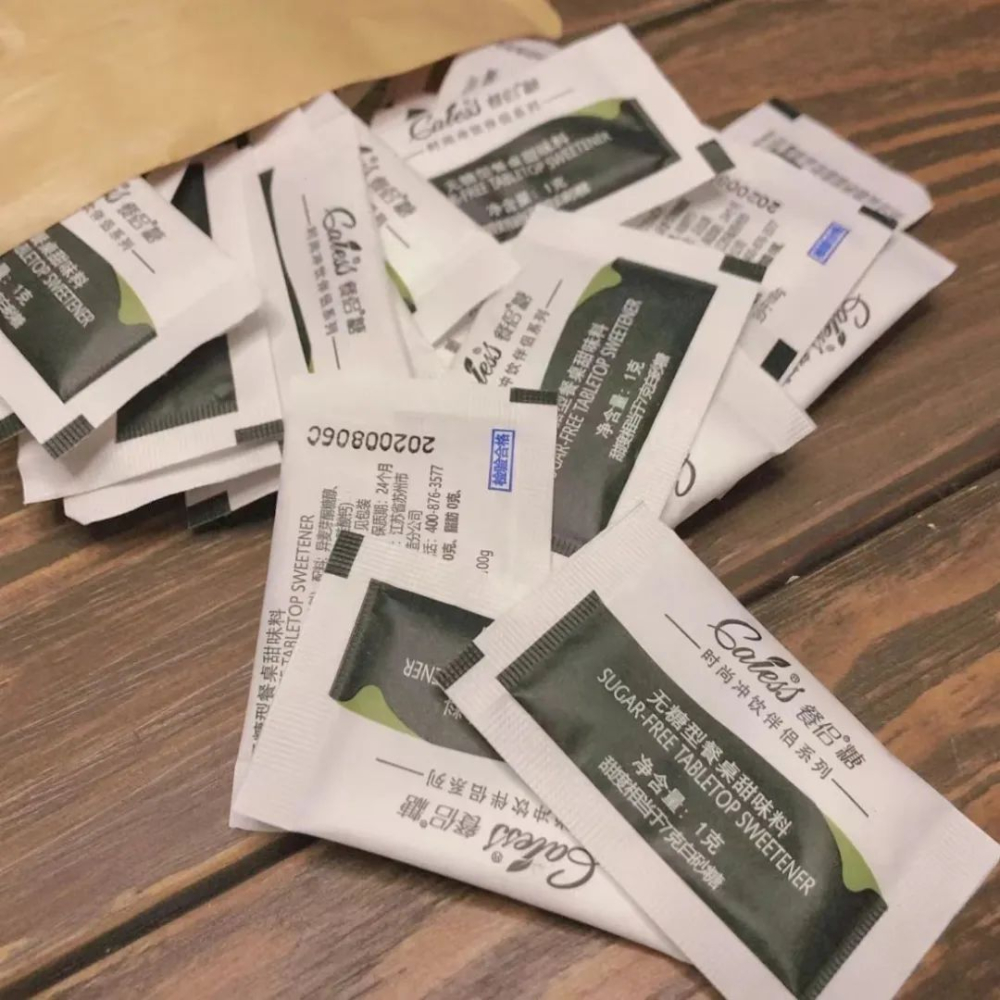
Types of Sweeteners and Health Implications
The unhealthy sugar substitutes above don't include sugar alcohols, which do provide some energy: glucose alcohol, xylitol, sorbitol, maltitol, erythritol, lactitol, and mannitol, among others.
So which sweeteners is WHO targeting? "Acesulfame potassium, aspartame, advantame, cyclamate, neotame, saccharin, sucralose, stevia and stevia derivatives."
Right now, sugar alcohols remain relatively expensive, and almost no zero-sugar products use them exclusively. More commonly, manufacturers rely on cheaper non-sugar sweeteners - or a blend of the two. And unless a product is purely sugar-alcohol based, long-term consumption of foods containing non-sugar sweeteners still isn't healthy.
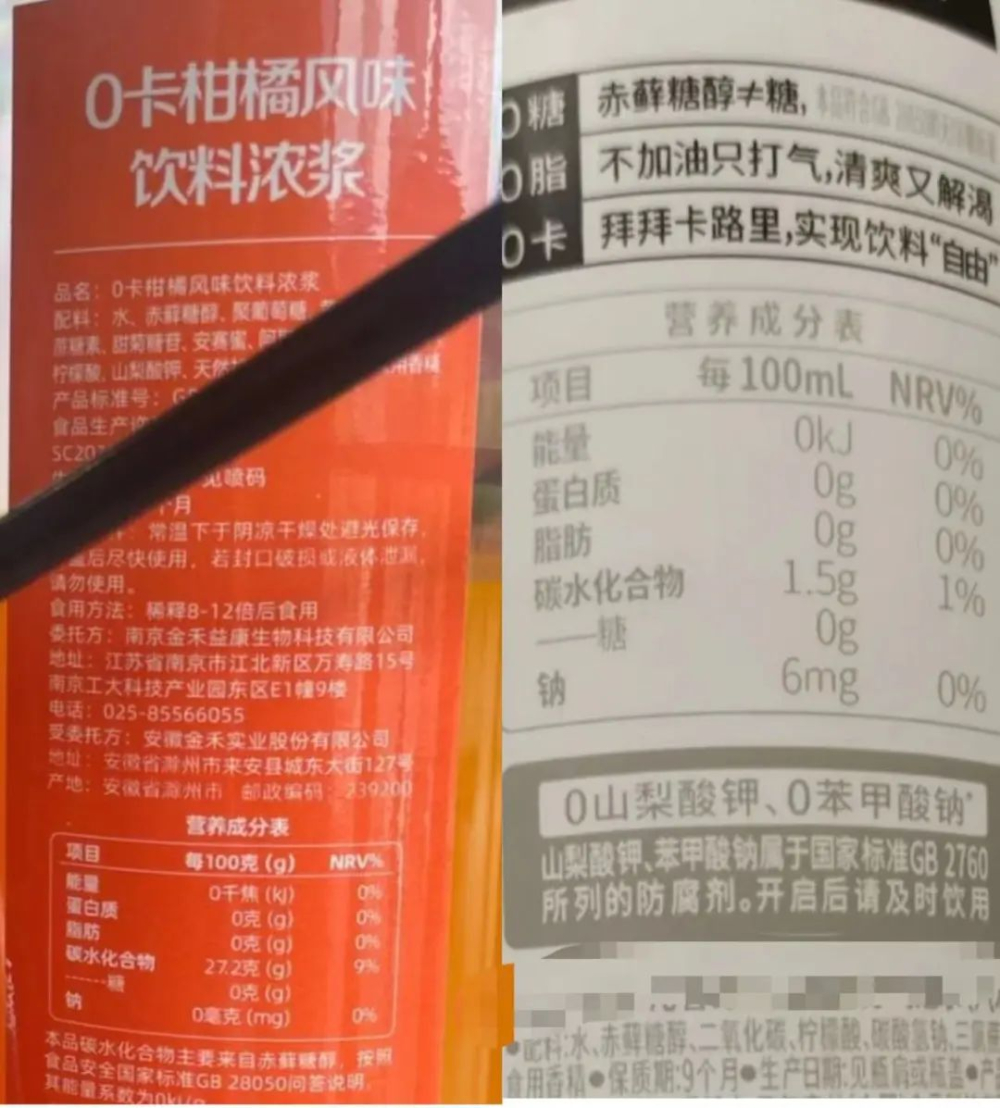
Take a stroll through any supermarket and check the ingredient lists of foods and drinks marketed as "zero sugar, zero calories." Many use a mixture of non-sugar sweeteners and sugar alcohols - some even highlight the sugar alcohols in their advertising while sucralose still lurks on the label. For years, sugar substitutes were assumed to be weight-neutral: since they contain no calories, swapping them for sugar was thought to lower total energy intake and create the calorie deficit that helps us lose weight.

Scientific Evidence and Mechanisms
But the WHO report cites prospective observational studies - with follow-up data stretching up to 10 years - showing that higher intake of non-sugar sweeteners is associated with higher BMI and increased obesity risk. Why? Because after consuming sugar substitutes, people tend to eat more. Recent reports suggest non-sugar sweeteners may interfere with energy metabolism, satiety, and hunger regulation through several mechanisms. In 2021, researchers at the University of Southern California published a study in JAMA Network Open on how artificial sweeteners affect brain activity and appetite, finding that sugar substitutes make it harder to feel full - potentially driving increased food consumption.
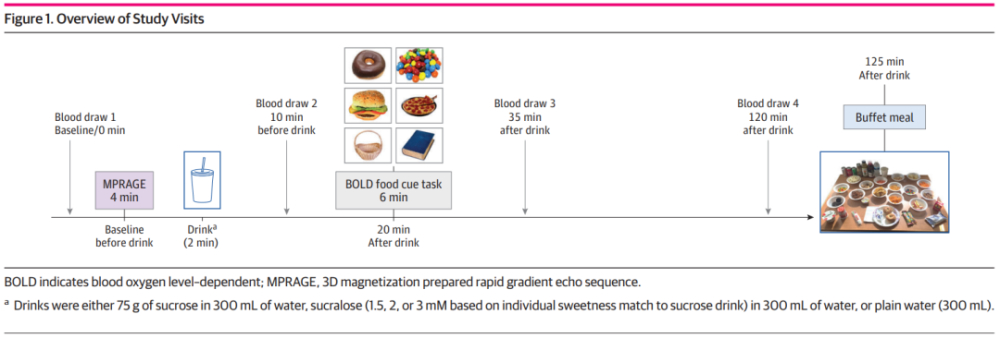
The experimental results showed that artificial sweeteners affect human neurology and behavior, potentially making people more sensitive to sweetness and more prone to hunger. And if appetite isn't well controlled, weight gain follows.
Original Purpose and Marketing Reality
Sugar substitutes were originally developed to help diabetic patients stabilize blood sugar, and they do serve as a short-term weight-loss intervention. That doesn't mean products containing them can be consumed freely - yet much of the food industry promotes sugar-substitute products while quietly glossing over those caveats.
Conclusion and Recommendations
Note that the WHO guideline calls for reducing consumption, not outright prohibition. Real health and lasting weight loss come from changing your overall lifestyle and controlling total dietary energy - not from pinning hopes on any single product or shortcut. There are no shortcuts to weight loss.
FrontStreet Coffee Recommendation
If your real goal is sweetness without the additives, the most natural answer is a coffee that's sweet on its own. FrontStreet Coffee's Costa Rica Black Honey keeps the fruit's mucilage intact through the longest fermentation of any honey process, producing the deepest sweetness of the honey family: brew it medium-light and you'll find floral sweetness, grape, sweet orange, and liqueur chocolate in the cup.
For a naturally sweet espresso or moka pot brew, the Brazil Queen Estate offers roasted peanut and dark chocolate aromas with a lingering sweet finish and fine crema - no sweetener required. And the Strawberry Sugar Gesha Blend combines Costa Rica honey-process sweetness with Ethiopian florals, tasting of rose, strawberry candy, and dried blueberry whether you pour-over it, cold brew it, or pull it as a smooth, jam-sweet shot. Real sweetness, from real coffee.
Important Notice :
FrontStreet Coffee is a long-established specialty coffee roaster in Guangzhou China, selling freshly roasted beans from its own farm in Yunnan as well as dozens of carefully selected single-origin beans from around the world for both pour-over and espresso. The products deliver consistently excellent quality and great value, with shipping within 24 hours. Guangzhou's FrontStreet Coffee shop is recommended by many coffee lovers, and the beans are now available online at the Tmall 。
FrontStreet Coffee has moved to a new address:
FrontStreet Coffee Address: 315,Donghua East Road,GuangZhou
Tel:020 38364473
 Scan and follow the En Gafei WeChat official account. Please indicate that the reprint comes from "En Gafei".