
The Role and Characteristics of Espresso Pre-infusion: Is Blooming Necessary for Making Espresso?
In pour-over coffee, blooming is a crucial step. It's no exaggeration to say that skipping the bloom injects all kinds of uncertainty into a pour-over—potentially producing a final cup whose flavor even the brewer can't predict.
Which raises a natural question: if blooming matters that much in pour-over, does espresso need it too?
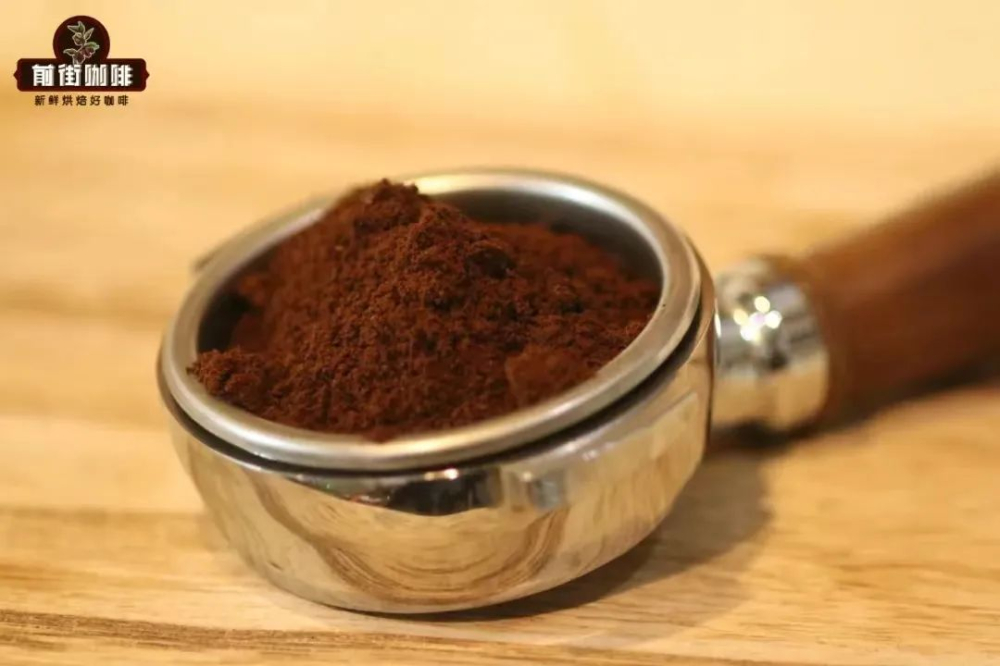
Traditionally, no. In espresso extraction the grounds are compressed into a compact puck, and rich coffee liquid is pressed out under 9 bar of water pressure—that's why espresso is famous for its stable, repeatable extraction. The classic recipe we all learned was simple: extract about 1 ounce of liquid within 20–30 seconds. In theory, as long as the three parameters—dose, yield, and time—held steady, the flavor could be reproduced consistently.
But as roasts for espresso have diversified and freshness has become the priority, espresso extraction isn't as inherently stable as it once was.
In the past, espresso beans rested for anywhere from half a month to a full month before use. Most of the active gases had already escaped, so properly rested beans changed little from shot to shot, and extraction stayed remarkably consistent.
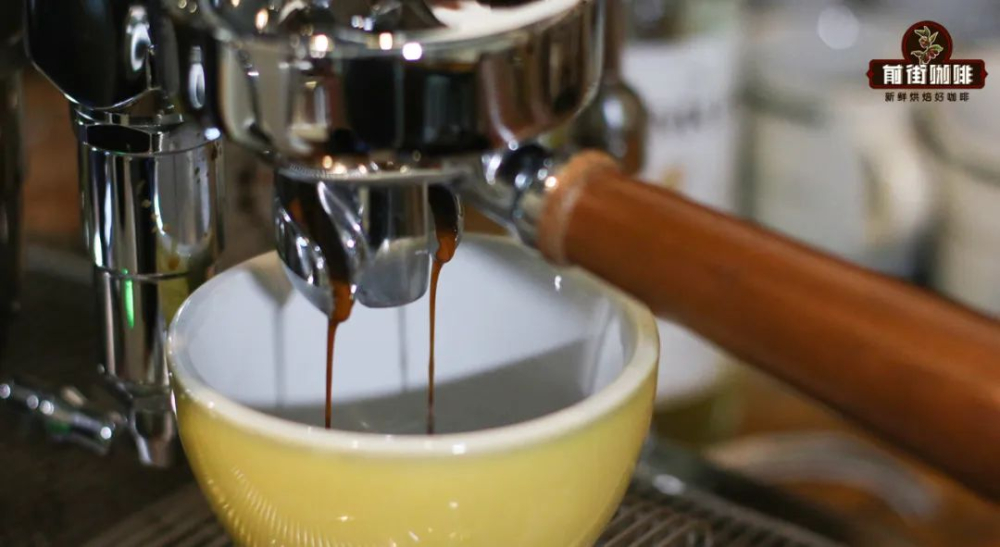
Nowadays, resting periods are shortened in the name of freshness. Beans may still be loaded with carbon dioxide at extraction time—which means coarser crema and less stable shots.
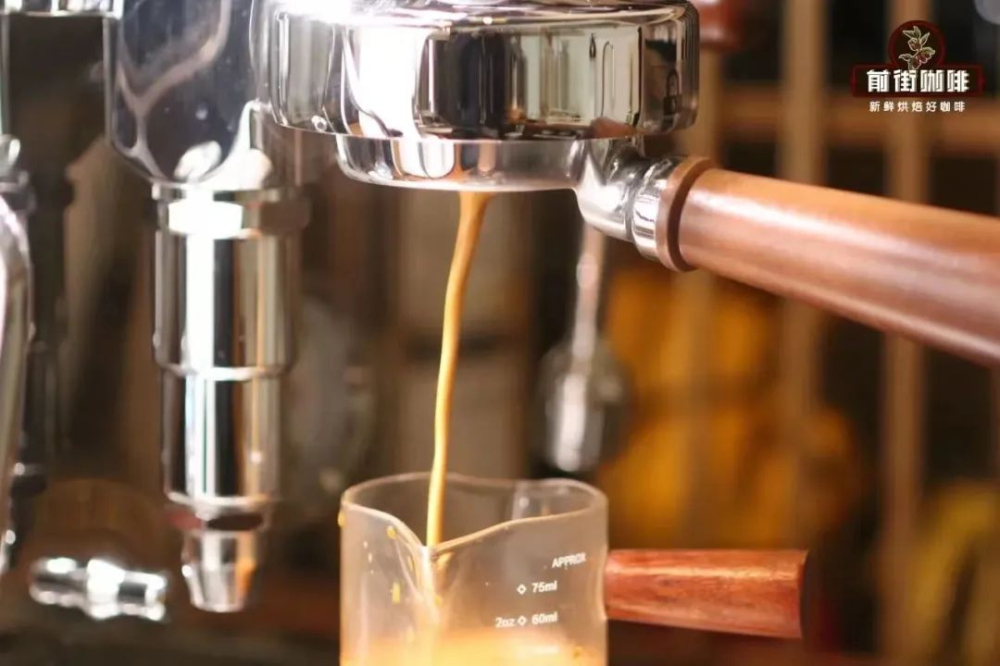
The Rise of Pre-infusion
Hence the growing popularity of a "pre-infusion" stage in espresso extraction.
Pre-infusion means starting the shot with unpressurized water flow after locking in the portafilter—wetting the puck, waiting a while, then beginning the actual pressurized extraction. Think of it as espresso's version of blooming.
The effects are obvious. First, it vents active gas: just as with under-rested beans, hyperactive carbon dioxide destabilizes extraction, so releasing it up front keeps it from interfering with the real shot.
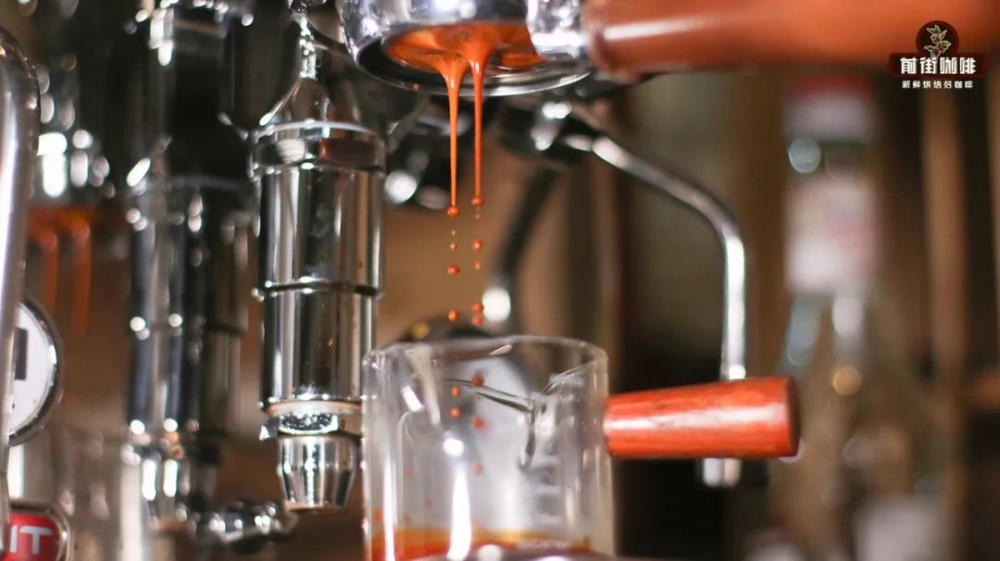
The Benefits of Pre-infusion
Second, it reduces channeling. Nine bars is a tremendous force—if the puck isn't distributed and tamped perfectly even, water columns will punch through the weaker zones. With pre-infusion, the puck absorbs water and expands, packing itself tighter and making channeling less likely.
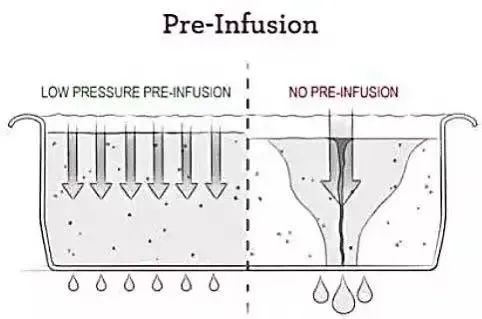
Third, pre-infusion frees espresso recipes from being a two-lever game. In the past, sharp acidity in the shot could only be addressed by changing grind size or ratio. Now pre-infusion is another dial you can turn to improve extraction efficiency downstream.
How to Pre-infuse
The prerequisite is a machine that supports it. Some machines offer one-touch pre-infusion; on others you have to do it manually. For manual pre-infusion, watch for the first drips to know when to stop the flow. FrontStreet Coffee watches through a bottomless portafilter—liquid typically starts seeping from the bottom between 3 and 4 seconds, so we stop the flow at the 3-second mark to begin pre-infusion.
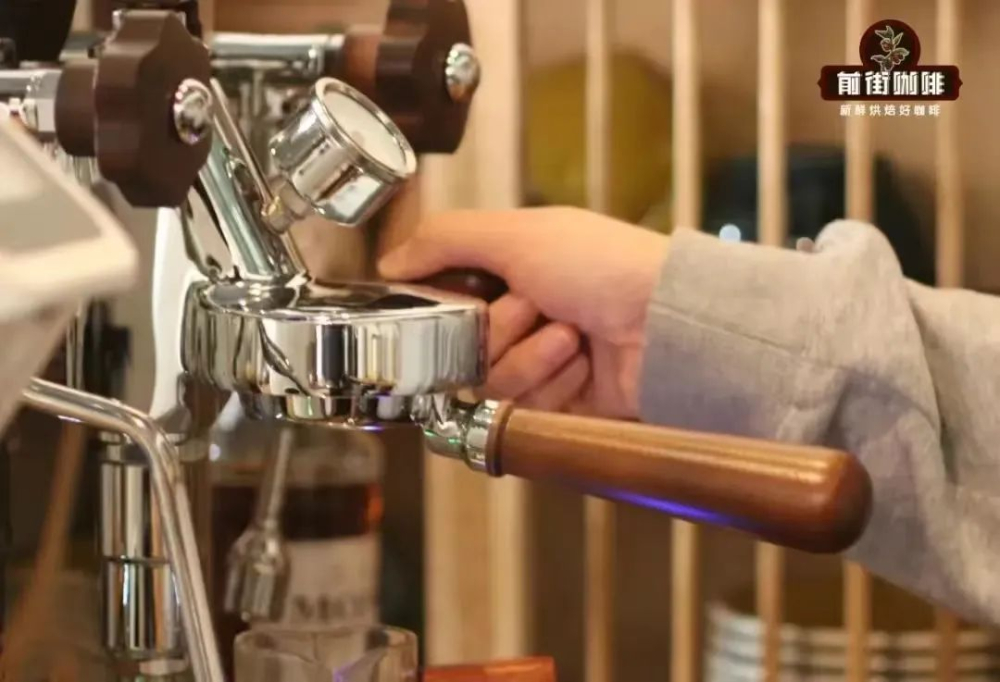
How long to pre-infuse before starting the real extraction? There's no standard answer. Five seconds, ten seconds, even thirty seconds—all depend on the beans' resting state and how the pre-infusion harmonizes with grind size and ratio to hit the flavor profile you want.
FrontStreet Coffee Recommendation
Pre-infusion shines brightest with fresh, lightly roasted beans. Two picks that benefit from it:
FrontStreet Natural Huakui SOE — a natural-processed Ethiopia from Guji Hambela, grown at elevations up to 2,300m and medium roasted to keep its florals while caramelizing sweetness. As an Americano or latte it offers cream, cocoa, berries, delicate florals and a black-tea finish. As a fresh single origin, it extracts far more evenly with a short pre-infusion.
FrontStreet Brazil Fazenda Rainha SOE — Yellow Bourbon from Brazil: low acidity, soft and mellow, with chocolate, nut and cream aromas and a balanced profile that supports very stable extraction. A great counterpart when you want shots that behave predictably without much fuss.
Important Notice :
FrontStreet Coffee is a long-established specialty coffee roaster in Guangzhou China, selling freshly roasted beans from its own farm in Yunnan as well as dozens of carefully selected single-origin beans from around the world for both pour-over and espresso. The products deliver consistently excellent quality and great value, with shipping within 24 hours. Guangzhou's FrontStreet Coffee shop is recommended by many coffee lovers, and the beans are now available online at the Tmall 。
FrontStreet Coffee has moved to a new address:
FrontStreet Coffee Address: 315,Donghua East Road,GuangZhou
Tel:020 38364473
 Scan and follow the En Gafei WeChat official account. Please indicate that the reprint comes from "En Gafei".

