
What are the defect flavors in coffee? How to identify and distinguish negative flavors in coffee tasting?

When people first get into coffee tasting, their attention almost always goes to the good stuff. Ask someone to describe a cup and the descriptors come easily: jasmine, lemon, strawberry, caramel, chocolate. But the moment a cup tastes off, the vocabulary collapses into "bitter," "off-flavored," or "something green and unripe."
Yet truly understanding coffee flavor means being fluent in the defects as well as the positives. At FrontStreet Coffee we find that a coffee's profile is best assessed along three dimensions: its volatile aromatics, its taste, and its mouthfeel. Negative flavors tend to show up in all three, and learning to name them precisely is what separates a casual drinker from a competent cupper. Below are the defect flavors you are most likely to encounter.

Astringency
Astringency is the drying, puckering sensation you get from unripe fruit — starfruit and green papaya are good reference points — or from chewing on grass. It is not necessarily repulsive, but it creates a rough, uncomfortable feeling in the mouth and throat, and how unpleasant it gets depends entirely on how intense it is. You will run into this taste most often in coffee harvested with many immature beans, in coffee roasted very light, and in brews where the cupper skipped cutting off the tail end of the extraction.
Over-Fermented Flavor
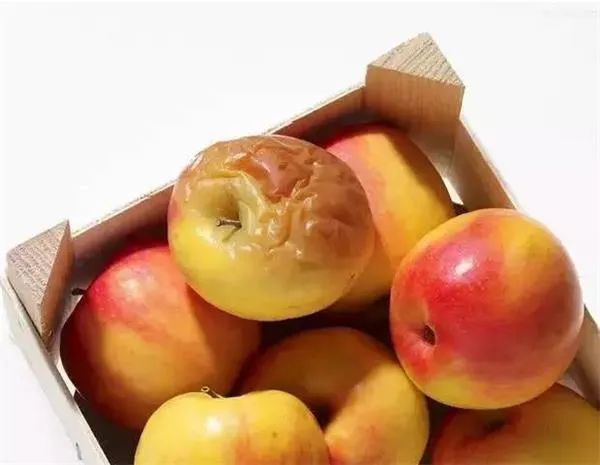
Over-fermentation is a category many drinkers have never consciously named, though the taste of a rotten apple will ring a bell. It is worth noting that fermentation notes are not automatically defects — a winey aroma or a jackfruit note can be genuinely pleasant. The trouble is that the line between jackfruit and rotten apple can be razor thin. When fermentation tips past the point of nuance, the flavors drift toward rotting fruit, fermented black beans, or miso soup, and that is when the cup is firmly in defect territory. This flavor typically comes from beans that went through an especially heavy fermentation process.
Miscellaneous Flavors
"Miscellaneous" is the catch-all bucket: essentially any unpleasant bitterness that shows up in a cup gets filed here. Because the label covers so many different sensations, it is not very informative on its own — whenever you use it, you should be able to say exactly which taste you mean. The most common offenders are these:
Earthy Flavor
This does not mean the coffee literally tastes like dirt. The reference point is the smell of earth after rain.

Woody Flavor
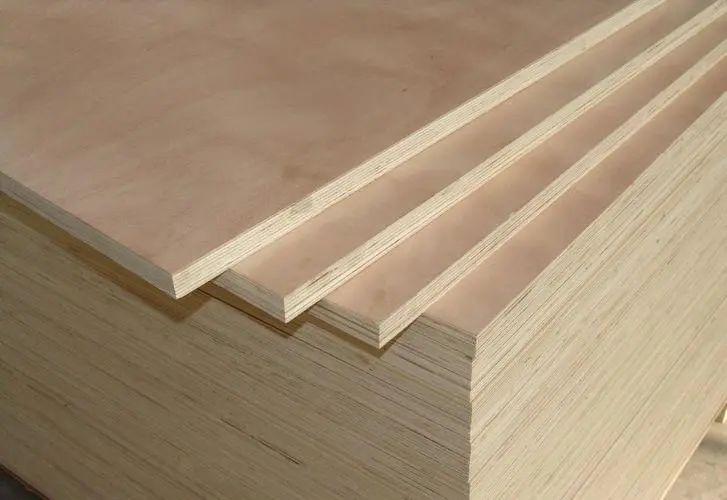
Think of the smell of a compressed lumber board or a pile of wood shavings. This flavor is usually the result of over-extraction. Be careful to distinguish it from cedar and pine aromas: certain Southeast Asian coffees naturally carry resinous, coniferous notes, and those count as positive flavors. The difference is roughly that between plywood and agarwood.
Smoky Flavor
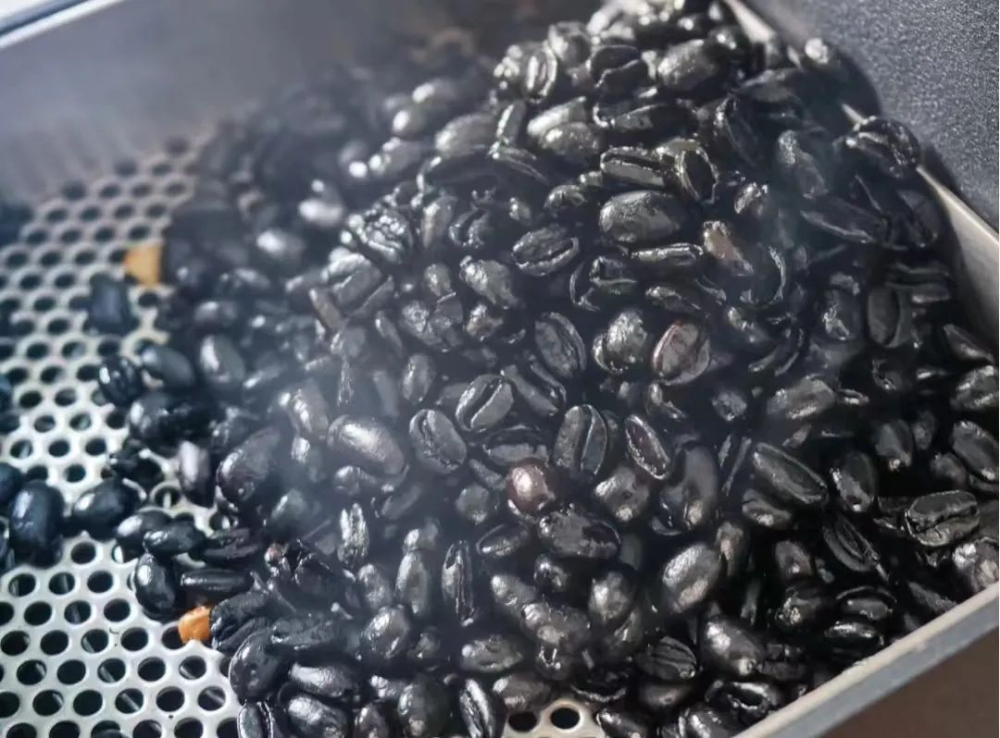
The sensation here is the acrid smoke given off by burning wood — the kind that makes you cough. It almost always traces back to a faulty roast.
Rubber Flavor
Rubber notes come from sulfurous compounds; the classic reference is the pungent smell of a tire. This defect shows up most readily in Robusta beans.
Medicinal Flavor
This is the bitterness of plant alkaloids — imagine the taste of a white pill. In coffee it is frequently misidentified as a burnt bitterness.
Charcoal Flavor
Charcoal is the scorched, bitter taste of food that has been cooked past carbonization. It tends to appear in dark roasts or in brews that were extracted far past the point of reason.
Musty Flavor
Mustiness recalls the smell of clothes left through a long rainy season. It is rare in coffee, but when it does appear the usual culprits are moldy or black beans mixed into the lot, or roasted beans that have been sitting on the shelf for more than six months.
FrontStreet Coffee Recommendation
Balance Starts with the Roast: Three Beans Worth Trying
Roasting determines the final balance of three elements: acidity, sweetness, and bitterness. The darker the roast, the more bitter and full-bodied the coffee becomes; the lighter the roast, the more acidic and lighter-bodied it is. For drinkers who want that sweet spot in between, medium roast beans are the natural starting point.
FrontStreet Coffee's Queen Estate coffee from Brazil is a good example. Produced in the world's largest coffee-producing country from the local Yellow Bourbon variety, it offers a gentle, lingering sweetness, and at a medium roast it shows notes of creamy peanut, chocolate, toasted bread, and sugarcane. It works equally well as a pour-over, or through a moka pot and espresso machine. If you prefer something sweeter, the FrontStreet Strawberry Candy Geisha blend pairs a honey-processed lot from Costa Rica with a washed Geisha from Panama; the medium roast draws out both orange-blossom honeyed character and a rounded sweetness, and it suits cold brew, pour-over, and espresso alike. And for a taste of classic Yunnan small-bean character, the FrontStreet 2013 Natural Typica delivers soft notes of nuts, brown sugar, black tea, and dried apricot at a medium roast, with an excellent price-to-quality ratio.
Finally, no medium-roast shortlist is complete without FrontStreet Jamaica Blue Mountain No.1. Grown from Typica, one of the world's most celebrated Arabica varieties, Blue Mountain benefits from exceptional growing conditions that make its famous balance possible. The medium roast melds its distinctive acidity, bitterness, sweetness, and body into an elegant, aromatic cup, opening with flavors of chocolate, roasted nuts, cream, and caramel — a profile few other coffees can match.
Important Notice :
FrontStreet Coffee is a long-established specialty coffee roaster in Guangzhou China, selling freshly roasted beans from its own farm in Yunnan as well as dozens of carefully selected single-origin beans from around the world for both pour-over and espresso. The products deliver consistently excellent quality and great value, with shipping within 24 hours. Guangzhou's FrontStreet Coffee shop is recommended by many coffee lovers, and the beans are now available online at the Tmall 。
FrontStreet Coffee has moved to a new address:
FrontStreet Coffee Address: 315,Donghua East Road,GuangZhou
Tel:020 38364473
 Scan and follow the En Gafei WeChat official account. Please indicate that the reprint comes from "En Gafei".

