
With so many viral coffees, why has only Dirty remained on the permanent menu?
The Rise of Dirty Coffee: From Internet Sensation to Coffee Shop Staple
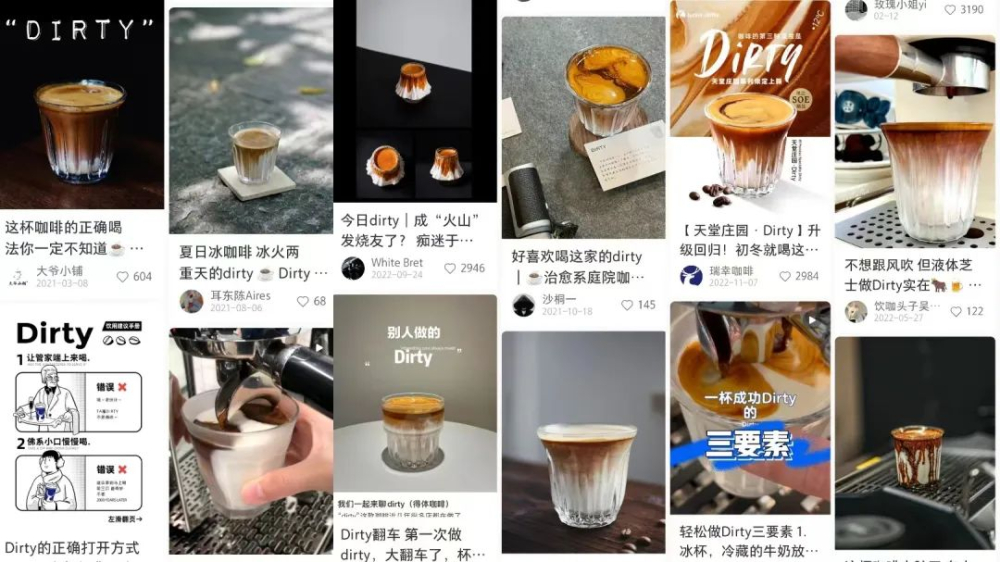
Once hailed as an "internet-famous coffee," Dirty has not lost its popularity but keeps appearing on social media, where it serves as a perfect photo prop.
Search "Dirty" on Xiaohongshu and you will find over 200,000 posts. Most are check-in records, along with plenty of how-to posts about home preparation, ingredients, and drinking methods. Each related tag has over 5 million views.
Beyond its online popularity, the offline market reflects its standing too. Many cafes that serve espresso drinks have kept Dirty on their permanent menus alongside the latte, which shows it has become a favorite representative of today's local specialty coffee market.
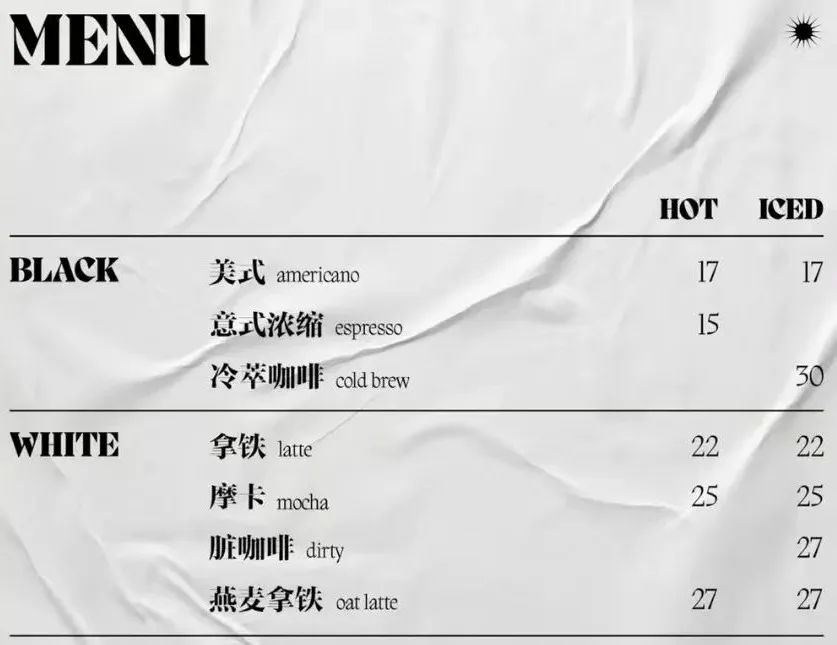
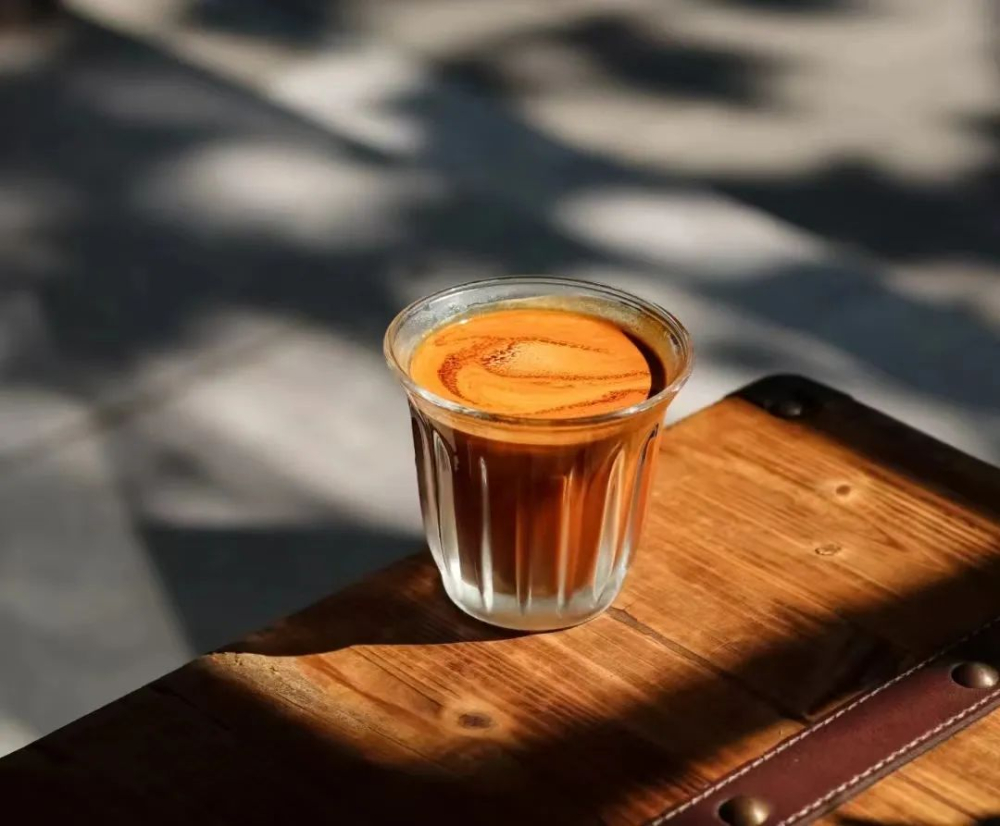
In China, many people first met coffee called "Dirty" around 2018-2019, when it was a popular trend under the "dirty culture" movement. Hot espresso poured over white iced milk creates beautiful layering and a unique hot-and-cold contrast that leaves a deep impression.
This kind of "layered coffee" first appeared in China at a Beijing cafe in 2014, inspired by the techniques of Hong Kong baristas. At the time it was still a niche drink. Later, as independent specialty cafes spread through major Chinese cities, the practice of pouring espresso over milk caught on widely among baristas and collected various Chinese names such as "Amber," "Stain," "White Night," and "Dirty Coffee."
The Origins and Innovation of Dirty Coffee
The original creator of Dirty is actually Katsuyuki Tanaka of Japan. In 2009 he opened a cafe called Bear Pond Espresso in Kitazawa, Tokyo, and Dirty was a signature he created when it opened, listed on the menu as B.P Dirty.
The most distinctive feature of Katsuyuki Tanaka's B.P Dirty is his unique espresso, "Angel Stain." He extracts with a bottomless portafilter and judges the shot by eye, and the espresso leaves teardrop-like traces on the cup wall.
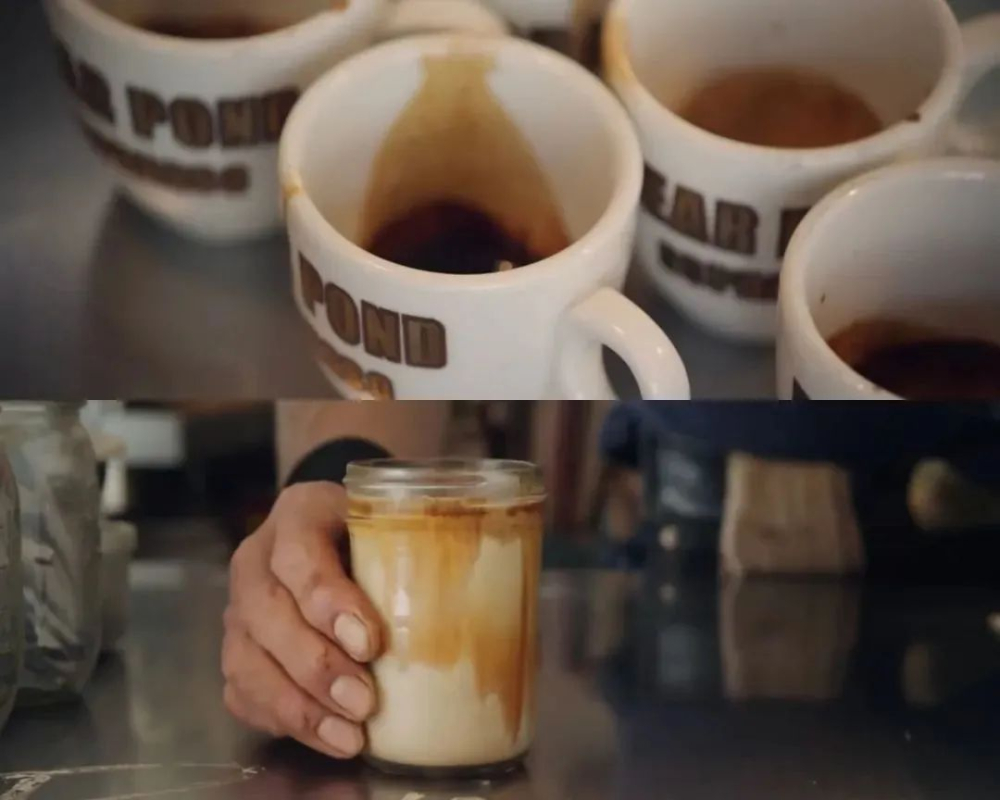
By combining a dark roast, a large dose, ultra-high concentration, and a low extraction rate, the double "Angel Stain" lets the B.P Dirty liquid sink slowly, so the glass needs no pre-chilling and the layering still holds. B.P Dirty did not become widely popular in Japan, however; it was picked up and adopted by some cafes in Hong Kong and Thailand.
The Evolution and Popularization of Dirty Coffee
Any discussion of Dirty's breakout moment has to mention frozen purified milk technology. "Ice Bock Dirty" directly drove its popularity and spread through the coffee market. For those who love rich milk coffee, Dirty satisfies both taste and eye, and the Ice Bock version lifts the richness of both coffee and milk to another level. Ice Bock and Dirty are therefore always mentioned together.
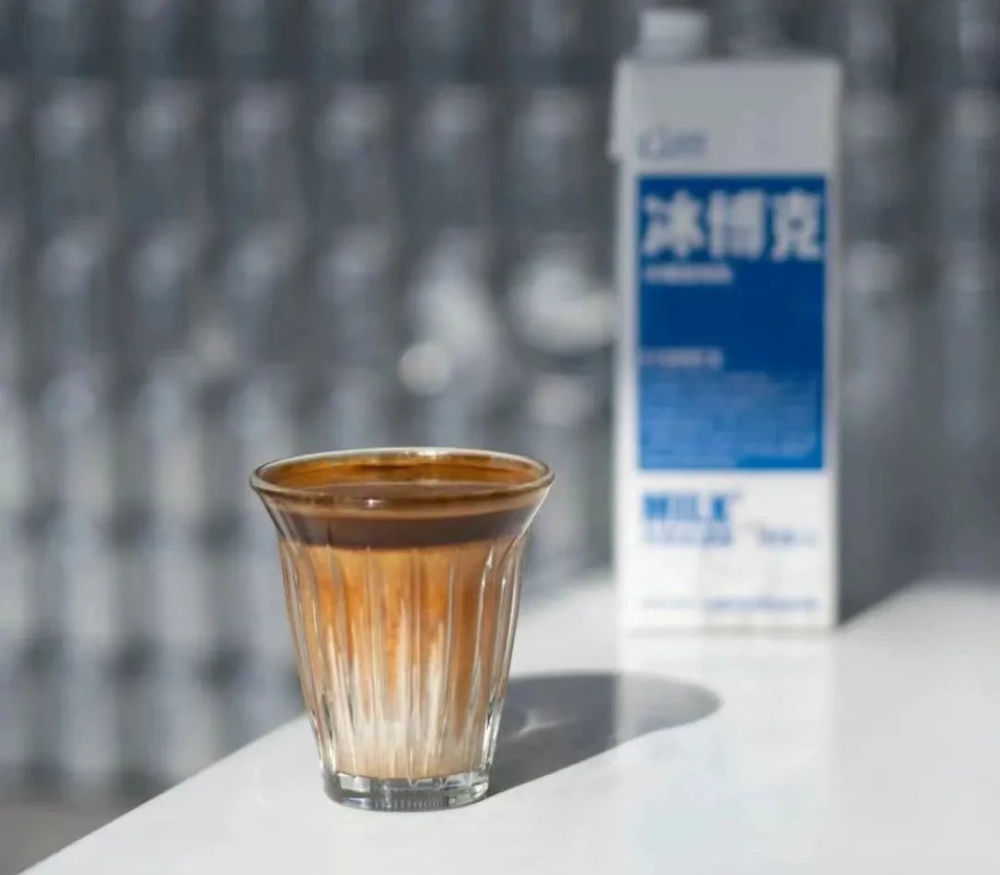
Creative specialty drinks appear on the market constantly, and most are built on a "milk coffee plus" approach: flavored syrups added to a latte base, or eye-catching elements layered on, without a real synergy where one plus one equals more than two, and sometimes even masking the coffee itself. Dirty instead makes coffee more pure. The simple combination of coffee and milk reflects the public's higher expectations for ingredient quality.
Never before has a coffee like Dirty accompanied the vigorous development of China's specialty cafes, growing from nothing into a classic on every cafe menu and reflecting the taste preferences of Chinese consumers.
Image source: Internet
FrontStreet Coffee Recommendation
Dirty lives or dies on a rich espresso base plus good milk, and FrontStreet Coffee's classic blend is built for exactly that. It uses the traditional Mamba recipe and its biggest strength is crema: even a beginner with a non-professional home machine can pull a dense, fine crema. Lattes, cappuccinos, and Dirty all depend on that crema, and the classic blend is mellow and rounded enough for both newcomers and seasoned drinkers, at home or in a shop.
If you want the same crema at a lower price, FrontStreet's Black Cocoa Blend is 100% Arabica with plenty of crema and a full body, designed for value and a natural fit for anyone opening a shop. For a fruitier direction, FrontStreet's Strawberry Candy bean is a popular fruit-forward espresso blend that recreates a vivid strawberry-gummy sweetness from the natural flavors of Arabica beans across several origins; it suits everyday home drinking and cafe output, and is a strong choice for milk drinks that need to stand out from the crowd.
FrontStreet's Specialty Blend has been the house espresso for close to ten years and carries the core Americano and latte menu. It pairs Brazilian Cerrado with Colombian Huila for a familiar, classic espresso profile, and works just as well at home as it does in a store.
Important Notice :
FrontStreet Coffee is a long-established specialty coffee roaster in Guangzhou China, selling freshly roasted beans from its own farm in Yunnan as well as dozens of carefully selected single-origin beans from around the world for both pour-over and espresso. The products deliver consistently excellent quality and great value, with shipping within 24 hours. Guangzhou's FrontStreet Coffee shop is recommended by many coffee lovers, and the beans are now available online at the Tmall 。
FrontStreet Coffee has moved to a new address:
FrontStreet Coffee Address: 315,Donghua East Road,GuangZhou
Tel:020 38364473
 Scan and follow the En Gafei WeChat official account. Please indicate that the reprint comes from "En Gafei".

