
Why Isn't Turkish Coffee Filtered? Understanding Its Extraction Method and Unique Flavor Characteristics
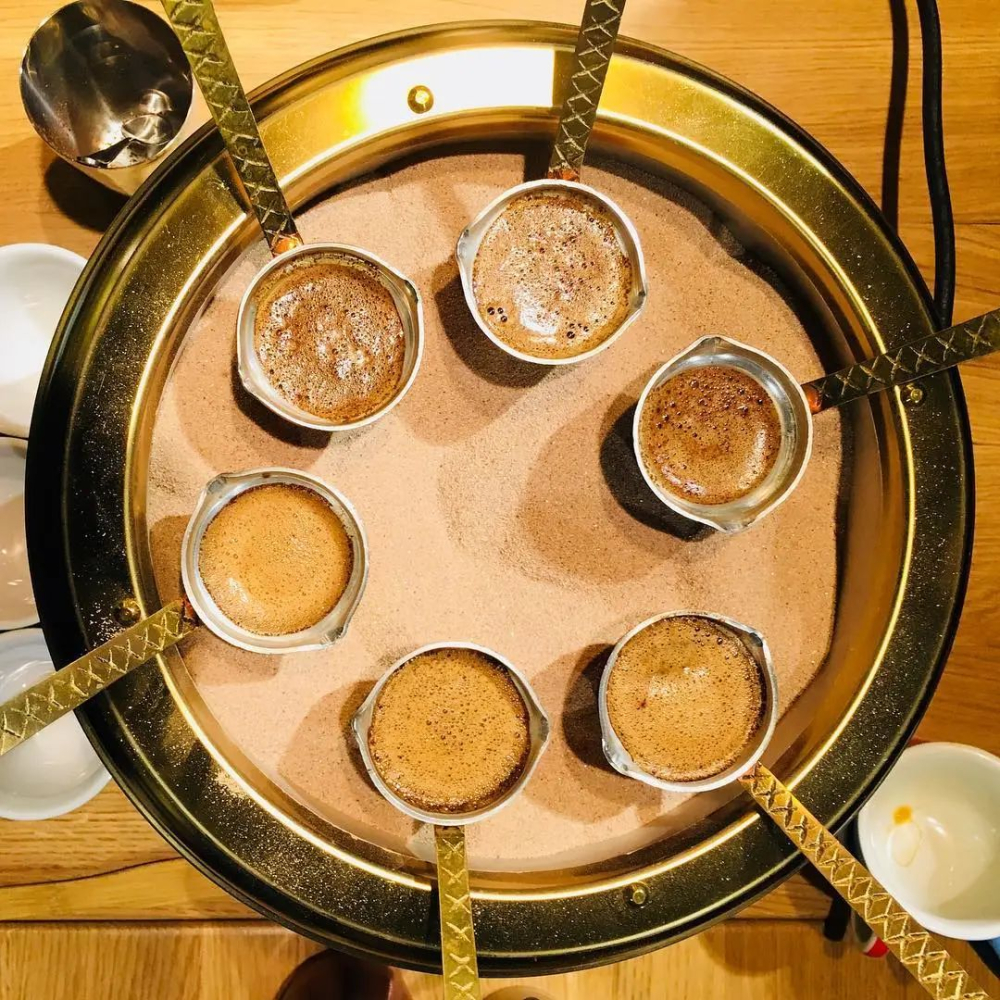
Turkish coffee has won fans in all sorts of circles thanks to its exotic brewing style and the fortune-telling that follows the last sip. Yet in an era obsessed with clarity of flavor and texture, the "drink it all, grounds and everything" approach still leaves plenty of people hesitating.
The Origins and Cultural Significance

Turkish coffee dates back to the sixteenth century, when the Ottoman Empire conquered Yemen and carried coffee to the imperial capital of Constantinople. The Turks developed a taste for it, and today coffee is an indispensable part of Turkish culture, woven into important traditional ceremonies. The World Barista Championship (WBC) also hosts a World Turkish Coffee Championship every year, earning traditional Turkish coffee a place in the modern coffee community.
Brewing Method and Unique Characteristics
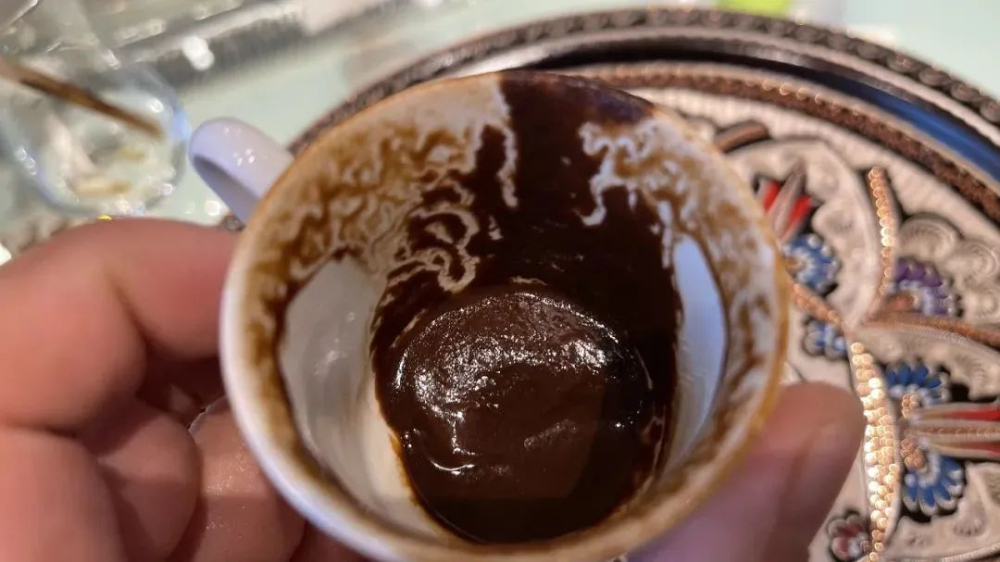
To make the drink richer, locals ground the beans with stone mills until the powder was as fine as flour, then boiled that powder with water. The result was a texture far better than they expected, and the method gradually spread across Turkey. Because the grounds are never filtered out, one of Turkish coffee's most distinctive traditions emerged: reading fortunes in the coffee residue left at the bottom of the cup.
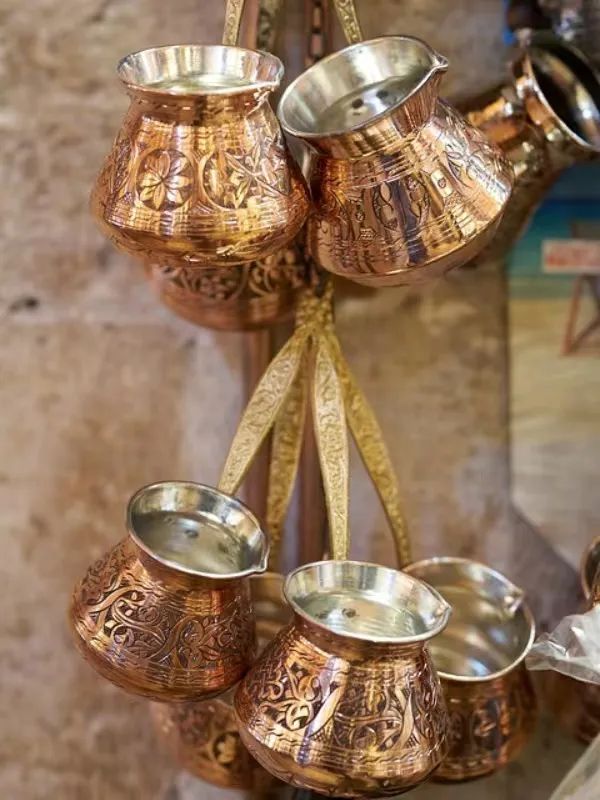
Traditional Turkish coffee is not prepared over an open flame but in a large basin of hot sand. The pot itself is a miniature copper vessel called a cezve, typically made of brass and noticeably heavy. It has a long handle attached to a narrow-mouthed cylindrical body, with walls 1-1.5mm thick, striking a balance between durability and even heat conduction.
The Brewing Process
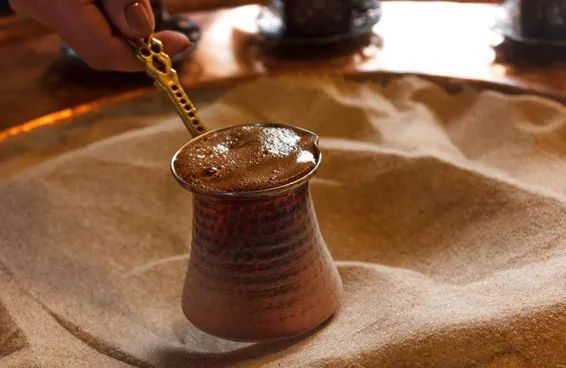
First, water and coffee powder go into the pot and are stirred together. The cezve is then buried in a sand tray that has been preheated. When the pot stays in one position, its heat conduction gradually drops off; the more it is moved, the higher the extraction efficiency and the shorter the time required. The slurry inside is brought to a rolling boil, and some is poured into the cup before it overflows. Heating then continues, and the process is repeated three times to produce a cup of thick black coffee.
Tasting Experience and Texture
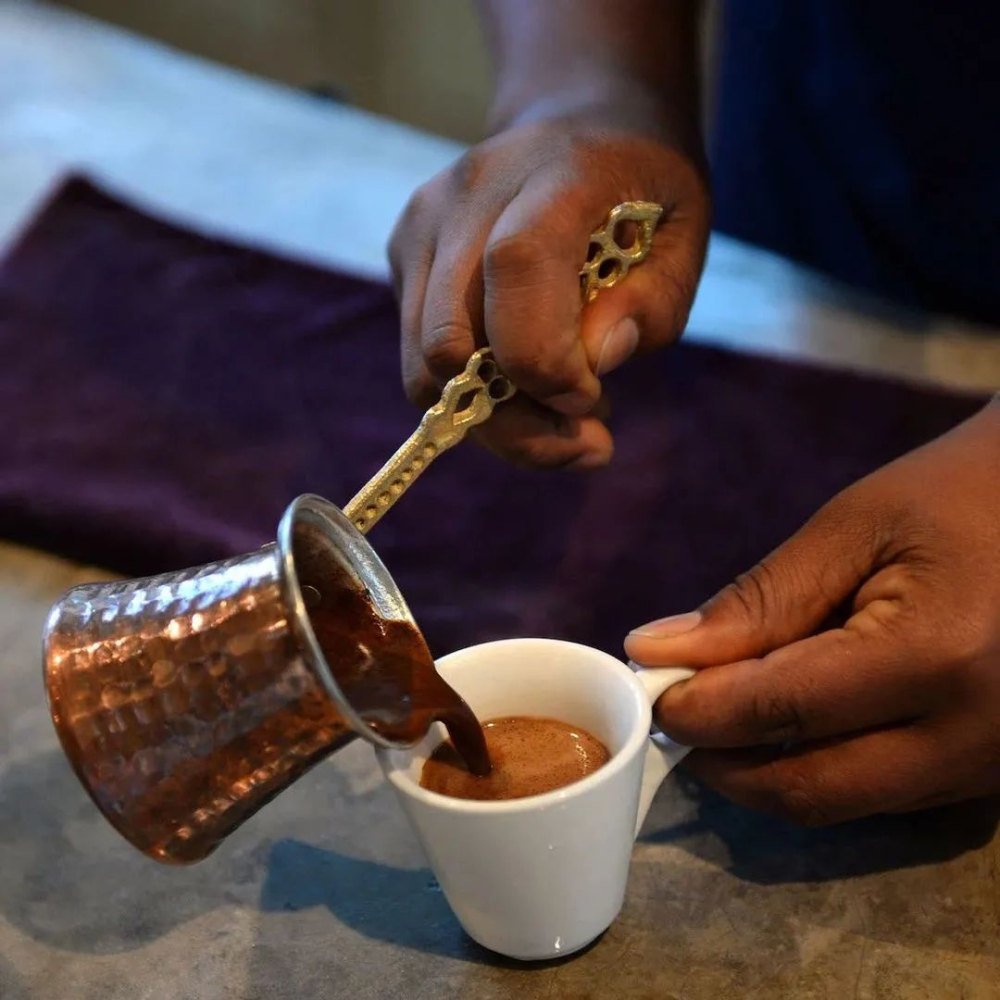
Freshly made Turkish coffee wears a layer of caramel-colored foam. At this point the liquid is scalding hot and full of suspended fine powder, so it is not ready to be drunk straight away. Let it rest and the grounds settle naturally; once the temperature drops a little you can take generous sips, taking in the deep coffee flavor and the grainy texture. When the extremely strong coffee is gone, a layer of thick, fine, soft residue is revealed at the bottom of the cup.
The Extraordinary Fineness of Turkish Coffee Grind
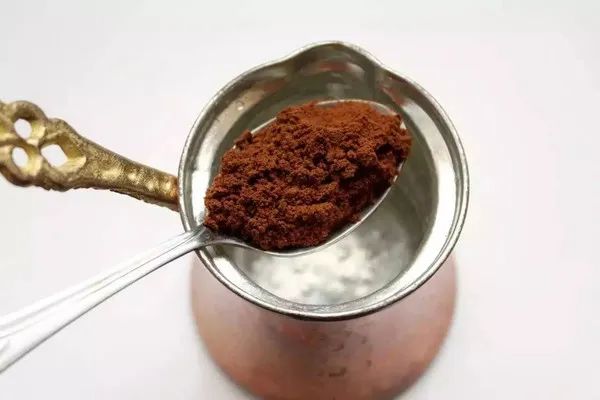
So how fine is Turkish coffee grind, exactly? Among all brewing methods, Turkish coffee uses the finest grind, also called ultra-fine. Visually it might be mistaken for espresso grind. Rub it gently between your fingers, though, and the difference shows: espresso grind still has some graininess, like powdered sugar, while Turkish grind is completely powdered, with each particle around 100-150 microns. A single average coffee bean can break down into 15,000-35,000 particles at that size.
The Science Behind the Texture
Thanks to that fine grinding, not only are the coffee's flavors extracted, but the drink also gains considerable thickness. If the grounds were filtered out, the liquid would turn clear, the "grainy texture" would vanish, and it would no longer be traditional Turkish coffee at all.
Grind Size and Extraction Control

Grind size has a major influence on extraction. Ultra-fine grinding is far more prone to over-extraction, and since Turkish coffee is prized for a bitter, intense taste, boiling it three times often produces exactly that. In the Turkish Coffee Championship, which places more emphasis on specialty flavors, baristas build their extraction plans around the beans they have chosen, steering the flavor by adjusting the coffee-to-water ratio, stirring frequency, and heating time.
FrontStreet Coffee Recommendation
Turkish coffee is usually built for depth rather than delicacy, so if you want to explore rich, low-acid profiles in a simpler setup, FrontStreet's Indonesia line is a natural fit. The Lindong Mandheling and the PWN Golden Mandheling are both wet-hulled, a method born of Sumatra's rainy climate, giving a cup that is dense, smooth, and full of herbal and spice notes, with far more intensity than a typical washed coffee.
For an entry point, the Brazil Cerrado Red Bourbon and the Queen Estate are gentle and balanced, with soft fruit acidity and a clean sweetness of cream, peanut, and cocoa; the Queen Estate, a rare Yellow Bourbon from a higher altitude, adds a sugarcane-like clarity to its buttery, macadamia character. If you prefer a floral, bright profile instead, the washed Ethiopia Gedingding brings jasmine, lemon, and berry, while the sun-dried Sidamo Huakui leans tropical with berry, honey, and fermented fruit sweetness.
Important Notice :
FrontStreet Coffee is a long-established specialty coffee roaster in Guangzhou China, selling freshly roasted beans from its own farm in Yunnan as well as dozens of carefully selected single-origin beans from around the world for both pour-over and espresso. The products deliver consistently excellent quality and great value, with shipping within 24 hours. Guangzhou's FrontStreet Coffee shop is recommended by many coffee lovers, and the beans are now available online at the Tmall 。
FrontStreet Coffee has moved to a new address:
FrontStreet Coffee Address: 315,Donghua East Road,GuangZhou
Tel:020 38364473
 Scan and follow the En Gafei WeChat official account. Please indicate that the reprint comes from "En Gafei".

