How to Perfectly Pour-Over Light Roast Coffee? Understanding Slow Flow and Water Pooling Issues

For pour-over lovers, pinning down the roast level of a coffee is the first step before building a recipe. Different roast levels behave differently during extraction. Light roast beans, precisely because they are roasted less, retain more floral and fruit aromas. Yet when brewed at home they often end up with nothing but monotonous acidity, which leaves you doubting yourself.
Do Light Roast Coffee Beans Only Have Acidity?
It is not hard to notice that in daily life, high-scoring, delicious light roasts all carry sweetness inside their acidity. Acidity and sweetness follow different trends during roasting, and roast level really does shape the balance between them.
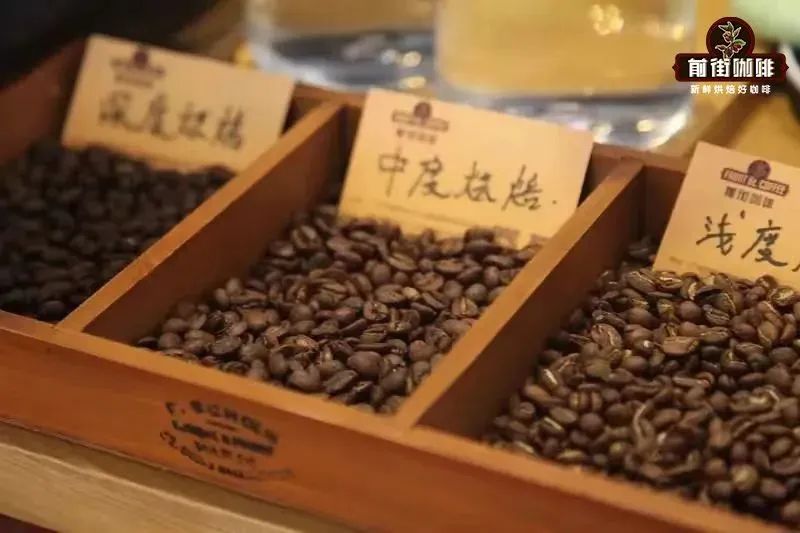
The darker the roast, the less acidity, which is why dark roast coffee has very low acidity. Sweetness runs the opposite way. Light roast beans start with very low sweetness, which rises rapidly with deeper roasting and peaks at medium-dark roast. Once past that peak, it gradually declines. That means light roast coffee indeed has more acidity than sweetness -- and our goal is to extract as much of its sweetness as we can.
Why Are Light Roast Beans Harder to Brew for Flavor?
During the blooming stage, medium-dark roast coffee often expands into a prominent dome, while the dome from light roast beans is less obvious. Extremely light roasts may not expand at all when water hits them. Typically, the lighter the roast, the less the bean's structure changes, the less carbon dioxide it holds, and the denser its texture. The grounds therefore absorb water poorly and need more thorough contact with water to release enough flavor compounds -- which calls for finer particles.
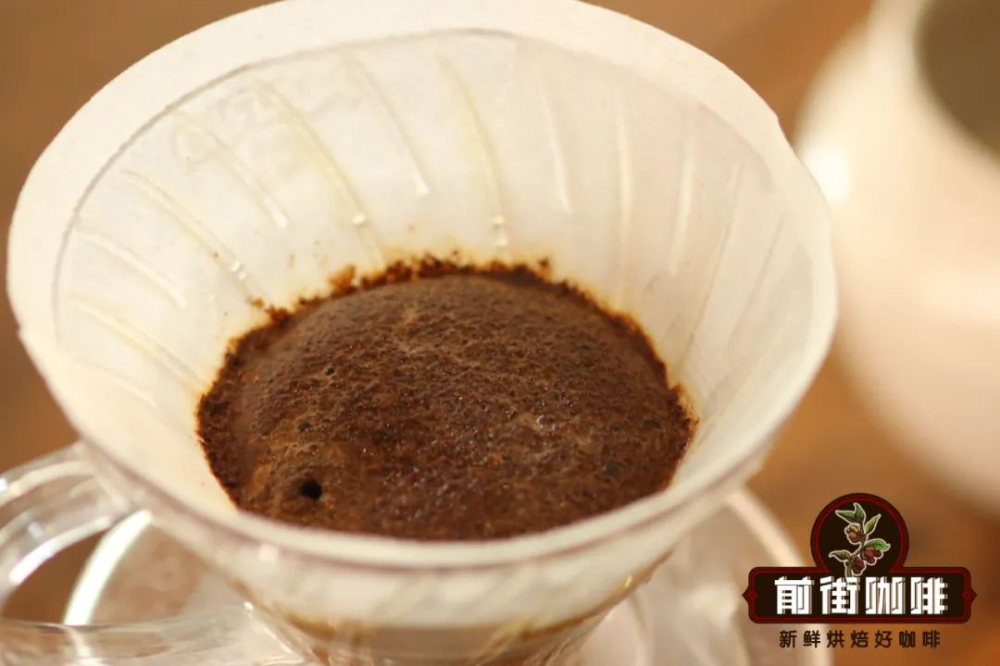
On top of that, beans chosen for light roasting are mostly specialty beans from high-altitude regions, graded at higher levels and relatively harder in texture. When using a hand grinder, lighter roasts take more effort to grind -- one way brewers can gauge a coffee's roast level.
Harder light roast beans tend to produce fine particles during grinding as they compress and burst. Combined with weaker degassing and less expansion, those fines are more likely to settle and compact at the bottom of the dripper in the later stages of brewing, causing blockage and raising the odds of uneven extraction. At that point we need brewing parameters and pouring techniques matched to light roast beans.
How to Brew Light Roast Coffee for Sweetness?
When coffee beans are ground and meet hot water, they release numerous compounds. The first to extract are fruit aromas and acidity, followed by the sugar compounds that create sweetness, and finally bitterness.
When the grind size is appropriate, FrontStreet Coffee does not recommend adjusting it just to get sweeter or more acidic flavors. For anyone who does not brew pour-over often, grind size is a very uncertain variable -- too coarse, too fine, and even the uniformity of the particles all affect taste. So if your current grind setting produces good coffee, do not simply change it to chase more sweetness (or acidity). Other, more controllable parameters can do the job instead.

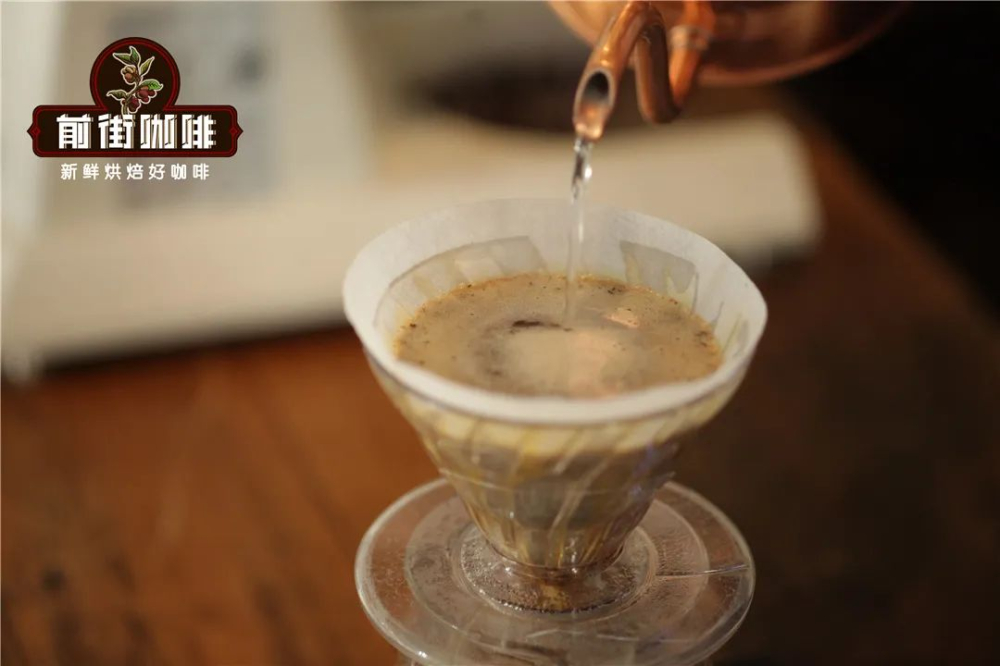
If you use a three-stage pouring method to boost sweetness, focus on the second stage of extraction. You can appropriately increase the water amount and agitation intensity there, while avoiding extraction of negative bitterness in the third stage. FrontStreet Coffee, for example, brews 15g of grounds at a 1:15 coffee-to-water ratio, using three water volumes of 30ml/125ml/70ml respectively.
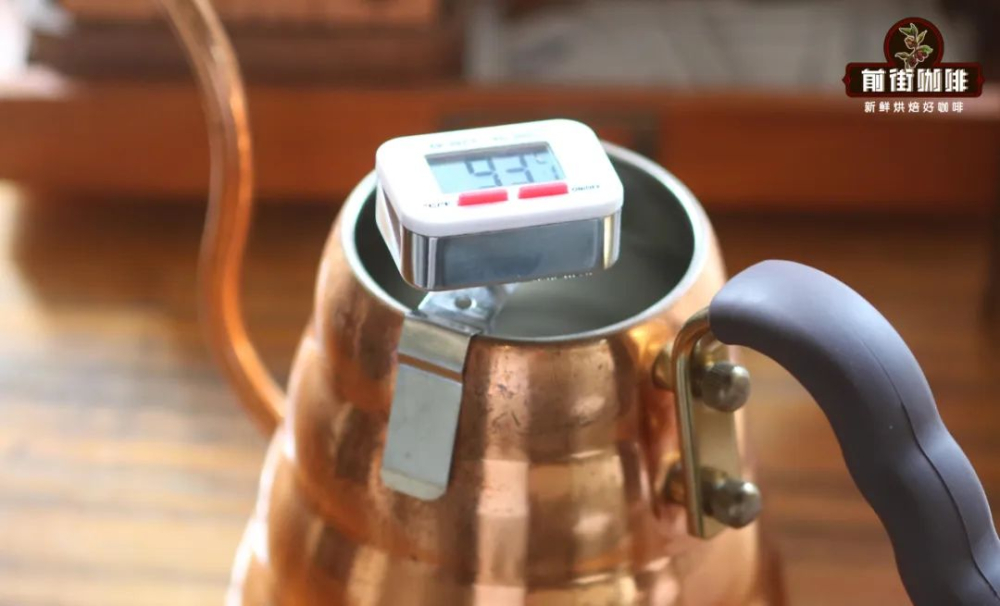
Water temperature is the most direct lever for acidity and sweetness. Higher temperatures extract more efficiently and release more flavor compounds. Because different dripper materials lose heat at different rates, extraction temperature varies too. If your daily light roast brews always end up with only acidity, try raising the water temperature by 2 degrees to pull out more flavor.
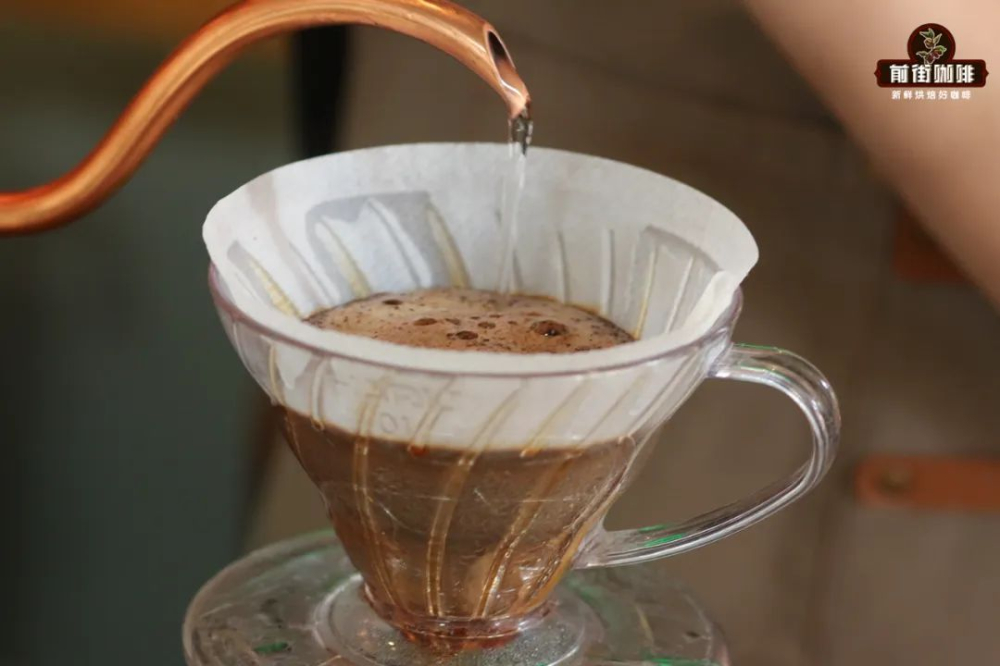
Technique matters as well: brewing light roast beans calls for larger circular motions to wash through the coffee bed. After blooming, you can increase the frequency of circular movements, using the stirring power of the stream to add complexity -- while keeping the flow vertical, of course. In the final stage, use a large flow with rapid circular motions to stir up the fines that settled at the bottom, preventing blockage and letting water flow more smoothly.
FrontStreet Coffee Recommendation
Light roast beans are exactly where a careful pour pays off, and the best place to start is a clean washed Ethiopian. FrontStreet's Yirgacheffe Gudingding delivers citrus, berry, and floral notes with a green-tea finish, and its acidity is soft and bright rather than sharp -- very forgiving of small adjustments in temperature and technique.
If you want more sweetness and tropical fruit, FrontStreet's Ethiopia Huakui brings strawberry, passion fruit, jackfruit, and lychee with low bitterness and a smooth, juice-like body. And for a bean that rewards larger circles and higher temperature, FrontStreet's Kenya Small Tomato shows tomato, dried plum, snow pear, and black plum over a long finish, with a brightness that holds up even when you push extraction.
Important Notice :
FrontStreet Coffee is a long-established specialty coffee roaster in Guangzhou China, selling freshly roasted beans from its own farm in Yunnan as well as dozens of carefully selected single-origin beans from around the world for both pour-over and espresso. The products deliver consistently excellent quality and great value, with shipping within 24 hours. Guangzhou's FrontStreet Coffee shop is recommended by many coffee lovers, and the beans are now available online at the Tmall 。
FrontStreet Coffee has moved to a new address:
FrontStreet Coffee Address: 315,Donghua East Road,GuangZhou
Tel:020 38364473
 Scan and follow the En Gafei WeChat official account. Please indicate that the reprint comes from "En Gafei".