
Must-Read for Coffee Lovers! 15 Fascinating Coffee Facts That Tell the Story of Its History and Development
Professional Coffee Knowledge Exchange
Roughly 1.3 billion people around the world begin the day with a cup of coffee. Yet in ancient times, people understood almost nothing about it. They believed the drink produced hallucinations much like a narcotic, and so they banned it outright. In some periods, drinking coffee in public was punishable by death.
Here are some of the strangest, yet entirely real, episodes from the history of coffee's spread around the world.

1. Coffee Was Originally Chewed
Most of us prefer to sip our coffee, but it was not always a liquid beverage. Many historians hold that the earliest African tribes to consume coffee crushed the berries together, mixed in some animal fat, and rolled the mixture into small, edible energy balls.
2. Medicinal Use in the 9th and 10th Centuries
During the 9th and 10th centuries, people brewed coffee fruit into a juice called "bunchum," which was used to treat headaches. Too much of it, however, brought sleeplessness and mental confusion, so coffee was treated mainly as medicine rather than as something consumed regularly on a large scale.

3. The Discovery of Roasting
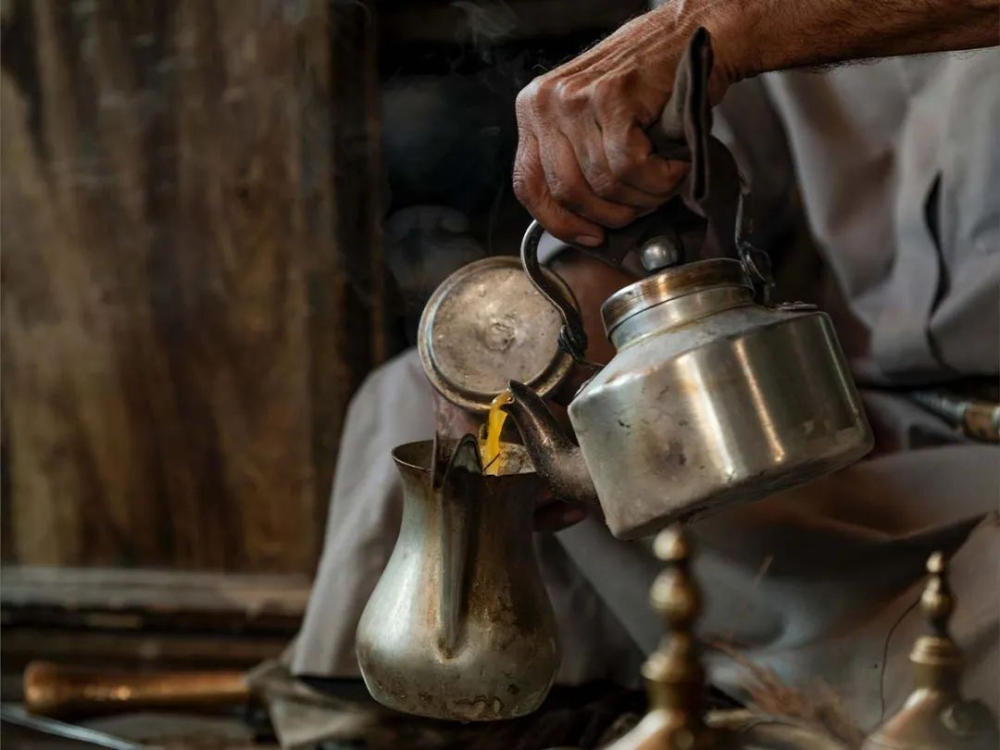
After 1450, people on the Arabian Peninsula found that roasting the coffee bean kernels for longer and brewing them together with the pulp produced an unexpectedly stimulating effect. They named the drink "Gahwa." Because too much Gahwa also caused mental confusion, many religious followers in Arabia who were barred from alcohol began using it as a substitute to experience a similar numbing sensation.
4. Religious Resistance in Europe
When coffee first arrived in Europe in a big way, many Christians were reluctant to drink it, convinced that this dark elixir was a Muslim beverage. Only in 1600, after Pope Clement VIII declared coffee a Christian drink, did it gain widespread acceptance across the continent.
5. Prohibition in the Ottoman Empire
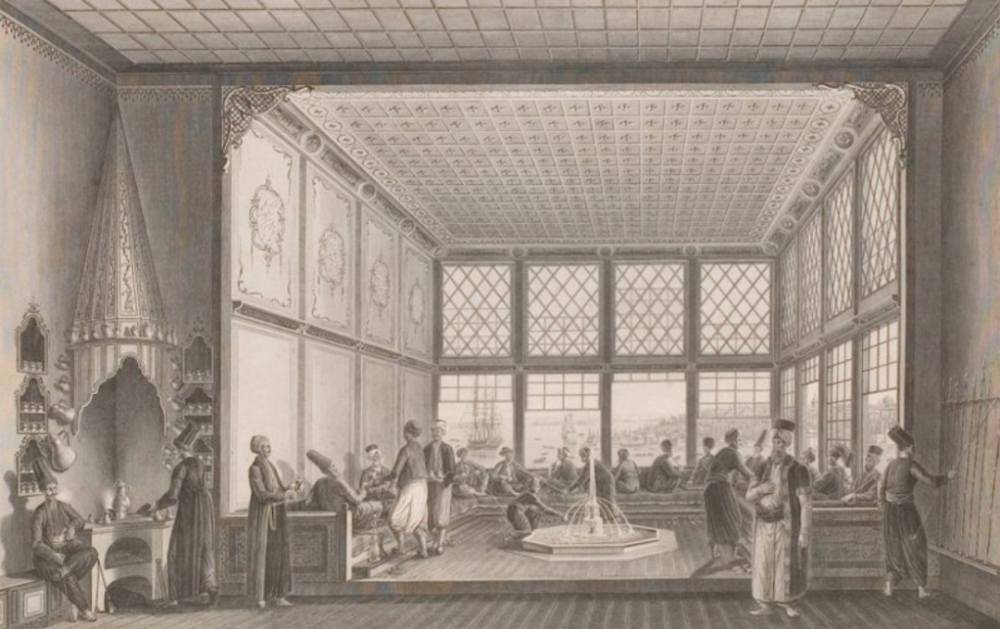
In the 17th-century Ottoman Empire, coffee was thought to cause hallucinations. The ruler of the time treated it as a narcotic and banned it from public places. Offenders could face the death penalty.
6. The Introduction of Porcelain
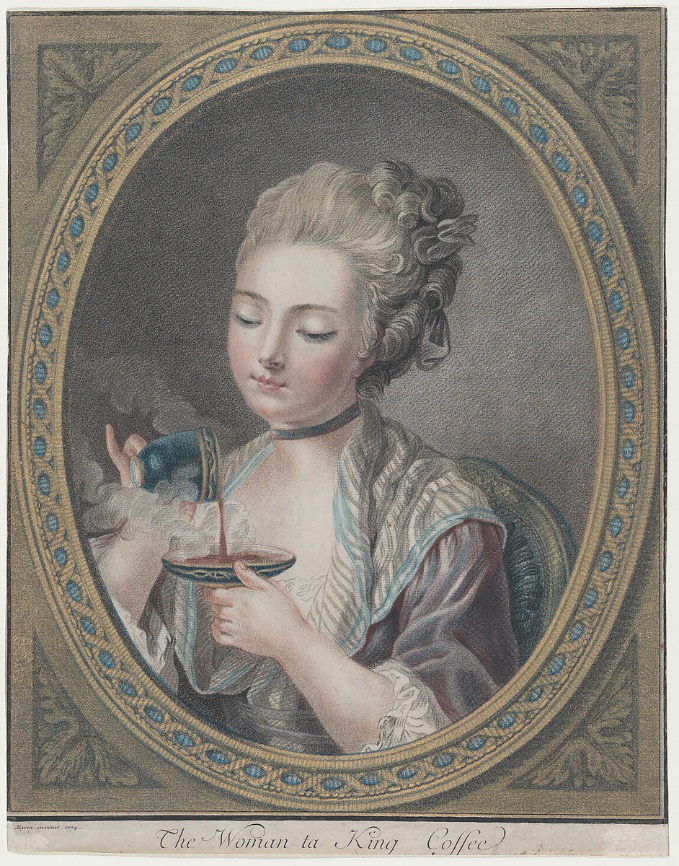
In 17th-century Europe, spoons, cups, and plates were rare luxuries. It was only after Zheng He's voyages carried Chinese porcelain to Europe that people began imitating Chinese teapots, teacups, and tea bowls and created elegant coffee sets of their own. Because drinking straight from the cup was too hot for the mouth, nobles poured their coffee into the saucer and drank from there to keep up appearances of elegance.
7. The Women's Protest
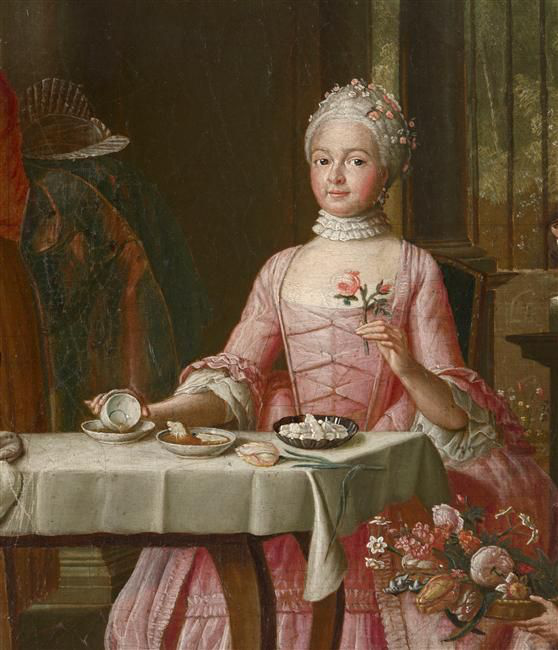
In the 17th century, women complained that coffee was turning their men into "useless corpses." In 1674, the Women's Petition Against Coffee proposed barring anyone under 60 from drinking it, arguing that the beverage was transforming British men into exactly that.
8. Government Prohibitions
By the 18th century, various governments tried to ban coffee. Among the reasons given were its hallucinatory properties, which were said to provoke extreme excitement and radical behavior. In 1746, Sweden not only prohibited coffee but also banned the sale and use of coffee accessories, namely cups and saucers.
9. The Swedish King's Experiment
In the mid-18th century, King Gustav III of Sweden set out to study coffee's effects on human health. He conducted the experiment on identical twins who had been sentenced to death by royal decree. The deal was that one twin would drink only coffee for the rest of his life and the other only tea, in exchange for having their sentences commuted to life imprisonment. Two doctors were ordered to examine the twins and report the results directly to the king. Yet both doctors died mysteriously, most likely of natural causes, and the king himself died before the study was finished.
10. Early Instant Coffee
Although coffee was banned for a time, nothing could curb people's obsession with it. In 1771, Britain introduced "instant coffee." This was not the powdered version later invented in Japan: at the time, coffee was concentrated into blocks that could be dissolved in hot water to make a cup.
11. Modern Instant Coffee
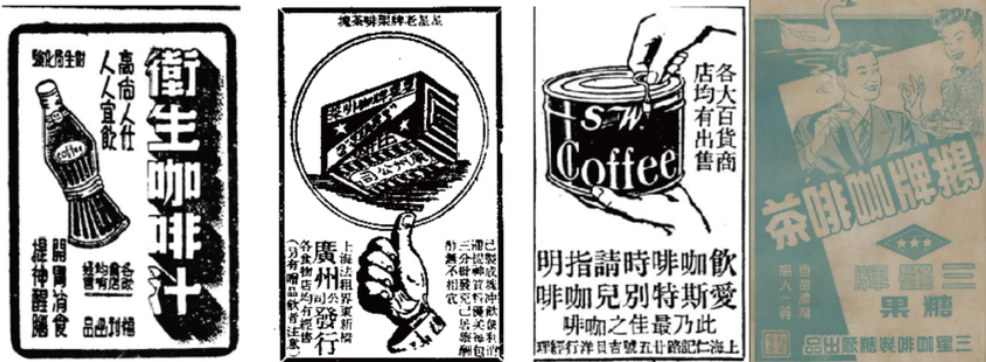
Another 139 years would pass before the first instant coffee was mass-produced, released, and patented in the United States in 1910, which also brought instant coffee production methods to China. Between 1917 and 1937, coffee houses flourished in Shanghai, selling not only coffee but also concentrated coffee candies, coffee paste, coffee juice, and coffee syrup, which customers could mix to their own taste.
12. Brazil's Olympic Solution
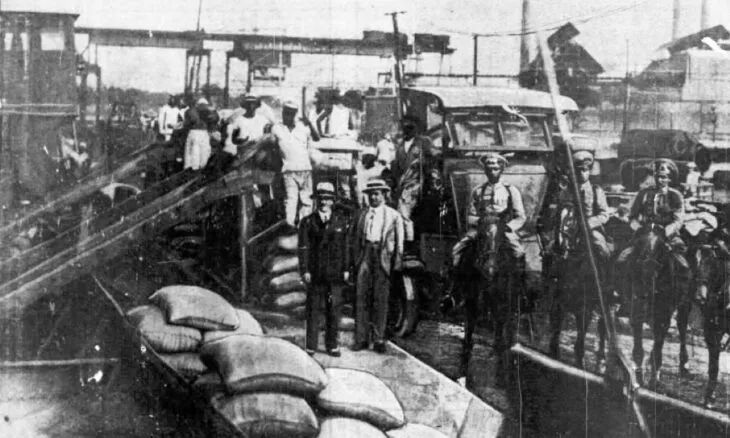
As the world's largest coffee producer, Brazil once could not afford to send its athletes to the 1932 Los Angeles Olympics. So the country loaded its ships with coffee and sold it along the way. In the end, those beans paid for Brazilian athletes to compete at the Games.
13. Coffee and Children
In the United States, cider or beer was the preferred breakfast drink before coffee became widely popular, even among children. Later, as research on coffee grew broader and deeper, it emerged that the caffeine in coffee, tea, and cola could affect children's growth and emotional state. It was not until around 2010 that recommendations on children's caffeine intake appeared, advising against coffee for children under 12.
14. The Lethal Dose
Anything in excess can be harmful, and coffee is no exception. According to an AsapSCIENCE video, a person weighing about 150 pounds would need to drink 70 cups of coffee to reach a lethal dose. Many viewers responded in the comments: who dies from drinking 70 cups of coffee?

15. The Bulletproof Coffee Myth
The claim that bulletproof coffee promotes weight loss remains unproven. The bulletproof coffee diet was created by Dave Asprey and is based on Tibetan yak butter tea.
Bulletproof coffee, made with brewed low-mold coffee beans, one to two tablespoons of medium-chain triglyceride oil, and two tablespoons of unsalted butter, contains roughly 450 calories per cup. Asprey claims the drink helps people feel full longer and think more clearly, but none of his claims are supported by research.
Image source: Internet
FrontStreet Coffee Recommendation
If this tour through coffee history has left you curious about how the drink actually tastes today, start with a balanced medium roast. FrontStreet Brazil Queen Estate comes from the world's largest coffee-producing country and is a distinctive Yellow Bourbon variety; after medium roasting it shows cream peanut, chocolate, toast, and sugarcane aromas with a clean, gently sweet cup, and it works equally well for pour-over, moka pot, or espresso machine.
For something fruit-forward and just as easy to brew, FrontStreet Strawberry Candy Geisha Blend combines a honey-processed coffee from Costa Rica with a washed Panama Geisha. Medium roasted to highlight its best qualities, it layers orange-blossom honey notes over a round sweetness and suits cold brew, pour-over, and espresso alike.
And as a nod to the African tribes who first ate their coffee, FrontStreet 2013 Sun-Dried Typica brings a true Yunnan small-bean character. Medium roasted for a balanced, gentle profile, it offers nuts, brown sugar, black tea, and dried apricot and performs beautifully in pour-over, cold brew, and American drip machines at a very friendly price.
Important Notice :
FrontStreet Coffee is a long-established specialty coffee roaster in Guangzhou China, selling freshly roasted beans from its own farm in Yunnan as well as dozens of carefully selected single-origin beans from around the world for both pour-over and espresso. The products deliver consistently excellent quality and great value, with shipping within 24 hours. Guangzhou's FrontStreet Coffee shop is recommended by many coffee lovers, and the beans are now available online at the Tmall 。
FrontStreet Coffee has moved to a new address:
FrontStreet Coffee Address: 315,Donghua East Road,GuangZhou
Tel:020 38364473
 Scan and follow the En Gafei WeChat official account. Please indicate that the reprint comes from "En Gafei".

