
What's the Best Water Temperature for Brewing Coffee in Winter? Pour-Over Coffee Optimal Temperature Recommendations
Why Winter Changes the Way Coffee Tastes
Have you noticed recently that when you brew with your usual parameters, the coffee tastes weaker than before, and the sweetness is less pronounced?
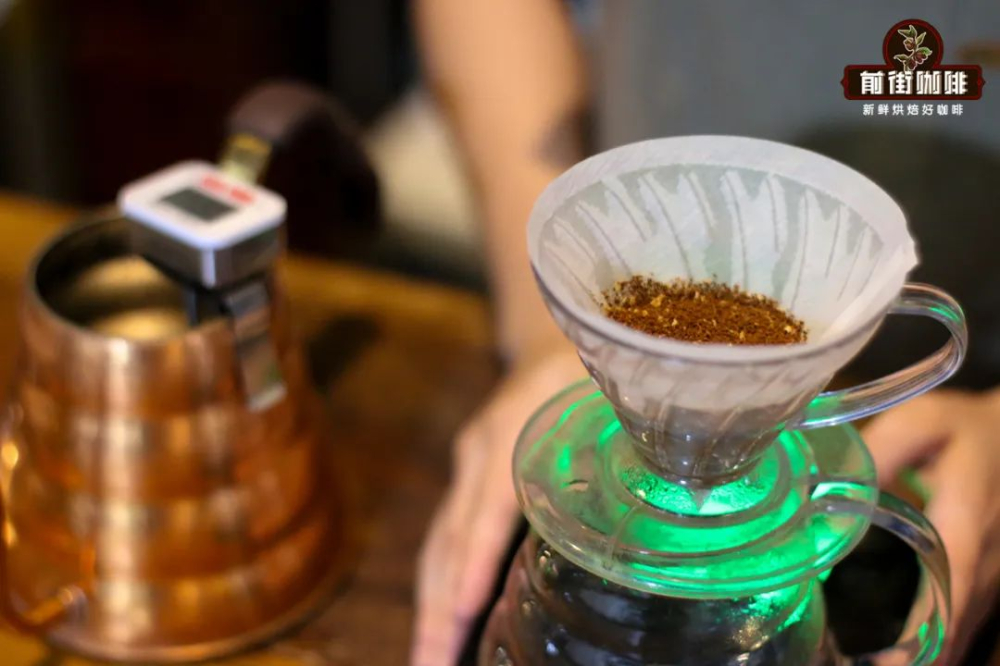
This is actually caused by the recent cold weather, which affects the water temperature during brewing. If, like FrontStreet Coffee, you first pour water into a pour-over kettle and then measure it with a thermometer, you will find the water temperature drops much faster than usual.
The Difference Between Set and Actual Brewing Temperature
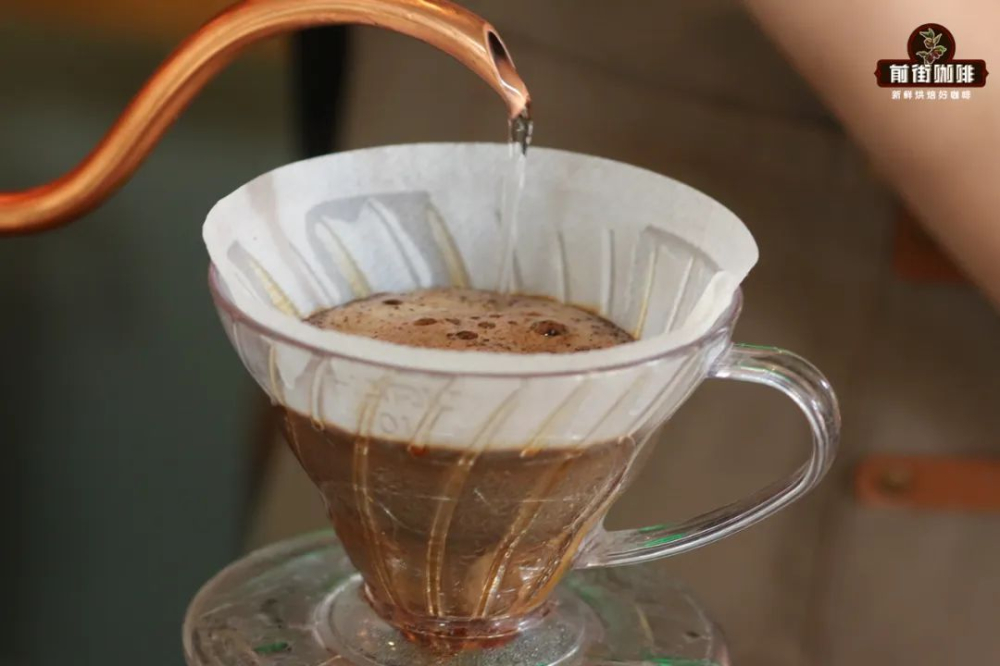
There is a significant gap between the set brewing temperature and the actual extraction temperature. When we say a brewing temperature of 91°C, we usually mean the water temperature inside the kettle. But the actual extraction temperature when water meets the grounds is definitely below 91°C: as water leaves the spout it passes through cooler air, and when it enters the coffee bed some heat is absorbed by room-temperature grounds. On top of that, during the roughly 2-minute extraction, the water in the kettle is losing heat, and the temperature in the filter cup keeps falling too.
Temperature Variations Across Seasons
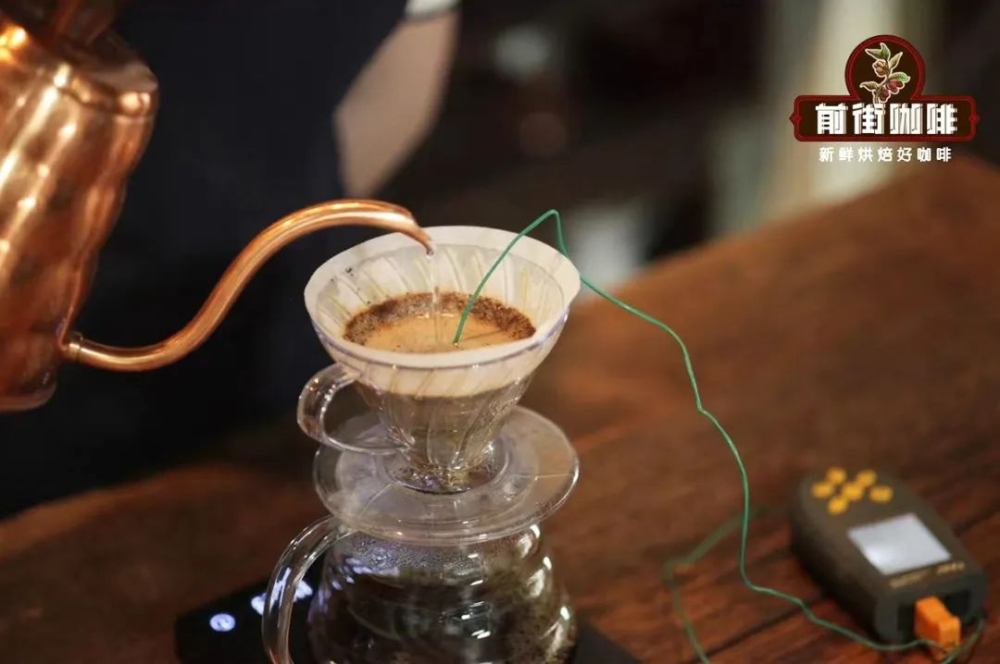
FrontStreet Coffee tested coffee bed temperature in summer. With an initial water temperature of 90°C, the temperature during the main extraction phase after the bloom fell between 86.2°C and 84.5°C.
Now FrontStreet Coffee is brewing with the same initial 90°C water, but the measured temperature during the main extraction phase falls between 85.1°C and 83.8°C.
How Temperature Affects Coffee Flavor
So when the ambient temperature drops, even if you keep the same water temperature as before, the actual coffee bed temperature during extraction is lower than it used to be. The result is a cup that tastes more acidic, with less richness and fullness.
Solutions for Temperature-Related Brewing Issues
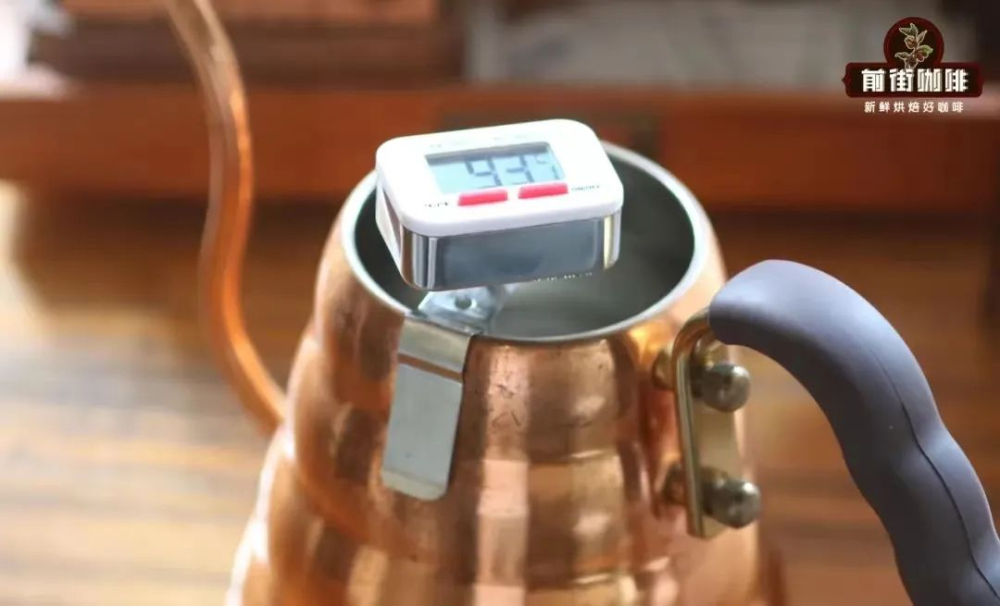
Fixing this is simple: raise the water temperature. Generally, going 2°C higher than usual is enough. FrontStreet Coffee normally brews at 91°C, for example, but when the room temperature is a little lower, it uses 93°C.
Additional Heat Preservation Techniques
Besides raising the water temperature, pay attention to heat preservation during brewing so the water does not lose heat too quickly. Remember to put the lid on the kettle while brewing, and before you start, pour out a little hot water to preheat the kettle spout.
When pouring, do not let the stream run too long. The larger the surface area of the stream exposed to air, the greater the heat loss. Keeping the pour height at 3-5cm is generally enough.
FrontStreet Coffee Recommendation
Once you raise the water temperature, the right bean makes the most of it. FrontStreet suggests floral and fruity coffees for winter pour-over, since they respond well to careful temperature control. FrontStreet Yirgacheffe Gudingding is a gentle entry into specialty coffee, with citrus, berry, and floral notes and a green-tea sweetness, while FrontStreet Ethiopia Huakui brings tropical-fruit aromatics such as strawberry, passion fruit, and jackfruit with low bitterness and a juicy body.
For bright, complex acidity, FrontStreet Kenya Little Tomato, a washed bean from the Sika region grown at 1550-1750 meters from SL28 and SL34 and given Kenya's 72-hour double washed fermentation, shows clear cherry-tomato and smoked-plum notes with a sweet mid-palate and a clean finish of brown sugar and green tea.
Important Notice :
FrontStreet Coffee is a long-established specialty coffee roaster in Guangzhou China, selling freshly roasted beans from its own farm in Yunnan as well as dozens of carefully selected single-origin beans from around the world for both pour-over and espresso. The products deliver consistently excellent quality and great value, with shipping within 24 hours. Guangzhou's FrontStreet Coffee shop is recommended by many coffee lovers, and the beans are now available online at the Tmall 。
FrontStreet Coffee has moved to a new address:
FrontStreet Coffee Address: 315,Donghua East Road,GuangZhou
Tel:020 38364473
 Scan and follow the En Gafei WeChat official account. Please indicate that the reprint comes from "En Gafei".

