
How to Identify Acidic Components in Coffee and Which Coffee Beans Are More Acidic
Not long ago, many people were put off by acidity, believing coffee was supposed to be bitter. Today, "acidity" has become a mark of quality, and acidic coffees are everywhere.
Acidity vs. Acidity Quality
When cupping coffee, we use two separate terms: "acidity" and "acidity quality." Acidity refers to the strength and intensity of the acids—the first sensation as the coffee passes along the sides of the tongue. The pleasant acids we taste, such as citric, citrus, or grape-like fruit acids, represent excellent acidity quality. Clearly, quality matters more than strength.
The strength of coffee's acidity is closely tied to variety, growing environment, processing method, and roast level. Coffee is acidic because various organic acids accumulate during the bean's growth and processing: chlorogenic acid, malic acid, citric acid, tartaric acid, and more. Chlorogenic acid is the source of coffee's bitterness and counts as an undesirable acid—Robusta beans carry higher levels of it, hence their strong bitterness. Malic and citric acids, by contrast, correlate positively with growing altitude and cherry maturity: the riper the cherries picked at higher altitudes, the more likely the coffee shows excellent acidity quality.
Light roasting is the most direct driver of coffee acidity, though the ideal roast level depends on which degree brings out a given bean's best flavors. Roasting sets off a cascade of chemical changes: some components form new acids (such as quinic acid), and acidity climbs to a peak. Then, under continued heat, the formed acids begin to break down. As the roast deepens, caramelization gradually softens the acidity.
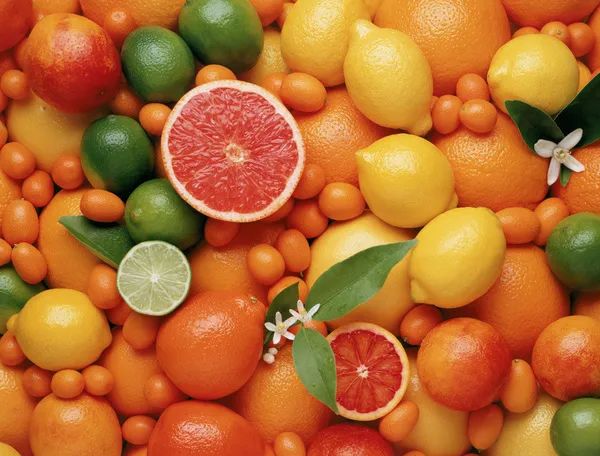
Fruit Flavors in Coffee Come From "Acidity"
Here is the key: high-quality acidity must come with sweetness. With sweetness behind it, coffee's acidity becomes vibrant and layered. Acids help us perceive the fruity aromas (think of the bright Yirgacheffe acidity that evokes citrus and lemon), and they let us appreciate coffee's sweetness more fully.
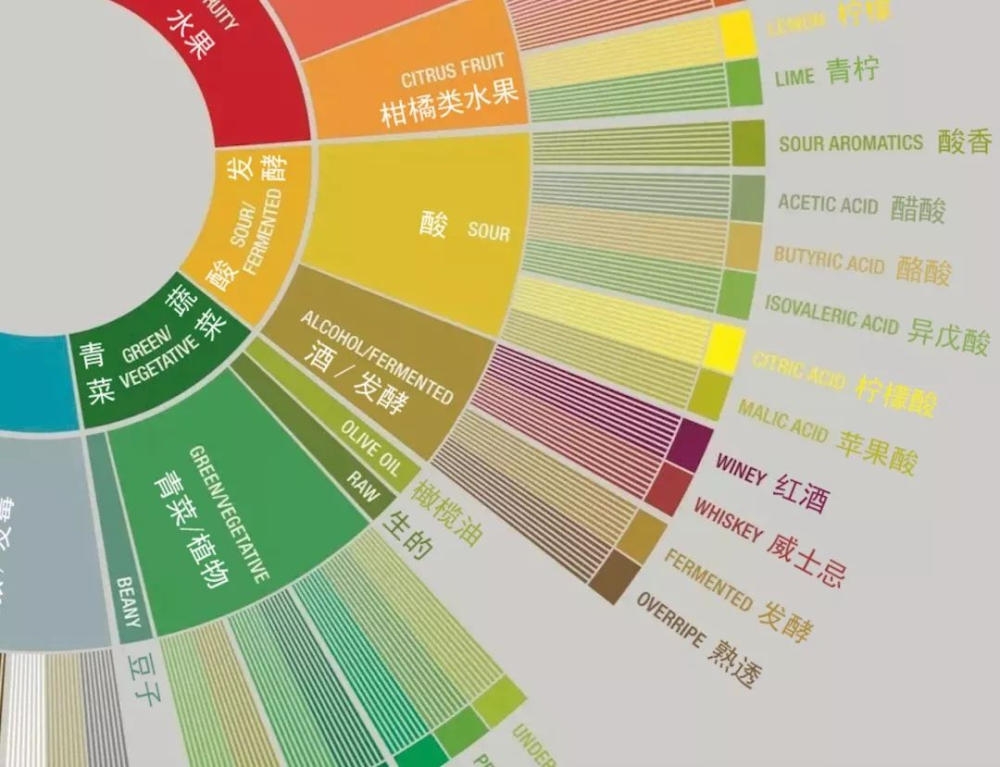
FrontStreet Coffee believes that what people often dislike is not acidity itself, but coffee that offers only acid and bitterness with no sweetness to balance them. Think of eating an orange: it is the full, juicy rush of sour and sweet together that makes it delicious. An orange with no acidity at all would taste strange. That is why we reach for fruity vocabulary to describe how acidity and sweetness combine—apple, lemon, grapefruit, passion fruit, red-wine acidity, berries, cherry, citrus, peach, pineapple, and so on.
How Do Acidic Coffees Taste?
As noted, acidity depends on variety, growing environment, and processing. Different conditions produce different expressions of acidity and quality—and we can pick our coffees by the fruit keywords we love.
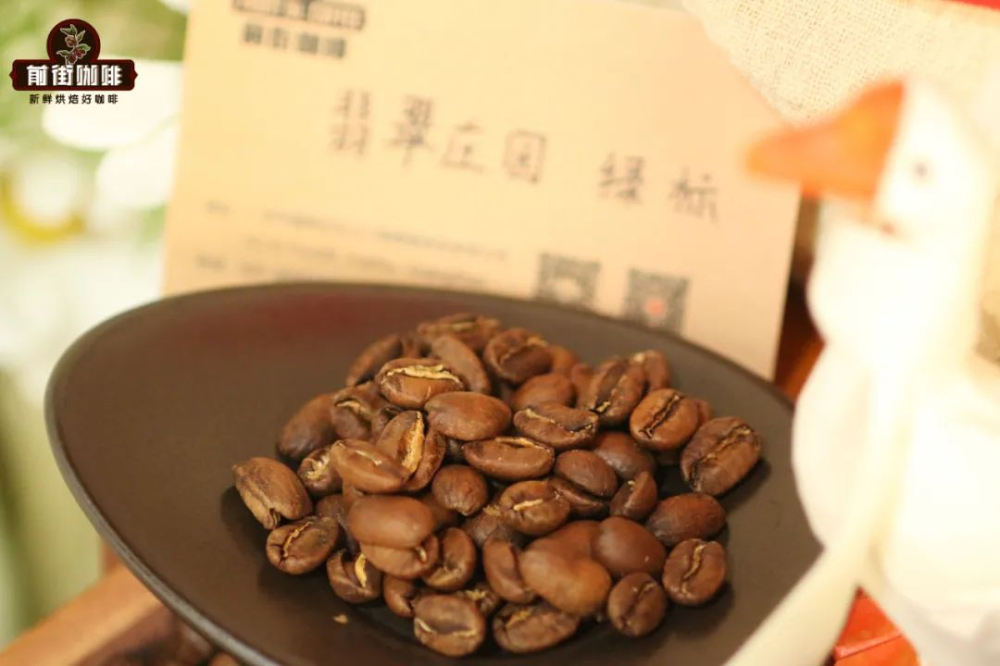
For bright, elevated acidity, choose washed, high-altitude, light-roast beans, such as washed Esmeralda Special Geisha or washed Yirgacheffe Gedeb. In black coffee they show a citrus-fruit sweetness and sourness—lemon, orange, tangerine, pomelo—with a refreshing, light mouthfeel.

For juice-like, full acidity, look for dark berry descriptors: black plum, blackberry, berries, grapes. Washed Kenyan coffee, for example, delivers a smooth, viscous, substantial juice sensation whose acidity confidently claims your taste buds.
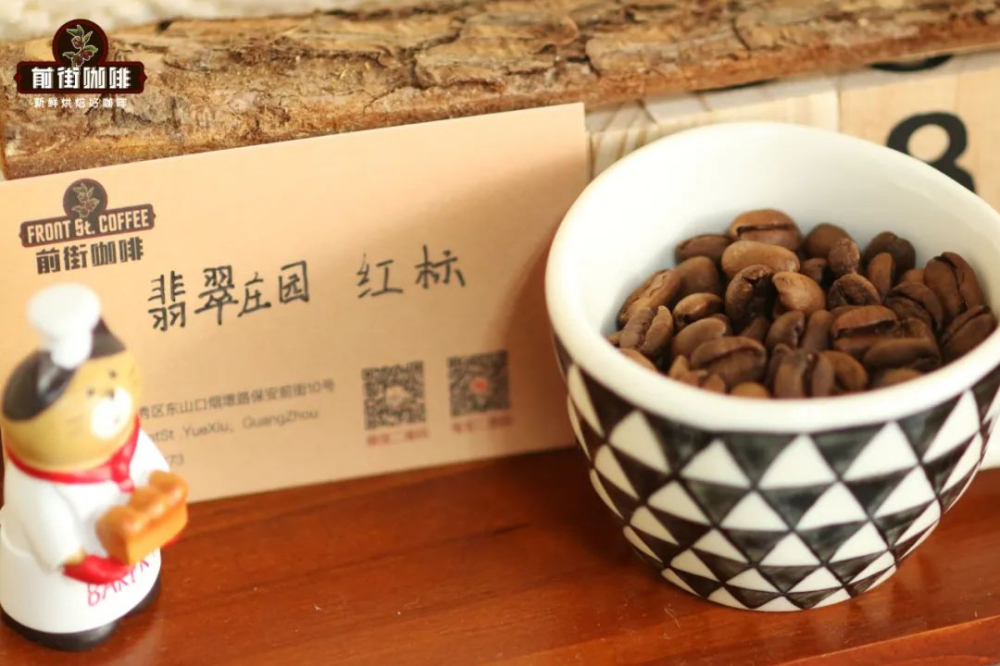
Then there is the high-sweetness blended acidity, most common in natural-processed, medium-light roast, high-altitude beans—such as natural Esmeralda Red Label Geisha, natural Yirgacheffe Red Cherry, or natural Sidamo Guji. Here higher acidity rides on high sweetness, plus fermented aromas, with flavors leaning tropical: passion fruit, mango, peach.
For professional coffee knowledge exchange and more coffee bean information, please follow Coffee Workshop (WeChat public account: cafe_style).
For more specialty coffee beans, please add the personal WeChat of FrontStreet Coffee, WeChat ID: qjcoffeex
FrontStreet Coffee Recommendation
Almost all the acidic coffees worth seeking out are Arabica—the variety with the most complex, refined flavors of the three great coffee species. Two FrontStreet examples show both faces of Ethiopian Arabica: the natural-processed Aricha (Huakui), an heirloom-varietal star with creamy strawberry, mango, jackfruit, citrus, and blueberry notes—the very fruity fragrance that once won first place in the TOH green bean competition—and the washed Yirgacheffe Guodingding Cooperative, a top-graded G1 lot with elegant white florals, orange, and green tea.
For a sweeter, tropical expression, the FrontStreet Colombia Sidra (medium-light roast) offers florals, tropical fruit, grape, dried fruit, and passion fruit with a juice-like body—while the Brazil Queen Estate, an early-discovered Yellow Bourbon, shows creamy, nutty, sugarcane sweetness and works beautifully as a pour-over, moka pot, or espresso brew.
Important Notice :
FrontStreet Coffee is a long-established specialty coffee roaster in Guangzhou China, selling freshly roasted beans from its own farm in Yunnan as well as dozens of carefully selected single-origin beans from around the world for both pour-over and espresso. The products deliver consistently excellent quality and great value, with shipping within 24 hours. Guangzhou's FrontStreet Coffee shop is recommended by many coffee lovers, and the beans are now available online at the Tmall 。
FrontStreet Coffee has moved to a new address:
FrontStreet Coffee Address: 315,Donghua East Road,GuangZhou
Tel:020 38364473
 Scan and follow the En Gafei WeChat official account. Please indicate that the reprint comes from "En Gafei".

