
The Flavor Differences Between Natural and Washed Coffee: Which Processing Method Produces More Acidity?
Natural vs. Washed Processing: Where Does Coffee's Sweetness Come From?

When shopping for beans, most of us reach for natural-processed coffee when we want more sweetness. But are naturals actually sweeter than washed coffees — and if so, where does that sweetness come from?
As FrontStreet Coffee has explained before, the sweetness we taste comes primarily from the carbohydrates (sugars) inside the green bean. The more sucrose, the sweeter the perceived cup. But sucrose content is set by growing conditions — variety, cherry ripeness, cultivation altitude — not by how the beans are processed afterward.
Still, the research is clear that processing changes the bean's chemistry. In 1963, the American coffee chemist Michael Sivetz documented in "Coffee Processing Technology" that natural-processed coffee differs significantly from washed, and food chemist Alan Varnam's 1994 research reached the same conclusion: natural beans carry higher levels of fats, sugars, and acids than washed beans.
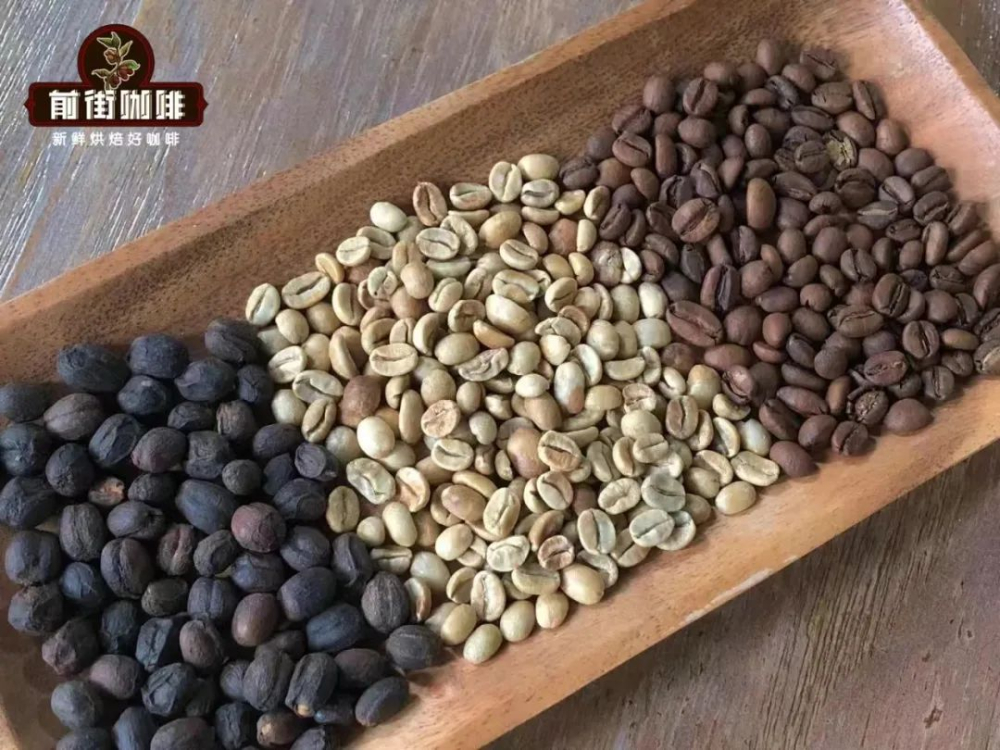
The Structure of a Coffee Cherry
A coffee cherry consists of skin, pulp, mucilage, parchment, silver skin, and seeds — and the coffee we drink comes from those innermost seeds.

Washed Processing
In washed processing, the skin and pulp are removed mechanically before drying, and the seeds — still coated in sticky mucilage — go into fermentation tanks. Fermentation generates acids that break down the mucilage. As the beans soak in water, they "sense" an environment suitable for germination and begin to sprout. This triggers internal chemical changes: the beans consume their monosaccharides (fructose and glucose), lowering their sugar content while building up certain amino acids — the precursors of coffee's complex aromas.
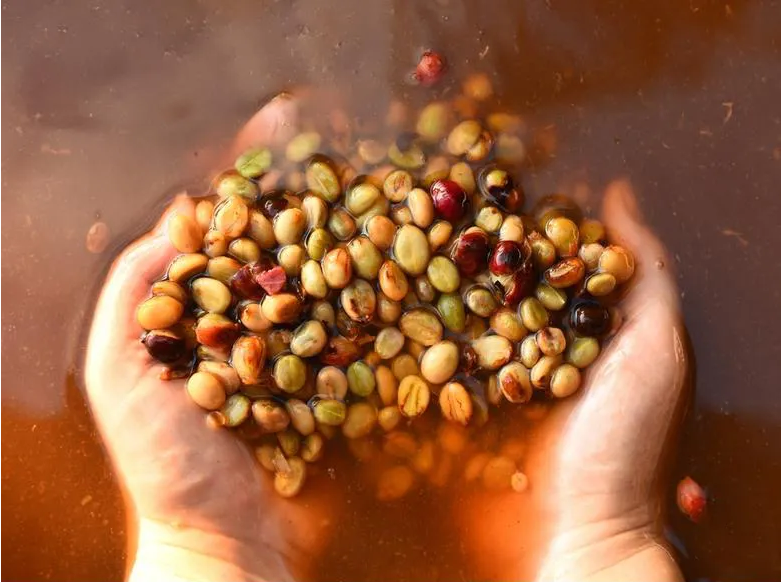
Natural Processing
Natural processing works the opposite way: the seeds stay wrapped in their pulp throughout drying. Plant hormones and moisture in the fruit suppress germination, so the bean's metabolism comes to a halt, naturally preserving more sugar than in washed coffees.
Natural processing also ferments longer, giving microorganisms more time to react with the pulp. As fermentation proceeds, they produce more volatile compounds — esters in particular. Although most sugars are destroyed during roasting, these compounds transform through caramelization into a different class of aromatics, the very ones responsible for naturals' floral and tropical-fruit fermentation notes. That's why natural coffees tend to offer broader flavor profiles and a sweeter impression.
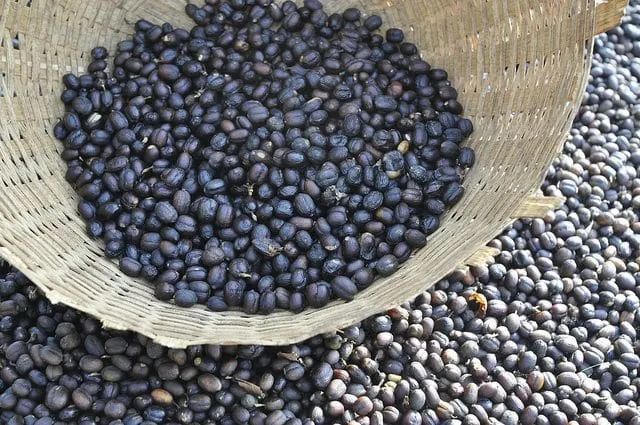
What Actually Shapes Sweetness in the Cup
That said, preserving more monosaccharides doesn't guarantee a sweeter cup. Beans are dried at their sugar peak, but if fermentation runs too far and produces rotten acidity or mold, brewing will pull out unpleasant sourness and bitterness that overwhelms the sweetness.
Roasting and brewing matter just as much as processing.
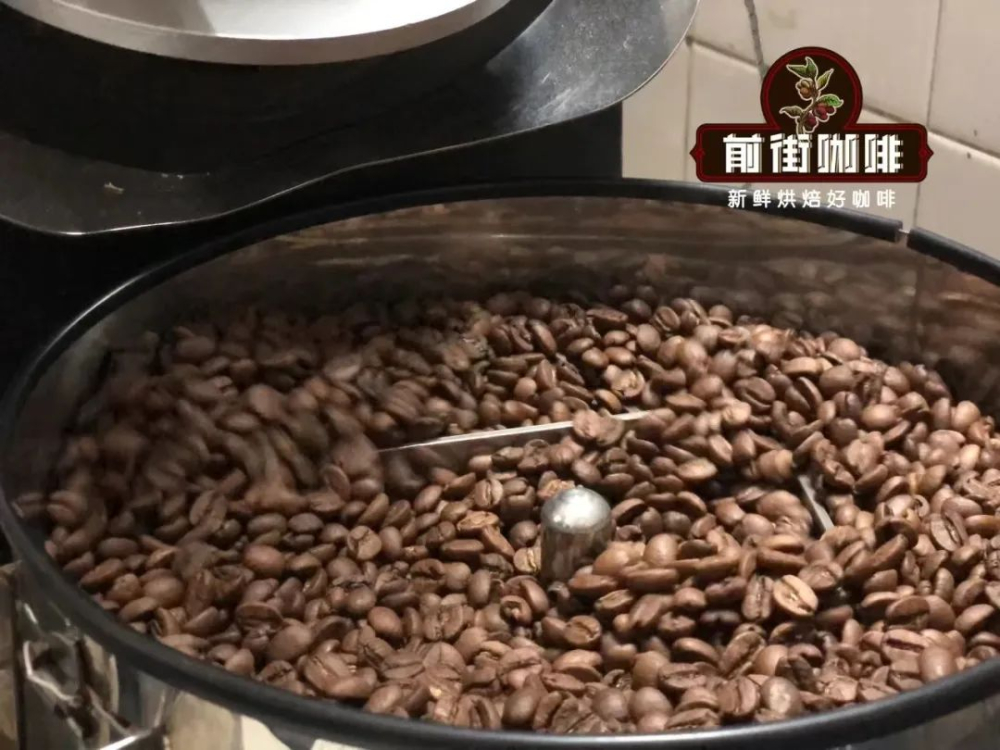
The Role of Roasting
Roasting develops the sugars in coffee. A skilled roaster knows how to hit the optimal sweetness point and decide how much acidity to retain, balancing sweet, sour, bitter, and aromatic elements into the overall impression we taste. Roasted well, a washed coffee can easily taste sweeter than a mediocre natural.
The Impact of Brewing
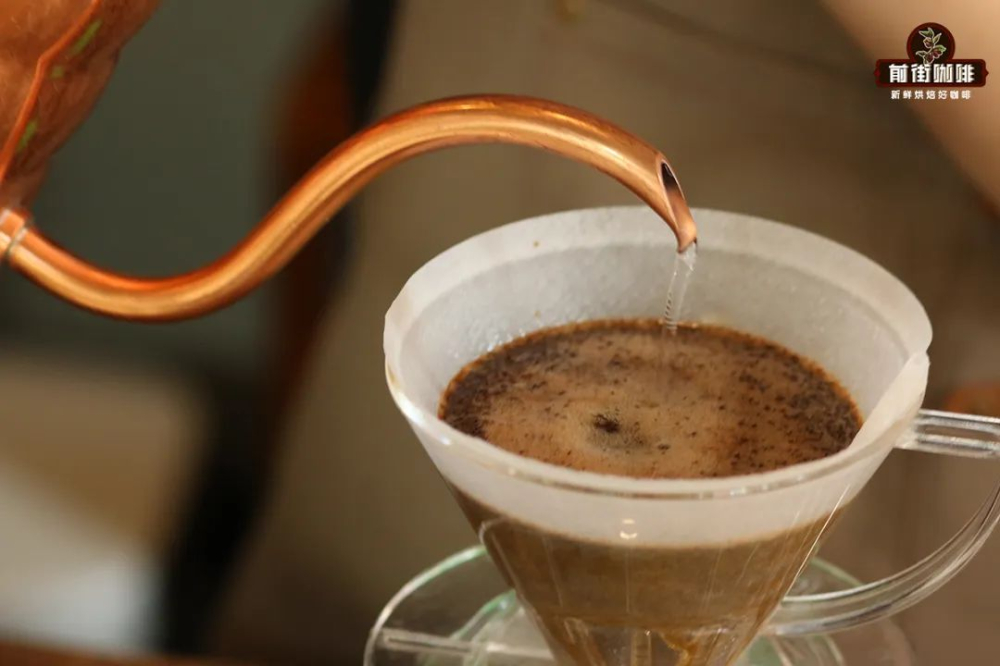
Even beans roasted to their sweetness peak will taste different depending on brewing parameters. Acidity cuts sweetness; bitterness masks it. A cup that's too sour or too bitter will always dull our perception of sweetness.
FrontStreet Coffee Recommendation
If washed processing's clarity appeals to you, FrontStreet recommends starting with the FrontStreet Yirgacheffe Guodingding Cooperative lot — jasmine florals and bright citrus acidity, layered with green tea and honey after a medium-light roast, and versatile enough for pour-over, cold brew, or espresso.
For a bolder washed profile, the FrontStreet Kenya Cherry Tomato, finished with Kenya's signature double-washed fermentation, delivers cherry tomato, dried plum, pear, and dark plum juiciness with a brown-sugar finish; and the washed FrontStreet Jamaica Blue Mountain No.1 offers a perfectly balanced, clean cup of hazelnut, cream, chocolate, and caramel.
Important Notice :
FrontStreet Coffee is a long-established specialty coffee roaster in Guangzhou China, selling freshly roasted beans from its own farm in Yunnan as well as dozens of carefully selected single-origin beans from around the world for both pour-over and espresso. The products deliver consistently excellent quality and great value, with shipping within 24 hours. Guangzhou's FrontStreet Coffee shop is recommended by many coffee lovers, and the beans are now available online at the Tmall 。
FrontStreet Coffee has moved to a new address:
FrontStreet Coffee Address: 315,Donghua East Road,GuangZhou
Tel:020 38364473
 Scan and follow the En Gafei WeChat official account. Please indicate that the reprint comes from "En Gafei".

