
The History and Origins of Coffee Latte Art: The Development and Evolution of Latte Art
The Art of Coffee Latte: Origins and Evolution
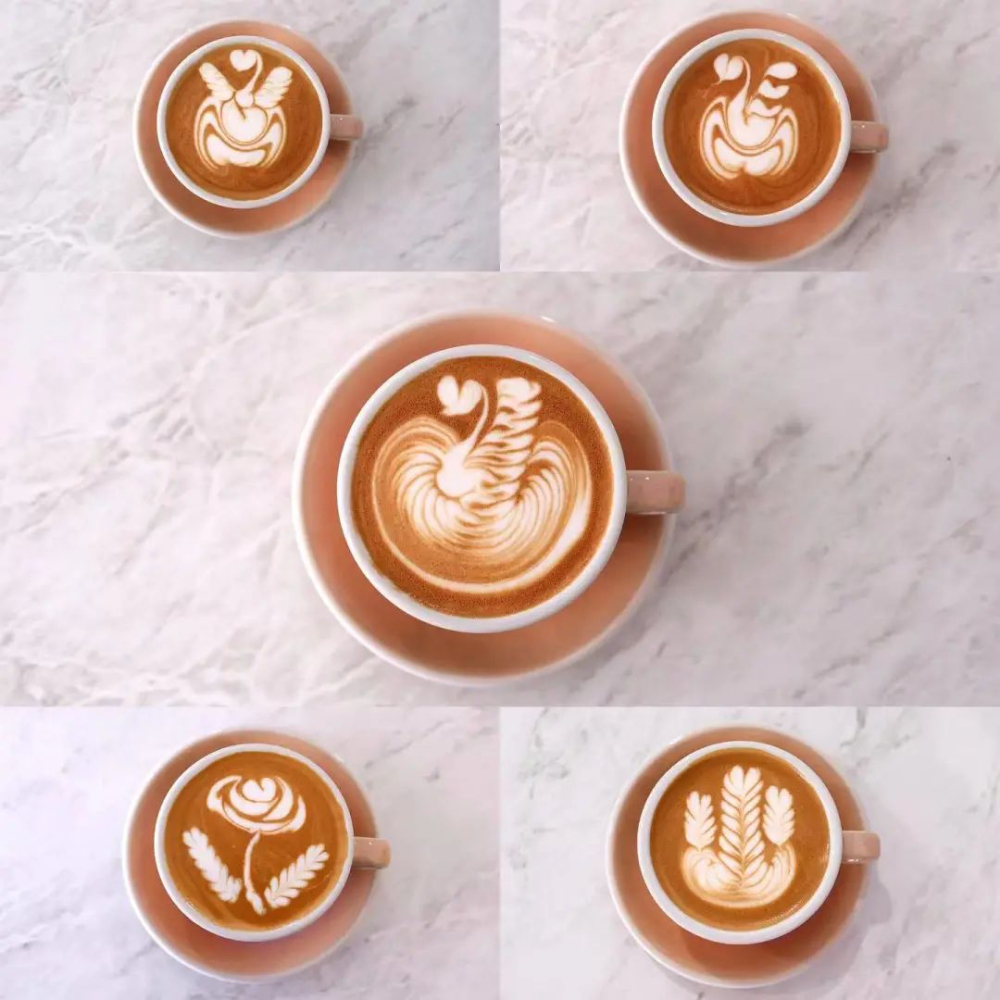
When a coffee shop serves a milk-based espresso drink, latte art is often part of the deal. From simple hearts and leaves to elaborate animals and cartoon characters, the range is endless. In certain competitions, latte art has become an essential professional skill for baristas, who can pour out one intricate pattern after another with ease. But who actually came up with these techniques?
Did Coffee Latte Art Originate in Italy or America?
To pour latte art at all, you need a pressure-driven espresso machine and a steam wand. In the early twentieth century, Luigi Bezzera, a manufacturer from Milan, Italy, invented the first semi-automatic steam-pressure coffee machine to extract coffee more efficiently, and patented it in 1901. The Italian company La Pavoni later acquired Bezzera's patent, added a steam wand to the machine, and brought it to market in 1906.
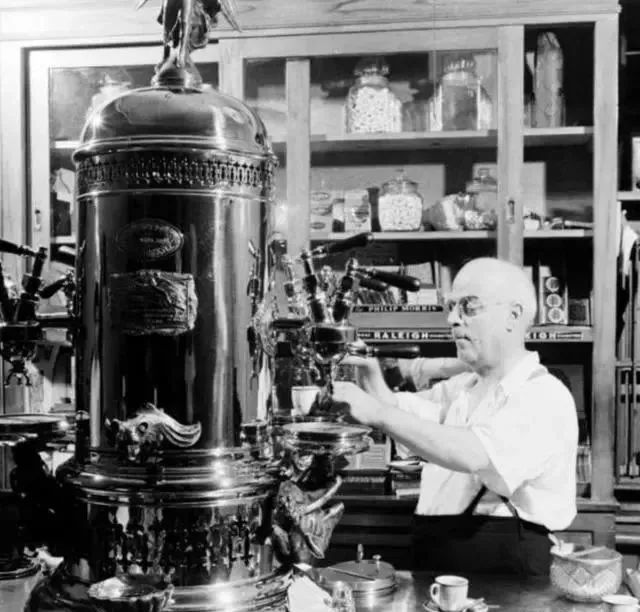
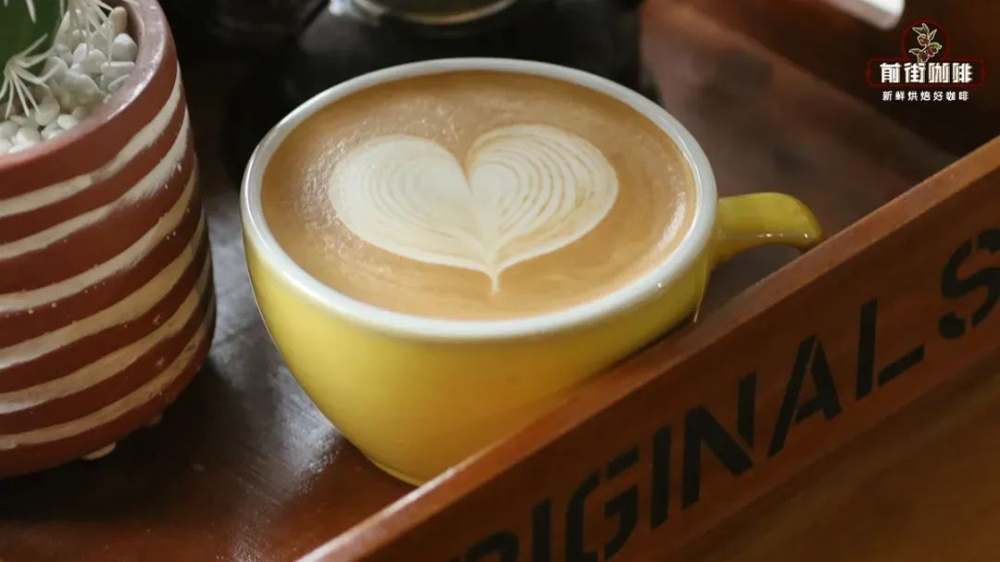
Although steamed milk was already being made in Italy as early as the late 19th century, latte art did not appear until decades later. Its popularization among the general public can be credited to the Americans. In the 1980s, David Schomer set up a small coffee stall in Seattle, USA. One day, while making an espresso milk drink, he accidentally formed a heart shape with the last of the white milk foam on the surface.
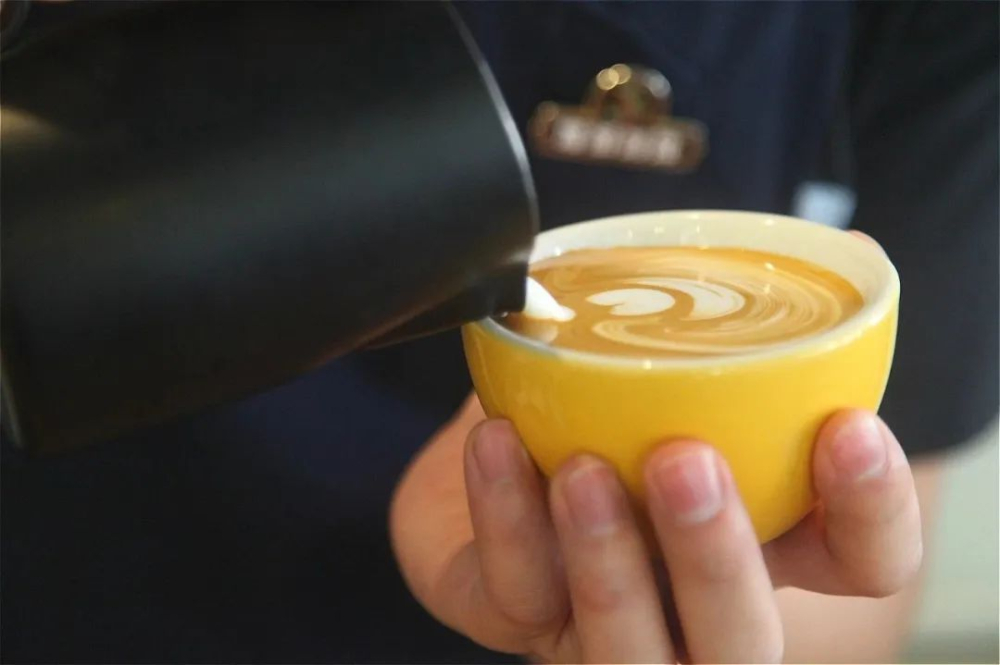
Later, after studying the style and production techniques of Italian espresso in depth, David opened Espresso Vivace and devoted himself to perfecting this "pattern-pulling" technique, refining it and training more baristas to produce high-quality latte art. By the late 1980s, these decorated coffees had begun to catch on across the United States and quickly spread around the world.
Coffee Latte Art is Also Called "Latte Art"
Latte is a phonetic rendering of the Italian "Caffè Latte," in which "latte" simply means milk. When steamed hot milk is incorporated into espresso while creating "artistic" patterns, the result is latte art.
Early latte art featured only simple shapes like hearts and leaves. As specialty coffee developed, baristas around the world came to value the skill more and more. They began designing more exquisite visual effects, and an etching technique emerged that uses milk foam and auxiliary materials to create bolder graphics.
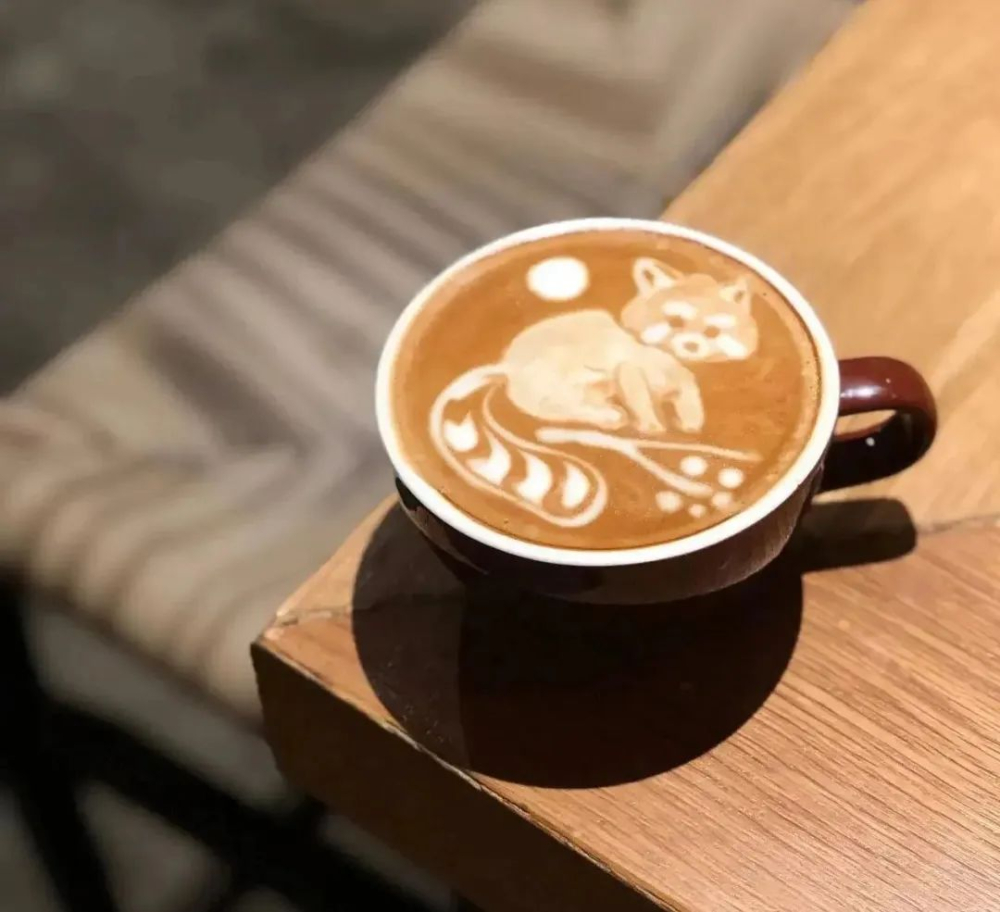
At first, baristas focused mainly on the presentation of the pattern. But as the industry matured and consumer expectations rose, latte art improved not only visually but also in the creamy texture of the milk and the method of integrating it with espresso, lifting the overall taste of the coffee toward the ideal of complete color, aroma, and flavor. David pointed out that high-quality espresso and premium milk are both crucial to creating exquisite latte art.
The popularity of milk-based drinks like lattes and flat whites on social media and in social settings owes much to the addition of latte art. After all, who doesn't appreciate it when the coffee they ordered arrives with not just a mellow flavor but a beautifully poured design on top?
FrontStreet Coffee Recommendation
If you want to practice latte art at home, the bean you choose matters almost as much as the milk. FrontStreet's Classic Blend is the go-to for beginners: a medium-dark espresso recipe combining three origins, inspired by the old Mamba pairing of Mandheling and Brazil, with a touch of Robusta for extra aroma and body. It pours out distinct notes of butter, toasted bread, and caramel cookie, a strong, substantial cup with fine, stable crema that is easy to work with.
If you prefer a deep, nutty profile, the Specialty Blend pairs washed Colombian coffee with semi-washed Brazilian beans for a classic combination that reads as nut, dark chocolate, and caramel, whether you are making an Americano, latte, or flat white. And if you are outfitting a shop rather than a kitchen counter, FrontStreet Coffee's Commercial Blend is tailored for it: it takes the Specialty Blend's recipe and adds a little Robusta for more fine dark-brown crema and a heavier body, making nut, cocoa, and caramel notes easy to pour into clean latte art.
Important Notice :
FrontStreet Coffee is a long-established specialty coffee roaster in Guangzhou China, selling freshly roasted beans from its own farm in Yunnan as well as dozens of carefully selected single-origin beans from around the world for both pour-over and espresso. The products deliver consistently excellent quality and great value, with shipping within 24 hours. Guangzhou's FrontStreet Coffee shop is recommended by many coffee lovers, and the beans are now available online at the Tmall 。
FrontStreet Coffee has moved to a new address:
FrontStreet Coffee Address: 315,Donghua East Road,GuangZhou
Tel:020 38364473
 Scan and follow the En Gafei WeChat official account. Please indicate that the reprint comes from "En Gafei".

