
How to Recover Sense of Smell and Taste After COVID-19? How to Taste Coffee Flavors
The Challenge of Sensory Loss After COVID-19
Losing your sense of smell and taste temporarily is one of the stranger symptoms some people experience after COVID-19. For food lovers it's distressing enough — but for professionals who rely on sensory evaluation, like baristas, it can feel like losing a core work skill.

Baristas returning to work after recovery have described standing blankly in front of the espresso machine, able to detect only sour and bitter in the cup, with every other flavor gone. Not surprisingly, barista groups have been full of discussions about how to bring their senses back.
Restoration Begins with Rest
First things first: rest. Stay calm and don't panic. Based on countless firsthand accounts, the loss is temporary — most people recover basic smell and taste within one to two weeks. During that window, your job is simply to rest well and eat properly.

How We Perceive Coffee Flavors
What we casually call "flavor" is really olfaction + gustation + mouthfeel: dry and wet aromas, plus sour, sweet, bitter, and salty sensations, plus texture.
In flavor identification, your taste buds play only a supporting role. They can detect just five basic tastes — sour, sweet, bitter, salty, and umami. Coffee contains no umami, and under normal circumstances saltiness is completely masked by the other tastes.
The real work of flavor identification is done by your sense of smell. Can you still smell food once it's in your mouth? Yes — the throat and nasal cavity are connected. After brewing, some of coffee's aroma molecules get sealed inside oils, making them hard to detect by sniffing alone.

Once those aroma-bearing oils enter your mouth, the taste buds register the basic tastes first, then the oils melt on your tongue and release their aromas. As you swallow, these aromas travel up into the nasal cavity — a phenomenon called retronasal olfaction — while what you smell directly through your nose is orthonasal olfaction.
When taste and smell data combine, your brain matches the pattern to specific memories — and that's what we experience as "coffee flavor."
How to Help Restore Taste
A simple DIY version of "devil's water" (tasting water) can help retrain your taste buds: dissolve sour, sweet, bitter, salty, and umami seasonings into purified or mineral water at dilute concentrations.
Professional sensory courses use precise materials and ratios, but for recovery purposes you can start with stronger concentrations and gradually dilute them to barely perceptible levels, having your taste buds experience each taste at different intensities and recording the results.

Once you can identify all five tastes individually at various concentrations, have someone else mix two or three tasting waters at different strengths and see if you can name the dominant taste and the secondary one.
For the materials: use food-grade citric acid for sour, white sugar for sweet, food-grade bitter essence for bitter, table salt for salty, and MSG for umami.
How to Help Restore Smell
Olfactory stimulation is the key. If you have access to a professional aroma kit, use it — though commercial kits are pricey and, being artificially produced, their scents can differ slightly from the real thing. Everyday materials work just as well.
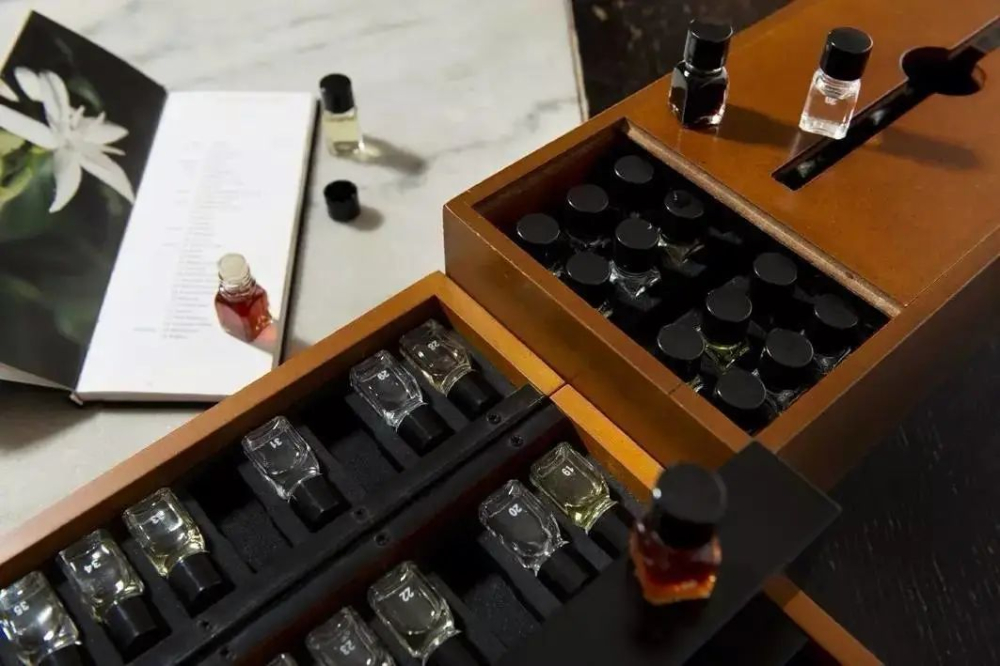
Research on smell recovery and plenty of personal experience point to the same advice: sniff strongly scented items. Think citrus fruits, fragrant flowers, and spices — oranges, lemons, lilies, eucalyptus, roasted garlic, cloves. Sniff each one for about 15 seconds, twice a day, until basic olfactory function returns.
How to Enhance Coffee Flavor Recognition
Coffee flavor is a wonderfully open-ended concept. Tasting the same coffee's acidity, one person might call it lemony while another says pomelo — and both are right. Half the joy of coffee tasting is comparing notes with the people around you.
People differ widely in odor memory and recognition, which is why some can pin down a flavor after one sip while others can't. To get better, build flavor memories deliberately: whenever you eat, analyze the food from multiple angles.

Take an apple: smell the peel first, then chew the peel alone and note what it adds to the taste and what aromas rise retronasally when you swallow. Then do the same with the flesh. Eating this attentively builds deeper, more three-dimensional flavor memories.
Beyond that, practice comparative tasting, vertically or horizontally: same country, different regions; same region, different farms; same farm, different varieties or processes; or the same beans brewed by different people. Comparison is the fastest way to learn to tell flavors apart.
Recovery timelines vary from person to person. If your smell or taste shows no improvement over an extended period, see an ENT specialist to rule out other causes.
Image source: Internet
FrontStreet Coffee Recommendation
Once your senses are back, reward them with coffees built for flavor exploration. FrontStreet Coffee's Costa Rica Black Honey is a standout for retraining your palate: black honey processing keeps the full mucilage layer on the bean through drying, producing the deepest fermentation and highest sweetness of any honey process. With its floral-fruity profile it shines at a medium-light roast, showing sweet florals, grape, orange, and liqueur-chocolate notes.
For high-sweetness brightness in a different style, the FrontStreet Boundary Estate Sidra offers candy-like sweetness with grape, apricot, and passion fruit layered over chocolate and a light spice note — richly fruity yet virtually free of bitterness. And the FrontStreet Strawberry Candy Gesha Blend, marrying Costa Rica's honey-processed sweetness with Ethiopia's bright citrus florals, gives you rose, strawberry gummy, and dried blueberry aromas with a lingering almond finish — delicious as pour-over, cold brew, or espresso.
Important Notice :
FrontStreet Coffee is a long-established specialty coffee roaster in Guangzhou China, selling freshly roasted beans from its own farm in Yunnan as well as dozens of carefully selected single-origin beans from around the world for both pour-over and espresso. The products deliver consistently excellent quality and great value, with shipping within 24 hours. Guangzhou's FrontStreet Coffee shop is recommended by many coffee lovers, and the beans are now available online at the Tmall 。
FrontStreet Coffee has moved to a new address:
FrontStreet Coffee Address: 315,Donghua East Road,GuangZhou
Tel:020 38364473
 Scan and follow the En Gafei WeChat official account. Please indicate that the reprint comes from "En Gafei".

