How Much Water and How Long for Pour-Over Coffee Blooming: Introduction to the Role and Characteristics of Coffee Blooming
The Art and Science of Coffee Blooming

Blooming is such a fundamental step in pour-over brewing that brewers have a saying about it: "You can tell whether a coffee will taste good just by watching its bloom." Everyone learning to brew chases that perfect "coffee dome," yet once you understand the logic behind blooming, you'll find it's far simpler than it looks.
Why Do We Need to Bloom Coffee?
The most direct way to answer this is to brew one coffee with a bloom and one without. Skip the bloom, and you'll see bubbles continuously rising from the grounds as you pour. Taste the two side by side, and the unbloomed cup comes across noticeably thin and watery, with pale, muted flavor.

Those bubbles are the culprit: carbon dioxide trapped in the beans. Freshly roasted coffee is loaded with CO2. It normally protects the beans from staling — but during brewing, that same gas blocks flavor compounds from releasing into the water. That's why we bloom: to flush out the carbon dioxide first, so the subsequent extraction can proceed properly.
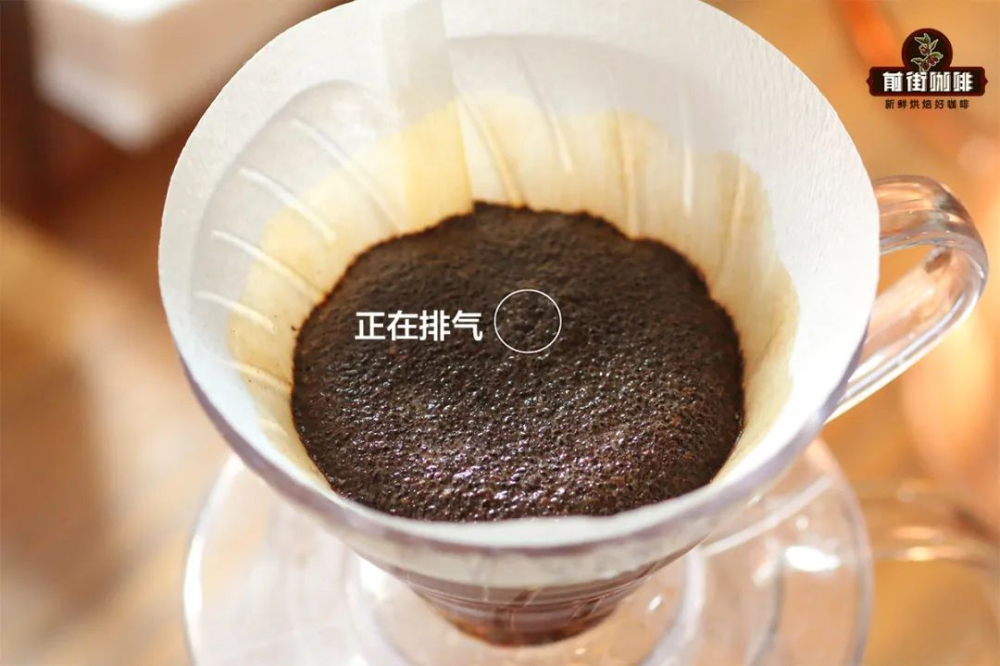
The dome itself forms because the grounds expel CO2 as they absorb water. When a large volume of gas escapes at once, it can't slip through the narrow gaps between particles, so it lifts the entire coffee bed from within, forcing escape channels.
The Evolution of Blooming Techniques
No one can say exactly when blooming was invented, but its purpose — releasing carbon dioxide — only applies to freshly roasted beans. So the earliest blooming methods almost certainly emerged wherever coffee was roasted locally.
Ironically, before fresh roasting became fashionable, fresh coffee was considered a flaw: its extraction was less stable than aged beans. In pour-over circles, brewers eventually traced that instability to the gases escaping during brewing — the less gas, the more stable the cup.

Various techniques arose to keep gas from interfering with extraction. The most common today: pour a small amount of water, pause to let the gas escape, then continue pouring. Others use a slow drip to moisten the grounds gradually, giving gas plenty of time to escape. The methods differ, but the goal is identical — release as much gas as possible using as little water as possible.
Eventually this crystallized into the standard recipe: twice the coffee's weight in water, for 30 seconds. Two parameters — bloom water amount and bloom time. The 2:1 ratio exists because grounds can only absorb about twice their weight in water; anything more just drains away. The 30 seconds comes from observation: most beans release the bulk of their gas in roughly half a minute. Following this simple rule, even a beginner who doesn't understand the theory can brew a decent cup.
Mastering Blooming Techniques
Once you grasp the principle, blooming reduces to one goal: fully wet all the grounds, then give them enough time to degas.
From there, you can adjust water and time to the coffee in front of you. Dark roasts absorb water readily, so they'll hold most of the bloom water with little dripping into the server — 2x water works fine. But some particularly dense light roasts absorb poorly and drip early; for those, use less water, around 1.5–1.7 times the coffee weight.

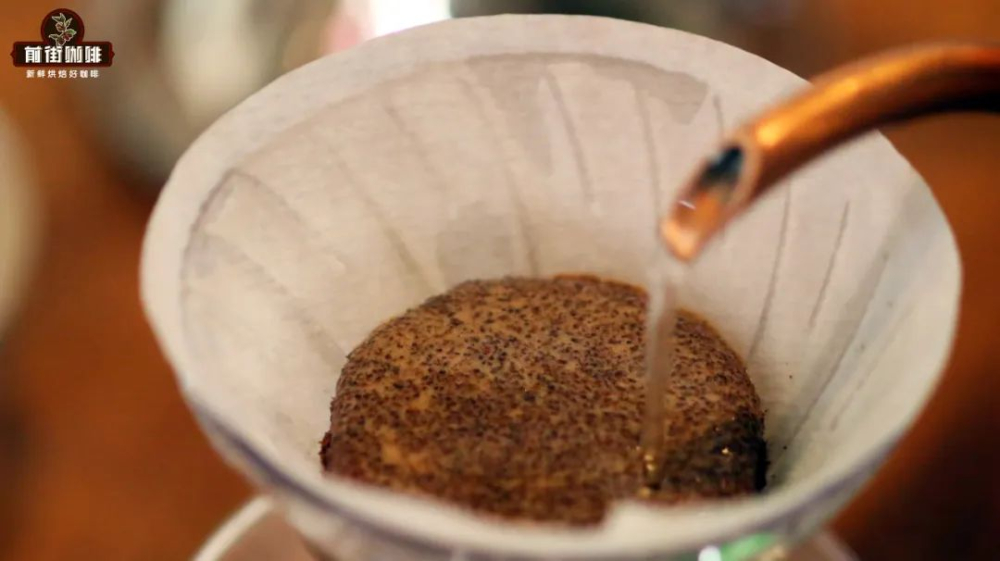
Pouring technique matters too. FrontStreet Coffee generally recommends pouring in small circles from the center outward, so water doesn't run straight down the dripper walls. But every ground must get wet — at minimum, no dry spots should be visible on the surface.
Some coffees barely expand at all, so you'll need wider circles during the pour. You'll develop a feel for it after a few brews. The classic mistake: obsessing over the water amount and timer while ignoring pour control, leaving dry grounds after the bloom. At that point the bloom has failed, and the cup will suffer. FrontStreet Coffee's advice: if you can't wet everything with double the water, just pour more. The purpose of blooming is complete wetting and degassing — not hitting a number.
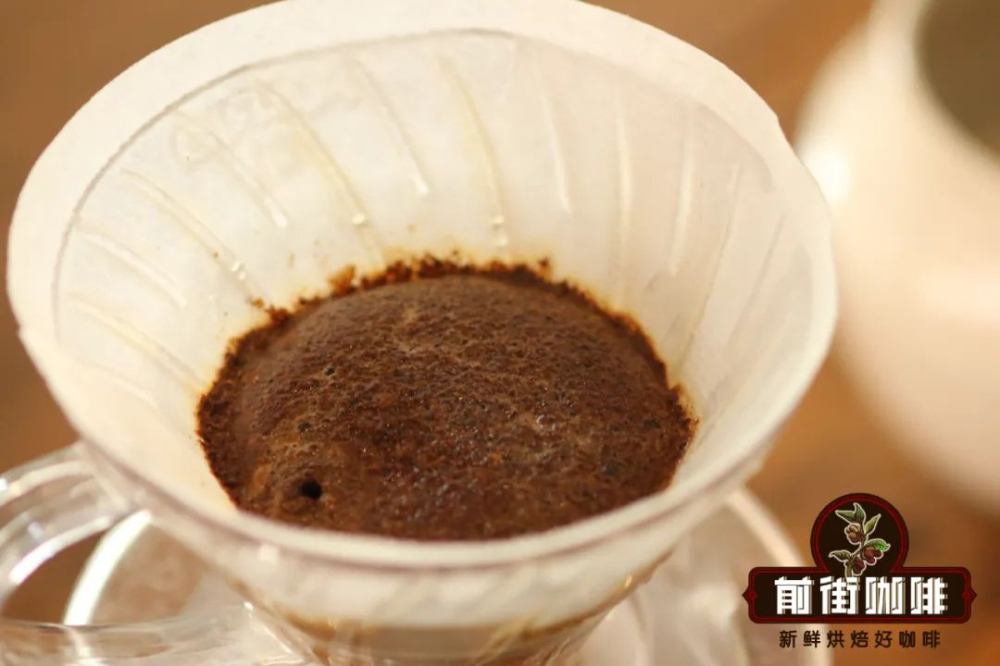
Timing is the other variable. Beans degas differently depending on their age — coffee four days off roast behaves very differently from coffee fifteen days off. So let the bloom itself tell you when it's done: if the bed is still expanding and bubbling at 30 seconds, wait until it settles. Some coffees stop moving in their twenties seconds. FrontStreet Coffee suggests waiting about 3 seconds after the expansion stops before continuing your pour.
Summary and Conclusion
In short, blooming is simple: wet all the grounds with your planned water, then wait until the dome stabilizes and stops changing. When it does, the bloom is over and extraction begins.
As for that saying — "you can tell if coffee will taste good by its bloom" — it's really about judging bean freshness, not your pouring. Very active gas and vigorous bubbling suggests the coffee is extremely fresh and may taste rough or astringent; an even, calm expansion means it's properly rested; no expansion at all could mean stale beans — or just poor pouring or a very light roast.

Two caveats. First, many light roasts are dense and degas slowly, so they dome weakly even when fresh — judging freshness by doming alone often misleads. Second, beans that don't dome aren't necessarily stale or bad: FrontStreet Coffee has tested beans over a month old that showed no visible bloom yet tasted perfectly vibrant. Judge each coffee on its actual merits.
FrontStreet Coffee Recommendation
Blooming shows its best work on fresh, aromatic light roasts — exactly the coffees the V60 was made for. The Hario V60's 60-degree cone and single large outlet extend water-to-coffee contact and reward precise pouring with vivid, layered flavor. FrontStreet Coffee's top picks for V60 brewing: the washed FrontStreet Yirgacheffe Worka (Guji Ding Ding), a gentle gateway to specialty coffee with citrus, berries, jasmine florals, and a green-tea-like finish; and the natural FrontStreet Ethiopia Guji Hambela (Hua Kui), drenched in tropical fruit — strawberry, passion fruit, jackfruit, even lychee — with a juice-like sweetness and almost no bitterness.
If you lean toward a mellower cup instead, the deep-roasted FrontStreet PWN Golden Mandheling brings low-acid, herbal dark-chocolate richness, while the balanced FrontStreet Brazil Fazenda Rainha delivers nutty, cocoa, and caramel sweetness that works beautifully whether you bloom it for a pour-over or pull it as espresso.
Important Notice :
FrontStreet Coffee is a long-established specialty coffee roaster in Guangzhou China, selling freshly roasted beans from its own farm in Yunnan as well as dozens of carefully selected single-origin beans from around the world for both pour-over and espresso. The products deliver consistently excellent quality and great value, with shipping within 24 hours. Guangzhou's FrontStreet Coffee shop is recommended by many coffee lovers, and the beans are now available online at the Tmall 。
FrontStreet Coffee has moved to a new address:
FrontStreet Coffee Address: 315,Donghua East Road,GuangZhou
Tel:020 38364473
 Scan and follow the En Gafei WeChat official account. Please indicate that the reprint comes from "En Gafei".