
Are Coffee Flavor Descriptions Deceptive? How to Taste Flavor Characteristics in Pour-Over Coffee
The Evolution and Art of Coffee Flavor Descriptions
Flavor description is a product of coffee's professionalization. Nobody talks about flavor notes when drinking instant coffee, yet everyone expects them on a bag of single-origin. That is because these were the "rules of the game" laid down back in 1995 — and we are all playing by them.
The professionalization of coffee turned certain brews from purely functional caffeine delivery into an expression of enjoying life. You might order an Americano, a latte or a straight espresso for the kick, but when you walk into a café for a hand-poured single origin, you are there for "appreciation" — a lifestyle as much as a beverage.
Are Coffee Flavors Deceptive?
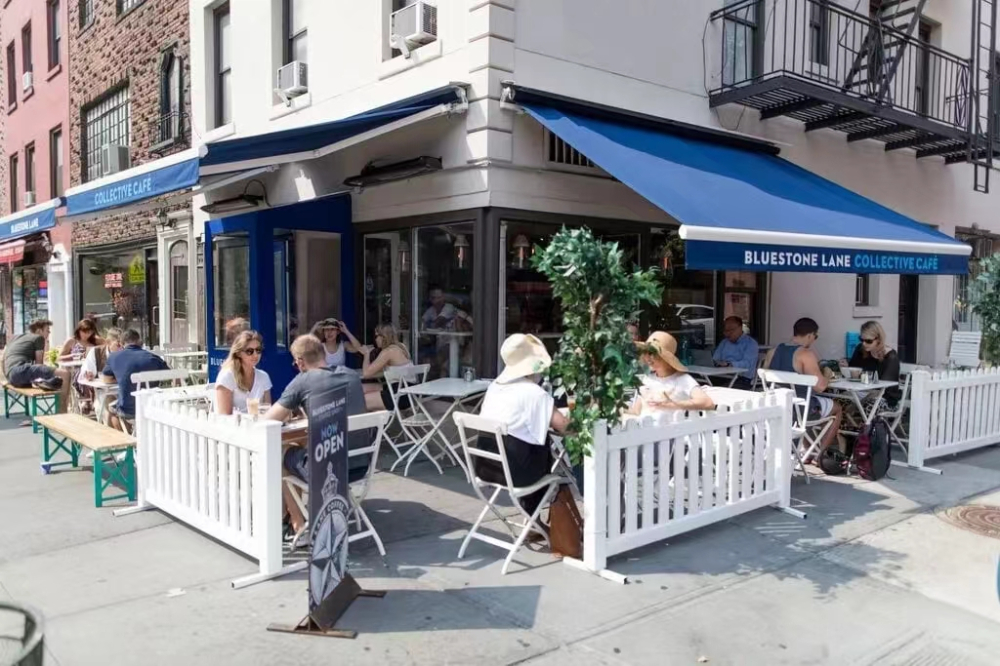
Many newcomers see specialty coffee from the "outside," get curious, and step in. They read glowing descriptions — so many delicious notes! — take a tentative sip, and find... an ordinary cup of coffee. Nothing like the label. So are the flavor descriptions a con?
In Ivon Flament's "Coffee Aroma Chemistry," scientists have isolated more than 800 compounds from coffee beans, many of which also occur in fruits, grains and other foods, and in theory produce similar aromas. Citrus peel, for example, is rich in d-limonene, the compound behind that vivid orange-peel scent — and the same aroma can be detected in certain coffees, with d-limonene confirmed in lab tests. FrontStreet Coffee could go on, but the point is made.
The Development of the Coffee Flavor Wheel
In 1995, the SCAA released the first version of the Coffee Taster's Flavor Wheel.
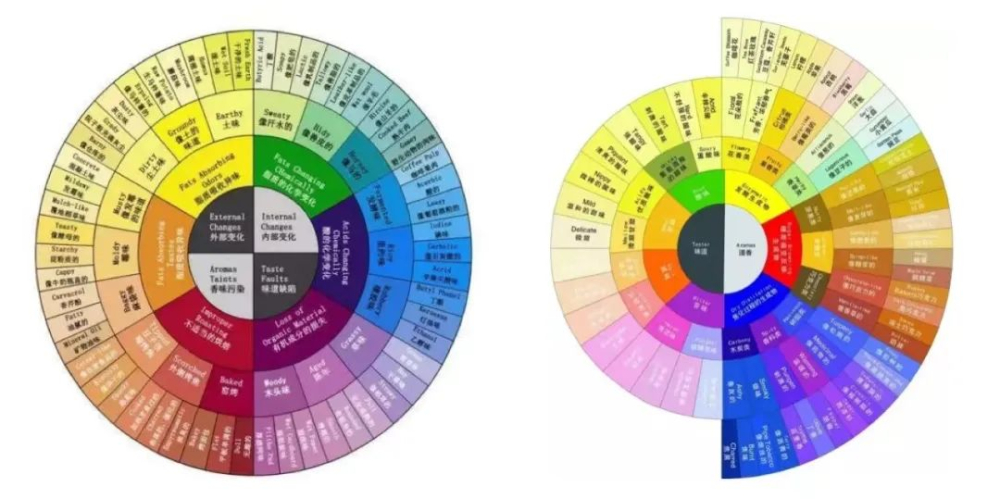
Note that this flavor theory was never written for consumers. It was created to standardize how professional tasters describe coffee, so that everyone in the room understood exactly which flavor was being discussed.

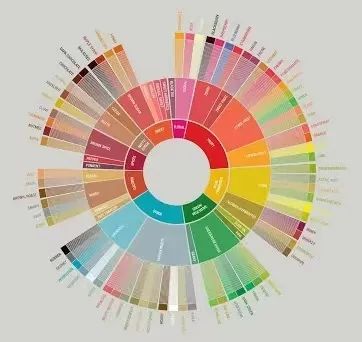
That first wheel came in two variants: one listing only positive flavors, one listing only negative ones. Later, as bean quality improved and the original proved genuinely hard to parse, the SCAA issued a new version in 2016. It trimmed most of the negative descriptors while adding and refining positive ones — far friendlier to coffee newcomers.
Why Flavor Language Matters
With this foundation, flavor description became the shared language for discussing coffee quality. Specialty coffee is, at heart, a pursuit of better quality and culture, and flavor descriptions succeed at making flavor concrete — which is precisely what builds a coffee culture. A newcomer tasting a light roast might register only "sour" and nothing more. But when the label says "raspberry," and it reminds them of fresh raspberries picked in Yunnan last year, suddenly that acidity in the cup has a point of reference — and the coffee becomes far more interesting. Coffee tasting like coffee is expected; coffee tasting like raspberries is remarkable.
Are Flavor Descriptions Just Suggestions?
Others argue that flavor descriptions work by suggestion. Using the example above: unable to taste the notes at first, they suddenly "find" them after reading the label — which, they say, is not really tasting, but fooling yourself.
On this point, FrontStreet Coffee's position is that coffee flavors are not invented out of thin air. Research shows the aromatic compounds in roasted coffee genuinely exist in fruits and nuts. But human senses are no electronic nose: a given compound has to reach a certain concentration — its threshold — before we perceive it at all.
Beyond that, flavor recognition is a learned skill, not an innate one. Our nose and tongue can detect aromas and tastes, but we cannot name an unfamiliar one, and even a firsthand experience fades unless it left a deep impression. This is why sensory courses teach you how to organize and record flavors — but the real key is practice after class, steadily building your own flavor library.
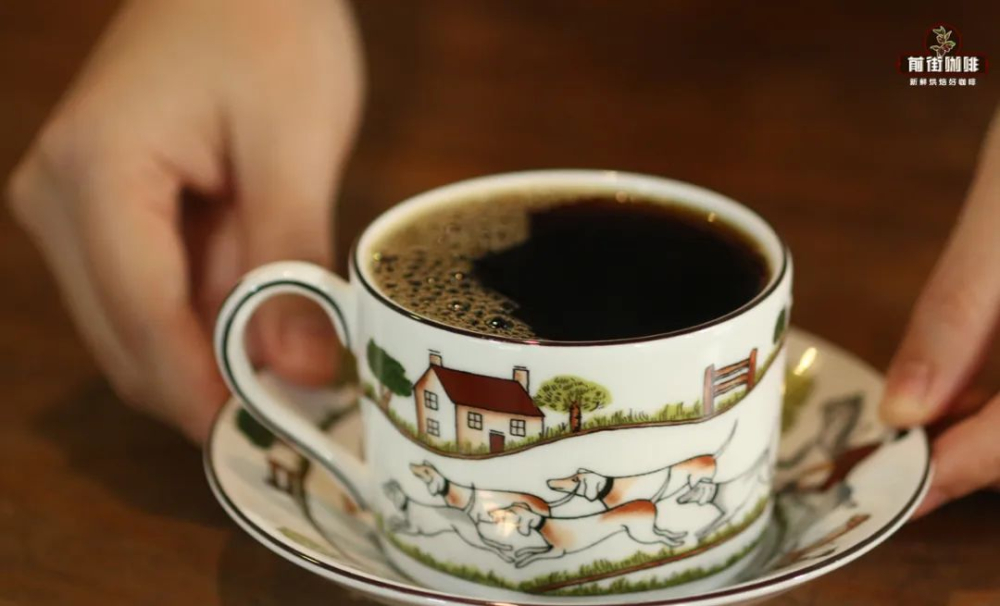
The primary purpose of the flavor notes on a bag of beans, then, is simply orientation: helping you understand what that coffee tastes like before you buy it. You may never have tried this particular lot, but when the description mentions apple, plum or berries, you get an immediate sense of its flavor profile.
The Art of Language in Flavor Descriptions
Why call flavor description an art of language? Here are descriptions of two cups of coffee. After reading both, which would you rather drink? The first: "Rich fruit-wine fermentation aroma, jackfruit sweetness, finishing with a wave of caramel."
The second: "Overripe, rotten fruit flavor, fermented bean-curd note, ending with a trace of scorched sweetness."
In fact, both describe the same cup. Flavors really can be strung together this way — and different wording creates an entirely different tasting experience.
FrontStreet Coffee Recommendation
Training your palate starts with beans whose flavors are vivid and easy to name. From FrontStreet Coffee's range, these three make excellent "reference material" for building your flavor library:
FrontStreet Ethiopia Huakui — the perfect flavor-description workout. Its tropical fruit is unmistakable: strawberry, passion fruit, jackfruit and even lychee, with obvious sweetness and almost no bitterness. If a label has ever felt like an exaggeration, this is the coffee that proves it isn't.
FrontStreet Ethiopia Yirgacheffe Guodingding — citrus, berries and florals laid out clearly and gently, with a green-tea sweetness on the finish. An ideal first light roast for learning to spot bright, delicate notes without being overwhelmed.
FrontStreet Panama Esmeralda Red-Label Geisha — jasmine florals over citrus, bergamot and black-tea nuance; clean, transparent and layered with a long finish. For anyone ready to stretch their sensory vocabulary toward the most elegant end of the spectrum.
Important Notice :
FrontStreet Coffee is a long-established specialty coffee roaster in Guangzhou China, selling freshly roasted beans from its own farm in Yunnan as well as dozens of carefully selected single-origin beans from around the world for both pour-over and espresso. The products deliver consistently excellent quality and great value, with shipping within 24 hours. Guangzhou's FrontStreet Coffee shop is recommended by many coffee lovers, and the beans are now available online at the Tmall 。
FrontStreet Coffee has moved to a new address:
FrontStreet Coffee Address: 315,Donghua East Road,GuangZhou
Tel:020 38364473
 Scan and follow the En Gafei WeChat official account. Please indicate that the reprint comes from "En Gafei".

