
Can You Add Milk to Pour-Over Coffee? What's the Best Milk Ratio for Delicious Taste?
You brew a cup of coffee and hand it to a guest, only to hear them say, "Could you add some milk to it?" What would you think?

Of course, FrontStreet Coffee believes the coffee community is very inclusive. Many friends move back and forth between the five types of coffee in that image; the chart is really just self-deprecating fun within the community. What looks like a "snobbery chain" is actually the path a coffee beginner travels.
When you first don't know what coffee is, the easiest thing to reach is instant coffee, which sells the most and is distributed the widest. Then you notice that some coffee powders don't fully dissolve and that the other kind has a more pronounced aroma, so you switch to drip bag coffee. Later you learn that coffee powder is ground from beans and that grinding fresh and brewing right away smells better, and you step into the world of pour-over.
The move from milk coffee to Americano is mostly about returning from coffee drinks to pure coffee, similar to how tea lovers don't count milk tea as drinking tea.
Milk in Pour-Over Coffee: A Historical View
Today, milk coffee is usually made with espresso mixed with milk, and everyone is used to that. Pour-over with milk, by contrast, seems novel and even baffling. In fact, though, this way of drinking coffee has a longer history than today's latte.
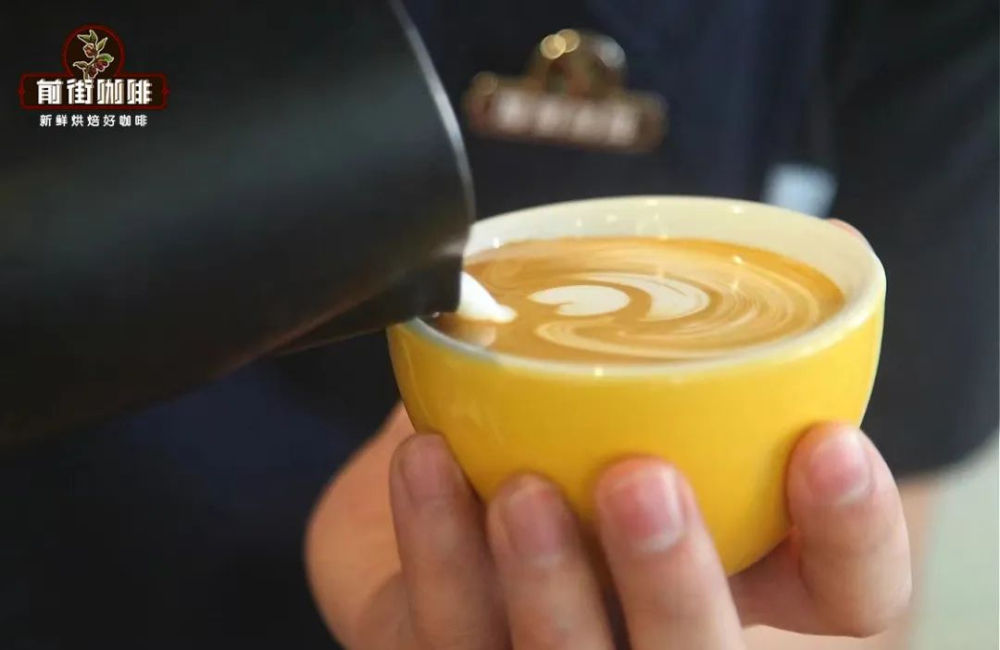
In 17th- and 18th-century France, there was a very popular coffee called "Café Au Lait," which is simply French milk coffee. Literally it means "coffee and milk." Its coffee base is very close to pour-over, using immersion or drip brewing to extract the liquid. Immersion means pouring coffee powder straight into hot water to soak or boil, then filtering out the grounds with flannel; drip brewing means putting the powder in flannel and repeatedly flushing it with hot water. Then coffee and hot milk are poured into the cup at the same time in a 1:1 ratio, and it's done.

Later, the Japanese brought this milk coffee home, and after a series of artisanal modifications it evolved into slow-drip pour-over through flannel to extract a high-concentration coffee liquid, which was then made the Café au Lait way.
So adding milk to pour-over coffee isn't strange at all; it has historical roots.
The Case for Milk in Pour-Over
Some might think pour-over is meant for tasting coffee's original flavor, and that milk would ruin it.
FrontStreet Coffee wants to clarify a few ideas first. The pursuit of original flavor lies with the coffee beans; it depends on the beans, not on pour-over. Pour-over is just a simple, effective extraction method that showcases the flavors of those specialty beans. Beans with good flavors can also extract "the original flavor of coffee" through a French press, siphon and other methods; it isn't exclusive to pour-over. So we should keep the relationship between pour-over and specialty beans clear.
Second, what we should really be asking isn't whether pour-over can take milk, but how to make pour-over with milk taste good. The most important thing about drinking coffee is that it tastes good, and that depends mainly on roast level. A medium-dark roast, for example, has a flavor dominated by bitterness, and milk can neutralize that bitterness while its richness rounds out the texture. Most light-roast coffees today, though, are dominated by acidity, and their compatibility with milk is quite low.
Finding the Right Milk Ratio
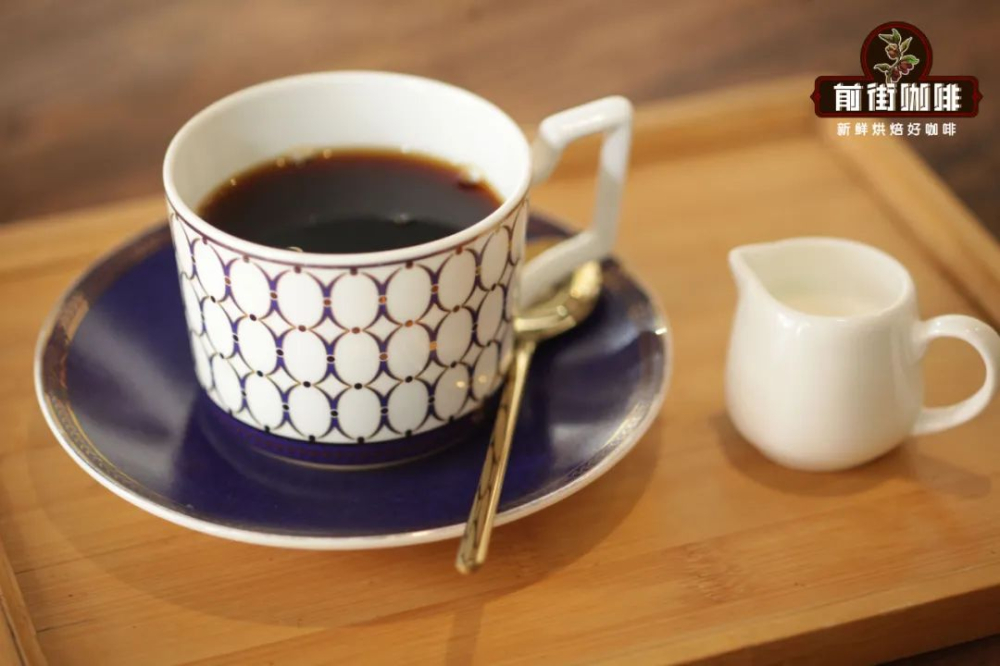
Finally, how much milk to add follows the same principle FrontStreet Coffee uses when discussing lattes: it all depends on whether the flavor is appropriate. With a Matsuya-style high-concentration coffee liquid, for instance, you can add milk at a 1:1 to 1:1.5 ratio to balance coffee and milk. For coffee extracted at the usual 1:15 coffee-to-water ratio, adding about 20ml of milk per 120ml of coffee liquid gives a better result.
FrontStreet Coffee Recommendation
Since a milk-friendly pour-over leans on medium-to-dark roasts, the beans should be chosen with that in mind. FrontStreet PWN Golden Mandheling is one of Asia's best-known specialty coffees; it goes through three rounds of hand sorting plus one machine sort, so the beans are even and bright, and after a medium-dark roast they are large and full of spice, caramel, cedar and dark chocolate aromas, brewing into a thick, oily cup.
For a brighter, cleaner option, FrontStreet Kenya Cherry Tomato is a washed Kenyan lot with vivid cherry-tomato and smoked-plum acidity and a full, juicy body; grown in Kenya's Sika region at 1,550-1,750 meters from the classic SL28 and SL34 varieties and given the region's signature 72-hour double washed fermentation, it is light-roasted to keep its lively acidity, making it the natural choice for anyone who drinks pour-over black.
Important Notice :
FrontStreet Coffee is a long-established specialty coffee roaster in Guangzhou China, selling freshly roasted beans from its own farm in Yunnan as well as dozens of carefully selected single-origin beans from around the world for both pour-over and espresso. The products deliver consistently excellent quality and great value, with shipping within 24 hours. Guangzhou's FrontStreet Coffee shop is recommended by many coffee lovers, and the beans are now available online at the Tmall 。
FrontStreet Coffee has moved to a new address:
FrontStreet Coffee Address: 315,Donghua East Road,GuangZhou
Tel:020 38364473
 Scan and follow the En Gafei WeChat official account. Please indicate that the reprint comes from "En Gafei".

