
Flavor Profile and Texture Characteristics of Pour-Over Dark Roast Coffee: An Introduction to Bitter Coffee Flavor Descriptions

Coffee flavor descriptions came of age alongside specialty coffee. Today, one sip of a lightly roasted coffee is enough for many drinkers to rattle off several flavor notes - and the most practiced among them can recite tasting notes as fluently as reading a menu.
With dark roasted coffee, however, describing flavors gets harder. Words often fall short: "nutty" and "chocolate" have become the default descriptors for bitter coffee, and "mellow" its highest praise.

Tasting the Flavors of Bitter Coffee
In past tasting shares, FrontStreet Coffee has rarely given bitter coffee's flavor profile a detailed treatment - so this article is dedicated to how to taste the flavors of a dark, bitter-toned brew.
Bitter flavors, like acidic ones, are built from both aroma and taste. So when tasting bitter coffee, don't rely on your tongue alone - combine what you taste with the aromas your nose picks up. Most bitter flavors in coffee are formed by caramelization and Maillard reactions during roasting, and the further these reactions go, the more pronounced the bitter notes become.

Categories of Bitter Coffee Flavors
The first category is caramel - the signature flavor of the caramelization reaction, which kicks in after the first crack and browns the bean's sugars, producing caramel and maple syrup aromas. When we talk about caramel and maple notes, we're usually describing aroma rather than literal sweetness - so don't expect your coffee to taste like actual caramel or maple syrup.
The second category is roasted notes, reminiscent of toasted bread or roasted meat. This roasty aroma comes from Maillard reactions between amino acids and proteins inside the bean - it is, in fact, what most of us simply call "coffee aroma."
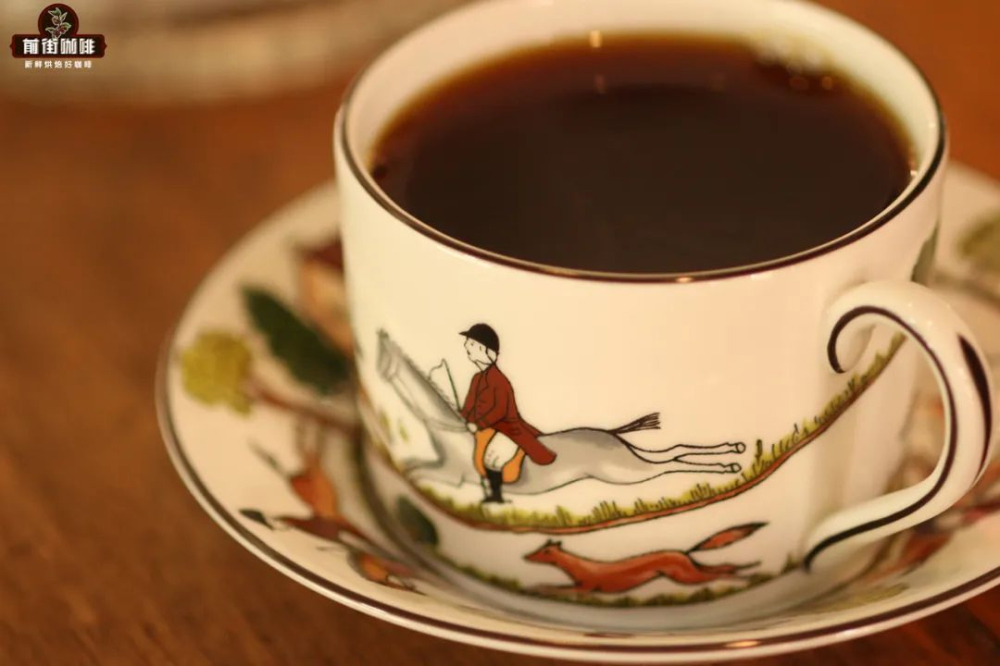
The third category is nut and chocolate. These are the easiest bitter-coffee flavors to identify, also catalyzed by Maillard reactions between amino acids, proteins, and other compounds. Like citrus, "nuts" is an umbrella category that splits into roasted almond, roasted peanut, roasted hazelnut, and so on. "Chocolate" typically means dark chocolate - bittersweet, and quite different from the high-cocoa-butter substitute chocolate most of us eat.
The fourth category is spice, also a product of the Maillard reaction: clove, cardamom, cinnamon, and the like. These are harder to identify, largely because such spices rarely appear alone in daily life - they usually hide in seasoned dishes - so our familiarity with them is limited.

Positive vs. Negative Bitter Flavors
All the flavors above may show bitterness, but it's the pleasant kind - what we call positive flavors. There are negative ones too: smoky, woody, medicinal, and burnt notes, which tend to feel uncomfortable, scratch the throat, and come across as harsh.
Beyond flavor, many people instinctively reach for "mellow" to describe the comfortable feel of a bitter cup. That mellowness is the excellent mouthfeel dark roasts possess; you can also call it rich, full-bodied, or smooth.

Brewing the Perfect Bitter Coffee
Whenever customers ask for "non-acidic coffee," FrontStreet Coffee's baristas immediately point to the blackboard: FrontStreet Indonesia Golden Mandheling, FrontStreet Brazil Queen Estate, and FrontStreet Papua Bird of Paradise - three of the most representative dark-roast options. To draw out their essence (aromatics and rich body), the parameters and technique need extra care. Below, FrontStreet Coffee demonstrates with its most popular Golden Mandheling, step by step:
Dark roasting loosens the bean's internal structure - you can crush one easily with your fingers - which means the grounds absorb water readily. To avoid over-extracting bitter substances once the grounds soak, FrontStreet Coffee grinds coarser and brews with cooler water.

Grind Size and Water Temperature
Grind size is one of the most critical factors affecting taste. Once ground, coffee releases large amounts of water-soluble flavor compounds on contact with hot water. FrontStreet Coffee calibrates grind with a Chinese #20 standard sieve (0.85 mm apertures). For light-to-medium roasts we typically aim for a 75-80% passage rate; for medium-dark roasts, 70-75%. Medium-dark Mandheling beans are looser in structure, absorb water faster, and shed bitter large-molecule compounds more easily, so to avoid over-extraction FrontStreet Coffee grinds to a 70% passage rate.
Water temperature plays a similar role: the hotter the water, the more efficient the extraction, the more compounds released, and the higher the concentration. Near-boiling water easily pulls out unpleasant bitter and astringent substances. Light roasts at FrontStreet Coffee are brewed at 91-93°C; for medium-dark beans like this Mandheling, 87-88°C is the recommendation.

Brewing Parameters
Recommended brewing water temperature: 87-88°C
Coffee grounds: 15 grams
Coffee-to-water ratio: 1:15
Grind size: Medium-coarse (70% passage rate through Chinese standard #20 sieve)
The pour uses a three-stage technique, which best expresses Golden Mandheling's rich body and caramel sweetness.

The first stage is a 30 ml bloom pour, fully wetting the grounds so they can degas - setting up better extraction of flavor compounds in the stages that follow. The second stage pours 100 ml, mainly to draw out Mandheling's golden crema and lift the coffee bed.

The final stage is a gentle 95 ml center pour, which boosts sweetness - the finished cup shows a substantial, full body with caramel sweetness and flavors of chocolate and nuts.
FrontStreet Coffee Recommendation
Golden Mandheling is the flagship of FrontStreet's Mandheling line, produced by Indonesia's PWN company under exacting standards: only beans above 18/64" screen size are used, each 300 g green sample must contain fewer than 3 defective beans to meet the top G1 grade, and three rounds of hand sorting plus one machine sorting strip out defects - producing exceptional cleanliness and sweetness, though supply is limited. FrontStreet's listing includes the PWN certificates and the distinctive PWN-stamped bags, so you can verify authenticity at a glance.
For a more affordable daily Mandheling, FrontStreet Lintong Mandheling from the Lintong region around Lake Toba offers the same wet-hulled character - thick, smooth, herbal and spicy with black sugar and dark chocolate notes - at an entry-level price. And if you'd rather enjoy that Mandheling backbone with milk, the FrontStreet Classic Blend adds medium-dark Mandheling to Brazil's creamy nuttiness, highlighting butter, roasted chestnut, and caramel with a touch of Robusta for extra crema - effortless for lattes or a layered Dirty.
Important Notice :
FrontStreet Coffee is a long-established specialty coffee roaster in Guangzhou China, selling freshly roasted beans from its own farm in Yunnan as well as dozens of carefully selected single-origin beans from around the world for both pour-over and espresso. The products deliver consistently excellent quality and great value, with shipping within 24 hours. Guangzhou's FrontStreet Coffee shop is recommended by many coffee lovers, and the beans are now available online at the Tmall 。
FrontStreet Coffee has moved to a new address:
FrontStreet Coffee Address: 315,Donghua East Road,GuangZhou
Tel:020 38364473
 Scan and follow the En Gafei WeChat official account. Please indicate that the reprint comes from "En Gafei".

