
What! 1 Cup of Milk Tea Contains More Caffeine Than 3 Cups of Americano?!
Professional Coffee Knowledge Exchange
For more coffee bean information, please follow Coffee Workshop (WeChat public account: cafe_style)
Milk Tea Contains More Caffeine Than 3 Cups of Americano
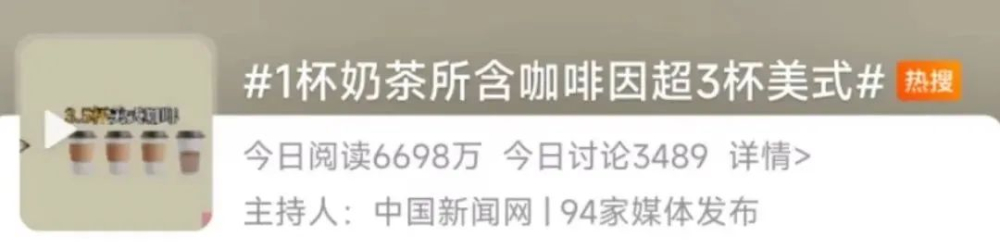
Today the topic "#1 cup of milk tea contains more caffeine than 3 cups of Americano#" trended on Weibo's hot search list. Coffee isn't the only drink with caffeine. Milk tea contains substantial amounts too, as do many other beverages, including some energy drinks and tea drinks.
Under normal circumstances, the caffeine in a cup of milk tea is surprisingly equivalent to roughly 3.5 cups of Americano. Many people have found it hard to fall asleep after drinking milk tea, and caffeine is the likely culprit.
The Effects of Caffeine on Health
Caffeine is a central nervous system stimulant that can temporarily help drive away drowsiness and refresh the mind. For sensitive people, though, caffeine intake can bring insomnia, anxiety, and irritability. Excessive intake can promote calcium loss, raising the risk of fractures and osteoporosis, and long-term, large-scale caffeine consumption can also affect cardiovascular and cerebrovascular health.
Previously, the Shanghai Consumer Council tested dozens of local milk tea brands. The average caffeine content in one cup reached 270mg, with the highest at 428mg, already exceeding the 400mg daily caffeine intake recommendation of the United States Department of Agriculture (USDA) and the European Food Safety Authority.
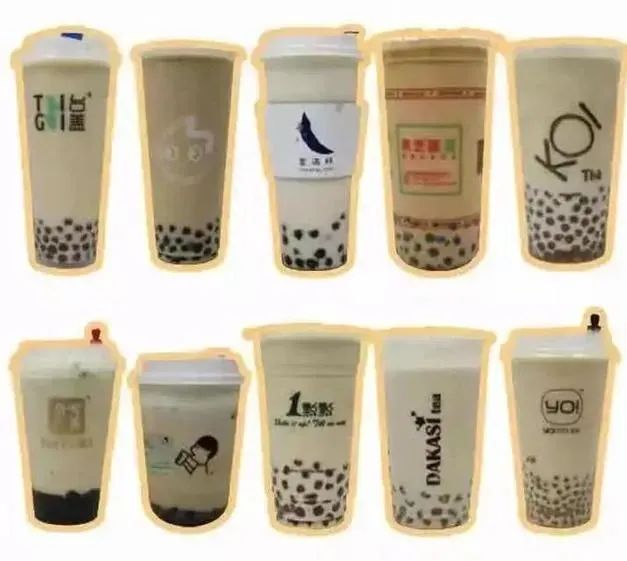
The Shanghai Consumer Council also specifically reminded consumers that caffeine in tea leaves ranges from 2% to 4%, higher than the caffeine content in coffee beans. Because of the raw materials and preparation methods used in modern milk tea, sugar content is also very high. Special populations such as children, pregnant women, and patients with hypertension or heart disease should especially avoid excessive consumption.
Diverse Sources of Caffeine in Daily Life
Our daily caffeine intake doesn't necessarily come from coffee; it can also come from milk tea or other drinks on the market, such as Red Bull, cola, and lemon tea. These all contain a certain amount of caffeine, and normally the caffeine in a single bottle won't exceed recommended limits. But if you regularly drink two or three cans of such beverages a day, you may experience insomnia and other problems from excessive intake. So when choosing drinks, remember to check their caffeine content to avoid overconsumption.

The Hidden Dangers of Milk Tea Additives
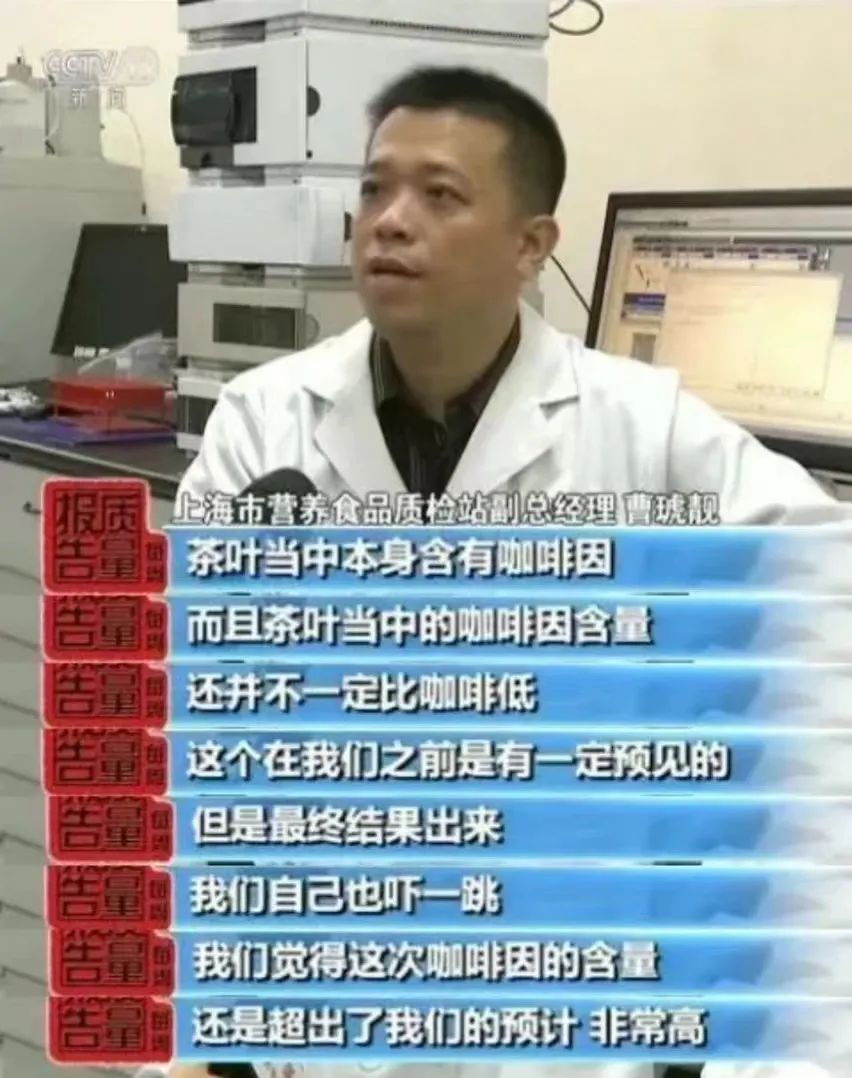
Beyond that, modern tea drinks now offer an ever-growing range of toppings such as pearls, boba, taro balls, taro paste, sago, grass jelly, and coconut jelly. The choices can be overwhelming, and these toppings have long become a beloved part of the milk tea experience. The sugar content in them, however, is immeasurable, and consuming large amounts of sugar and trans fats can lead to health risks such as obesity.
CCTV once reported a survey on the health index of milk tea. The investigation found that mainstream tea drink brands on the market average 13 cubes of sugar per cup of milk tea, with caffeine equivalent to 3/4 cup of Americano. The sugar and caffeine content already far exceed expected limits.
The Evolution Toward Healthier Tea Beverages
As young people pursue higher health and quality standards, modern tea drink brands have begun to place great emphasis on ingredient selection. The era of "fresh milk, fresh tea, fresh fruit" has become the standard for the modern tea drink industry. At the same time there is a greater focus on beverage health, with a preference for low-sugar, low-fat products. Concepts such as zero sucrose, plant-based, and additive-free have given new tea drink companies more inspiration for new products.
No matter how things change, though, milk tea still depends on tea leaves, so consumers who are highly sensitive to caffeine still need to be careful. When buying milk tea, it's best to avoid varieties with a strong tea flavor or choose smaller portions. Toppings, too, should be controlled, controlled, and controlled again.
Image Source
Images sourced from the internet
FrontStreet Coffee Recommendation
If you want to brew Americano at home without guesswork, FrontStreet's Classic Blend is built for it: a traditional Italian-style recipe of Indonesian Mandheling, Brazilian Red Bourbon, and washed Vietnamese coffee, it combines the low-acid, full-bodied, herbal-woody character of Asian coffee with the balanced, creamy smoothness of the Americas, extracting butter, nuts, spice, and dark chocolate with a huge, wild crema. For a value-focused daily cup, FrontStreet's Dark Cocoa Basic Blend pairs Yunnan small-cherry with Brazilian Cerrado for nut, chocolate, and cream aromas plus a ripe plum-like acidity, soft and affordable. And when you tire of dark-roast espresso, FrontStreet's Strawberry Candy Espresso is a medium-roast blend of Colombian, Costa Rican, and Ethiopian Arabica with rose, low bitterness, and gentle acidity, giving grape, raisin, sweet orange, and fruit-candy notes in Americano and latte, finished with a distinctive almond aftertaste.
Important Notice :
FrontStreet Coffee is a long-established specialty coffee roaster in Guangzhou China, selling freshly roasted beans from its own farm in Yunnan as well as dozens of carefully selected single-origin beans from around the world for both pour-over and espresso. The products deliver consistently excellent quality and great value, with shipping within 24 hours. Guangzhou's FrontStreet Coffee shop is recommended by many coffee lovers, and the beans are now available online at the Tmall 。
FrontStreet Coffee has moved to a new address:
FrontStreet Coffee Address: 315,Donghua East Road,GuangZhou
Tel:020 38364473
 Scan and follow the En Gafei WeChat official account. Please indicate that the reprint comes from "En Gafei".

