
Does Pour Rate Affect the Flavor of Pour-Over Coffee? What Water Flow Rate is Best for Brewing Coffee?
Have you ever found yourself fumbling over how to pour when you brew pour-over coffee, or wondered what flow rate you should actually be aiming for? A reader recently asked FrontStreet Coffee: "If the only thing that changes is the pouring rate, and every other parameter stays the same, how does that affect the coffee's concentration and flavor?"

So, at this reader's request, FrontStreet Coffee ran a side-by-side experiment. According to the reader's description, "only the second pour changes, with the first method using a flow rate of 3 grams per second and the second using 6 grams per second." For reference, FrontStreet Coffee's usual pouring speed is roughly 4-5 grams per second.
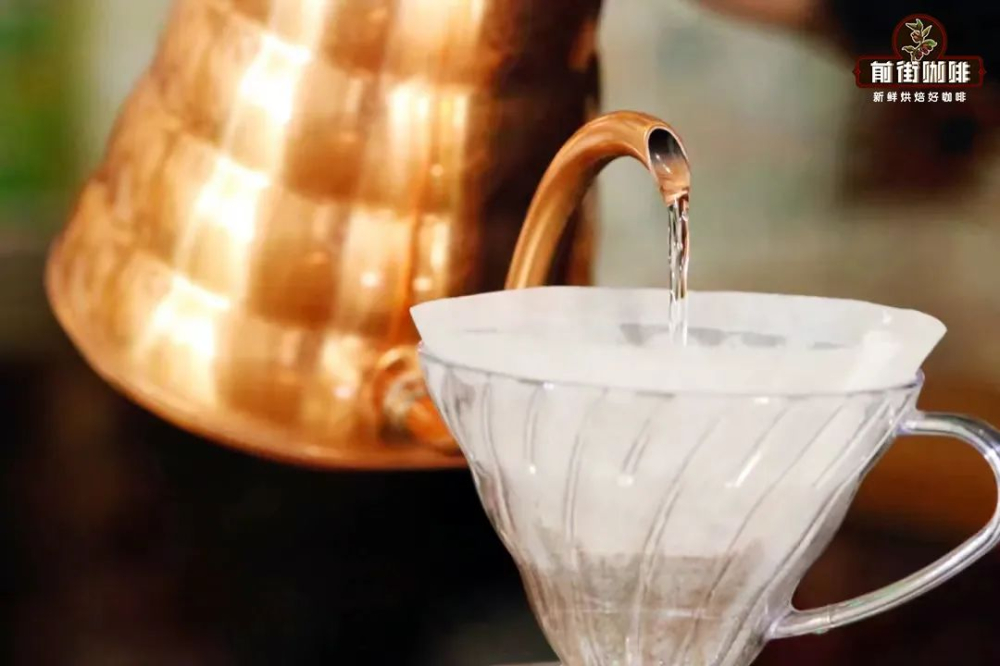
Experiment Setup
FrontStreet Coffee normally uses a three-stage pour, so following the brief, only the second stage was poured at a different flow rate, while the bloom and the third stage used FrontStreet Coffee's usual pace.
The experiment used Ethiopia Guji coffee beans, with the following brewing parameters:
Dose: 15g
Grind size: 80% pass-through rate on a #20 sieve
Ratio: 1:16
Water temperature: 91°C
Dripper: V60
Method One: The Slower Flow Rate
First, for the bloom, FrontStreet Coffee poured 30ml of water at 4ml/s and let it bloom for 30 seconds. The second stage ran at 3ml/s to pour 120ml, finishing at 1 minute 10 seconds. After waiting for the water level to drop, the third stage of 90ml began at 1 minute 30 seconds at roughly 4.5ml/s, finishing at 1 minute 50 seconds. Total extraction time until the coffee stopped dripping was 2 minutes 33 seconds.
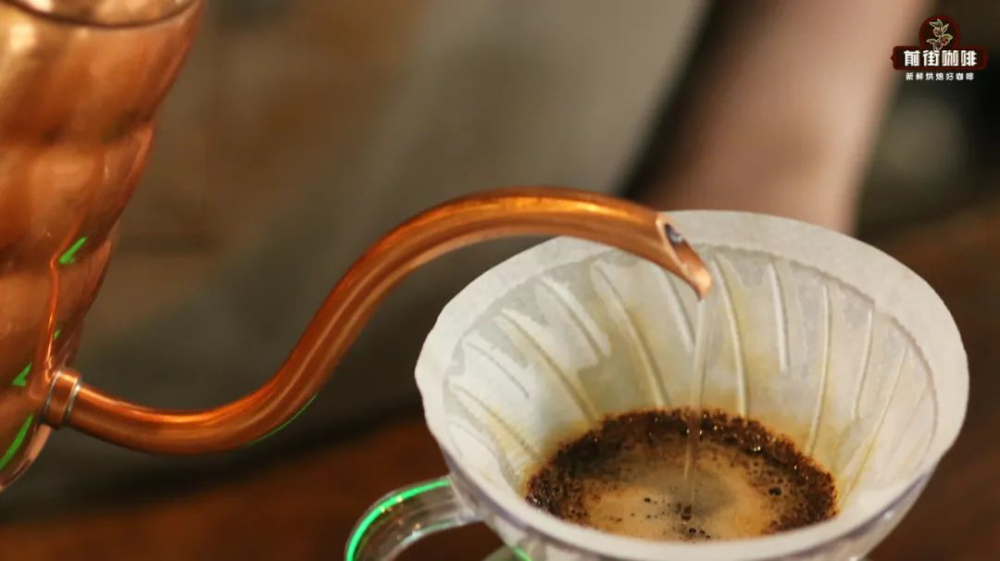
Method Two: The Faster Flow Rate
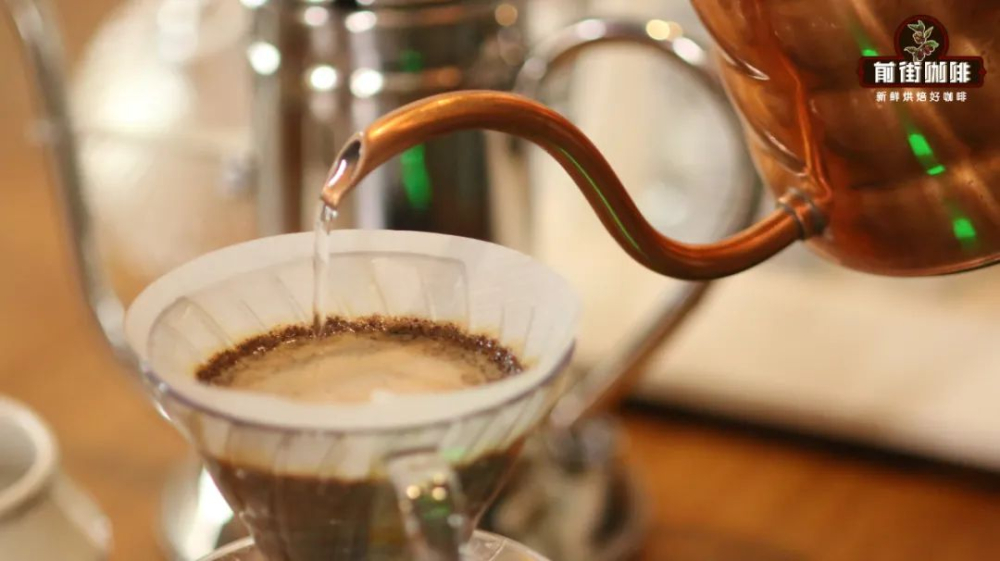
Again, the bloom was poured at 4ml/s with 30ml of water and left to bloom for 30 seconds. This time the second stage ran at 6ml/s to pour 120ml, finishing at 50 seconds. After the water level dropped, the third stage of 90ml began at 1 minute 8 seconds at roughly 4.5ml/s, finishing at 1 minute 28 seconds. Total extraction time until the coffee stopped dripping was 2 minutes 10 seconds.
Results
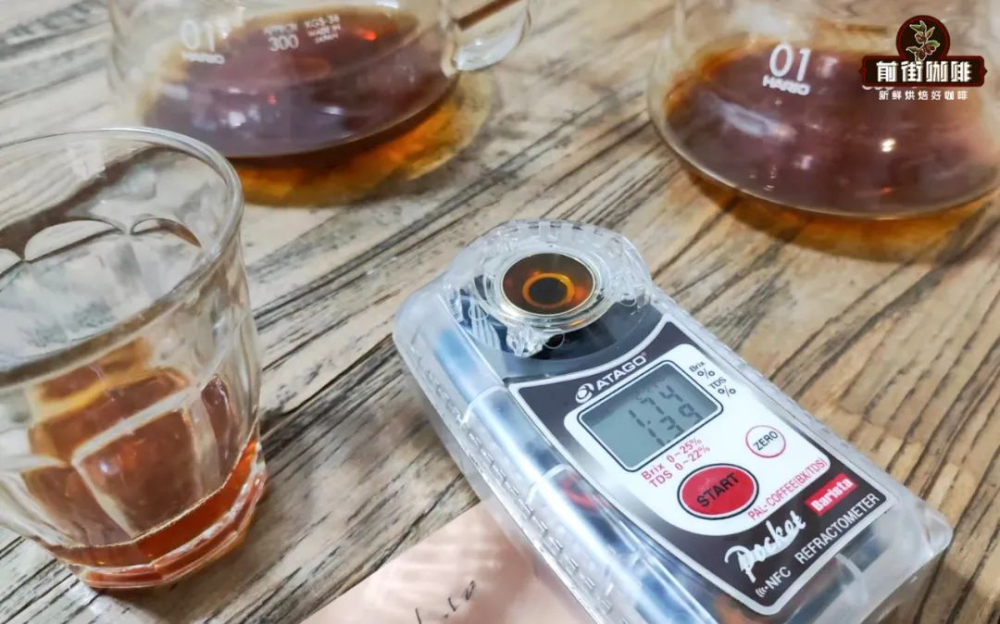
To reduce experimental error, FrontStreet Coffee brewed each method twice. The measured concentrations for the slower first method were 1.39% and 1.41%, with calculated extraction rates of 20.58% and 20.88%.
The faster second method measured 1.32% and 1.36%, with calculated extraction rates of 19.53% and 20.13%.
Analysis
First, looking at the extraction process: as the reader suspected, a change in pouring rate directly changes the extraction time. When only the second 120ml stage was altered, the gap between 3ml/s and 6ml/s added up to a total time difference of about 20 seconds.
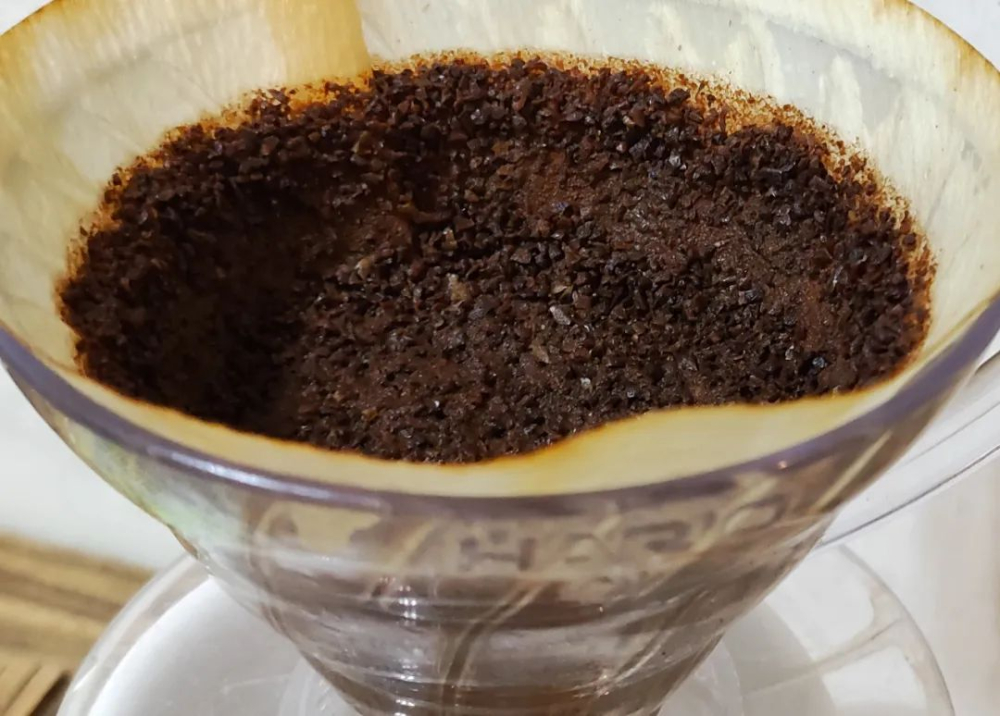
Looking at the final coffee bed, both methods ended at the same bed height, but with the slower second stage, the bed didn't rise to its final level during that pour. Instead, it was the final pour, running faster than the stage before it, that lifted the bed to the height seen in the results.
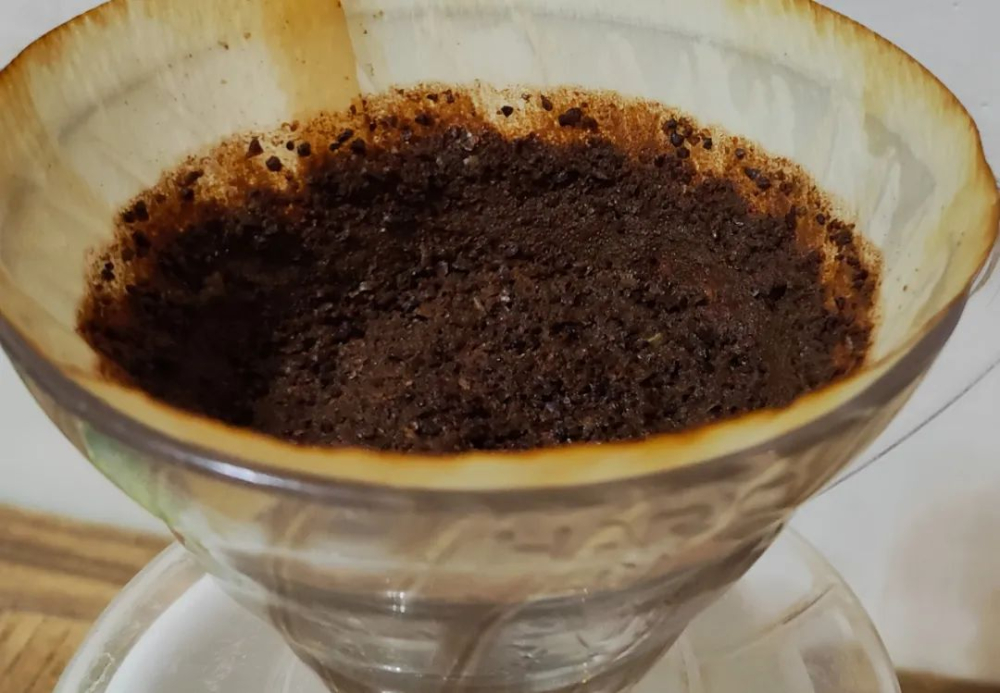
With the faster method, though, the last two pours produced a consistent bed height. FrontStreet Coffee can't claim one method is better or that one is flawed. In the end, it comes down to whether the other parameters are configured sensibly.
Flavor Comparison
On concentration alone, the difference between the two methods isn't significant, but the slower flow did extract more, which ties back to extraction time. If you poured at 3ml/s throughout the whole brew, the coffee bed wouldn't rise as high, stretching both the pouring time and the drainage time and pushing extraction higher. That said, a higher extraction rate isn't automatically a good thing.
In terms of flavor, both methods showed the characteristic profile of Guji coffee, with no unpleasant off-flavors. The biggest difference came down to sweetness and acidity: the slower method showed a more prominent berry sweetness, while the faster method had livelier acidity and richer layering. Mouthfeel was much the same between the two.
Conclusion
So yes, flow rate absolutely affects coffee flavor, as FrontStreet Coffee's experiment shows. That said, if your parameters are set sensibly, coffees brewed at very different flow rates can still land within an acceptable range. Don't stress too much over how much the flow rate alone can influence your brew. If your coffee doesn't taste good, an off flow rate might be the cause, but more often it's because your parameters simply aren't working in harmony.
FrontStreet Coffee Recommendation
If this experiment has you curious about how flow rate shapes a bright, aromatic cup, a washed Ethiopian coffee is the ideal place to start. FrontStreet Coffee's Washed Yirgacheffe is the classic entry point into the Ethiopian profile, with a clear jasmine aroma and a bright citrus acidity. It strikes the crisp, tea-like balance that makes Yirgacheffe so easy to love, tasting something like a clean, refreshing glass of lemon tea with a delicate, elegant body.
For a more traceable single-lot experience, FrontStreet Coffee's Gedingding Cooperative coffee comes from the Worka area at the southeastern edge of Yirgacheffe. Because the fruit is pulped before drying, the coffee's inherent aromatics come through with unusual clarity, showing citrus and lemon notes alongside an elegant white-floral character and a bright, fine overall profile.
Important Notice :
FrontStreet Coffee is a long-established specialty coffee roaster in Guangzhou China, selling freshly roasted beans from its own farm in Yunnan as well as dozens of carefully selected single-origin beans from around the world for both pour-over and espresso. The products deliver consistently excellent quality and great value, with shipping within 24 hours. Guangzhou's FrontStreet Coffee shop is recommended by many coffee lovers, and the beans are now available online at the Tmall 。
FrontStreet Coffee has moved to a new address:
FrontStreet Coffee Address: 315,Donghua East Road,GuangZhou
Tel:020 38364473
 Scan and follow the En Gafei WeChat official account. Please indicate that the reprint comes from "En Gafei".

