
How to Extract Sweetness in Pour-Over Coffee? Understanding the Flavors from Early, Middle, and Late Extraction Stages
To brew a flavorful cup, the aim is to capture more of the coffee's sweet and sour notes while extracting fewer bitter compounds. FrontStreet Coffee set out to "break down" each stage of a pour-over for tasting, to find out which stage releases the most sweetness.
Why Bother with Multi-Stage Extraction?
During a multi-stage pour-over, different flavor compounds extract at different rates. When hot water hits the grounds, the order of release is sour, then sweet, then bitter.
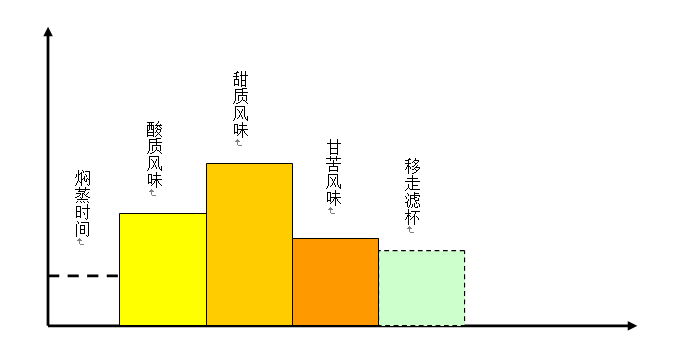
With segmented pouring, beyond the bloom, keeping the same coffee-to-water ratio but splitting it into more pours reduces the water volume in each pour. That flushes and stirs the bed more often, pushing the extraction rate higher. More segments also stretch the total extraction time, so more compounds come out within each stage and the flavor layers grow richer.
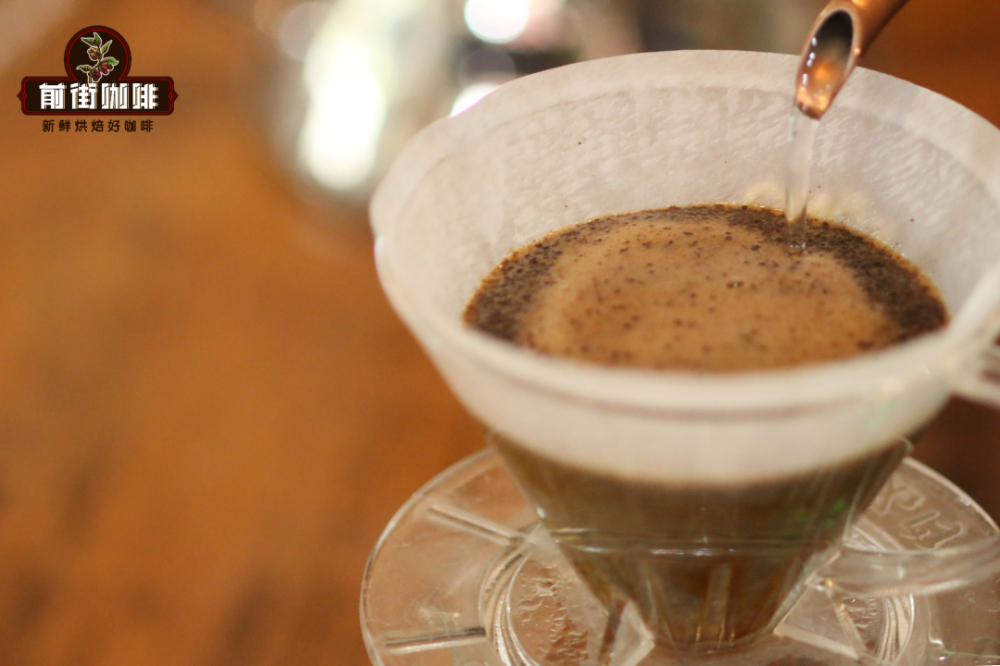
Three-Stage Pouring: What Each Stage Tastes Like
FrontStreet Coffee chose a medium-roasted Papua Paradise Bird bean, which has distinct cane sugar notes and high sweetness, making the corresponding stages easier to identify. Parameters: 15g of coffee, grind size EK43 setting 10.5 (75% retention on a #20 sieve), water at 89°C, total water 225ml, three-stage pour. The filter paper and dripper were pre-wetted, and a pre-warmed carafe was used for each stage.
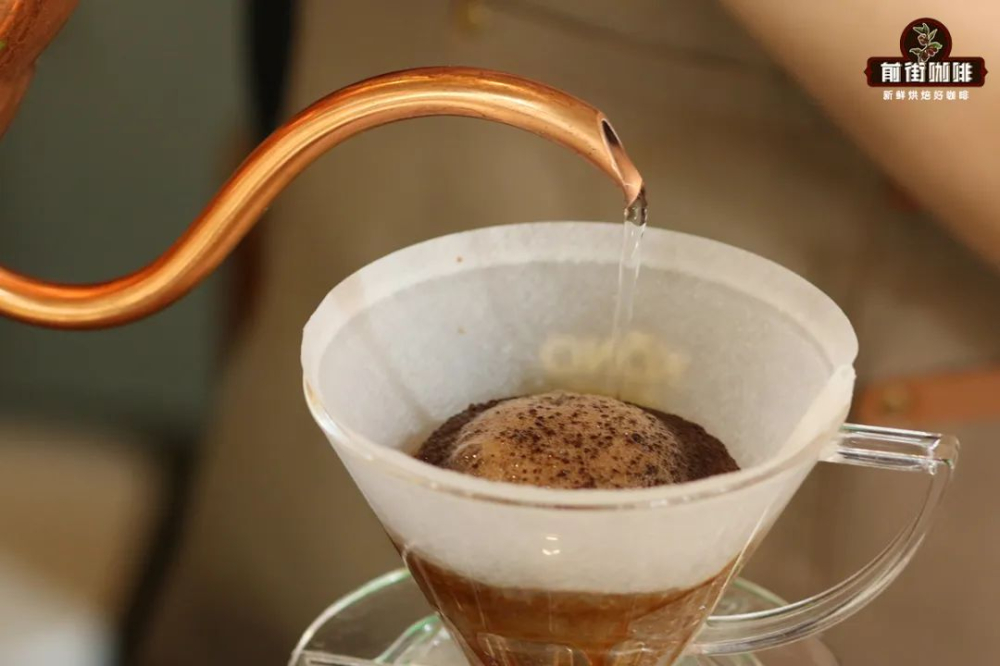
First stage: a 30ml circular pour, 30-second bloom. Early flavors: hazelnut, dark cocoa, caramel, with high concentration and noticeable acidity and salinity.
Second stage: after 30 seconds, pour 95ml in a circular motion from the inside out while raising the coffee bed. Mid-stage flavors: sugarcane, nuts, citrus, fruity notes, and a tea-like sensation, with slightly high concentration. As the temperature drops, sweet and sour notes come to the fore.
Third stage: once the liquid has finished dripping, transfer to the final carafe and pour 100ml in small circles. Total extraction time: 2'16". Late-stage flavors: almond, citrus, and a light white tea sweetness, with a relatively light flavor but a clean mouthfeel.
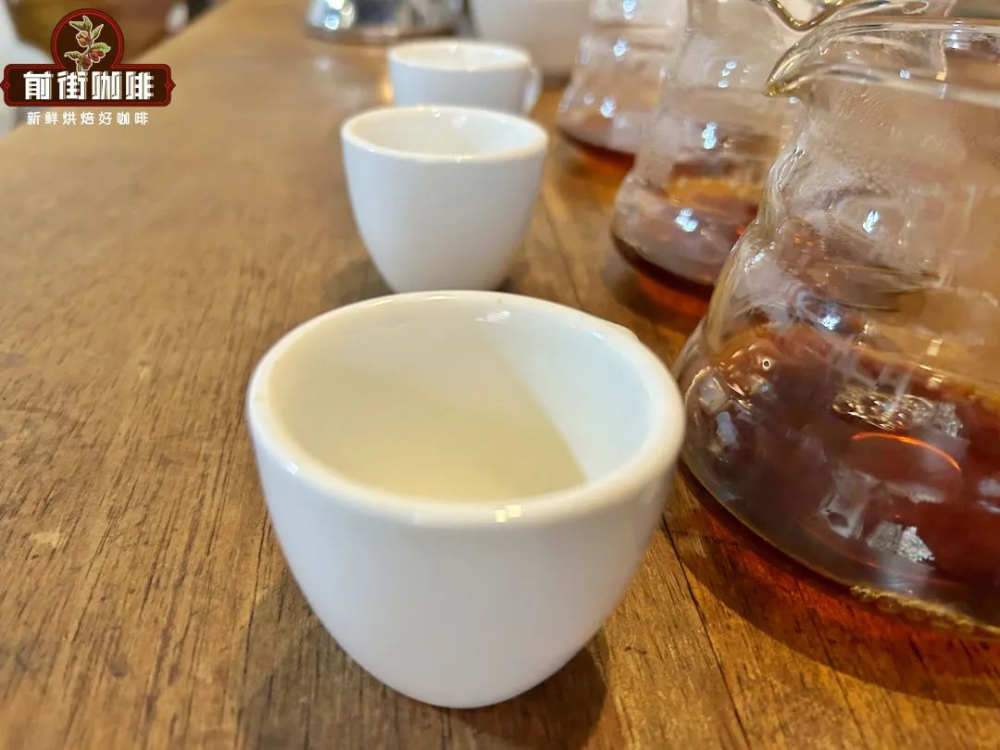
The first stage wets the grounds and releases gas. With so little water, the overall concentration is high and both acidic and bitter compounds are concentrated, giving a more complex mouthfeel. The second stage adds more water, so the concentration is a little lower than the first, and sweet and sour compounds release faster for a lighter mouthfeel. The final stage uses the most water and aims to extract the coffee's rich body; in this particular bean that shows up as an almond aftertaste and tea sweetness, with the lowest overall concentration and milder flavors.
Comparing with a Four-Stage Pour
To pinpoint the sweetness stage more clearly, FrontStreet Coffee kept the same coffee-to-water ratio and grind parameters but used four pours of 30ml, 65ml, 65ml, and 65ml, for a total time of 2'31''.
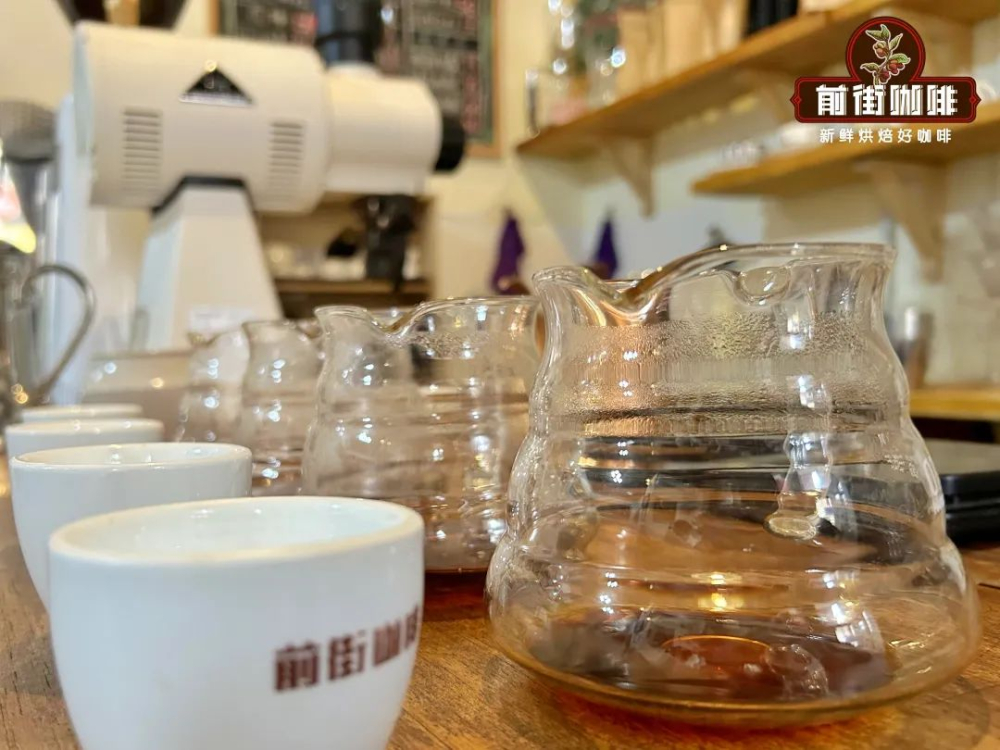
In the comparison, the early flavors matched the three-stage pour: dominated by high concentrations of acidity and salinity. The second stage was less concentrated, with clear sweetness of roasted hazelnuts and sugarcane and low acidity. The third stage was mainly nut and sugarcane sweetness with some tea-like aftertaste but weaker overall. The final stage had the lowest concentration, with only faint tea notes, almond bitterness, and woody tones.
When FrontStreet Coffee mixed and tasted the four carafes together, the overall mouthfeel was balanced and moderate, with the sweetness of roasted hazelnuts and sugarcane and the gentle acidity of citrus, but the aftertaste carried a slight over-extraction bitterness.
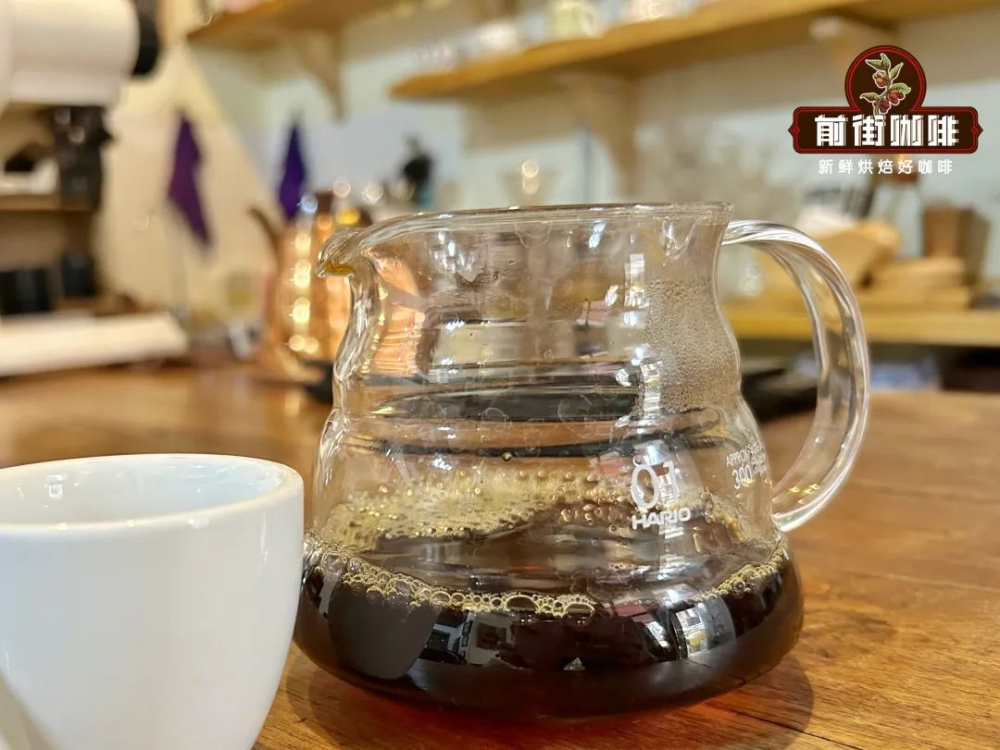
Because more segments mean a longer process, they raise the risk of over-extraction. Large-molecule compounds in the later stages release more easily and can mask the sweetness. So more pours are not necessarily better.
Which Stage Holds the Sweetness?
Back to the comparison: whether the pour was three-stage or four-stage, sweetness was higher in the middle and later stages, and most obvious in the final one.
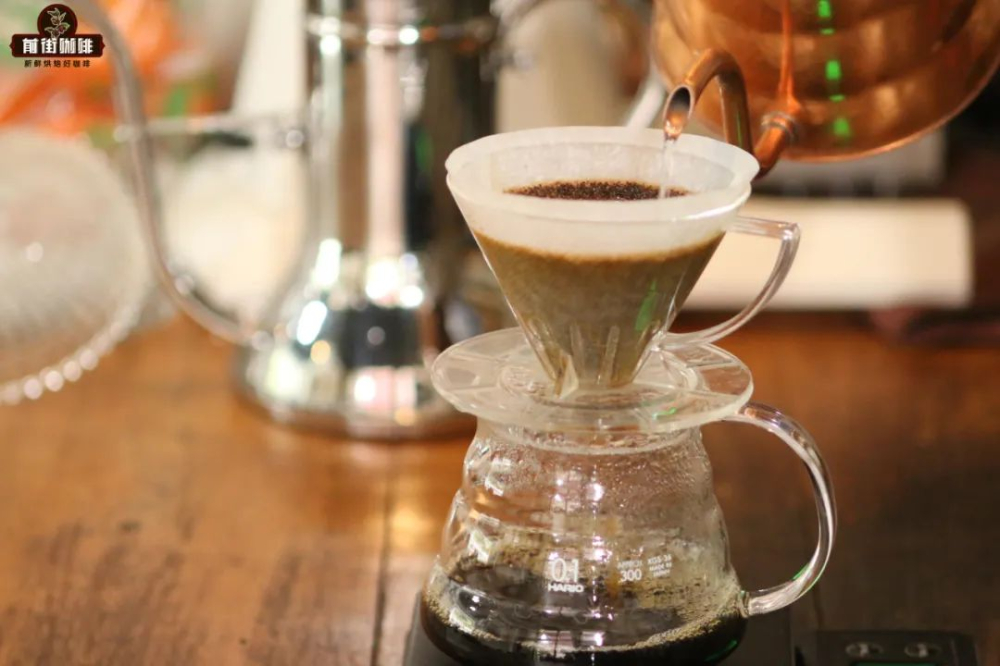
Sweetness comes mainly from the 6-9% sugar compounds in coffee. So to extract it fully, you need to raise the extraction rate while avoiding over-extraction. That can be done by raising the water temperature, grinding finer, or extending the extraction time.
FrontStreet Coffee Recommendation
A V60 is at its best with floral and fruity coffees, so FrontStreet recommends a few beans that suit the pour-over stages described above. FrontStreet Yirgacheffe Gudingding is a gentle first step into specialty coffee, with citrus, berry, and floral notes and a green-tea sweetness. FrontStreet Ethiopia Huakui stands out for its tropical-fruit aromatics, strawberry, passion fruit, and jackfruit among them, with low bitterness and a juicy, smooth body.
If you like bright, complex acidity, FrontStreet Kenya Little Tomato is a washed Kenyan bean from the Sika region, grown at 1550-1750 meters from the classic SL28 and SL34 varieties and given Kenya's 72-hour double washed fermentation; expect clear cherry-tomato and smoked-plum notes, a bright, solid acidity, a sweet mid-palate, and a clean finish with brown sugar and green tea. FrontStreet Strawberry Candy, a blend of Costa Rican honey-processed coffee and Panama Geisha, brings delicate florals and sweet fruit and works for pour-over, moka pot, espresso machine, and cold brew alike.
Important Notice :
FrontStreet Coffee is a long-established specialty coffee roaster in Guangzhou China, selling freshly roasted beans from its own farm in Yunnan as well as dozens of carefully selected single-origin beans from around the world for both pour-over and espresso. The products deliver consistently excellent quality and great value, with shipping within 24 hours. Guangzhou's FrontStreet Coffee shop is recommended by many coffee lovers, and the beans are now available online at the Tmall 。
FrontStreet Coffee has moved to a new address:
FrontStreet Coffee Address: 315,Donghua East Road,GuangZhou
Tel:020 38364473
 Scan and follow the En Gafei WeChat official account. Please indicate that the reprint comes from "En Gafei".

