
Starbucks Has Pearl Coffee Too! Coffee with Toppings Isn't Excessive
Perhaps in the near future, ordering coffee won't sound like "I want an iced Americano, substitute Yirgacheffe SOE, add an extra shot, extra ice with no water"—but rather, "I want an iced Americano, substitute Yirgacheffe SOE, add crispy popping boba and lemon jelly."

The drift of coffee toward tea-drink territory isn't new. As early as 2018, various merchants began adding fruit juices and fresh fruit to coffee, gradually evolving into the many fruit-based specialty drinks we see today. The difference is that today's creations put more weight on visual appeal—richer and more layered to the eye.
Then in 2019, HEYTEA began adding brown sugar boba to its coffee line, fulfilling many people's dream of more pearls in their latte—and igniting a wave of pearl-coffee enthusiasm.
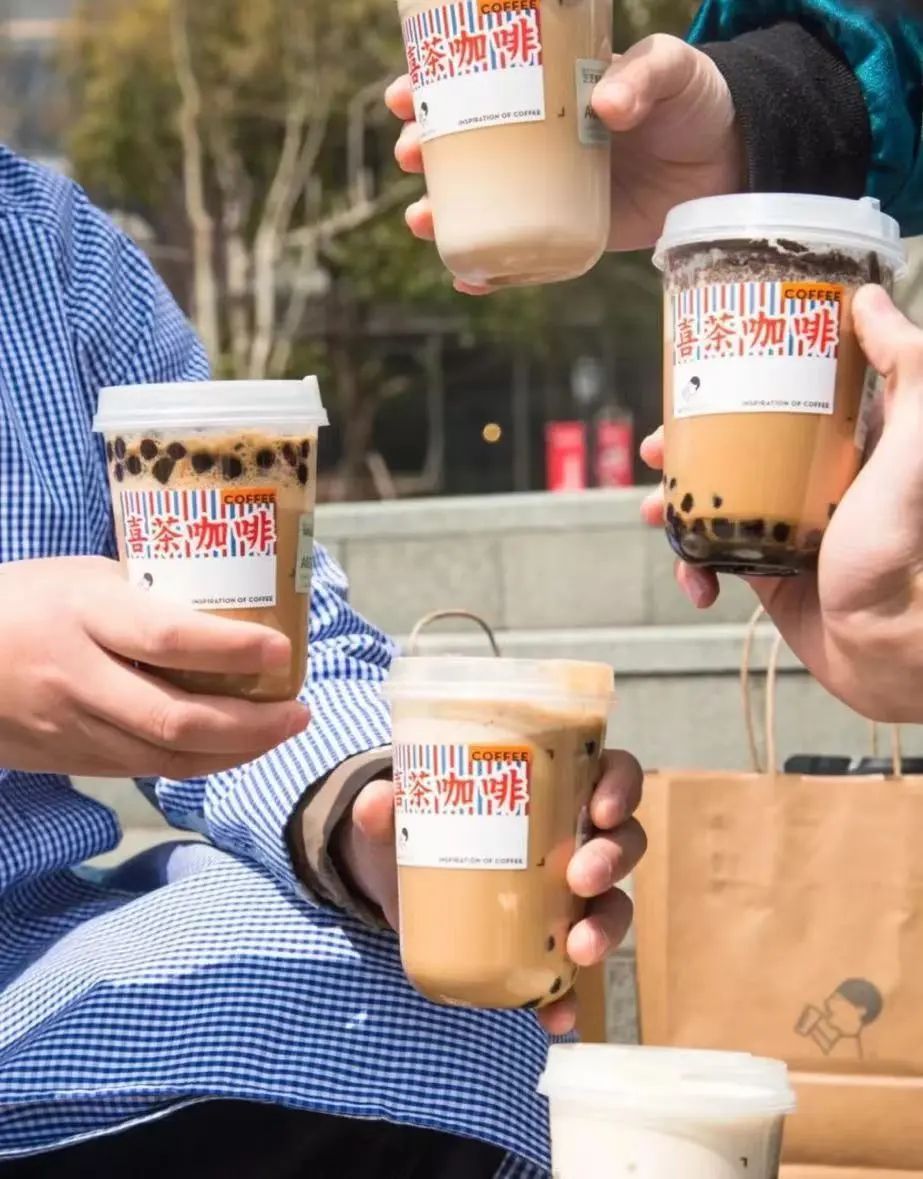
Luckin Coffee followed with its "Meteorite Latte," adding brown sugar agar jelly to lattes. Compared with HEYTEA's chewy pearls, the agar addition seemed to win more favor with consumers—this product has now been on the menu for three years since launch.
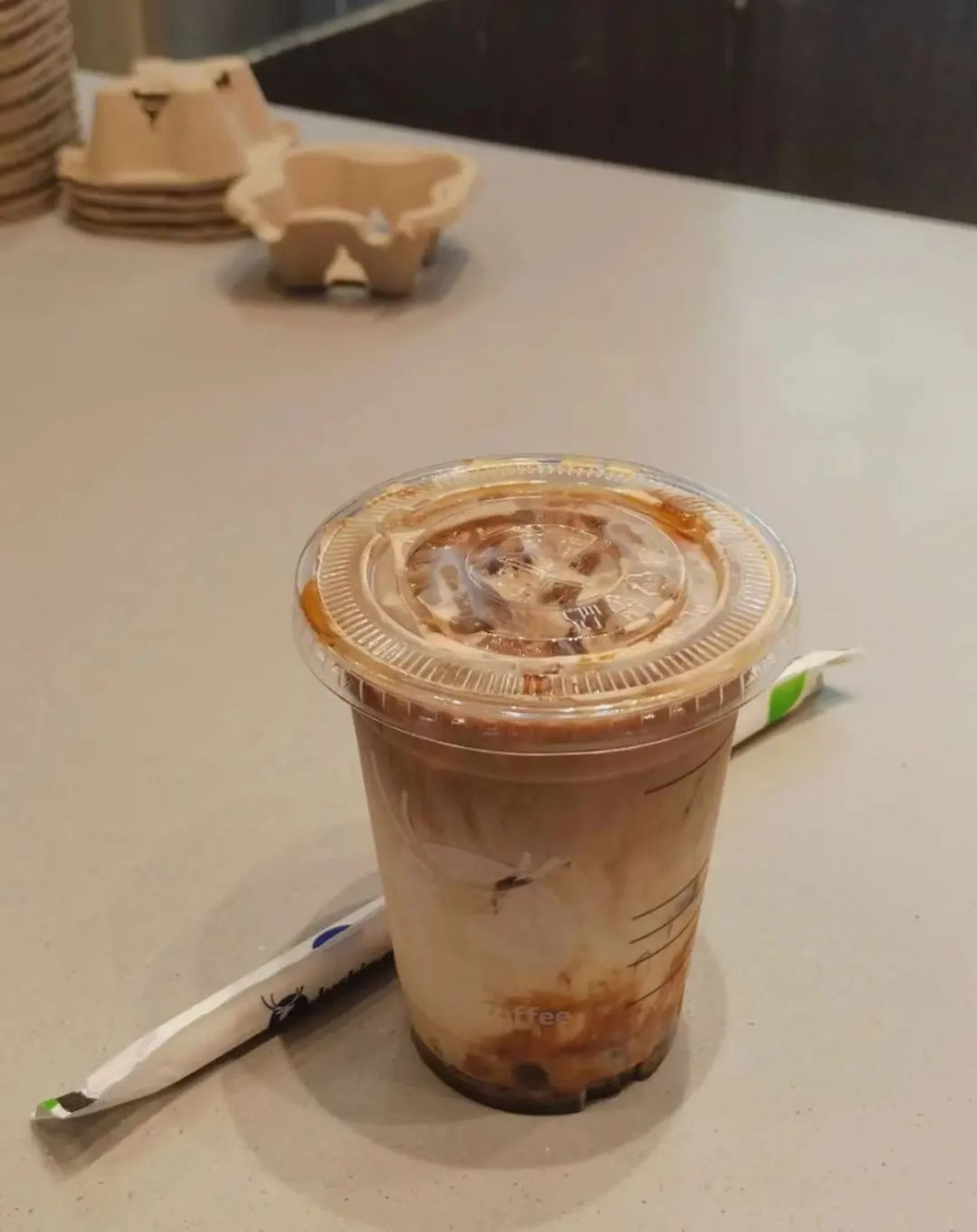
Starbucks noticed the trend too, launching coffee products with "pearls" in different regions starting in 2020. To integrate pearls better into coffee, Starbucks developed caramel coffee popping pearls that burst in one bite—letting customers enjoy the fun of chewing pearls without disrupting the drink's texture.
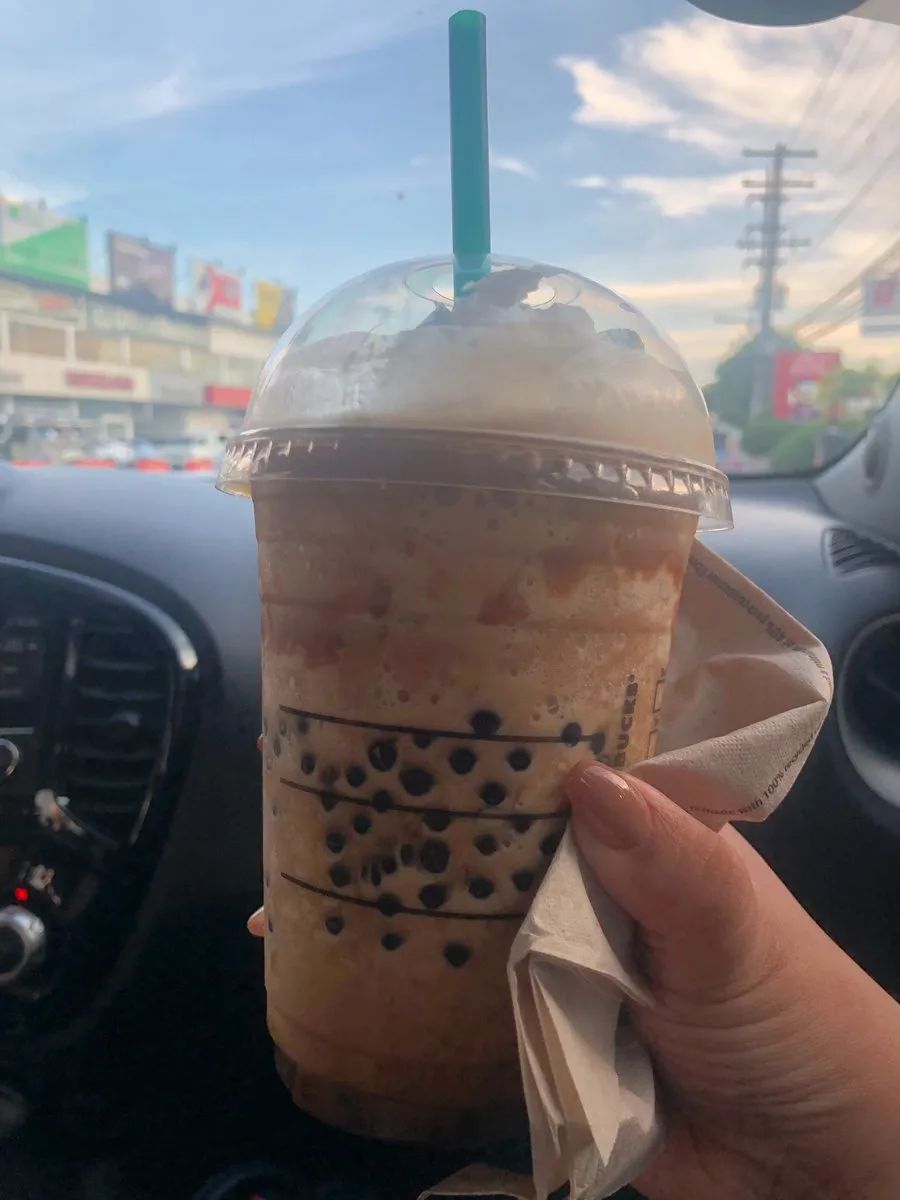
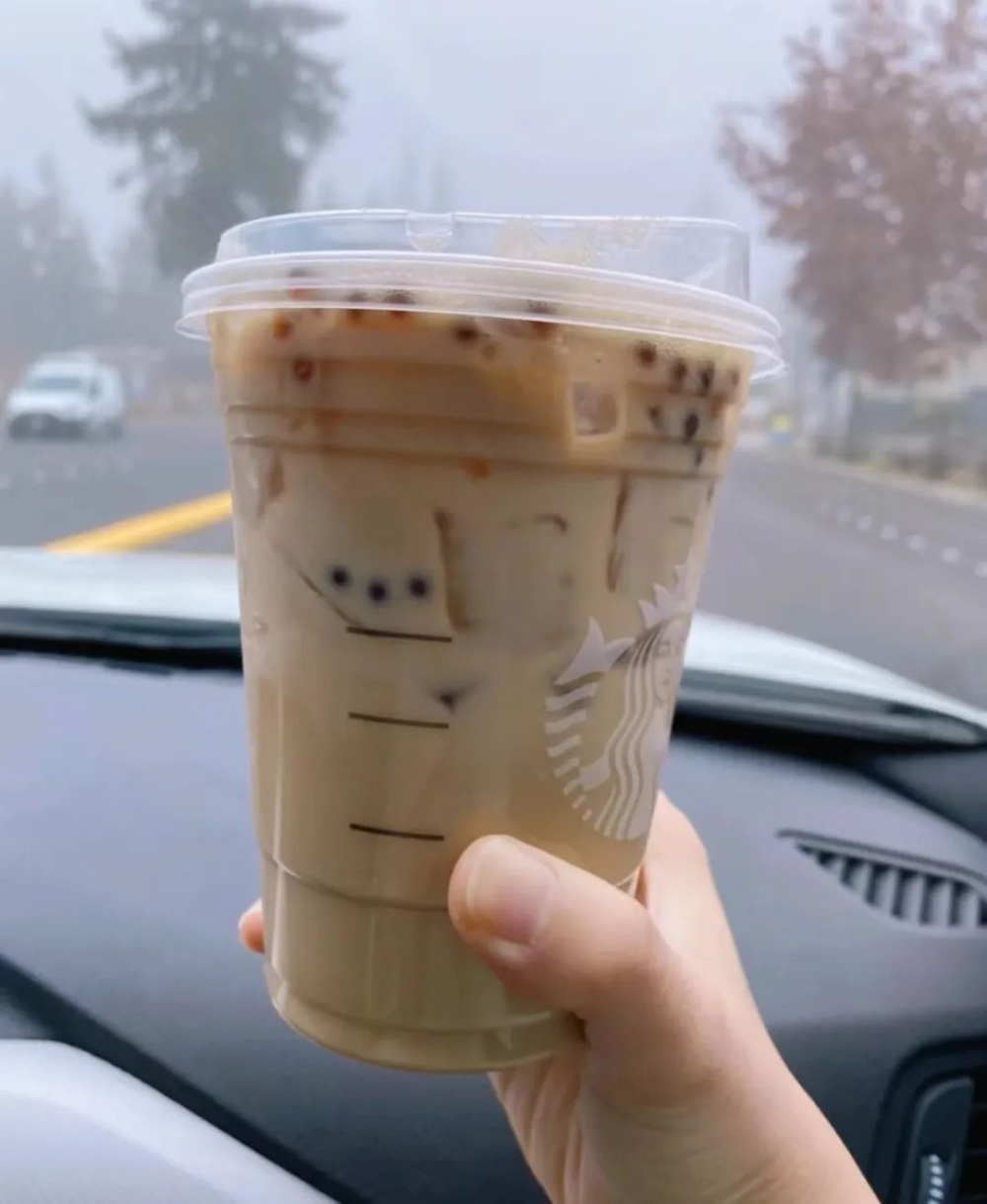
At first, the popping pearls went into Frappuccino products. But because the pearls were intensely sweet and Frappuccinos already very sweet, these products never won much affection. By 2021, Starbucks began adding them to cold brew instead, launching limited editions in the American market, where consumers love sweet treats.
The result? American consumers didn't like them either! Many commented they'd rather have tapioca-flour pearls—at least those are chewy. The popping pearls were cloyingly sweet with no texture, and when the caramel coffee burst out, the coffee flavor always tasted off.
Seen this way, China's brown sugar boba and brown sugar jelly feel more substantial... The fact that two major coffee chains both tried adding small ingredients to their coffee shows this innovation follows a recognizable pattern.
Still, it has drawn opposition from champions of traditional and specialty coffee, most of whom believe coffee should be drunk pure—that anything beyond milk, white sugar, and water disqualifies it from being called coffee.
Coffee gradually becoming more tea-like may simply be inevitable. Only by constantly reinventing itself and overturning people's expectations can a product keep drawing attention and curiosity. But that market and the traditional specialty coffee market serve two entirely different customer bases.
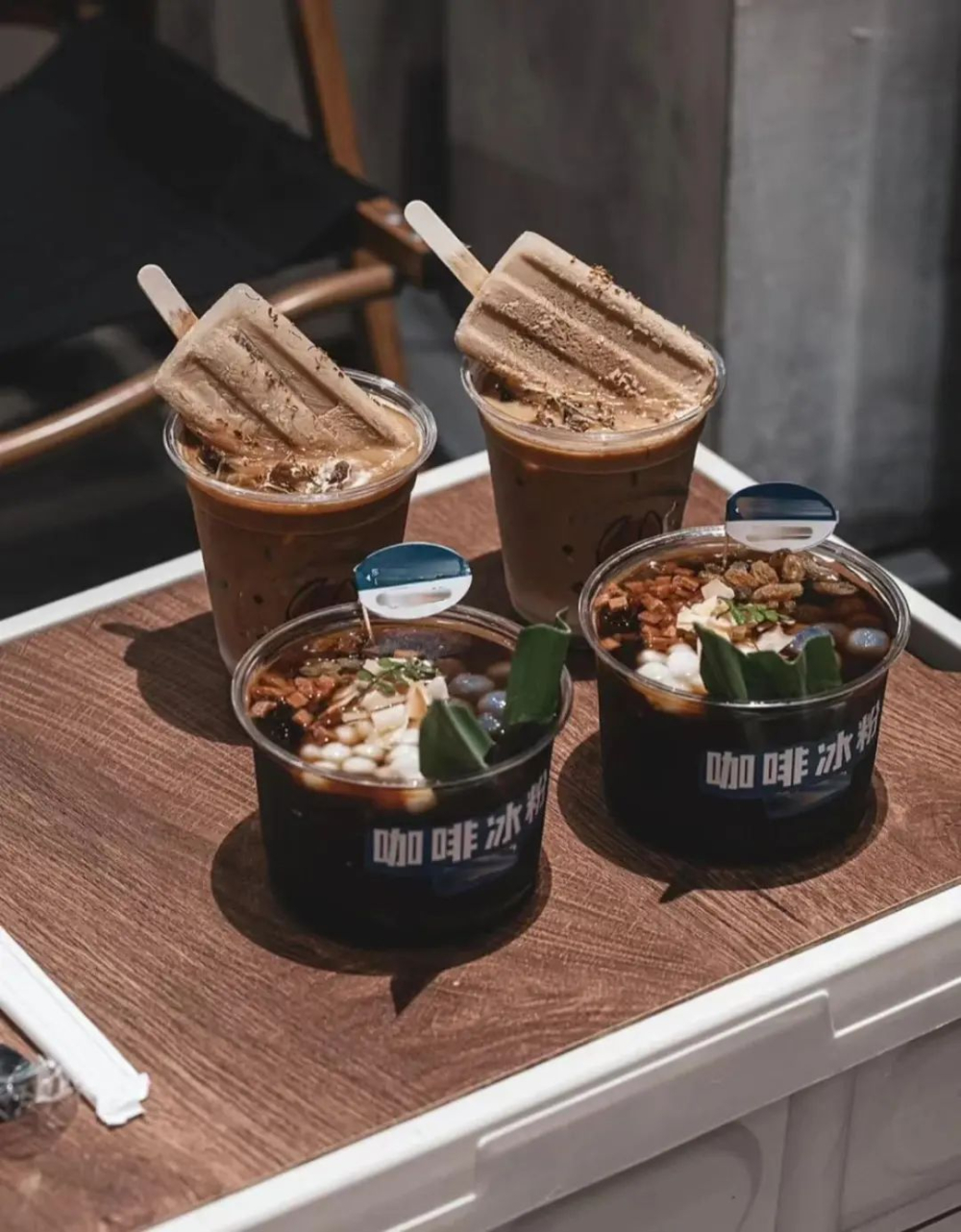
Tradition has its heritage; innovation has its breakthroughs. Many tea shops today also brew from real tea leaves before loading up on toppings, yet that hasn't hurt sales of quality loose tea or shaken the conviction of those who insist on brewing it properly.
People who love coffee may never order these topped versions, but someone who starts with them might grow curious about pure coffee because of them. That's not necessarily a bad thing—plenty of people began with a cup of instant, only to fall in love with single-origin and specialty coffee later.
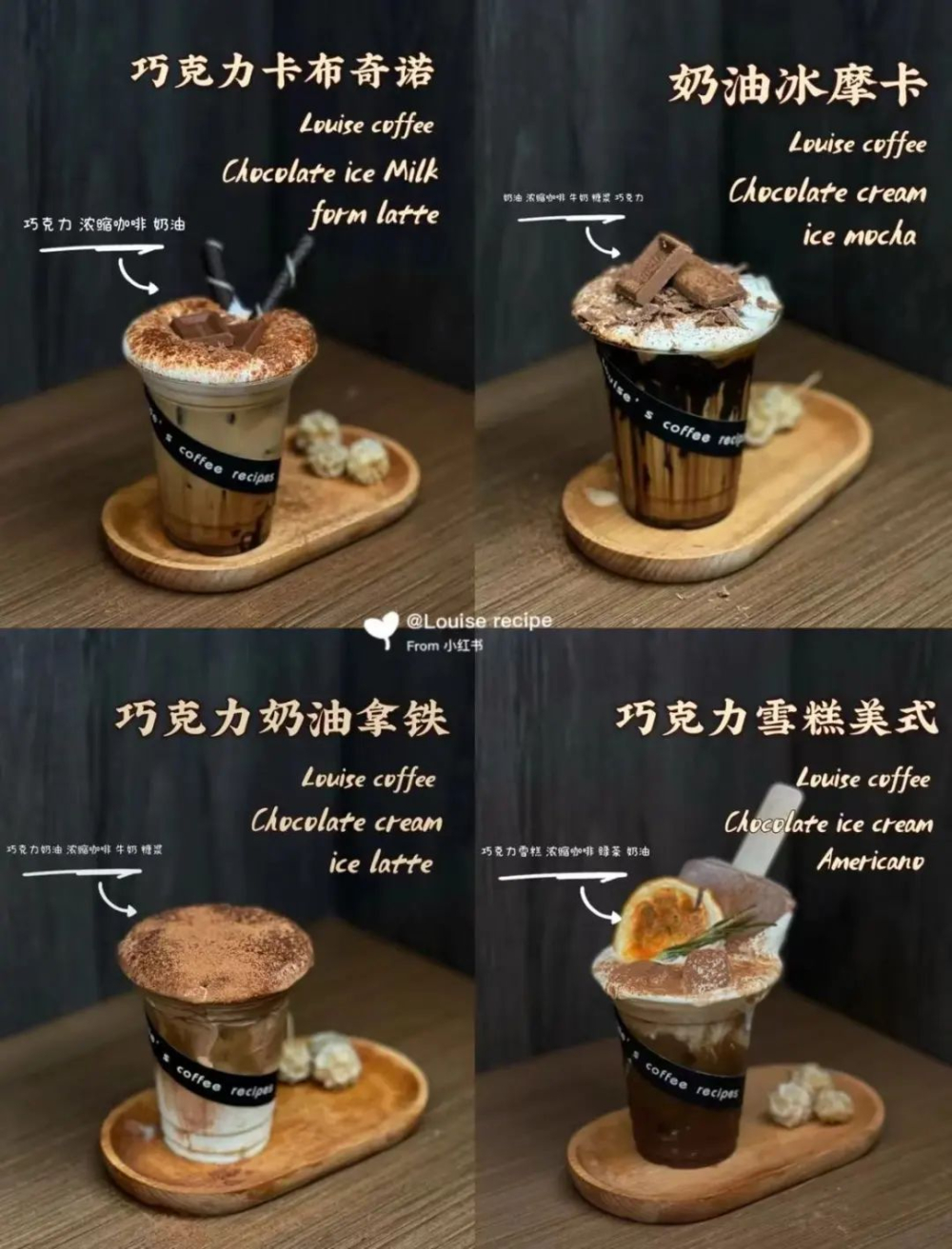
Coffee is, at heart, remarkably inclusive—much like tea. You can appreciate it professionally, extracting a coffee of distinct regional character with the right parameters, or you can let it grow more playful through added ingredients.
The two approaches don't inherently conflict. For the coffee industry to develop in a sustainable, healthy way, it needs both the professionals who preserve tradition and the innovators who push boundaries and pull more eyes toward coffee.
Image source: Internet
FrontStreet Coffee Recommendation
FrontStreet Washed Yirgacheffe (Everyday Pick)
Newcomers wanting to understand Ethiopia's signature region should start with the FrontStreet Washed Yirgacheffe. Known for white jasmine florals, bright citrus and lemon acidity, and a tea-like finish, its friendly price has made it many people's first specialty coffee bean. Yirgacheffe itself is a small town in Ethiopia's Sidamo region at roughly 1,700–2,100m, with coffee grown above 1,800m—one of the world's highest coffee origins.
FrontStreet Godingding Cooperative
From the Worka area at Yirgacheffe's southeastern edge, the Godingding Cooperative was once part of the YCFCU union's Worka cooperative before being "rediscovered" by coffee hunters worldwide as traceability became prized. Following the most traditional washed processing, it carries no traditional bitterness—just fresh, bright citrus-lemon acidity and jasmine fragrance that hooks many coffee lovers at first sip.
FrontStreet Natural Red Cherry
Also from Yirgacheffe, the FrontStreet Red Cherry uses full red-cherry natural processing: only fully ripe, defect-free cherries are harvested, sorted once at the station, then dried on raised beds—turned every 2–3 hours during the first days to prevent uneven fermentation—over three to five weeks. Dried in the fruit, it keeps classic Yirgacheffe character while adding tropical fruit from the natural process: citrus acidity, berry juiciness, honeyed sweetness, and creamy smoothness.
Important Notice :
FrontStreet Coffee is a long-established specialty coffee roaster in Guangzhou China, selling freshly roasted beans from its own farm in Yunnan as well as dozens of carefully selected single-origin beans from around the world for both pour-over and espresso. The products deliver consistently excellent quality and great value, with shipping within 24 hours. Guangzhou's FrontStreet Coffee shop is recommended by many coffee lovers, and the beans are now available online at the Tmall 。
FrontStreet Coffee has moved to a new address:
FrontStreet Coffee Address: 315,Donghua East Road,GuangZhou
Tel:020 38364473
 Scan and follow the En Gafei WeChat official account. Please indicate that the reprint comes from "En Gafei".

