
What is the Ideal Temperature for Espresso Latte Milk Froth? Optimal Drinking Temperature for Milk Coffee and Cappuccino
The Perfect Milk Foam Temperature for Hot Coffee
As the temperature drops, more and more customers at FrontStreet Coffee are switching to hot milk coffee. Heated sweet milk combined with espresso makes a smooth, fragrant hot latte that genuinely warms you up.
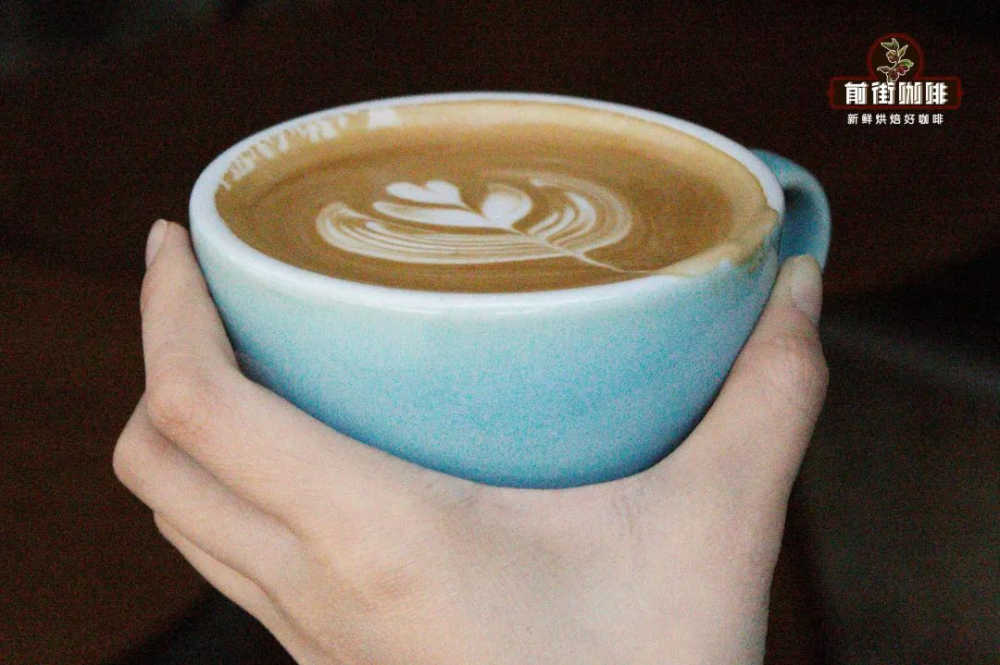
To keep hot lattes from cooling too quickly after serving, some customers like their milk heated to a higher temperature — which makes mastering the right milk temperature all the more important.
The Ideal Temperature for Milk Foam
When do you stop frothing? That comes down to judging whether the milk is hot enough. Typically, the milk temperature range for hot milk coffee in coffee shops is set between 55-65°C. Because the foam created during frothing and the liquid milk need enough time to fully integrate and smooth out, the milk must quickly form a vortex after aeration to enter the heating stage.
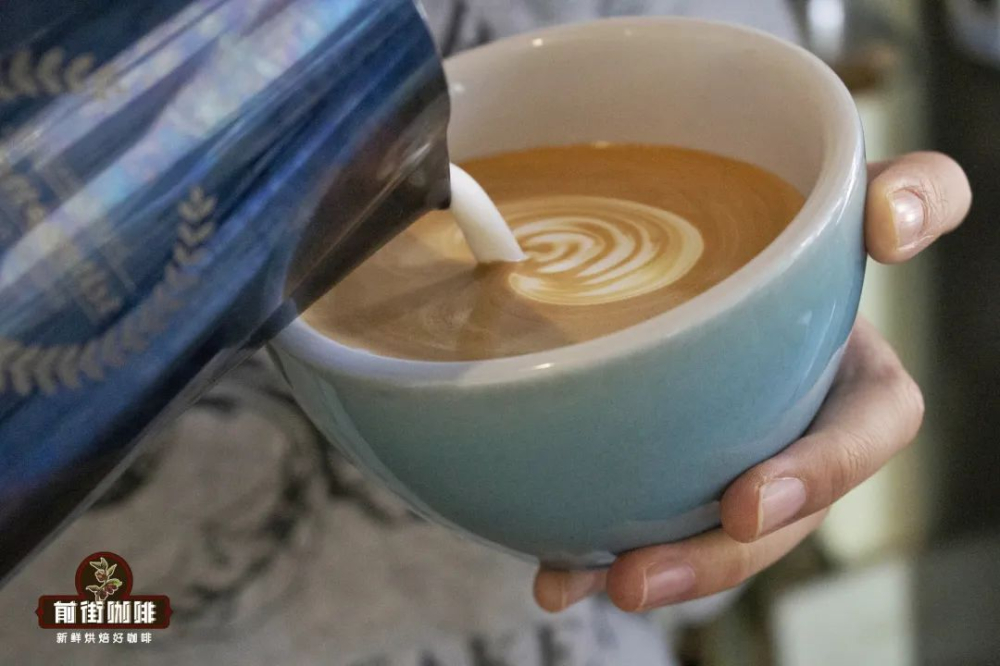
The range of 50-70°C is precisely the window in which milk's properties have not yet undergone irreversible changes, which ensures high stability. Milk foam made within this range gives hot milk coffee its most suitable texture, and latte art patterns also last longer.
When Milk Foam Exceeds 70°C
When the milk gets too hot, you can feel the coffee liquid and milk foam sitting in a separated state as you drink. Because the foaming stage ran too long, the milk liquid's temperature has risen, but the foam layer — with its countless tiny pores — hasn't reached the same temperature.

It's this temperature difference that makes the liquid and foam feel disconnected, and excessive heat keeps the tongue from perceiving the smoothness of the foam. The hotter the milk coffee, the wider that gap becomes.
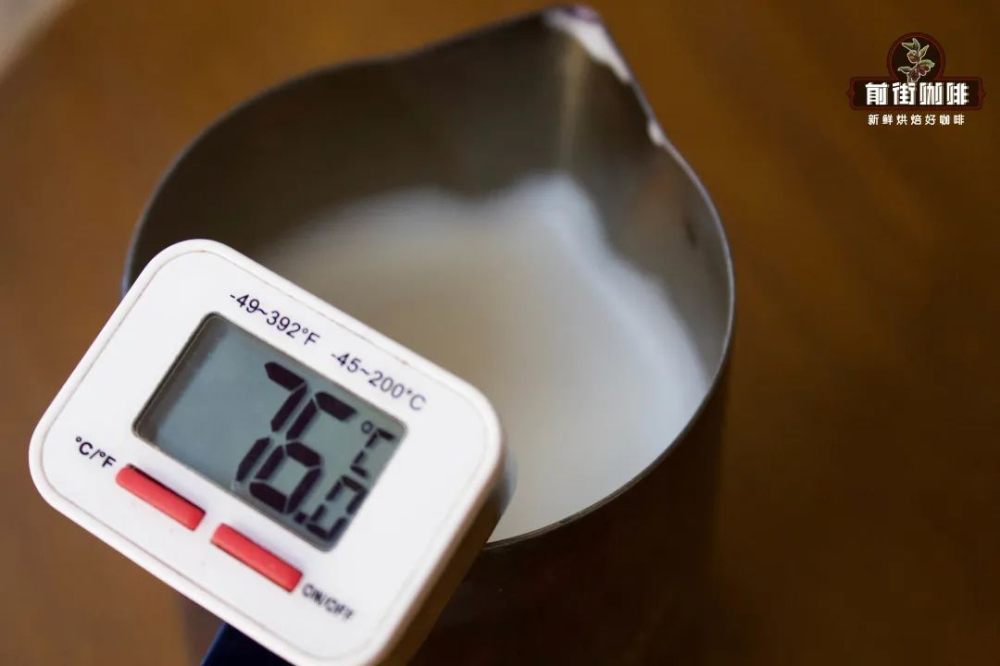
Worse, once milk climbs above 70°C it smells distinctly milky but tastes flat and plain, with a milky aftertaste and a rough texture. Incorporated into coffee, it also collapses and disintegrates easily during latte art.
The reason: excessive heat breaks down the proteins in milk, undermining the stability of the foam, which then decomposes rapidly.
How to Control Milk Frothing Temperature
Beginners can start by using a thermometer along with the palm of the hand to gauge milk temperature.
Typically, milk begins to feel warm at around 40°C. The heating rate depends on the steam wand's temperature, the steam volume, and the amount of liquid in the pitcher. When your palm feels a burning sensation, the milk has passed 55°C — memorize that feeling.
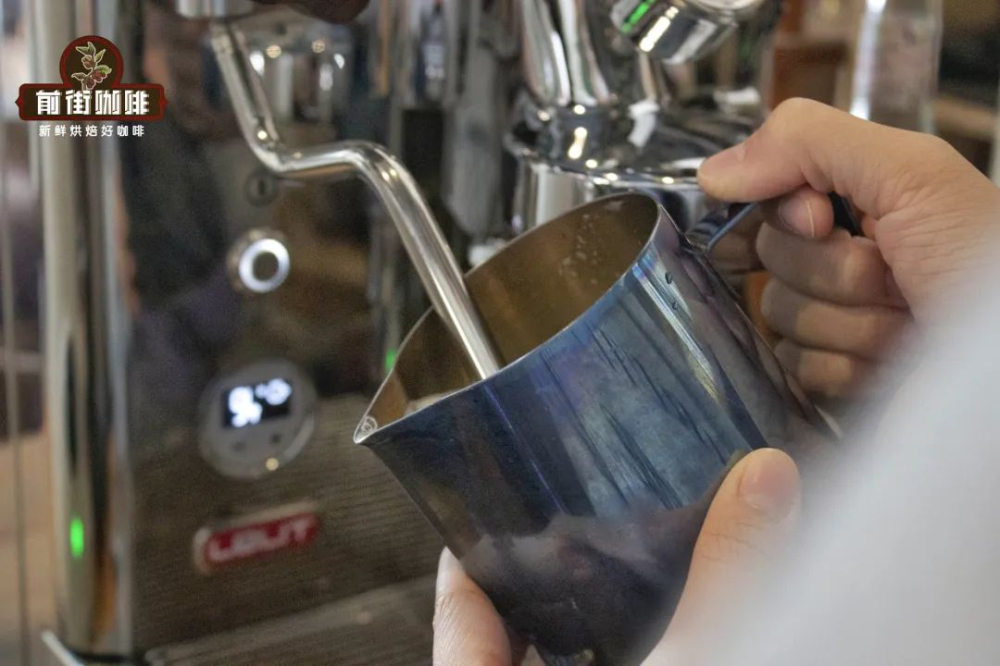
With a bit of frothing experience, you can judge the temperature range by feel alone: after texturing the foam, submerge the steam wand in the milk and heat until the target temperature is reached.
In the low temperatures of autumn and winter, hot drinks cool faster. On the vessel side, preheat your cups or choose materials with better insulation — ceramic cups, for example.
FrontStreet Coffee's baristas set their milk foam target at 65°C in daily preparation, which simply means continuing to heat for an extra 3-5 seconds. That way the hot latte's flavor and aroma stay balanced without being too hot to enjoy.

Cappuccinos are a different story. With a thick foam layer of about 1.5-2cm, the whole point is to savor more of that foam texture, so FrontStreet Coffee suggests keeping cappuccino milk below 60°C — big sips, no burnt mouth.
FrontStreet Coffee Recommendation
Great milk coffee starts with an espresso base that can stand up to the milk, and FrontStreet Coffee's blends are built for exactly that. The FrontStreet Classic Blend — a medium-dark espresso recipe combining beans from three origins, inspired by the old-school "Mamba" pairing of Mandheling and Brazil, with a small share of Robusta for extra aroma and crema — brews up buttery, toast-and-caramel-biscuit aromas with a solid body, fine crema, and rock-steady extraction. It's the go-to home bean for anyone learning latte art. If you prefer rich, nutty depth, the FrontStreet Premium Blend pairs washed Colombian beans with pulped-natural Brazilian beans for espresso with nuts, dark chocolate, and caramel — and as a milk coffee it unfolds into smooth cream, almond, and cocoa, with crema that gives nothing away to café quality.
Either base gives your latte art plenty of working time under that 65°C foam — the milk handles the texture, and the beans handle the flavor.
Important Notice :
FrontStreet Coffee is a long-established specialty coffee roaster in Guangzhou China, selling freshly roasted beans from its own farm in Yunnan as well as dozens of carefully selected single-origin beans from around the world for both pour-over and espresso. The products deliver consistently excellent quality and great value, with shipping within 24 hours. Guangzhou's FrontStreet Coffee shop is recommended by many coffee lovers, and the beans are now available online at the Tmall 。
FrontStreet Coffee has moved to a new address:
FrontStreet Coffee Address: 315,Donghua East Road,GuangZhou
Tel:020 38364473
 Scan and follow the En Gafei WeChat official account. Please indicate that the reprint comes from "En Gafei".

