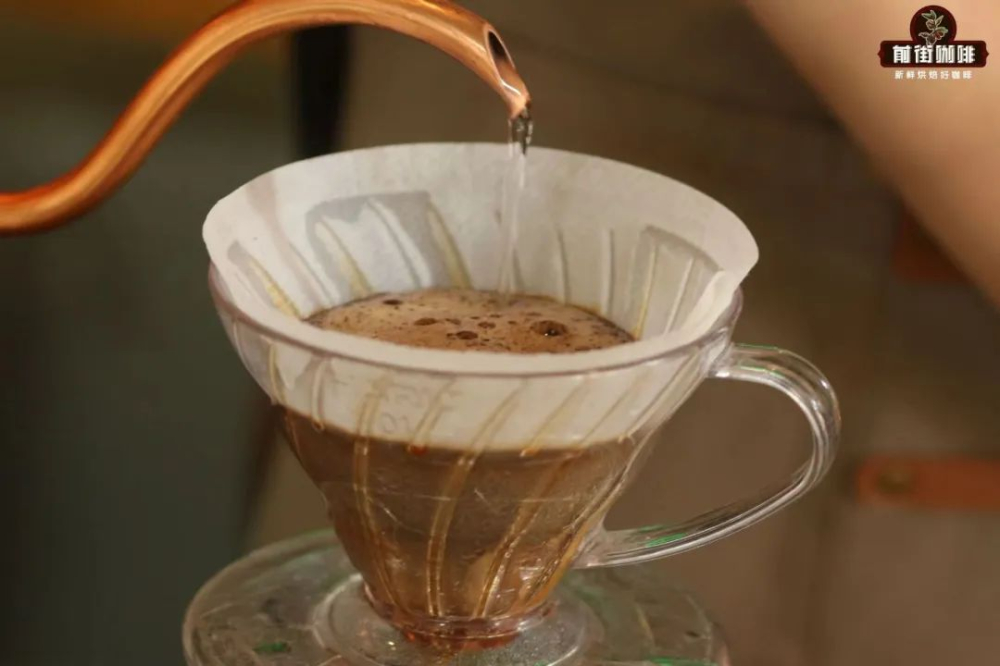
How Different Cup Rim Shapes Affect the Taste and Mouthfeel of Pour-Over Coffee
The Impact of Cup Shapes on Coffee Flavor
Cups come in countless shapes, and every shape has a name. Beyond style, though, each design serves a practical purpose — so FrontStreet Coffee ran an experiment: brew the same pour-over coffee and taste it from different cup shapes to see whether flavor and mouthfeel really change.
Common Cup Types
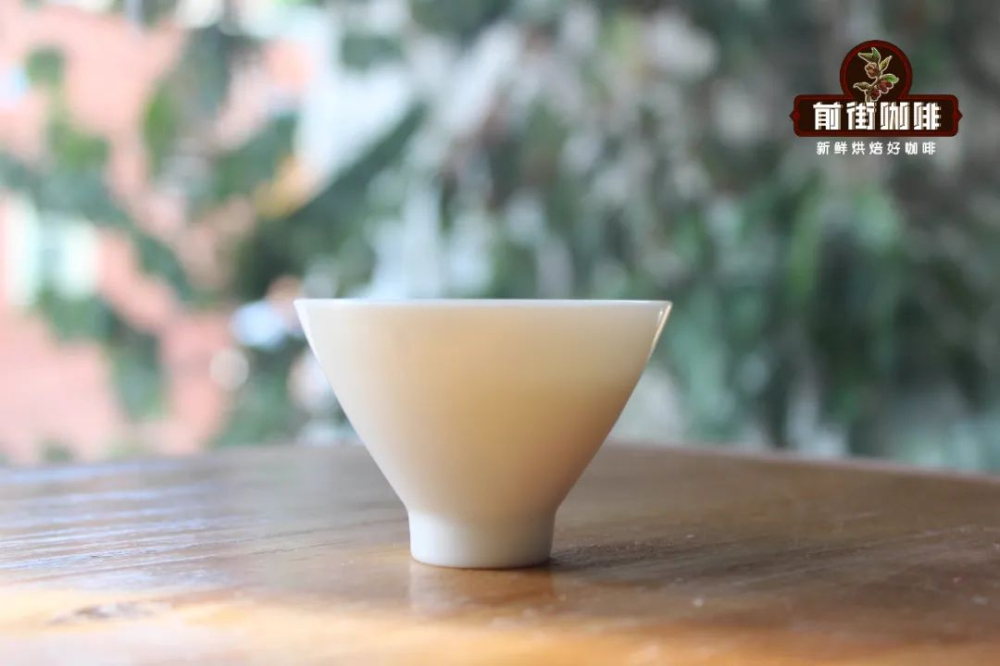
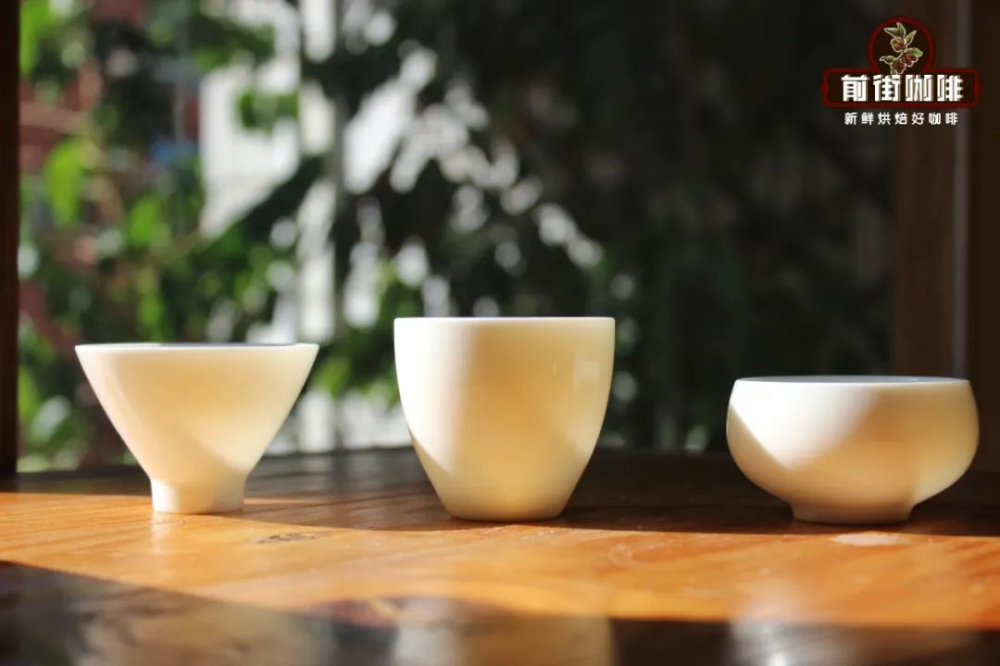
1. Open-mouth cups (wide-mouth cups) have large openings — wider at the top, narrower at the bottom, with walls flaring outward at roughly 45 degrees, like a bamboo hat.
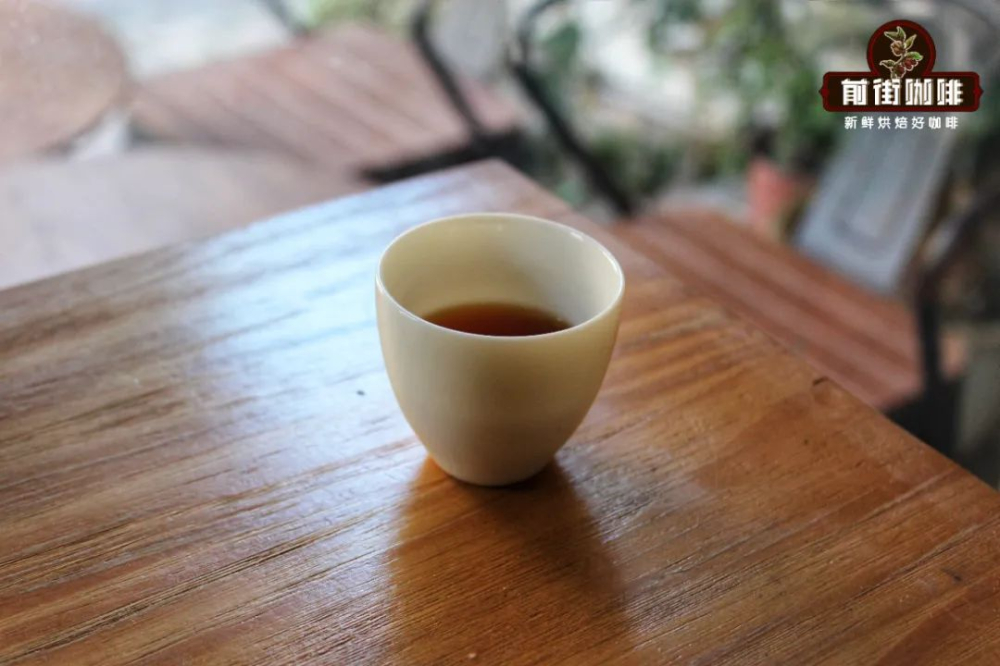
2. Straight-bodied cups have medium-sized openings, with straight walls running from body to rim and a gradual taper at the bottom.
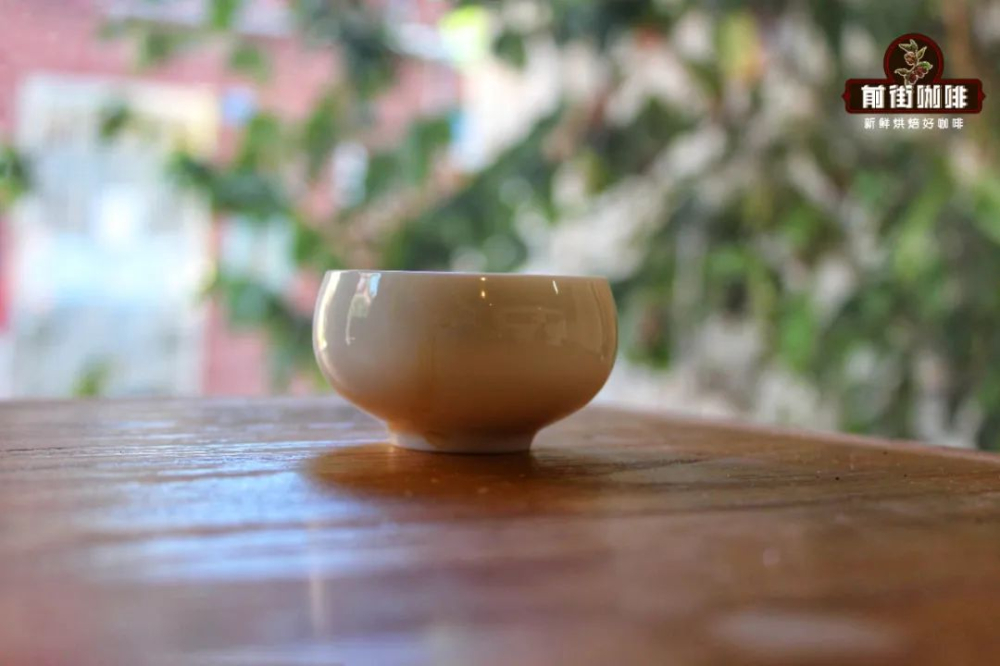
3. Narrow-mouth cups (Arhat cups) feature a concave opening and a bulging body, narrowing inward at both the bottom and the top.
How Does the Same Coffee Taste in Different Cups?
FrontStreet Coffee first brewed Guatemala's sun-dried La Bella Geisha and compared it across all three cup types. Ceramic cups with good heat retention were chosen, and every cup was preheated before tasting.

The brew used FrontStreet Coffee's in-store parameters: 15g of coffee, a 1:15 ratio, 91°C water, a medium-fine grind (78% pass rate on Chinese standard sieves), and three-stage pouring.
In the aroma assessment, the narrow-mouth cup showed the most diverse aromatics — roasted nuts, tropical fruit, and delicate florals in the sip. The straight-bodied cup also offered nutty and fruity aromas, though not as rich. The open-mouth cup had the faintest aroma of the three.

Drinking it hot, the straight-bodied cup tasted the most concentrated, with full-bodied berry sweetness and acidity. The open-mouth cup showed brighter acidity with tea-like notes. The narrow-mouth cup had the highest sweetness, making the coffee taste rounder.
As the coffee cooled, acidity in the open-mouth cup faded somewhat but stayed the highest of the three. The narrow-mouth cup's overall flavor declined, while the straight-bodied cup barely changed from when it was hot.
How Do Different Coffees Taste in the Same Cup?
To broaden the comparison, FrontStreet Coffee then brewed Brazil's Queen Estate (bitter-leaning) and Ethiopia's Yirgacheffe Gudina (acid-leaning), using the same standard brewing parameters.
Brazil Queen Estate
Open-mouth cup: nutty aroma, spicy notes, slight acidity, and a somewhat muddled aftertaste as it cools.
Straight-bodied cup: high concentration, full body, prominent bitterness, chocolate aroma.
Narrow-mouth cup: rich caramel and cream aromas, prominent sweetness, balanced mouthfeel.
Yirgacheffe Gudina
Open-mouth cup: bright lemon and citrus acidity, rich aromatics on entry, distinct layers.
Straight-bodied cup: high berry acidity, green tea texture, minimal flavor change.
Narrow-mouth cup: strong honey and jasmine florals in the aroma, but muted sweet-sour flavors and a thinner mouthfeel.
Why Do Different Cup Shapes Produce Different Tastes?
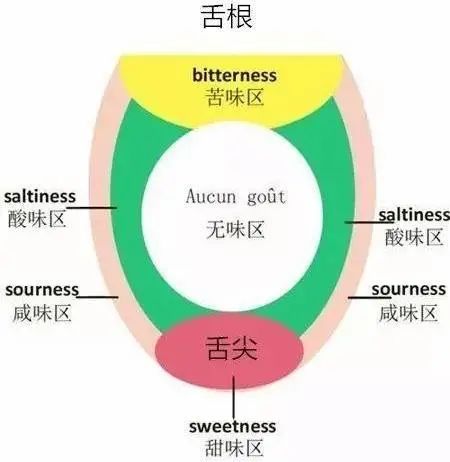
The tongue perceives tastes regionally: the tip is most sensitive to sweetness, the sides to sourness, and the back of the tongue to bitterness.
Open-mouth Cups
From an open-mouth cup, coffee has more contact with air, and the flared rim makes the liquid disperse as it enters the mouth. The coffee first flows along the sides and tip of the tongue, so sour and sweet notes register more easily and acidity seems brighter.
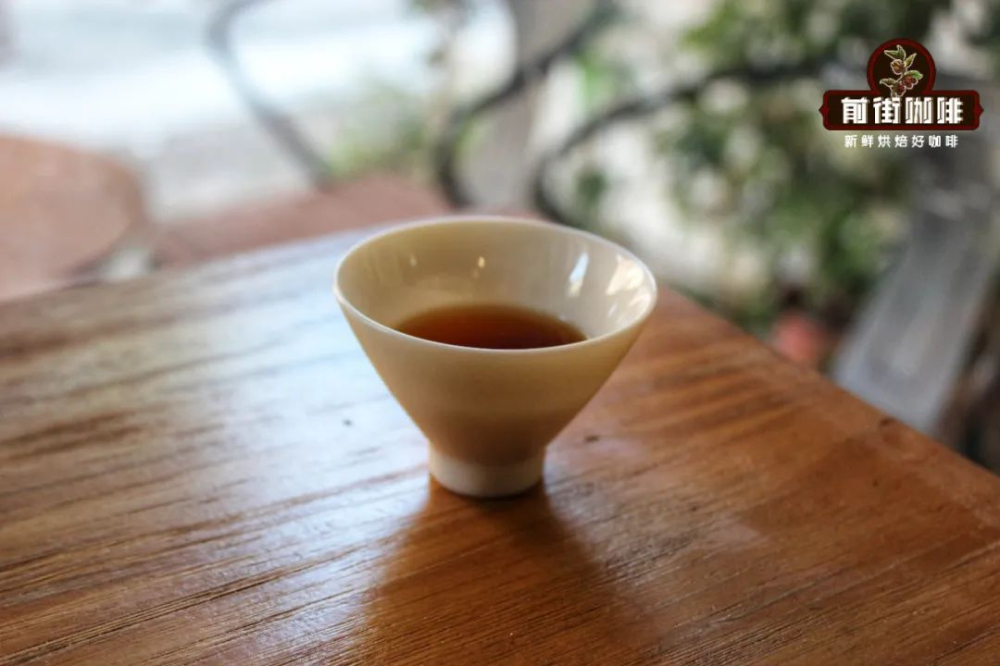
The open rim also speeds cooling, so flavor layers shift noticeably across temperature ranges — and as the coffee cools, the tongue's sides grow more sensitive to acidity, which can make bitter-leaning coffees taste "complex." The trade-off: the open design doesn't concentrate aromas, so the dry aroma phase is the weakest of the three.
Straight-bodied Cups

The straight-bodied cup's strength is its moderate opening: the coffee flows into the mouth in a concentrated stream for a bigger sensory impact. Served hot to warm, it tastes more concentrated and full-bodied. Aromatics are moderate, but the elongated body slows cooling, so flavors stay stable rather than shifting rapidly.
Narrow-mouth Cups
The narrow opening forces you to lift the cup higher, tilting the jaw forward into a sipping posture. That spreads the liquid more evenly across the palate.

The wide body and concave rim let aromas release at the cup's widest point and funnel toward the nose — a huge advantage in the aroma phase.
From hot to warm, flavor perception becomes more balanced and the coffee feels smoother. Bitter-leaning coffees taste fuller; acid-leaning ones can seem flatter and thinner.
Which Cup Should You Choose?
Now that cup shape demonstrably affects aroma, flavor, and mouthfeel, you can "pair" cups with flavor profiles to elevate your home brewing!
For acid-forward coffees — light roasts like Yirgacheffe and Kenya — choose open-mouth cups to sharpen the flavor layers. For dark-roasted, bitter-leaning coffees like Golden Mandheling and Blue Mountain, narrow-mouth cups balance the body and help you savor the richness and aftertaste.
For aroma-driven coffees such as FrontStreet Coffee's Musician Series — Mozart, Rose Valley, Flower Moon Night — straight-bodied cups hold heat and keep the flavors from shifting too fast.

Of course, shape is only one variable — thickness, material, and volume all shape the experience too. If you own a cupboard full of different cups, run a comparison like FrontStreet Coffee's and find the one that suits you best.
FrontStreet Coffee Recommendation
The star of FrontStreet Coffee's cup experiment was Geisha — a variety that rewards the right vessel. For an affordable first taste of classic Geisha character, the entry-level FrontStreet Boquete Gesha delivers Panama's signature orange-blossom honey sweetness, oolong tea texture, and delicate fruit acidity at a fraction of competition-lot prices.
If you want the full experience, the FrontStreet Esmeralda Red Label (Esmeralda Special) grows at 1,600–1,800 meters and must cup above 90 points, with each batch traceable to a single plot, while the more affordable Green Label (Private Collection) blends lots across high-altitude plots for Esmeralda's signature style. For a brighter, fruitier take, the medium-light roasted FrontStreet Granana Estate Gesha from Ethiopia shows orange acidity, ginger-flower elegance, and a silky, refined finish — brewed best as a V60 pour-over with 15g of coffee, a 1:16 ratio, 91°C water, and a three-stage pour.
Important Notice :
FrontStreet Coffee is a long-established specialty coffee roaster in Guangzhou China, selling freshly roasted beans from its own farm in Yunnan as well as dozens of carefully selected single-origin beans from around the world for both pour-over and espresso. The products deliver consistently excellent quality and great value, with shipping within 24 hours. Guangzhou's FrontStreet Coffee shop is recommended by many coffee lovers, and the beans are now available online at the Tmall 。
FrontStreet Coffee has moved to a new address:
FrontStreet Coffee Address: 315,Donghua East Road,GuangZhou
Tel:020 38364473
 Scan and follow the En Gafei WeChat official account. Please indicate that the reprint comes from "En Gafei".