The Difference Between Pour-Over and Cold Brew: Cold Brew Extraction Principles and How Water Temperature Affects Coffee Extraction

At FrontStreet Coffee we've noticed many home brewers buy a bag of beans and make pour-over or cold brew — the two most convenient extraction methods, neither requiring elaborate equipment. A common question follows: why does the same coffee bean taste so different as cold brew versus pour-over?
The Difference Between Pour-Over and Cold Brew
First, the fundamental difference: pour-over extracts with high temperatures, cold brew extracts with low temperatures.
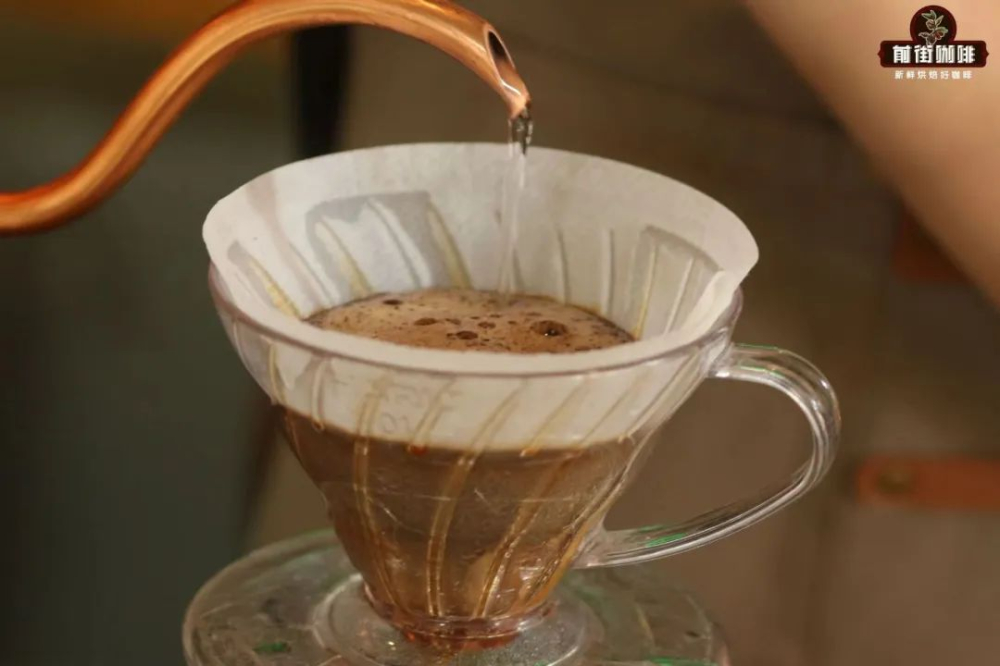
Pour-over — hot or iced — uses hot water meeting room-temperature grounds to pull soluble compounds out of the coffee. High temperatures mean fast extraction and rapid flavor change, so pour-over should be drunk promptly.
Iced pour-over simply lowers the coffee-to-water ratio: less hot water brews a more concentrated coffee, which ice then chills into a cold drink.

Cold brew steeps grounds in room-temperature or ice water in a low-temperature environment such as a refrigerator for 8–24 hours of slow extraction; filter out the grounds and you have iced coffee. Cold brew keeps in the refrigerator for 3–5 days, picking up fermented characteristics as the days pass.
Different Brewing Methods, Different Coffee Flavors
FrontStreet Coffee took a light-roast washed Yirgacheffe Gedeb and compared it three ways: hot pour-over, cold brew, and iced pour-over.
Hot pour-over delivered complete front, middle, and back notes: jasmine and honey sweetness, bright lemon and citrus acidity, and a lasting green tea aroma in the aftertaste. As the cup cooled, the flavors shifted through rich layers.
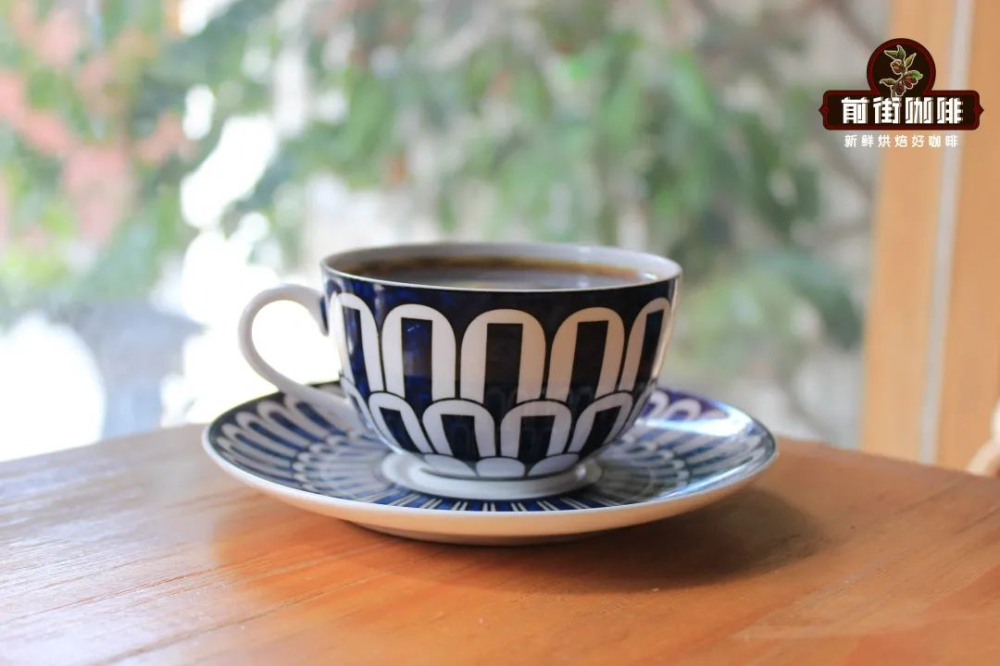
Cold brew Gedeb, after a night of steeping in the refrigerator, developed a thin layer of oil on the surface. The aroma was muted, with berry and citrus sourness on entry, a sweet palate, and an iced fruit-tea feel — pleasant, but with flatter flavor layers.
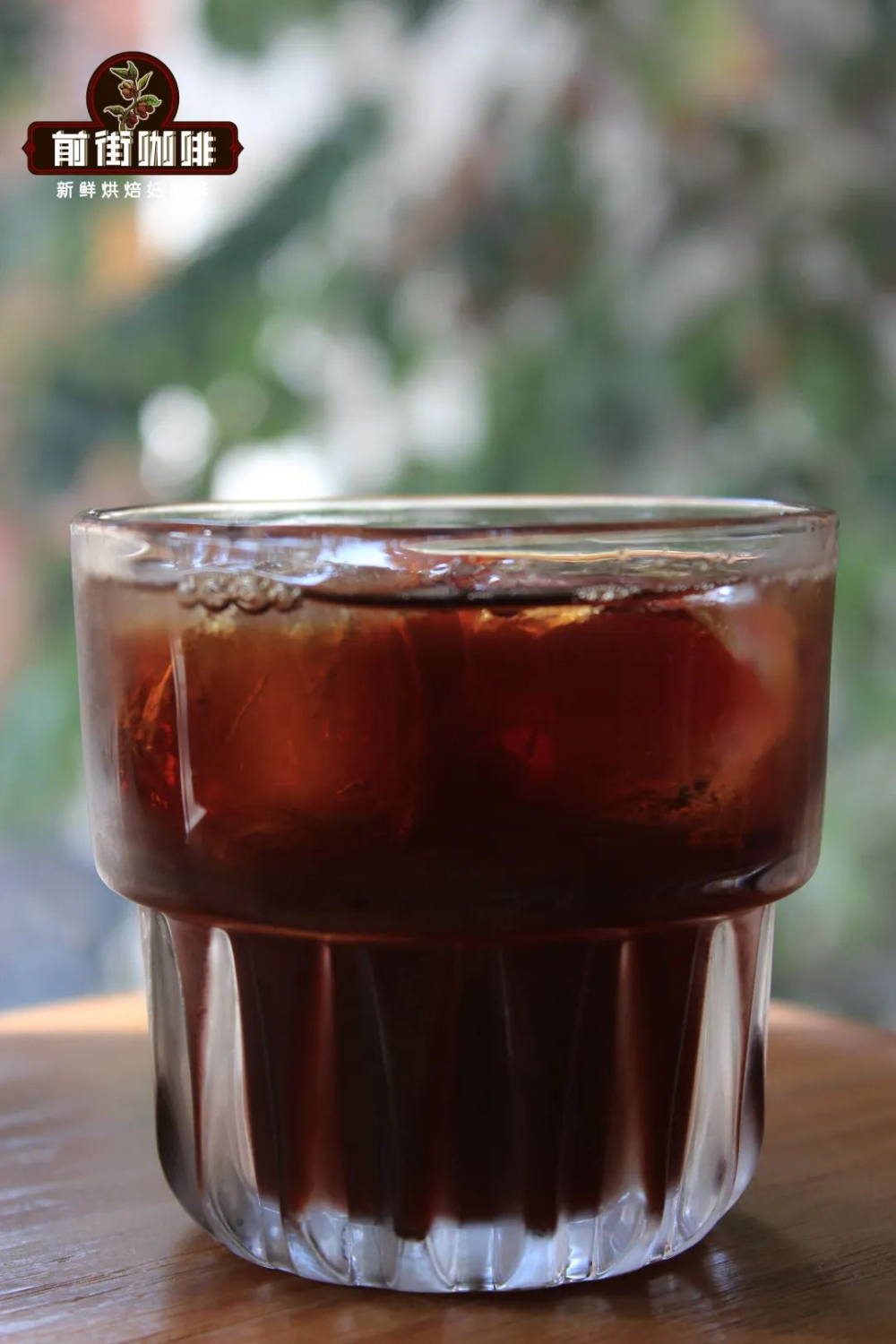
Iced pour-over, though also a cold drink, uses finer grounds and hot water to extract a more concentrated coffee, dissolving far more compounds than cold brew. Its flavor falls short of hot pour-over's fullness, but not by much — and the ice adds a sweet-tart refreshment all its own.
Dissolution of Flavor Compounds at Different Temperatures
Coffee contains quinic acid, amino acids, tannins, caffeine, oils, and more. During extraction, water and coffee undergo a cascade of chemical reactions, with water temperature directly governing how quickly each component dissolves.
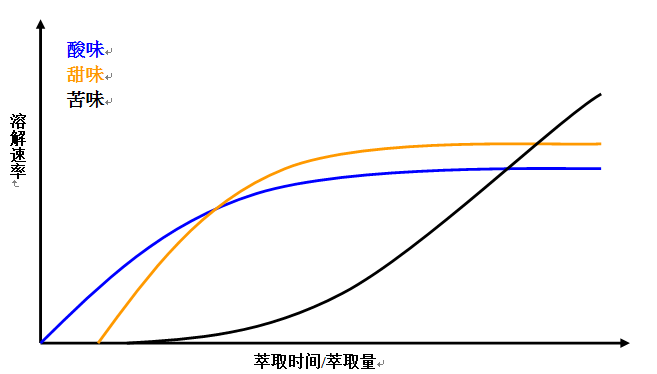
In a brew, fruit acids (small molecules) emerge first, then sweet molecules, and finally bitter compounds (large molecules). As temperature rises, extraction accelerates and every variable starts affecting the taste — which is why pour-over demands careful control of extraction rate.
In low-temperature brewing, far fewer bitter compounds dissolve; to compensate, the contact time between grounds and water is stretched out.
Even so, low temperatures can't fully release the rich flavor molecules that hot water's energetic molecular movement unlocks. Much of coffee's richness and body comes from those bitter compounds — without them, cold brew tastes thin and lacks fullness.
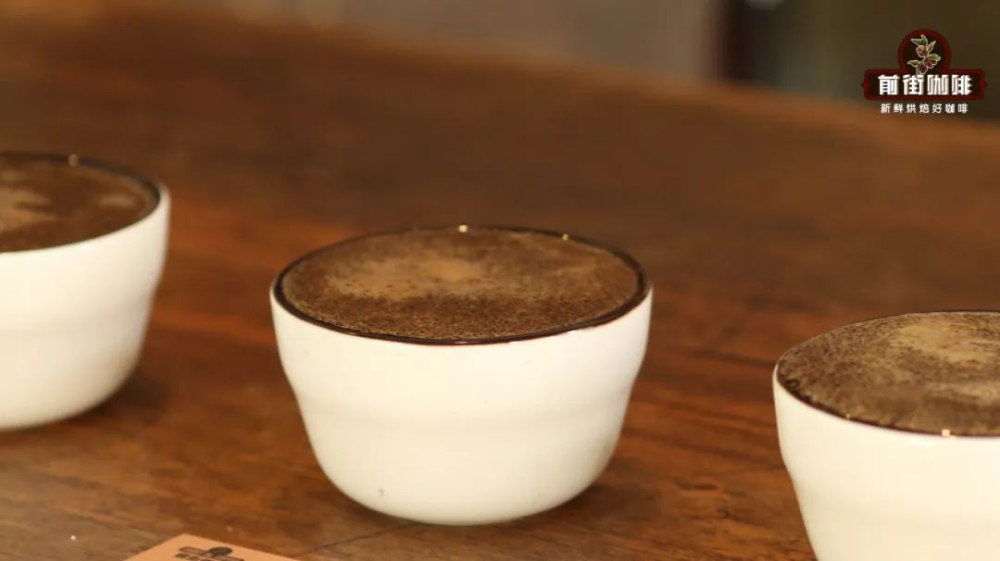
Before introducing any coffee bean, FrontStreet Coffee runs cupping tests, using 94°C hot water to stimulate the bean's full range of aromatic compounds, then writes those flavors on the label. All flavor descriptions assume high-temperature extraction; since cold water only dissolves a subset of compounds, cold brew naturally lacks the aromatic intensity and saturation of pour-over.
Choosing Coffee Beans
As FrontStreet Coffee has noted before, light-to-medium roast, fruit-forward coffees suit cold brew better than dark roasts. A dark roast that isn't ground to the right coarseness can easily turn purely bitter once chilled by ice.

If one bag of beans must do double duty for both pour-over and cold brew — with more diverse flavors — FrontStreet Coffee suggests specialty-process beans with distinctive profiles, such as Honduras Sherry, Costa Rica Musician Series, Colombia Flower Moon Night, Ethiopia Dorothy...
That way you get pour-over's rich, full aroma and iced coffee's cool mellowness from the same bag.
FrontStreet Coffee Recommendation
For a bean that shines both hot and cold, start with Yirgacheffe — the region whose white florals and lemon-citrus acidity made Ethiopian coffee famous. FrontStreet Coffee's picks:
- FrontStreet Washed Yirgacheffe (daily-drinker grade) — white jasmine, bright citrus and lemon acidity, and a tea-like finish at an affordable price; the classic first bean for specialty coffee newcomers.
- FrontStreet Guji Dingding Cooperative (washed, Worka) — from a village cooperative at the southeastern edge of Yirgacheffe; no traditional bitterness, just fresh, luminous citrus-lemon acidity and jasmine fragrance.
- FrontStreet Red Cherry (natural) — full-red-cherry natural drying (turned every 2–3 hours during the first days, sun-dried three to five weeks) yields Yirgacheffe character plus tropical fruit: citrus acidity, berry juiciness, honeyed sweetness, and cream-smooth texture.
Important Notice :
FrontStreet Coffee is a long-established specialty coffee roaster in Guangzhou China, selling freshly roasted beans from its own farm in Yunnan as well as dozens of carefully selected single-origin beans from around the world for both pour-over and espresso. The products deliver consistently excellent quality and great value, with shipping within 24 hours. Guangzhou's FrontStreet Coffee shop is recommended by many coffee lovers, and the beans are now available online at the Tmall 。
FrontStreet Coffee has moved to a new address:
FrontStreet Coffee Address: 315,Donghua East Road,GuangZhou
Tel:020 38364473
 Scan and follow the En Gafei WeChat official account. Please indicate that the reprint comes from "En Gafei".