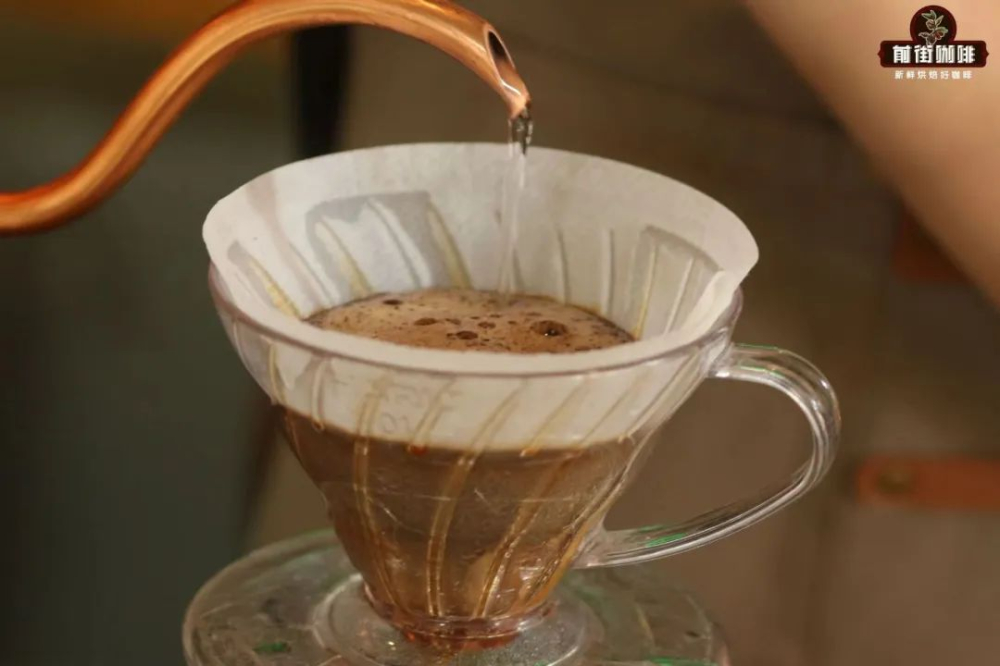
What is WDT? How to Use a Needle Distributor? Is a Needle Distribution Tool Worth Buying?
Distribution is a core skill for every barista. Pulling a great espresso demands attention to countless small details, yet it takes only a moment to ruin a cup.
Whenever the rainy season arrives, FrontStreet Coffee's espresso tends to channel in the comparatively humid air.
Extracting espresso means hot water driving through the coffee puck under high pressure and releasing soluble material. When the puck's density is uneven, the water meets obstacles of differing strength and takes the path of least resistance, flowing through the gaps.
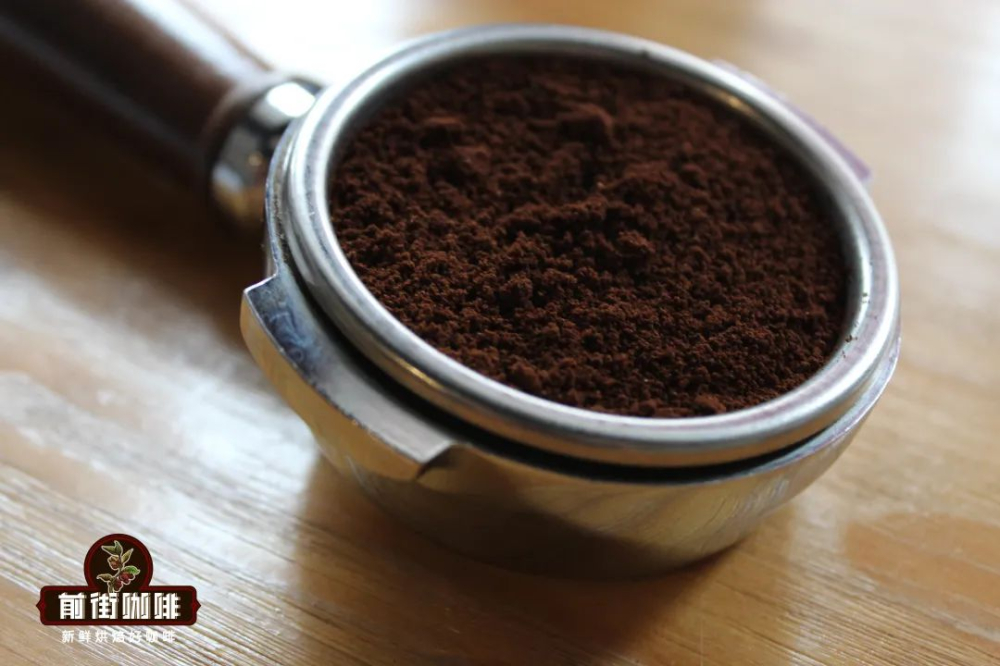
FrontStreet Coffee can watch the water spraying down through a bottomless portafilter — the most common sign of channeling. Where the water flows, the coffee is over-extracted; where it avoids, under-extracted. The result is an espresso that often carries noticeable bitterness and astringency.
The Problem With Static Electricity
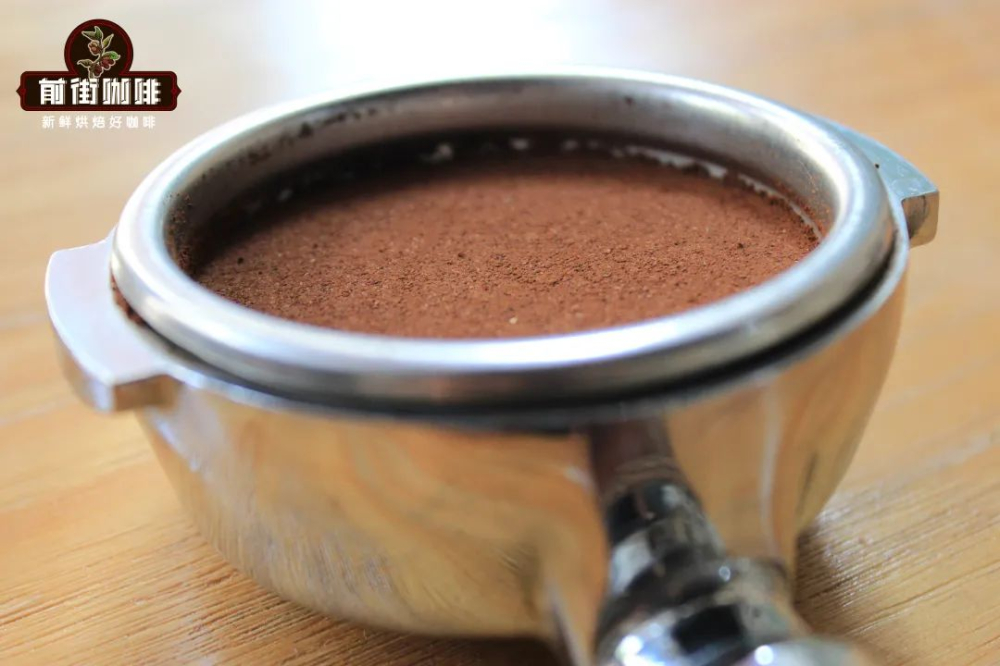
Espresso calls for a fairly fine grind. During grinding, friction between fine particles generates static electricity, which makes the grounds clump together. Even after the puck is leveled and tamped, water will still "avoid" the compacted clumps during extraction and flow through the looser areas instead.
What Is WDT?
To deal with the trouble static electricity causes, the Weiss Distribution Technique — WDT — and the needle distributor came into being.
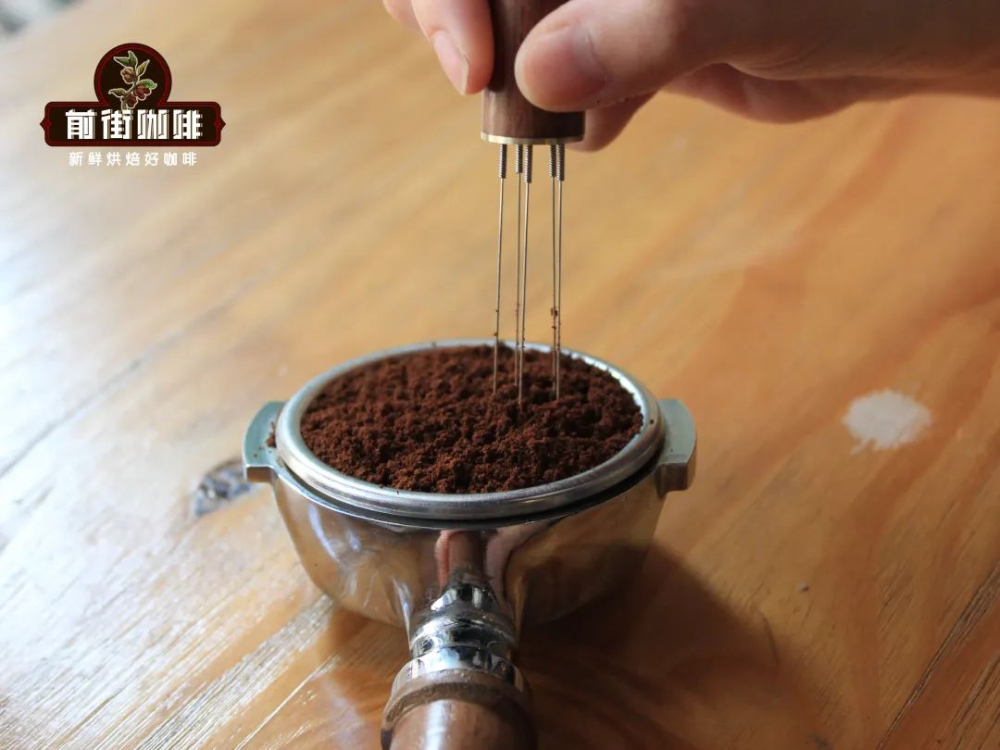
In 2005, John Weiss invented WDT while using a home grinder, because the ground coffee it produced clumped excessively. The technique uses fine needles or a similar tool to stir the coffee grounds in the portafilter, breaking up clumps and creating a more uniform density distribution.
How WDT Earned Recognition
Early commercial grinders typically came with anti-static grids that broke up large clumps, so the grounds landing in the portafilter were already fairly uniform. That is why, when WDT first appeared, baristas did not widely adopt it.
As the specialty coffee scene flourished, baristas kept exploring techniques to pull better espresso. By measuring and analyzing pressure and flow rate inside the puck, they developed many methods — WDT among them — to make extraction more stable. It is especially common among competition baristas at coffee championships.
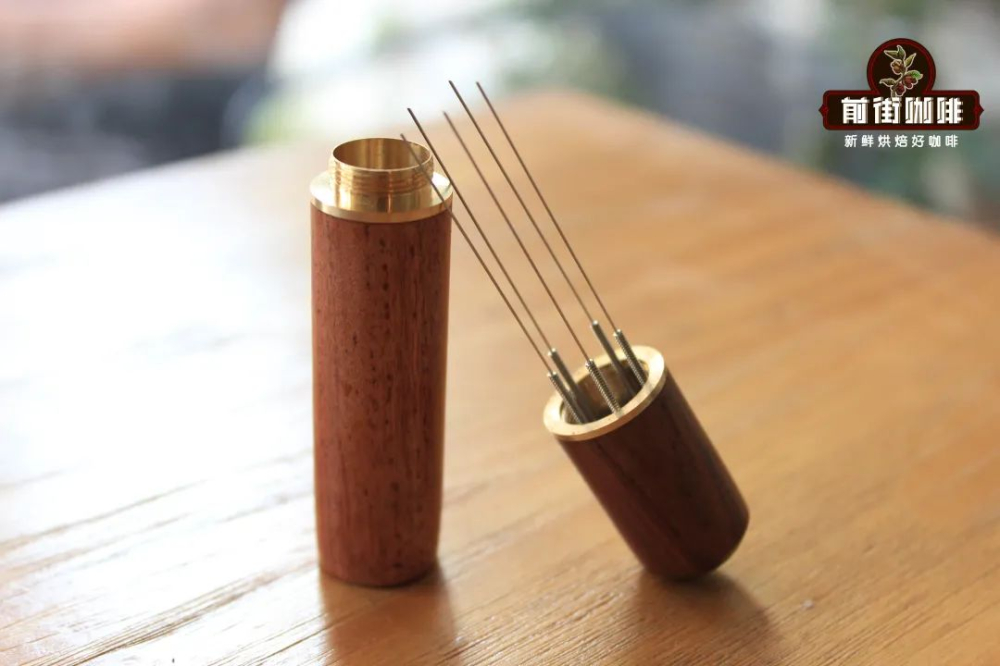
WDT Tools and Their Variations
WDT tools generally use fine metal needles about 1mm in diameter. The one FrontStreet Coffee keeps on hand has a simple, compact design.
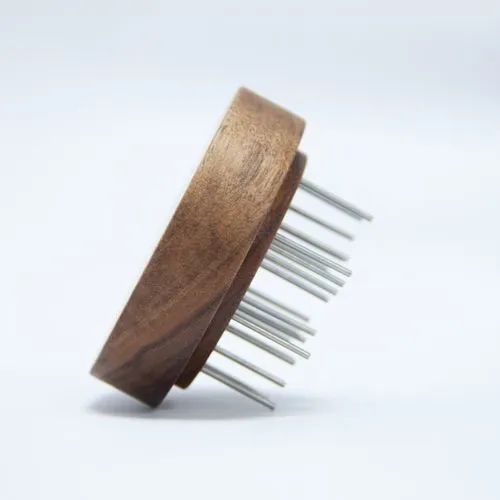
As distribution tools have grown larger, they carry more needles, some looking as lavish as a porcupine.
In use, you simply attach the portafilter with a dosing ring to catch the grounds, then work the needle structure through the coffee layer. This removes the clumping and unevenness caused by static electricity while keeping the coffee surface reasonably level. Because the needles barely touch the grounds, this kind of distributor retains almost no coffee residue.
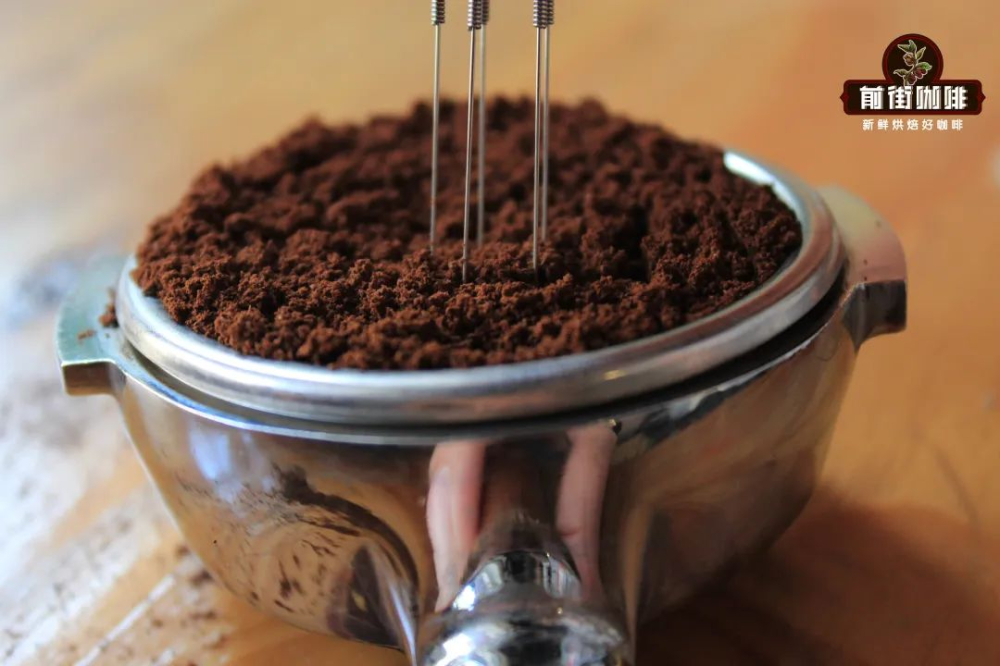
Before and After: The Difference
FrontStreet Coffee compared extraction before and after using the needle distributor. The puck treated with it extracted stably, with the espresso stream staying centered in the portafilter throughout.
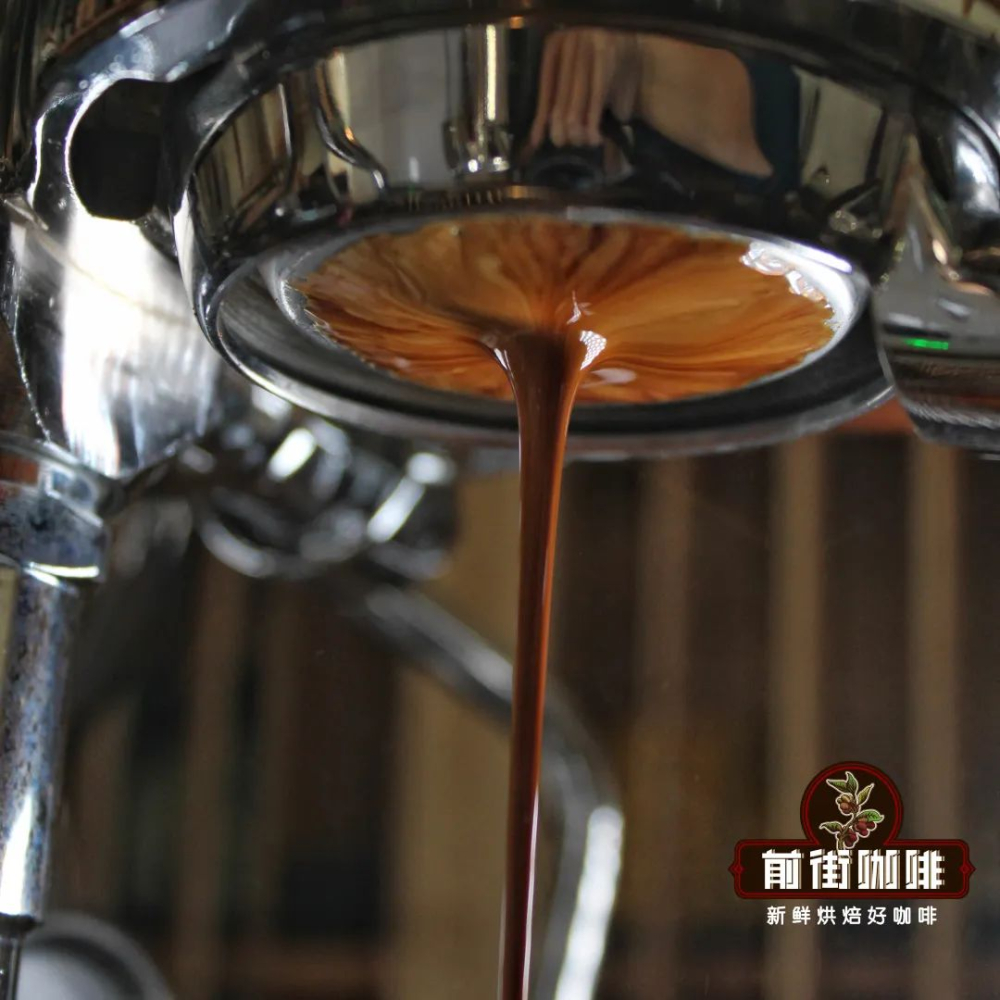
The puck without the needle distributor showed the espresso pulsing during the middle and later stages of extraction. The moment it drifted off center, the color of the liquid also turned uneven.
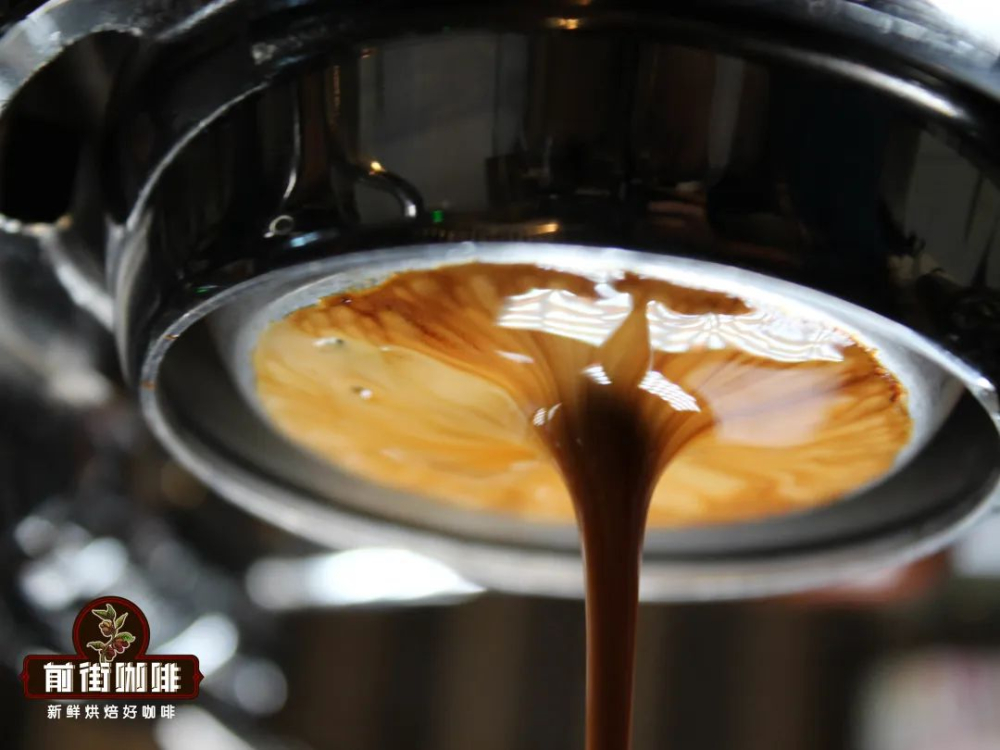
From practical use, FrontStreet Coffee concluded that a needle distributor breaks up clumps and redistributes the coffee bed from top to bottom, giving a consistent improvement in espresso quality. The stirring motion should be vertical and gentle, though, to avoid flinging grounds around or creating uneven density in the bed.
Does It Make Sense in a Busy Cafe?
In daily cafe operations, speed and consistency matter especially, so adopting WDT tools widely does present some difficulty.
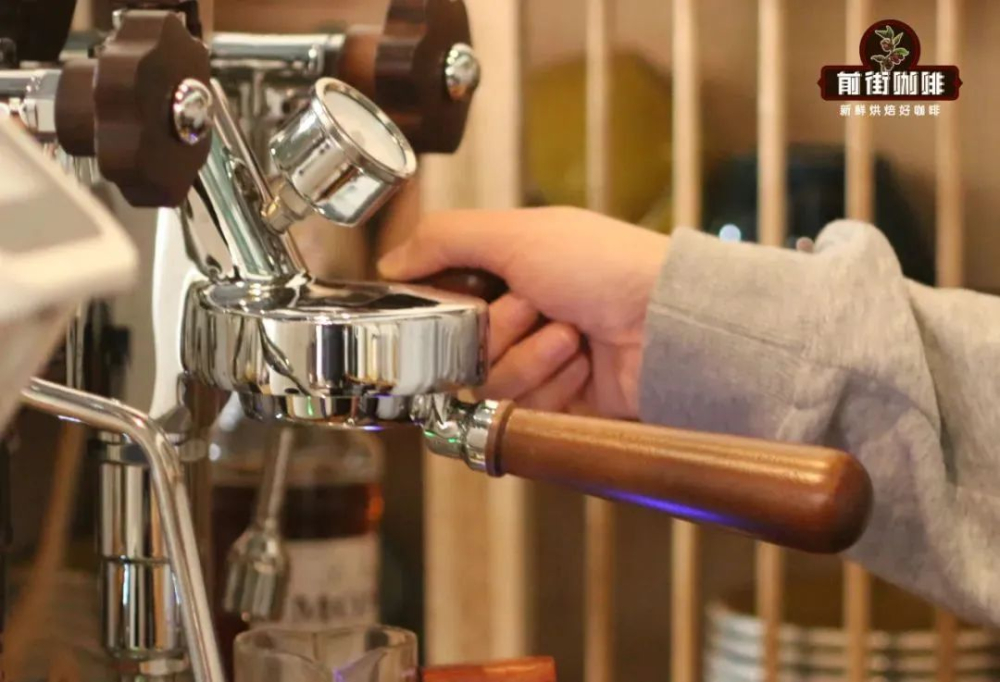
Adding the WDT step lengthens the preparation time for every espresso, which works against the speed that espresso is known for.
Distribution tools are appearing constantly in the coffee community. It seems likely that before long, all-in-one distributors with WDT built in will arrive, sparing every barista the trouble channeling causes.
FrontStreet Coffee Recommendation
Even distribution only pays off when the beans underneath cooperate. For traditional espresso and milk drinks, FrontStreet Classic Blend and FrontStreet Commercial Blend are the place to start: both add a small proportion of Robusta to the classic Italian recipe, so extraction delivers butter, nut, spice, dark chocolate and toast aromas, with a wild, full body and a rich golden crema that makes pouring latte art straightforward.
If you prefer nuttier, creamier shots, FrontStreet Signature Blend and FrontStreet Dark Cocoa Blend lean on a large share of Brazilian coffee for a comfortable bittersweet balance and a creamy peanut aroma. Signature Blend brings the nut, chocolate and caramel notes and gentle acidity of Colombian coffee, while Dark Cocoa Blend combines those with the ripe plum acidity of Yunnan smallholder beans, releasing creamy chocolate aromas once ground — balanced, adaptable and well suited to both Americanos and lattes.
And to test your new puck-prep routine on something that shows off clarity, FrontStreet Sun-Dried Huakui SOE is a fine choice: grown in Guji Hambela, Ethiopia, at altitudes up to 2,300 meters, naturally processed and roasted medium, it keeps the elegant floral and fruit character while caramelizing just enough, so an Americano or latte carries cream, cocoa, berry, soft floral and black tea notes.
Important Notice :
FrontStreet Coffee is a long-established specialty coffee roaster in Guangzhou China, selling freshly roasted beans from its own farm in Yunnan as well as dozens of carefully selected single-origin beans from around the world for both pour-over and espresso. The products deliver consistently excellent quality and great value, with shipping within 24 hours. Guangzhou's FrontStreet Coffee shop is recommended by many coffee lovers, and the beans are now available online at the Tmall 。
FrontStreet Coffee has moved to a new address:
FrontStreet Coffee Address: 315,Donghua East Road,GuangZhou
Tel:020 38364473
 Scan and follow the En Gafei WeChat official account. Please indicate that the reprint comes from "En Gafei".