
Can You Add Milk to Pour-Over Coffee? The Difference Between Latte and Café au Lait
Professional Coffee Knowledge Exchange
For more coffee bean information, follow Coffee Workshop (WeChat public account: cafe_style).
For more premium coffee beans, add FrontStreet Coffee on WeChat: qjcoffeex.
"I'd like a pour-over, with milk."
- What? Pour-over is for tasting the original flavor. Milk takes away its soul.
Today, as specialty coffee grows popular and more people chase the original flavors in coffee, quite a few think that drinking coffee with milk shows a lack of appreciation for specialty coffee.

But the term "specialty coffee" exists to encourage everyone to drink higher-quality coffee and to experience cleaner flavors under traditional extraction methods. It doesn't ask anyone to give up milk.
Across several centuries of coffee history, people have used milk as coffee's soul companion to make it more delicious. More than two hundred years before lattes made with espresso appeared, people in Europe were already adding milk to drip-brewed and immersion-extracted coffee.
According to letters written by the French writer Madame de Sévigné in the 1690s, a café in Vienna, Austria began selling milk coffee as early as the 1680s. It was the first café in history to sell milk coffee, and that drink is precisely the coffee many shops are now "reviving": Café au lait.
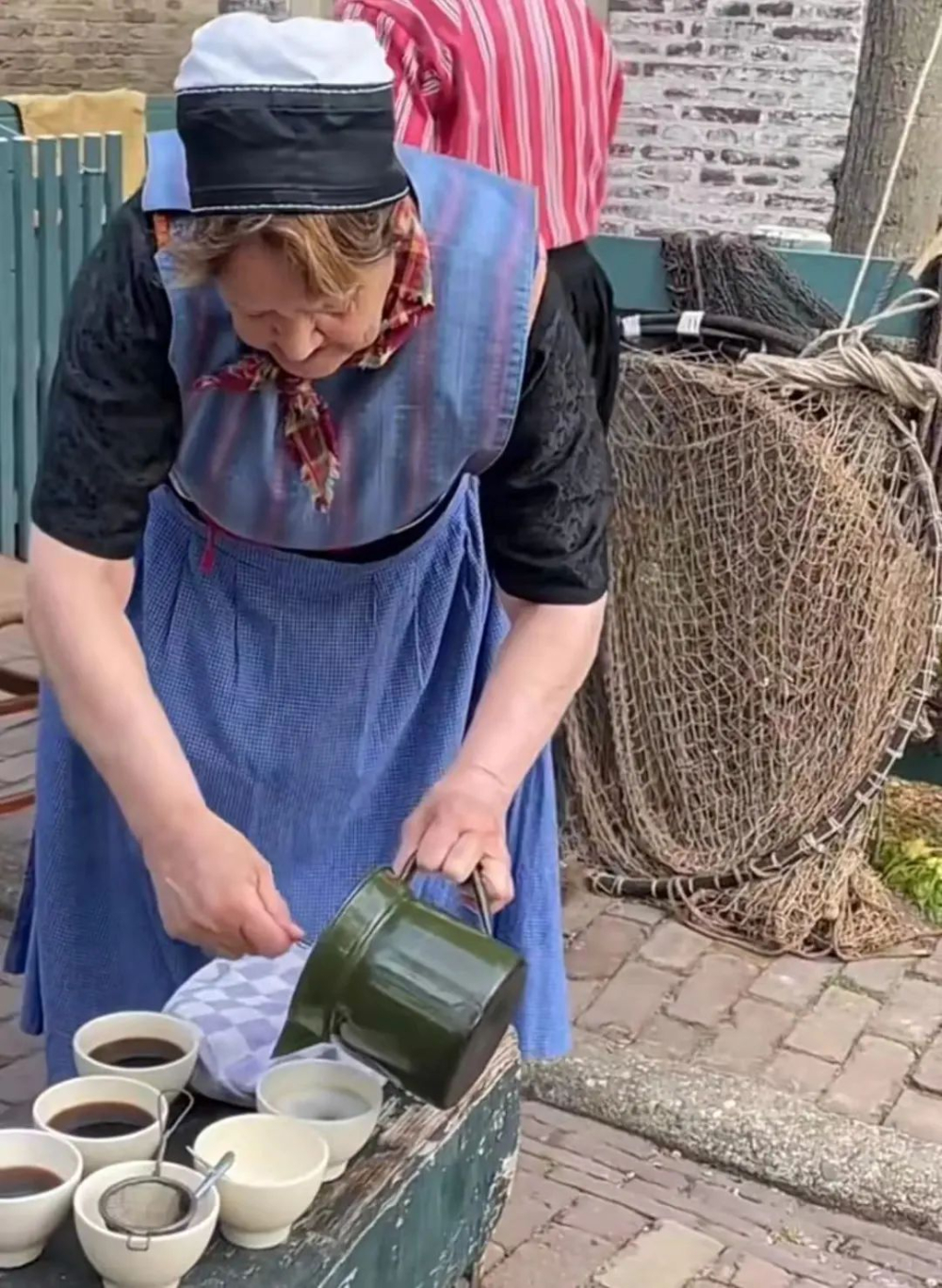
Many coffee shops, though, use espresso when making café au lait, which leads many people to mistake café au lait for caffe latte.
In reality, café au lait is made by adding milk to pour-over or French press coffee, and the milk doesn't need to be aerated and frothed. (Steaming milk only appeared after the espresso machine was invented.)
Café au lait may be the most common and easiest milk coffee to make, which is why the method spread quickly across Europe. Around the 18th century, the Japanese brought the popular European culture home, becoming one of the first Asian countries to develop café culture. Café au lait became one of the most popular items in cafés, and in the earliest cafés in China it was very popular too.
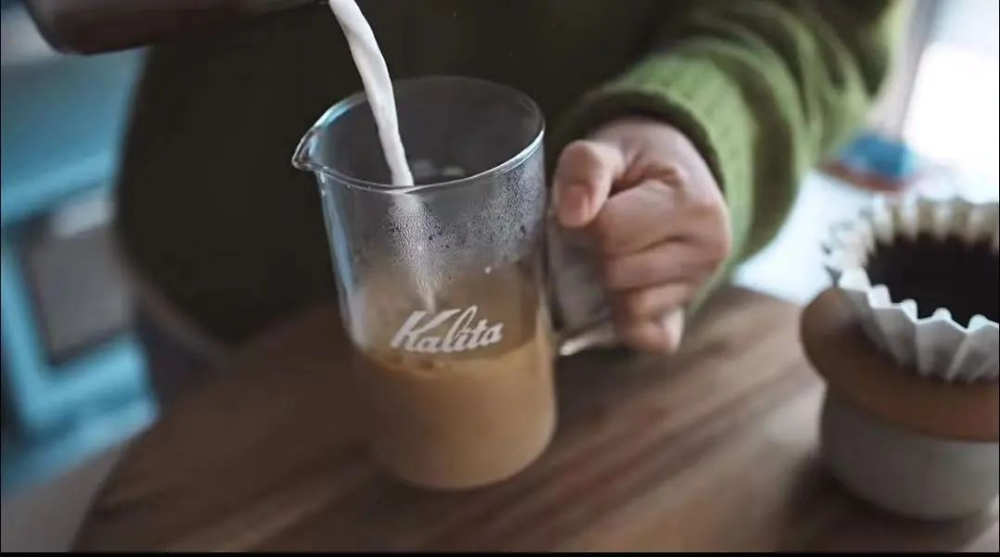
At first, café au lait was meant to neutralize the undesirable flavors in coffee. As people began paying more attention to bean quality and roasting, though, adding milk to brewed coffee became more refined. Hot milk not only neutralizes bitterness but also creates different flavor experiences.
Depending on how the coffee performs, adding different amounts of milk with different fat and protein content can make coffee show new flavors.
Café au lait has different versions around the world and many ways to make it, but whichever version, they all rely on drip or immersion-extracted coffee and hot milk.
The insistence on hot milk comes down to heating: when milk is heated, the lactose releases a caramel-like sweetness that not only enhances coffee's smooth, full body but also adds sweetness.
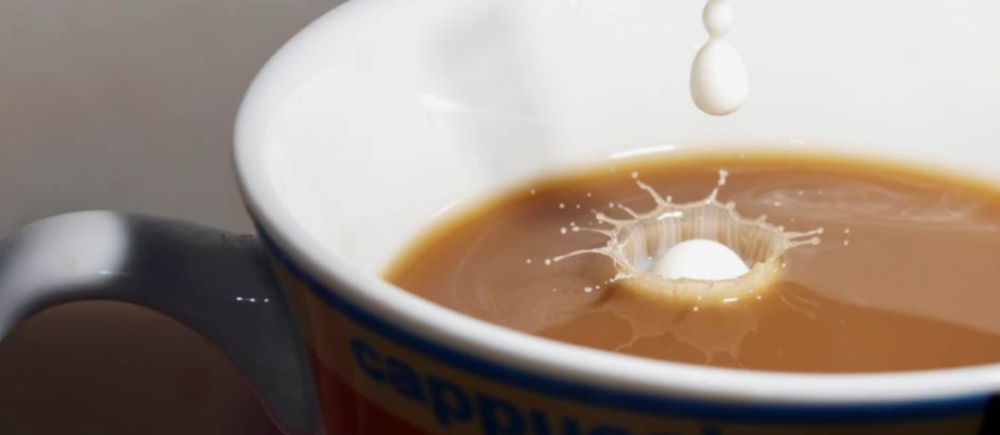
As for coffee concentration, there really aren't many strict rules. You can make it however you like, and café owners can make it however they see fit; it's that casual. As long as the drinker likes it, it's a good café au lait.
As coffee consumption trends shift, more and more people chase coffee's original flavor, yet milk and coffee remain an inseparable pair in many people's hearts, however the two are mixed.
Specialty coffee certainly hopes everyone can drink coffee with increasingly better flavor and quality, but regardless of flavor, not everyone can tell these differences apart.
Adding milk to pour-over is a completely normal thing. Everyone has different requirements for coffee strength and taste. A coffee that meets golden cup extraction standards on paper might still taste too strong for someone, or they might discover flavors they prefer after adding hot milk, which might spark more interest in specialty coffee.
Coffee is a very inclusive beverage. What matters is that the drinker likes it and enjoys it. That's the fundamental principle.
Image source: Internet
FrontStreet Coffee Recommendation
Since café au lait is built on brewed coffee rather than espresso, a French press is the easiest way to make a full-bodied base, and the bean matters. If you like a fragrant, clean cup, FrontStreet Strawberry Candy is a Geisha blend built from Costa Rica honey-processed coffee and Panama washed Geisha, combining the best of Central American flavor; brewed by immersion it gives off rose, citrus, grape and raisin aromas, and with milk it turns into strawberry-gummy sweetness.
If instead you want a low-acid black coffee with a rich, oily body, FrontStreet PWN Golden Mandheling is the pick. As one of Asia's best-known specialty coffees, it is processed with three rounds of hand sorting plus one machine sort so the beans are even and bright, and after a medium-dark roast the beans are big and full of spice, caramel, cedar and dark chocolate; brewed in a French press it is thick and full of body.
Important Notice :
FrontStreet Coffee is a long-established specialty coffee roaster in Guangzhou China, selling freshly roasted beans from its own farm in Yunnan as well as dozens of carefully selected single-origin beans from around the world for both pour-over and espresso. The products deliver consistently excellent quality and great value, with shipping within 24 hours. Guangzhou's FrontStreet Coffee shop is recommended by many coffee lovers, and the beans are now available online at the Tmall 。
FrontStreet Coffee has moved to a new address:
FrontStreet Coffee Address: 315,Donghua East Road,GuangZhou
Tel:020 38364473
 Scan and follow the En Gafei WeChat official account. Please indicate that the reprint comes from "En Gafei".

