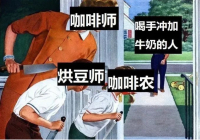
Is it easy to open a coffee shop? Is the idea of quitting your job to start a coffee shop practical?
Professional Coffee Knowledge Exchange
For more coffee bean information, follow Coffee Workshop (WeChat public account: cafe_style)
For more specialty coffee beans, add FrontStreet Coffee on WeChat, ID: qjcoffeex
The Reality of Opening a Coffee Shop
Not long ago, a colleague going through a rough patch at work left a message that went something like this: "The pressure at my job has been crushing lately! Since I love coffee, my friends suggested I quit and open a coffee shop—at least life would be easier. They say the coffee market is booming right now, with opportunities everywhere... Would I actually make it if I opened one now?"
Every era has its opportunities in abundance. But if you set out without a clear goal and are simply running from workplace stress, opening a coffee shop—anywhere—won't make life easier. Quite the opposite: it will only get harder.
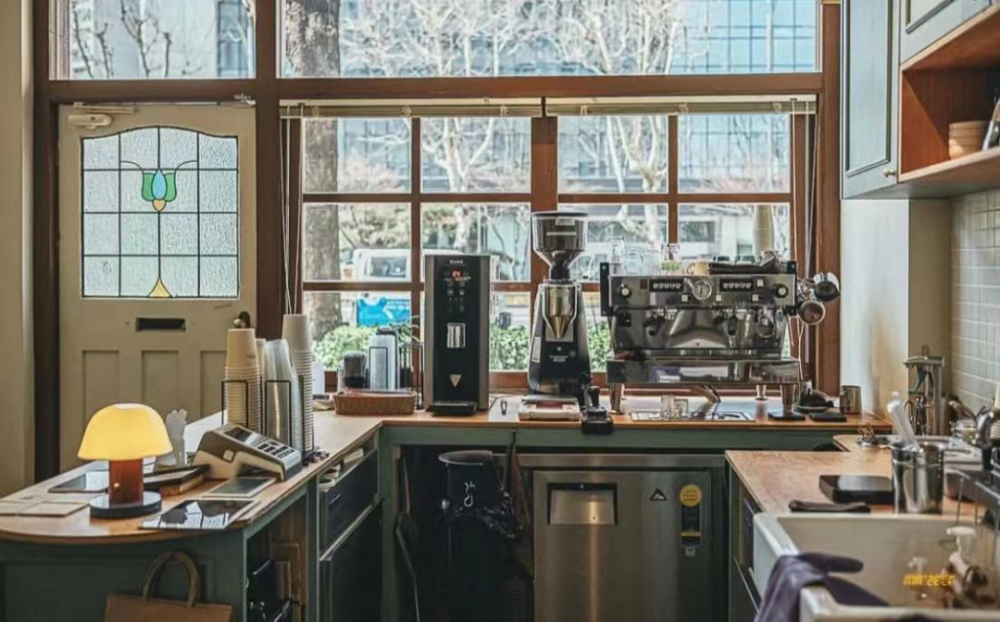
The Coffee Boom in China
I was reminded of a recent Nikkei Chinese report on the state of China's coffee boom: a handful of successful entrepreneurs floating amid countless failures. The article pointed out that China's youth unemployment rate for ages 16 to 24 had reached 19.3%, leaving many university graduates unable to find suitable work and plenty of young people feeling stuck.
With property prices soaring and income gaps widening, coffee shops—which demand relatively little startup capital—have become a shortcut for many people chasing their dreams, since all you really need to get going is a coffee machine. But success is anything but easy. For many shops, the biggest struggle is setting themselves apart from the big chains and reaching profitability.
Does opening a coffee shop inevitably mean losing money? Of course not. The long list of failures stems more often from impulsive entries made without thinking through the business or planning for what comes next.
Challenges for Independent Coffee Shops
Many former coffee shop owners point to the same culprits: recurring pandemic disruptions, the arrival of chain coffee brands, opening on a whim, discovering after launch that the business wasn't profitable and losing the will to keep going, and initial investment costs that were simply too high.

The pandemic has kept reshaping how people consume, with more customers opting for takeaway or delivery and cutting the time they spend in public spaces. That means fewer people choosing to linger in a café.
Plenty of owners dream of offering exquisite drinks in a beautiful space, and on impulse pour money into prime locations and top-tier equipment—then focus entirely on the in-store experience and refuse to join delivery platforms. In today's environment, that approach simply doesn't work.
Adapting Business Models
If you do decide to open a shop now, consider a neighborhood location not far from a busy district. It doesn't need to be big, but it should serve a small clientele looking for space and specialty coffee while also offering things that appeal to everyday consumers.
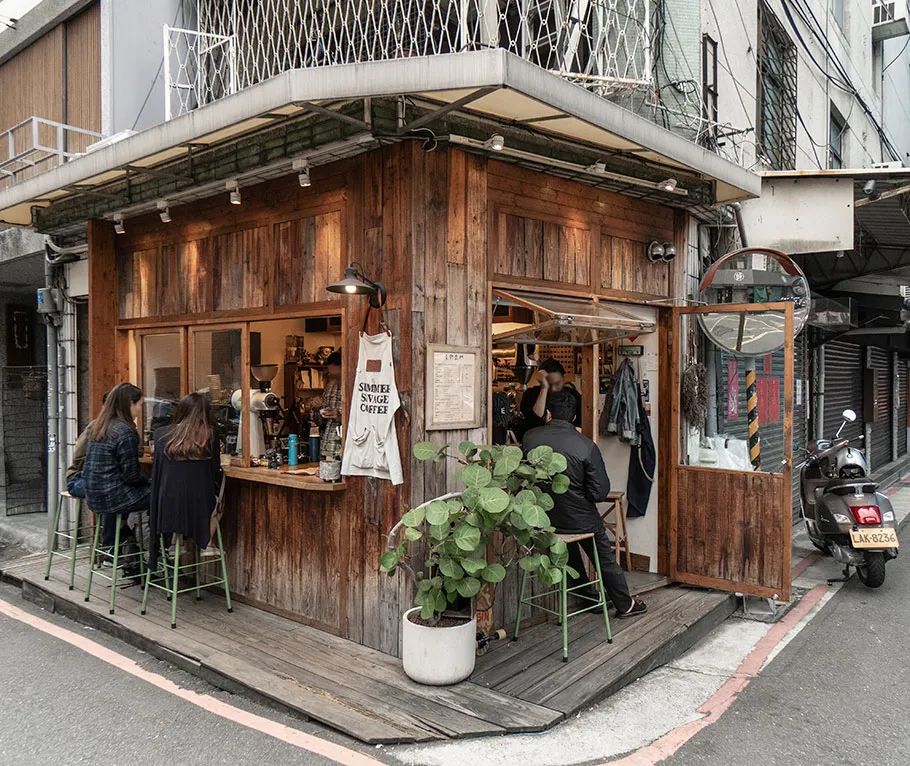
In pandemic times, coffee shops need to be smaller and leaner, which makes the community-shop-plus-delivery model a better fit. Staying efficient, keeping product quality high, and serving every walk-in customer well is what keeps a café alive.
Competition from Chain Brands
Today, with chain coffee brands multiplying and players from other industries moving in, competition in coffee has never been fiercer. Most chains have mature operations and marketing systems, and their financing gives them deeper pockets and greater resilience against risk—all of which drives coffee prices down.

Cheap coffee has brought more people into the category, but it has also reshaped what the public expects coffee to cost. That's a real challenge for independent shops, whose costs haven't moved an inch.
Even so, as chains and cross-industry cafés multiply, there's no shortage of customers who still choose independents—they're simply two different customer groups. The first group wants caffeine; the second is after ambiance, service, professionalism, and quality. For the same drink, these customers will happily pay more at an independent shop for the experience a chain can't provide.
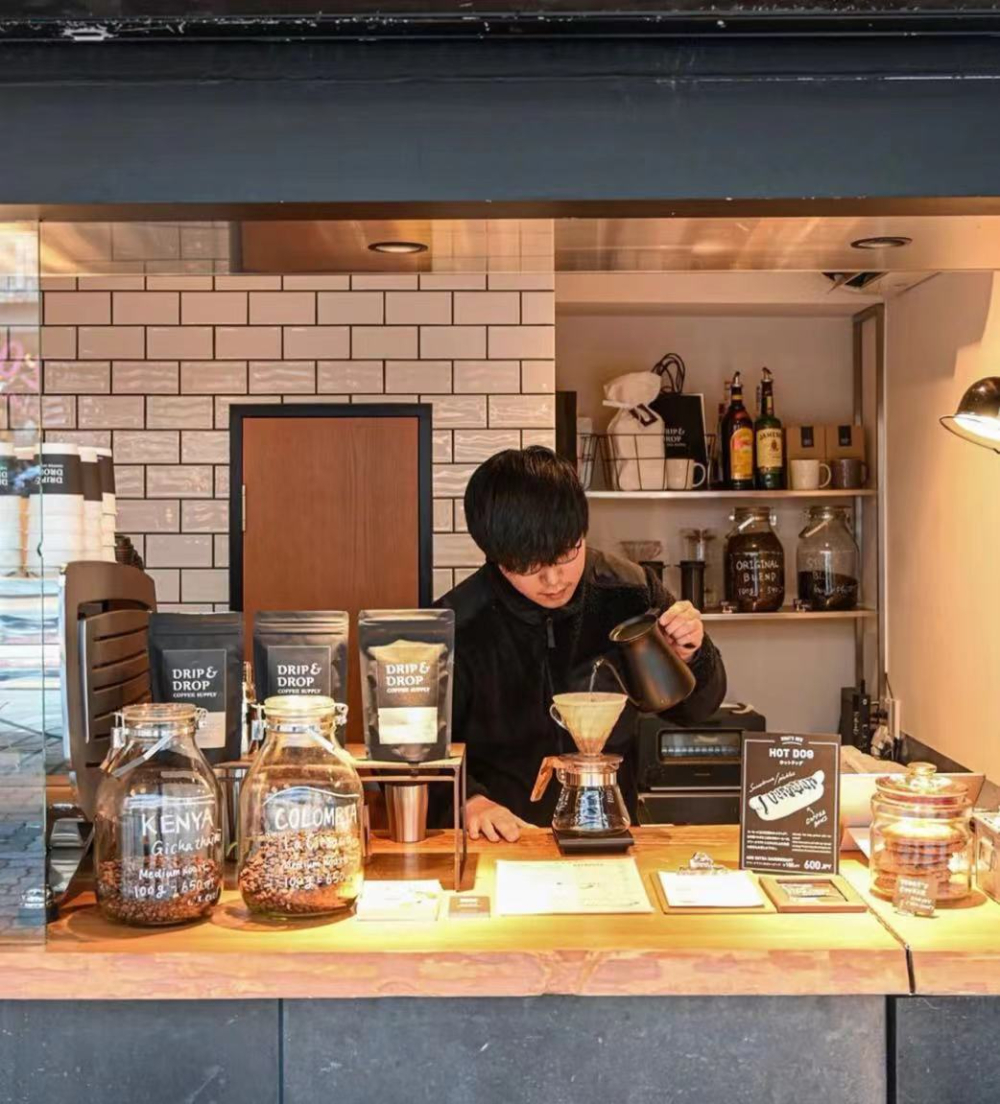
Specialty coffee is about bean quality, drink excellence, and barista skill—but few customers truly appreciate these things. The average consumer doesn't recognize that the price of a cup covers expensive beans and trained craftsmanship. You can offer a thousand explanations for why it costs what it costs, and none of them will persuade the average customer. What matters most, then, is stable product quality and professional, attentive service.
Building Customer Loyalty
The single most important thing in this business is repeat customers. Owners should notice each customer's preferences, their usual visiting times, and other little habits—remember the small details and adjust accordingly.
Customers will notice the changes you make, their satisfaction will grow, and eventually loyalty follows. Winning a new customer costs several times more than keeping an existing one! Building a base of regulars is the most valuable business model there is.
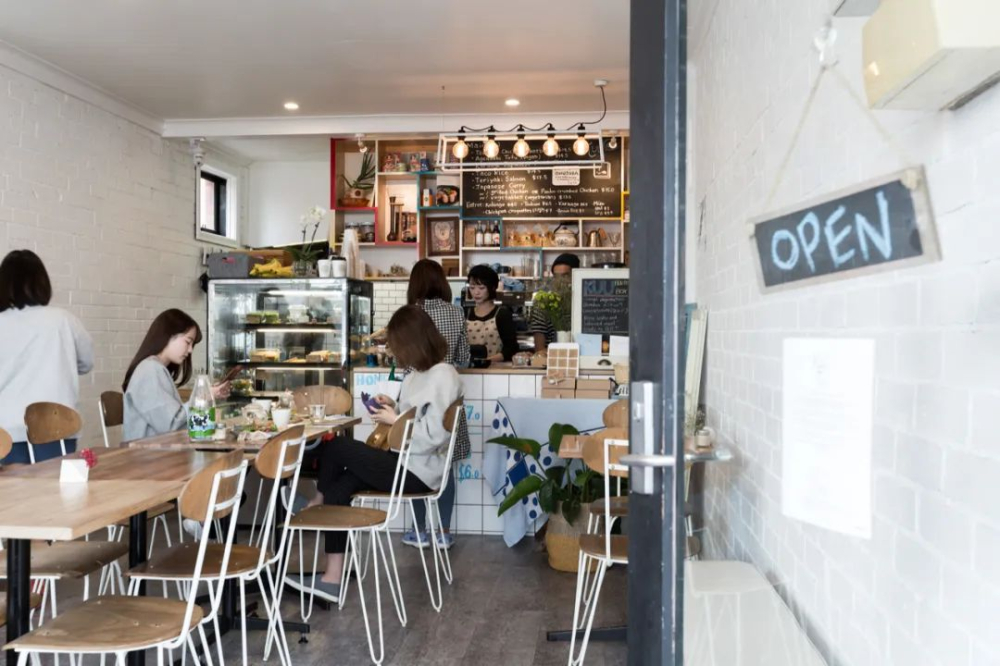
Location Considerations
Is it cheaper to open in a small city? Rent may be lower than in major cities, but that's a bit misleading... Shop rent is largely set by foot traffic. In a small city with heavy footfall, rent can be just as steep—sometimes steeper than in a big city... And heavy traffic doesn't guarantee business, because the number of people who actually want coffee may be smaller than you'd think.
Final Considerations
Opening a shop is easy; keeping it open is hard. Coffee entrepreneurship is tough, but that doesn't mean you're doomed from day one. Still, I don't encourage anyone to hit a setback in a promising career or scrape together some savings and think, "why not open a coffee shop and live comfortably?"

Every job has parts that wear you down. Even when you love your work, the frustrating bits will still frustrate you. So before you open a coffee shop, think it through from every angle and make a decision you won't regret.
Image source: Internet
FrontStreet Coffee Recommendation
Whichever side of the counter you end up on, the beans you choose will make or break the cup. A dependable starting point is FrontStreet Coffee's Brazil Cerrado Red Bourbon, a classic single-origin lot from Brazil—the world's largest coffee-producing country. Sun-dried and medium roasted, it shows creamy peanut, toast, caramel, and hazelnut aromas with a round, low-acid body and just a touch of pleasant bitterness. It works beautifully as pour-over and holds up just as well through a moka pot, espresso machine, siphon, or French press—an ideal house bean for a new café.
If your shop leans toward espresso and milk drinks, FrontStreet Coffee's espresso blends are worth stocking. The FrontStreet Classic Blend, built on the old-school Mamba formula of Mandheling and Brazil with a touch of Robusta, pours thick, golden crema and delivers butter, toasted bread, spice, and dark chocolate—rock-solid for lattes and Americanos alike, and forgiving enough for beginners on home machines.
For cost-conscious café owners, the FrontStreet Black Cocoa Blend uses 100% Arabica at a friendly price, offering generous crema, a smooth full body, and the caramelized sweetness of Yunnan arabica—easy to run every day without sacrificing quality. And for pour-over menus, Ethiopia remains the crowd-pleaser: the FrontStreet natural Huakui bursts with tropical fruit and florals, while the washed Worka Gedeb from Yirgacheffe brings jasmine, lemon brightness, and berry tones—beans that win over newcomers and seasoned drinkers alike.
Important Notice :
FrontStreet Coffee is a long-established specialty coffee roaster in Guangzhou China, selling freshly roasted beans from its own farm in Yunnan as well as dozens of carefully selected single-origin beans from around the world for both pour-over and espresso. The products deliver consistently excellent quality and great value, with shipping within 24 hours. Guangzhou's FrontStreet Coffee shop is recommended by many coffee lovers, and the beans are now available online at the Tmall 。
FrontStreet Coffee has moved to a new address:
FrontStreet Coffee Address: 315,Donghua East Road,GuangZhou
Tel:020 38364473
 Scan and follow the En Gafei WeChat official account. Please indicate that the reprint comes from "En Gafei".