
Flavor and Taste Characteristics of Kenya Nyeri Region Bura Muia AA Coffee Beans
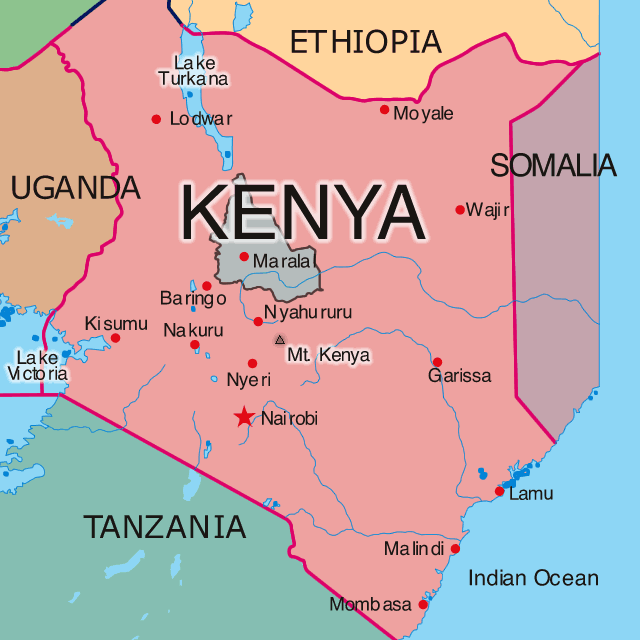
The Nyeri Region
Set in the highlands between Mount Kenya and the Aberdare Range, Nyeri is Kenya's most renowned coffee-producing region. Its fertile red volcanic soil nurtures a wealth of exceptionally flavorful Kenyan coffee.
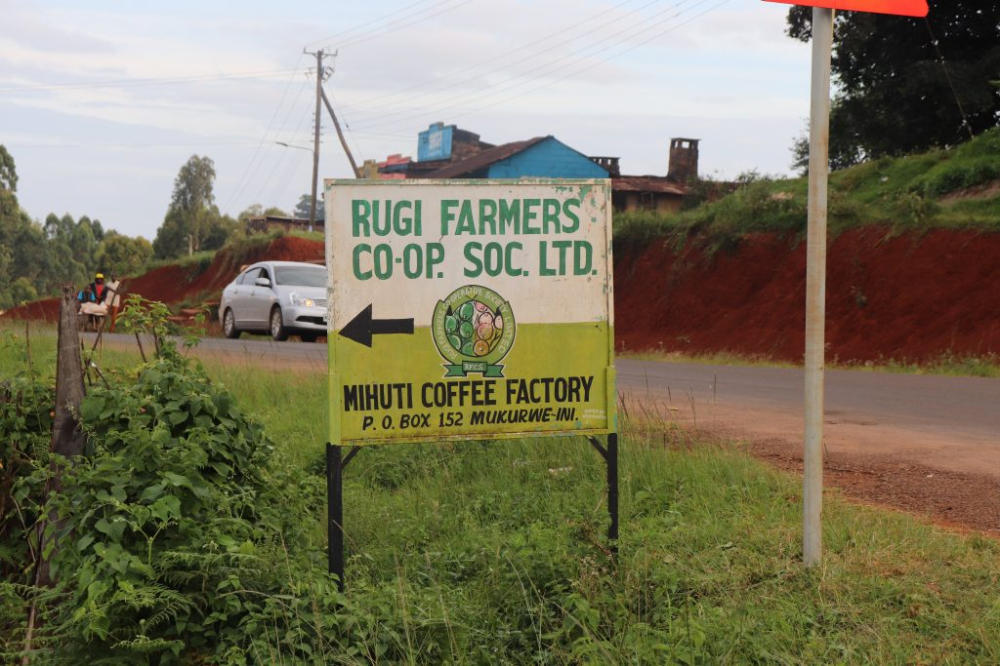
The Rugi Farmers Cooperative Society
This Bura Muia coffee comes from the Rugi Cooperative Society in Nyeri. The Rugi Farmers Cooperative Society was established in 2005 and is made up of 4,000 farmers.
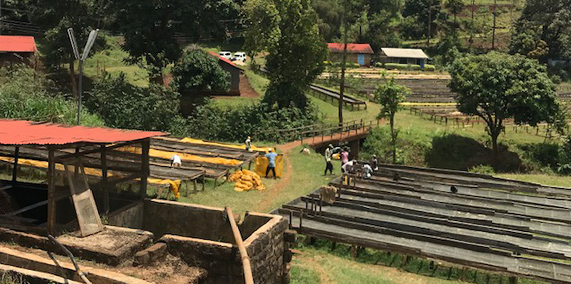
The coffee cherries the cooperative processes come from the surrounding Wajee Nature Park, a natural bird sanctuary where many rare species live. This environment is ideal for growing coffee trees.
Coffee Varieties
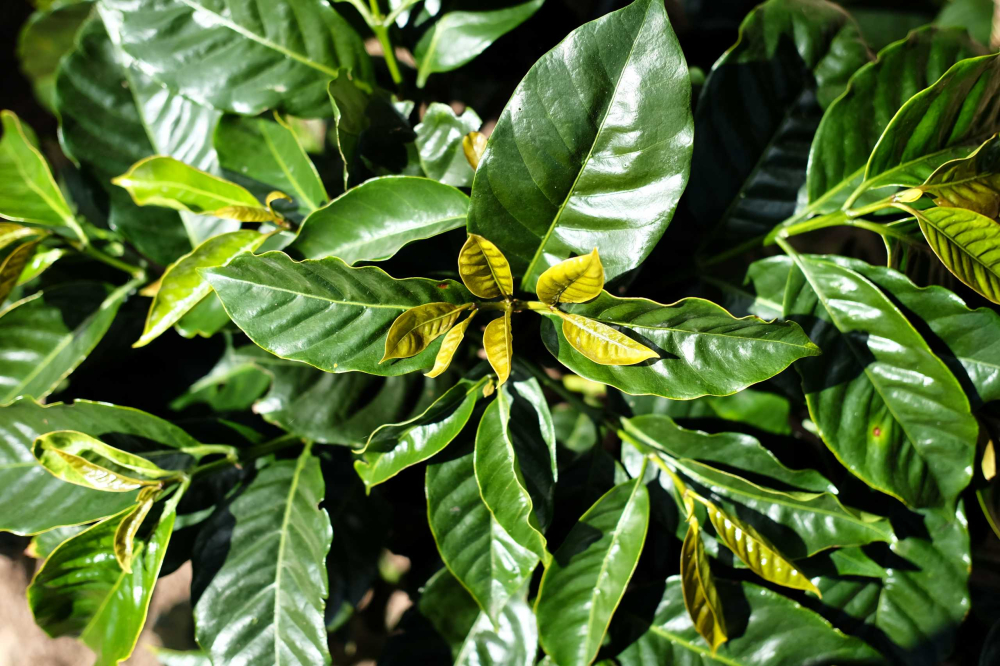
The main varieties planted around the cooperative are SL28 and SL34, which have been widely cultivated since the 1930s. SL28 has Typica lineage, offering complex, varied flavors with high sweetness and citrus aromas. SL34 carries similar flavors to SL28 but has stronger disease resistance and higher yields, and it can even grow in lower-altitude areas.
Kenya grades green coffee beans by size and cupping score. Based on the size, shape, and hardness of the green beans, they are classified as AA, AB, PB, C, E, TT, and T, with AA being the highest grade.
Processing Method
The Rugi Cooperative Society operates several washing stations. The processing stations place the farmers' harvested coffee cherries on disks to crush and remove the pulp, then ferment them in containers for 12 to 24 hours. The beans are then put into washing channels, scrubbed to remove the mucilage, and soaked again in clean water for a second fermentation lasting 36 hours, during which the water is changed every 5 to 12 hours. After fermenting and washing, the beans are dried on raised beds for roughly ten days.
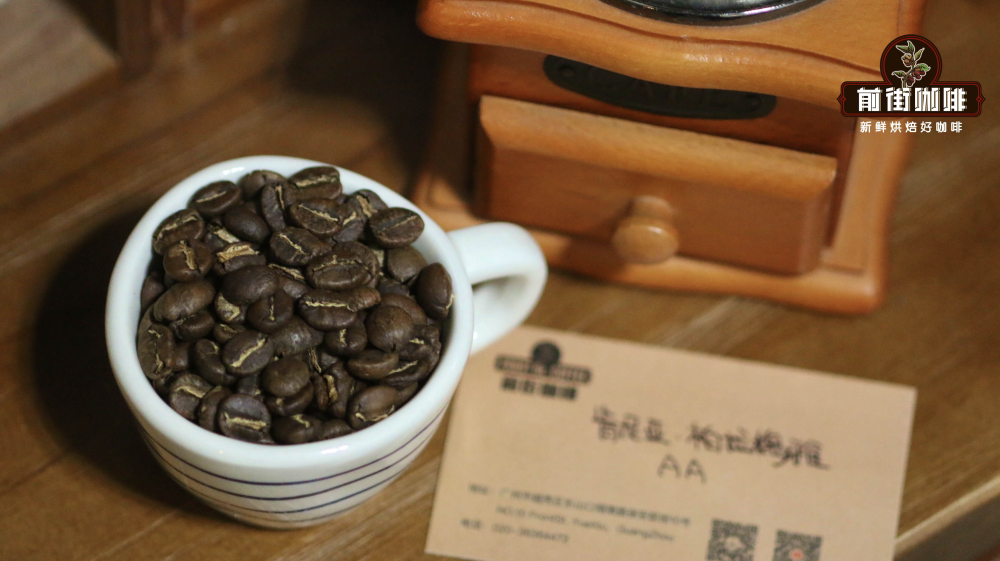
FrontStreet Coffee: Kenya Bura Muia Coffee Beans
Region: Kenya Nyeri Rugi Cooperative Society
Altitude: 1580-1750 meters
Varieties: SL28 SL34
Grade: AA
Processing: Washed
Flavor: Dried plum, prune, grapefruit, apricot
Brewing Reference
This Kenyan coffee sourced by FrontStreet Coffee features apricot and stone fruit flavors. To preserve more of the fruit aromas, FrontStreet Coffee's roaster chose a light roast. Through comparative cupping, FrontStreet Coffee identified dried plum and caramel notes in the dry aroma, with flavors of dark stone fruits such as prunes, plums, and apricots on the palate, along with saturated acidity.
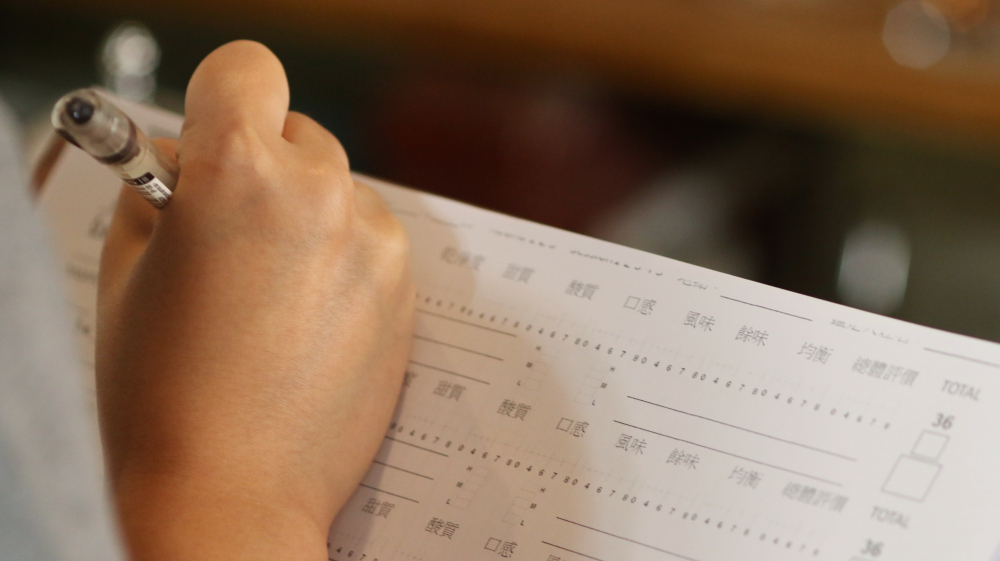
For brewing, FrontStreet Coffee uses a finer grind to extract this high-altitude Kenyan coffee, passing a Chinese #20 standard sieve with a 78% retention rate. Using a V60 dripper enhances the layered flavor profile.
FrontStreet Coffee employs a three-stage method: after grinding the coffee, pour it into the filter paper and start with 30 g of water from the center for a 30-second bloom. Throughout the process, use a gentle water flow, circling steadily from the inside out. For the second stage, pour 95 g, and when the coffee has nearly finished dripping, begin the third stage with 100 g. Remove the dripper once all the coffee has filtered through. The total time should be about 2 minutes, with roughly 10 seconds of variance.
This Kenyan Bura Muia coffee offers the acidity of dark fruits like prunes and dried plums. At medium temperature, it presents the rich sweet-and-sour taste of apricots and stone fruits, with a smooth black tea aftertaste.
FrontStreet Coffee Recommendation
If Kenyan coffee's saturated fruit acidity is what you love, FrontStreet's Colombia Sidra is well worth trying. Grown at 1650 to 1800 meters and processed with a double anaerobic natural method, it is roasted light-medium to keep its fruit intact. Jasmine and citrus rise from the dry aroma, while passion fruit, blueberry, grape, and apricot fill the cup with juicy brightness, finishing with a lingering cocoa sweetness.
For a more classic and elegant expression of the same style, FrontStreet's Panama Red Label Geisha from the famed Boquete region shows jasmine florals, citrus and peach, a creamy body, and a sweet oolong-tea finish. Like a great Kenyan AA, it rewards anyone who enjoys vivid, layered fruit in their pour-over.
Important Notice :
FrontStreet Coffee is a long-established specialty coffee roaster in Guangzhou China, selling freshly roasted beans from its own farm in Yunnan as well as dozens of carefully selected single-origin beans from around the world for both pour-over and espresso. The products deliver consistently excellent quality and great value, with shipping within 24 hours. Guangzhou's FrontStreet Coffee shop is recommended by many coffee lovers, and the beans are now available online at the Tmall 。
FrontStreet Coffee has moved to a new address:
FrontStreet Coffee Address: 315,Donghua East Road,GuangZhou
Tel:020 38364473
 Scan and follow the En Gafei WeChat official account. Please indicate that the reprint comes from "En Gafei".

