
What is the Best Water Temperature for Pour-Over Coffee? The Impact of Brewing Temperature on Coffee Flavor and Mouthfeel

The Challenge of Brewing at Lower Temperatures
When it comes to water temperature for pour-over coffee, most people reach for higher temperatures, since heat not only improves extraction efficiency but, more importantly, pulls out rich sweet and sour aromatics. In practice, pour-over water temperatures rarely drop below 80 degrees Celsius. But is it possible to brew genuinely delicious coffee below that threshold?
FrontStreet Coffee's Experiment
FrontStreet Coffee got the idea from a friend who works in an office building and wanted to "play around" with pour-over at his desk. The office's only hot water source was a water dispenser, whose hottest setting tops out around 70 degrees. By conventional brewing wisdom, that simply doesn't meet pour-over requirements.
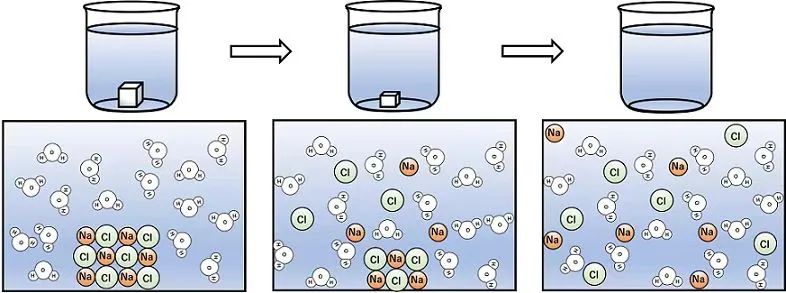
But 70-degree water isn't necessarily disqualified! If we break the problem down and set flavor aside for a moment, focusing purely on how temperature affects extraction rate, the answer is simple: it's about dissolution efficiency. It works just like dissolving an instant drink - the hotter the water, the faster the granules dissolve; the cooler the water, the longer it takes, sometimes needing a stir to speed things up.
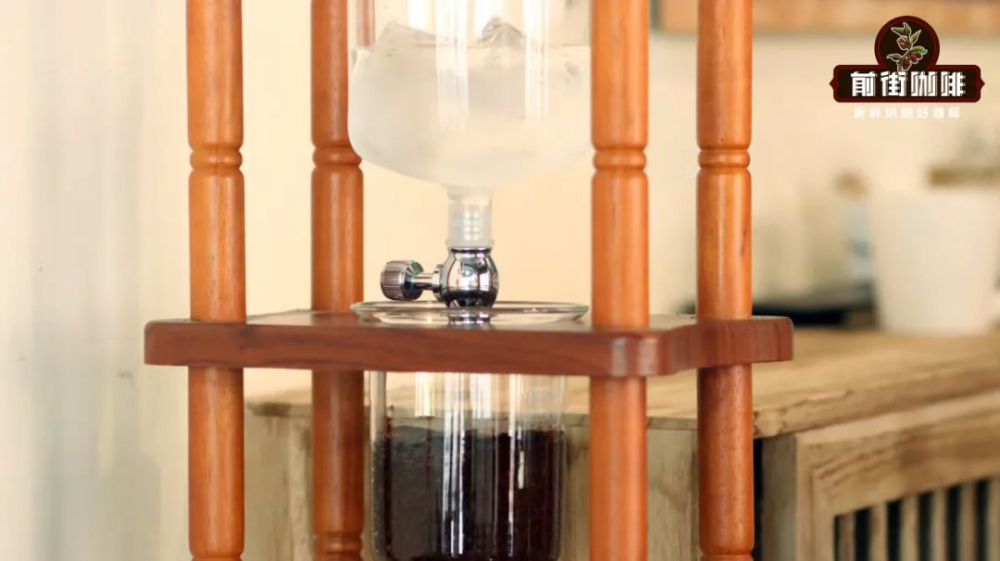
The same logic applies to coffee. When the water cools down, can a longer extraction time make up the difference in extraction rate? Cold drip coffee is the classic proof: its ice water sits at roughly 7 degrees Celsius - a temperature at which extraction is extremely inefficient - yet 6-8 hours of slow dripping compensates fully.
So FrontStreet Coffee decided to test whether the same trade-off works at 70 degrees, matching the maximum temperature of an office water dispenser. The beans were Panama's "Flower Butterfly," which, brewed with FrontStreet Coffee's standard parameters, yields jasmine, lemon, honey, and oolong tea.
Brewing Techniques for Extended Extraction
To stretch the extraction time, the common pour-over levers are multi-stage pouring, controlling the water flow, grinding finer, and switching to a slower-flowing dripper. FrontStreet Coffee used all of them, choosing Hario's infinity dripper - though other slow drippers like cone-shaped or Kono drippers would work just as well.
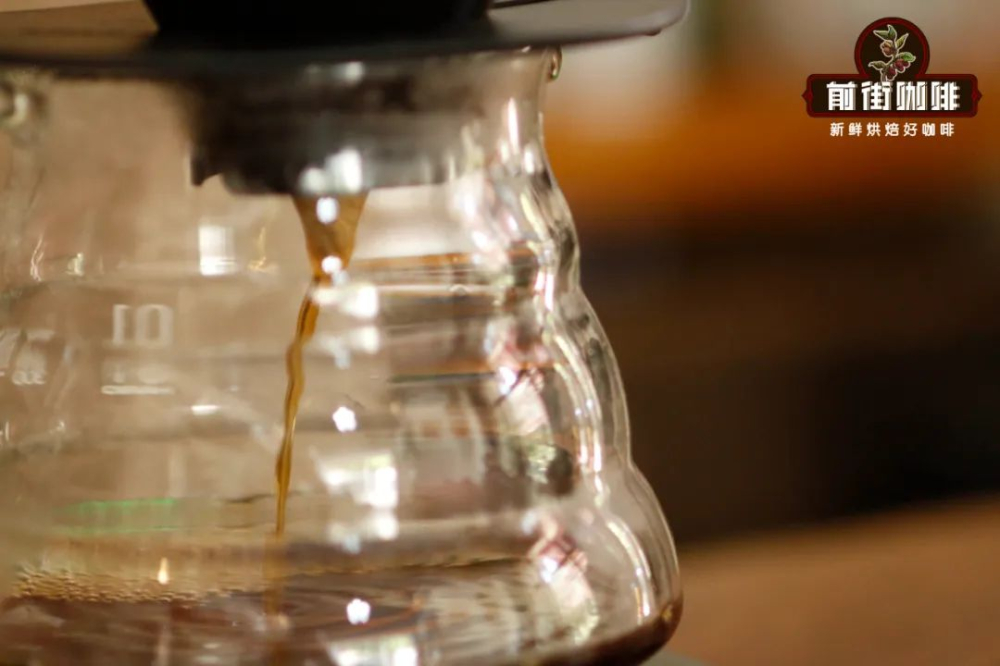
The grinder was an EK-43s set to 5.5 (normally FrontStreet uses setting 10). That sounds like nearly double the adjustment, but the actual particle size difference isn't as dramatic as it seems: passed through a #20 sieve, the retention rate was 93% - relatively fine for pour-over. The ratio stayed at 1:15.
The Pouring Process
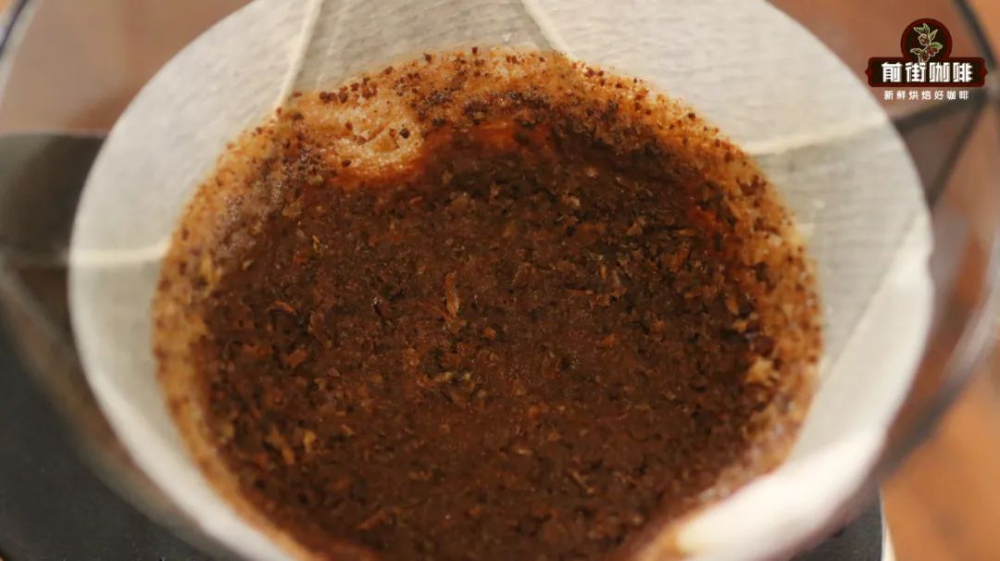
For pouring, FrontStreet Coffee used multi-stage pours with a small flow rate to extend contact time as much as possible: 30ml first for a 30-second bloom, then 70ml; once the liquid drained enough to expose the coffee bed, another 65ml, and when the bed showed again, the final 60ml. The total time until all the liquid had drained through was 3 minutes and 33 seconds. The spent grounds had a muddy consistency - a sign they were quite fine.
A refractometer reading put the coffee's concentration at 1.49% - quite high for pour-over - which works out to an extraction rate of 20.5%.
Tasting and Results
Then came the tasting. Aromatically, the cup had no fresh floral notes at all, replaced instead by a sweet caramel scent. Surprisingly, there was no discomfort from the coffee's intensity - unexpected, given the numbers. The acidity wasn't prominent, but the sweetness was very strong, like rich brown sugar. The finish, however, carried some unpleasant bitterness and astringency.
So FrontStreet Coffee made a fine adjustment, coarsening the grind to setting 6.5 - roughly a 90% pass rate through the #20 sieve - and brewed again with the same method. Extraction time barely dropped: the total filtering time was 3 minutes and 20 seconds.
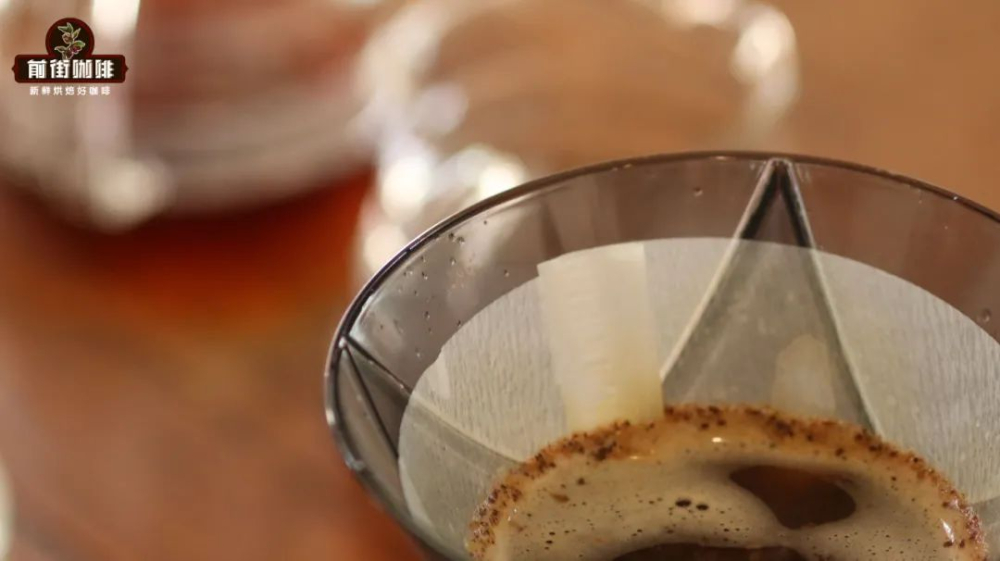
Concentration measured 1.46%, not much lower, with a corresponding extraction rate of 20.09%.
This cup still didn't burst with florals; the aroma was closer to sweet potato syrup water. The acidity was more noticeable than the first cup - something like mandarin orange - while the sweetness was fruit-honey sweet. The finish carried tea-like notes. Although the flavor profile still differed significantly from a standard brew, this cup tasted genuinely good.
Next, FrontStreet Coffee coarsened further to setting 7.5 (an 87% pass rate through the #20 sieve) to see if flavor would keep improving. With only the grind changed, the extraction time came in at 3 minutes and 2 seconds.
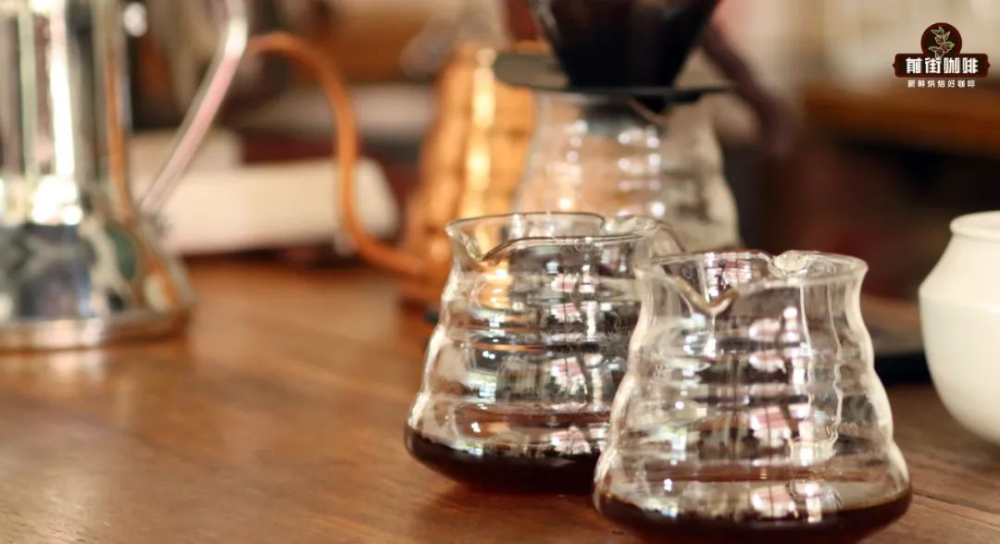
This cup measured 1.35% concentration, a calculated extraction rate of 18.55%. The aroma again lacked florals, smelling instead of sweet preserved fruits. Tasting it, the fruit acidity was obvious - like small mandarin oranges - with honey-like sweetness, though the mid-palate through the finish showed a hint of southern almond.
Conclusions
On extraction rate, then, lower temperature can indeed be compensated for by extending the extraction time. On flavor, however - especially aroma - it cannot. High water temperatures extract rich floral and fruity aromatics plus more acidity early in the brew.
Drop the temperature and those compounds come out less efficiently; combined with the longer extraction, the extended release of sweet and bitter compounds makes the whole cup taste sweeter and more balanced overall. Extraction time during the brew also determines whether the coffee leans bitter, sweet, or acidic: in this test, 70-degree brews held between 3 and 3.5 minutes all showed prominent sweetness - the first cup, at 3 minutes 33 seconds, trended bitter, while the third, at 3 minutes 2 seconds, leaned acidic.
Go even lower - say 40 or 50 degrees - and you'd need still longer extraction times, with a flavor profile that becomes more balanced but increasingly lacking in distinctive character.
FrontStreet Coffee Recommendation
Lower-temperature brewing suits beans with sweet, fruit-forward profiles. FrontStreet Coffee's Ethiopia Huakui - natural-processed Guji Hambela beans grown above 2,200 meters - turns its long cherry ripening into light floral and fruit aromas, with creamy strawberry and guava acidity, dried mango, delicate florals, and a layered black-tea finish.
For something crisper, the FrontStreet Kenya Little Tomato, washed over 72 hours, has remarkably lively acidity that reads like fresh fruit juice - cherry tomato and grapefruit lift that stays refreshing even in iced or cool brews. And if you like deep sweetness, the FrontStreet Costa Rica Mozart, anaerobically honey-processed, shows raisin aroma with pronounced blueberry, black grape, and winey fermented notes - a cup that stays refreshingly fragrant from first sip to last.
Important Notice :
FrontStreet Coffee is a long-established specialty coffee roaster in Guangzhou China, selling freshly roasted beans from its own farm in Yunnan as well as dozens of carefully selected single-origin beans from around the world for both pour-over and espresso. The products deliver consistently excellent quality and great value, with shipping within 24 hours. Guangzhou's FrontStreet Coffee shop is recommended by many coffee lovers, and the beans are now available online at the Tmall 。
FrontStreet Coffee has moved to a new address:
FrontStreet Coffee Address: 315,Donghua East Road,GuangZhou
Tel:020 38364473
 Scan and follow the En Gafei WeChat official account. Please indicate that the reprint comes from "En Gafei".

