What is the Third Wave of Coffee? Don't Let Specialty Coffee Become the Beginning of a "Coffee Snobbery Chain"!
The Evolution of Coffee: Understanding the Third Wave and Specialty Coffee
Over the past decade the coffee industry has developed rapidly, with more and more people influenced by the third wave of coffee and gradually paying attention to specialty coffee. That has produced a common assumption: specialty coffee equals the third wave.
In reality, the third wave of coffee does not represent just a cup of coffee. It covers everything connected to coffee and presents a complete supply chain, an experience. Specialty coffee, meanwhile, is what we encounter throughout that experience.
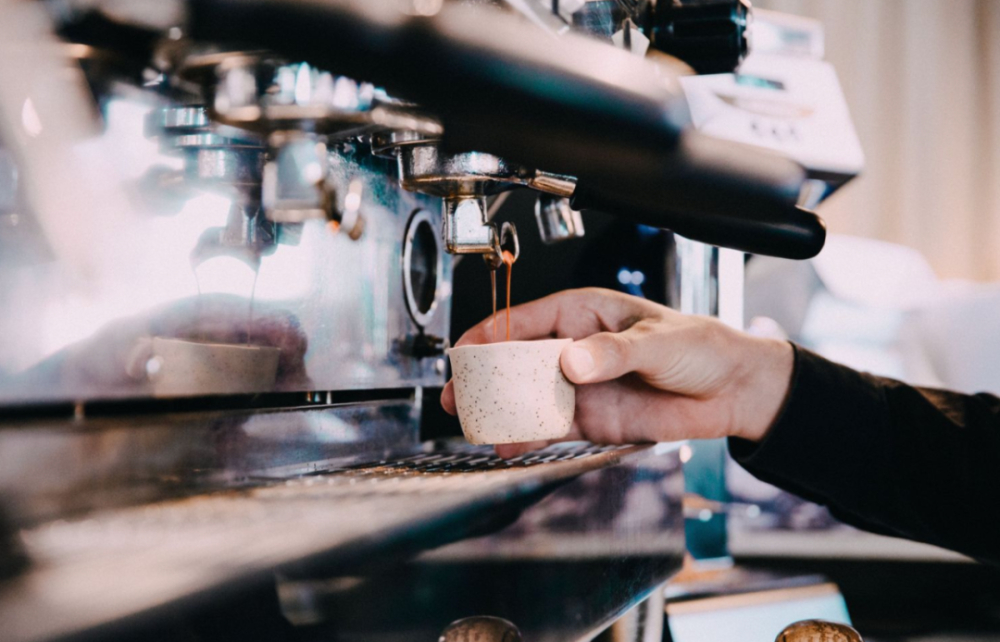
Comparing the Three Waves of Coffee
Compared with the first wave, which emphasized convenience, and the second, which stressed the importance of fresh grinding, the third wave emphasizes the importance of the entire coffee supply chain.
The difference between the waves comes down to this: one made people aware that coffee existed, another helped people recognize that good coffee needs freshly ground beans and professional baristas, and the third helped people understand that a good cup is not the barista's achievement alone. Roasters, green bean traders and growers all play important roles.
Improving coffee quality, direct trade, emphasizing sustainability, using lighter roast levels and exploring various brewing methods are all characteristics of the third wave.
Compared with the first wave's focus on convenience and the second wave's emphasis on fresh grinding, the third wave has helped people appreciate that coffee itself can express unique flavours. As a result, more consumers have begun pursuing the sweet and sour notes in coffee, along with its flavour complexity and uniqueness.
Understanding Specialty Coffee
That said, improved flavour and quality is only the foundation of specialty coffee, not the whole of it. When people discuss specialty coffee, they often talk about professional knowledge around varieties, cultivation, processing, roasting and brewing, but rarely about customer service.
The "specialty" in specialty coffee is an important part of a whole chain of quality service, because it ensures the drinker experiences coffee quality that is systematically evaluated. Whether coffee tastes good, scores high or draws consumer attention, all of it requires professional interpretation and service.
The third wave of coffee gained wide recognition because it created experiences that make consumers feel special. Customer service is one part of that; the stories behind the coffee are another.
People's attention to specialty coffee, driven by the third wave, stems not only from improved quality but from roasters and baristas showing the unique charm of the beans, combined with stories woven by producers, importers, roasters and baristas, and the barista's telling of those stories, which adds value to a cup.
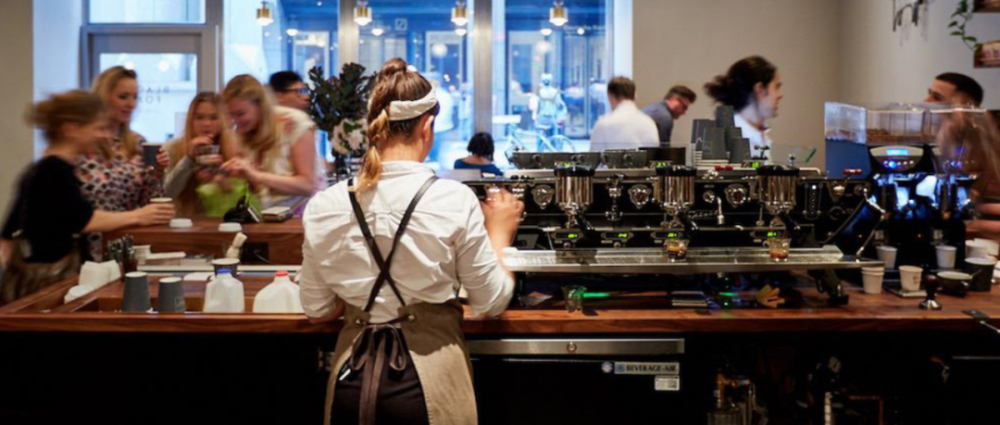
The True Essence of Specialty Coffee
So what matters in specialty coffee is not only cupping scores or the richness of flavour, but demonstrating the inherent strengths of the coffee itself from a professional angle, whether by growers, traders, roasters or the people extracting it.
Did specialty coffee only appear after the third wave? Of course not. The concept was introduced in 1978, referring to beans cultivated under specific climate and geographical conditions that possess unique flavours. In other words, beans that express a distinct regional, or origin, flavour can be called specialty coffee. The third wave arrived after the millennium, while consumer attention to specialty coffee really began around 2009.
After the concept took hold, growers in various regions began focusing on the flavour expression of their beans, continually seeking and cultivating varieties that could express better flavour while maintaining yield. They also began to understand how the processing environment shapes flavour expression.
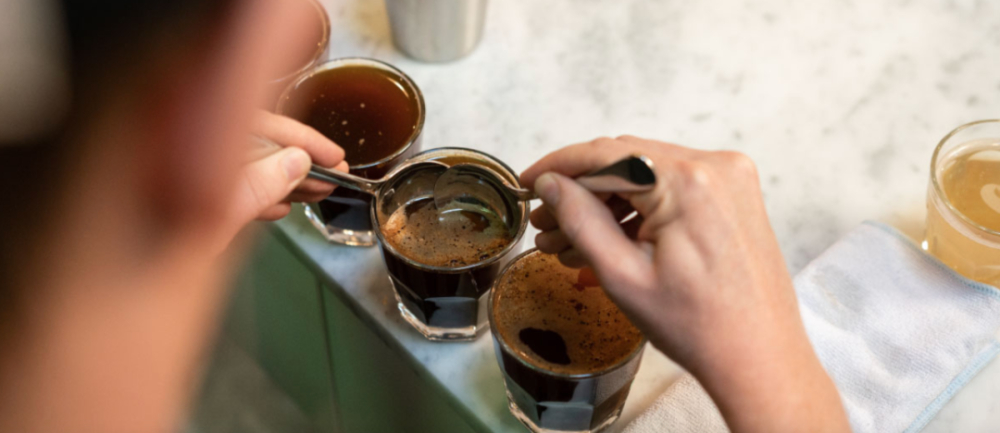
Because quality was inconsistent and the espresso, or second wave, trend was so strong, most beans were roasted dark, and coffee flavours gradually homogenized under heavy caramelization, ending up with nothing but bitterness and a rich, mellow taste.
After more than a decade of continuous research into varieties, the inherent quality of beans improved greatly and became more stable. That let roasters begin experimenting with light roasts, preserving the sweet and sour notes in coffee while separating out defective flavours from the beans themselves.
At the same time more coffee competitions appeared, helping more growers understand that only clear flavours would bring honour and higher purchase prices, which encouraged everyone to focus further on cultivation.
Consumer Recognition and Market Development
Why did specialty coffee suddenly gain consumer attention after 2009? Because the Specialty Coffee Association of America redefined the term, indicating that beans scoring 80 points or above under SCA cupping standards count as specialty coffee. That definition was easier to understand, so many coffee shops began promoting specialty coffee this way.
Of course, at the time not many beans scored above 80 points and prices were relatively high. Even so, every coffee interpreter cherished each chance to showcase, letting consumers experience the unique quality of the cup and how it differed from ordinary coffee, so that more of them came to appreciate the charm of specialty coffee.
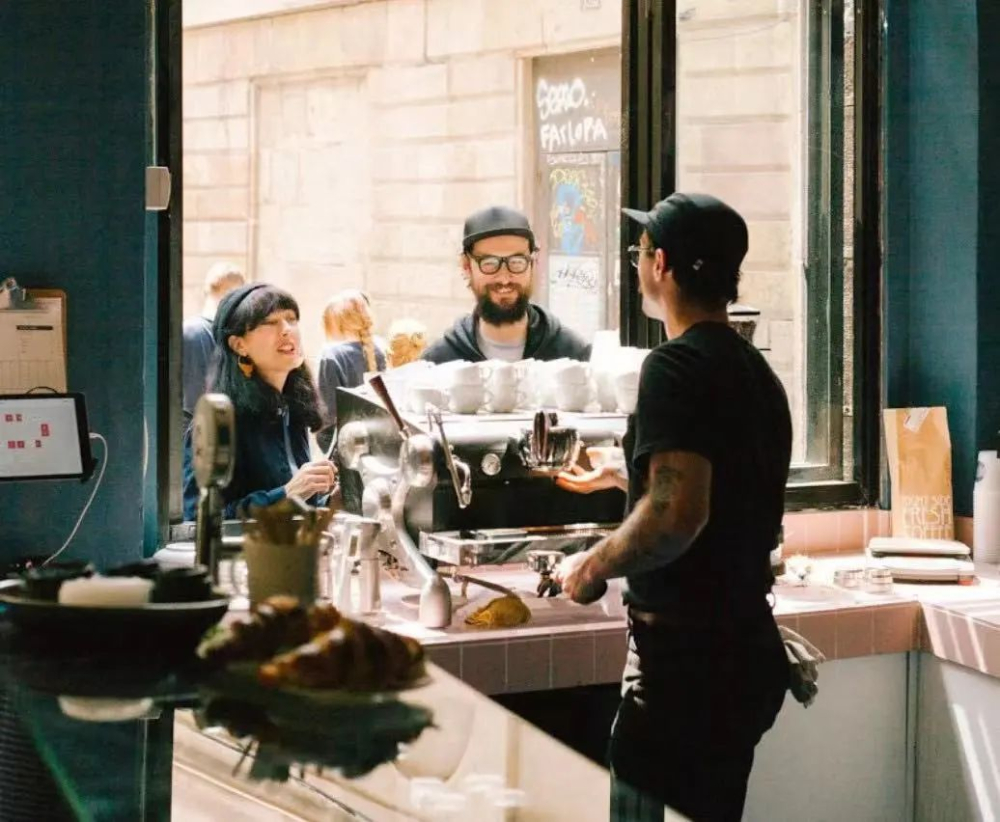
The Importance of Service and Sustainability
Today, though, more and more interpreters focus only on the unique qualities of coffee and on showing their professionalism, gradually weakening customer service and making many newcomers feel looked down on by the specialty world. Clearly these are not actions that help the coffee industry develop healthily, nor are they the message a cup of specialty coffee should carry.
Wanting coffee quality to keep improving, and wanting more people to appreciate specialty coffee, depends on more people pursuing excellence in coffee. Consumers and the supply chain form a cycle.
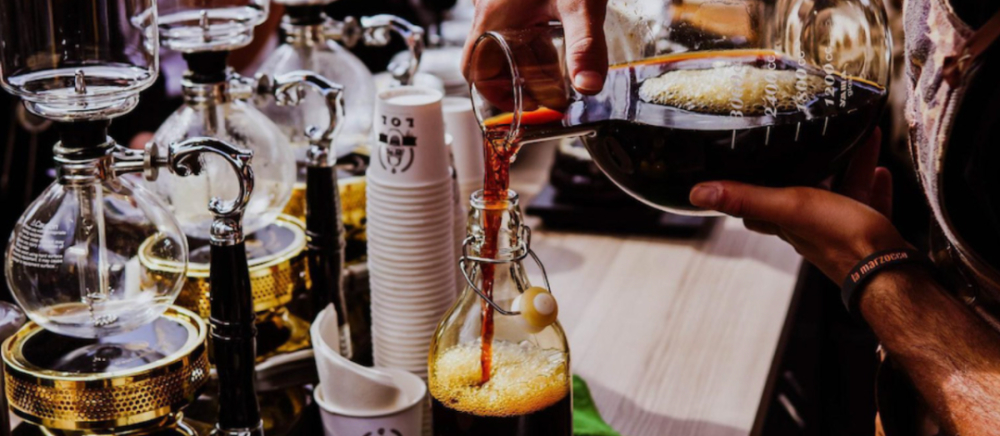
The emergence of specialty coffee depends on more consumers pursuing excellence, which encourages growers to cultivate and process more carefully, prompts green bean traders to seek higher quality more diligently, inspires roasters to research roasting methods that let beans express better flavour, and motivates baristas to study extraction methods that reveal flavour layers and pass on more professional knowledge, creating a cycle in which consumers develop a greater pursuit of quality.
Coffee has great inclusivity, and so do coffee professionals. Everything can keep improving because more people aim higher. Mispositioning specialty coffee benefits no one.
Image source: Internet
FrontStreet Coffee Recommendation
For anyone building a balanced daily cup, medium roast is the sensible middle ground: darker beans turn bitter and heavy, lighter beans turn sour and thin. FrontStreet Queen's Estate is grown in Brazil, the world's largest coffee producer, and is a rare Yellow Bourbon. Medium roasted, it shows cream peanut, chocolate, toasted bread and sugarcane with a clean sweetness, and works as a pour-over as well as in a moka pot or espresso machine.
If you want a sweeter medium roast, FrontStreet Strawberry Candy leads with fruit. It combines honey-processed Costa Rican coffee with washed Panama Geisha and is roasted medium so the cup carries both orange-blossom honey and a rounded sweetness, suited to cold brew, pour-over and espresso alike. Two more medium-roast options round out the range: FrontStreet 2013 Natural Typica, a flagship Chinese specialty coffee with the classic Yunnan small-bean character and notes of nuts, brown sugar, black tea and dried apricot, and FrontStreet Jamaica Blue Mountain No. 1, which blends acidity, bitterness, sweetness and body so that chocolate, roasted nuts, cream and caramel appear the moment it hits the tongue.
Important Notice :
FrontStreet Coffee is a long-established specialty coffee roaster in Guangzhou China, selling freshly roasted beans from its own farm in Yunnan as well as dozens of carefully selected single-origin beans from around the world for both pour-over and espresso. The products deliver consistently excellent quality and great value, with shipping within 24 hours. Guangzhou's FrontStreet Coffee shop is recommended by many coffee lovers, and the beans are now available online at the Tmall 。
FrontStreet Coffee has moved to a new address:
FrontStreet Coffee Address: 315,Donghua East Road,GuangZhou
Tel:020 38364473
 Scan and follow the En Gafei WeChat official account. Please indicate that the reprint comes from "En Gafei".