
How Long Should You Bloom Pour-Over Coffee? Why is Blooming Necessary for Pour-Over Coffee?
The Importance of Blooming in Pour-Over Coffee
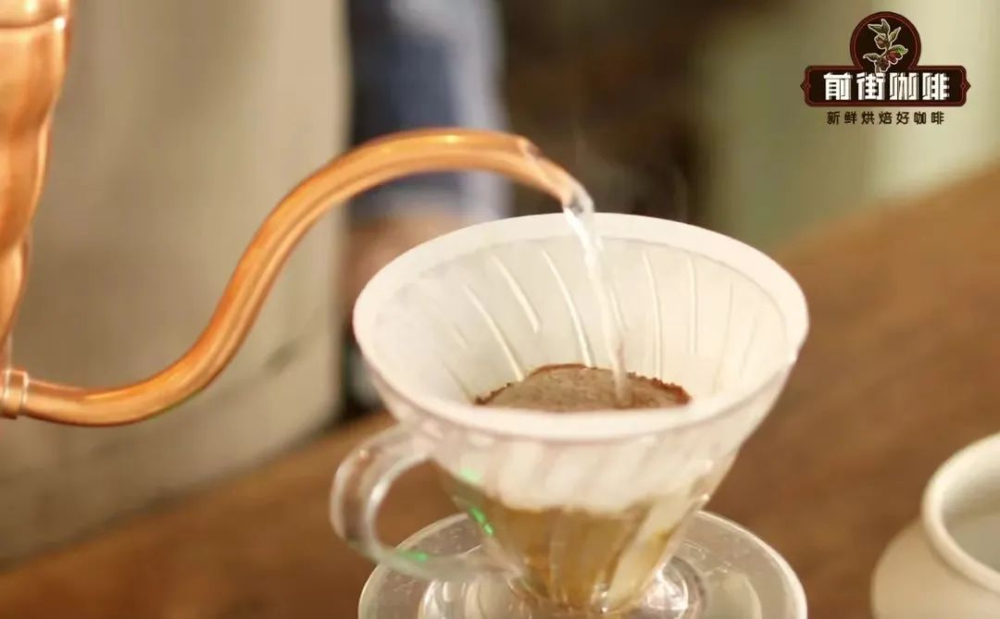
Blooming is a pivotal stage in pour-over brewing - how well you execute it largely shapes the final cup. That makes understanding blooming an essential lesson for anyone learning to brew coffee.
Learning about blooming means understanding how it affects flavor, plus how much water to use, how to pour, and how long to bloom. FrontStreet Coffee has already covered bloom water volume and pouring technique in previous articles, so this time we focus purely on blooming time.
Why Pour-Over Coffee Needs Blooming
Why does pour-over need blooming at all? Freshly ground coffee contains abundant flavor compounds - but also rich carbon dioxide. And that carbon dioxide gets in the way (indeed, actively blocks) the release of those flavor compounds.
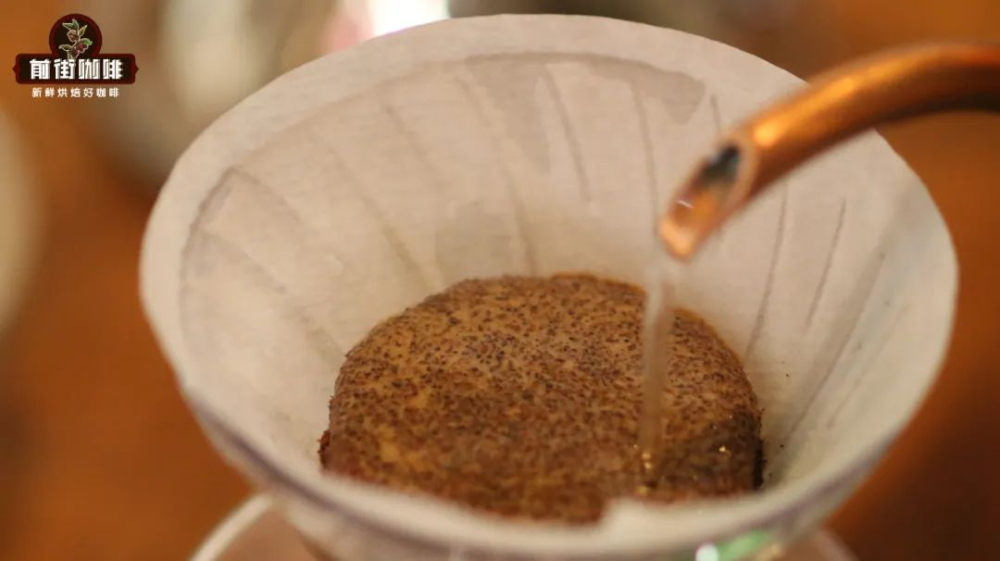
With immersion brewing, we don't worry much: the steeping time can be controlled, so the carbon dioxide escapes once the coffee meets the water, and flavor extraction follows.
Pour-over, however, belongs to the drip filtration family - water falls into the lower pot under gravity. If you keep pouring without first expelling the carbon dioxide from the grounds, that water struggles to extract flavor compounds and simply drips through. That's what we call low extraction efficiency.
Hence the "bloom": pause after the first pour to let the carbon dioxide escape, so subsequent pours can extract the coffee's flavor compounds far more easily.
Determining the Optimal Blooming Time
So how long should you bloom? Most people know the 30-second guideline, and indeed that's what nearly every brewing guide recommends. Where does 30 seconds come from?
It's based on the expansion and gas release of coffee grounds during a standard circular-pour bloom, chosen as a safe duration for most beans. Blooming outcomes fall into three categories: under-blooming, over-blooming, and proper blooming.

Under-Blooming
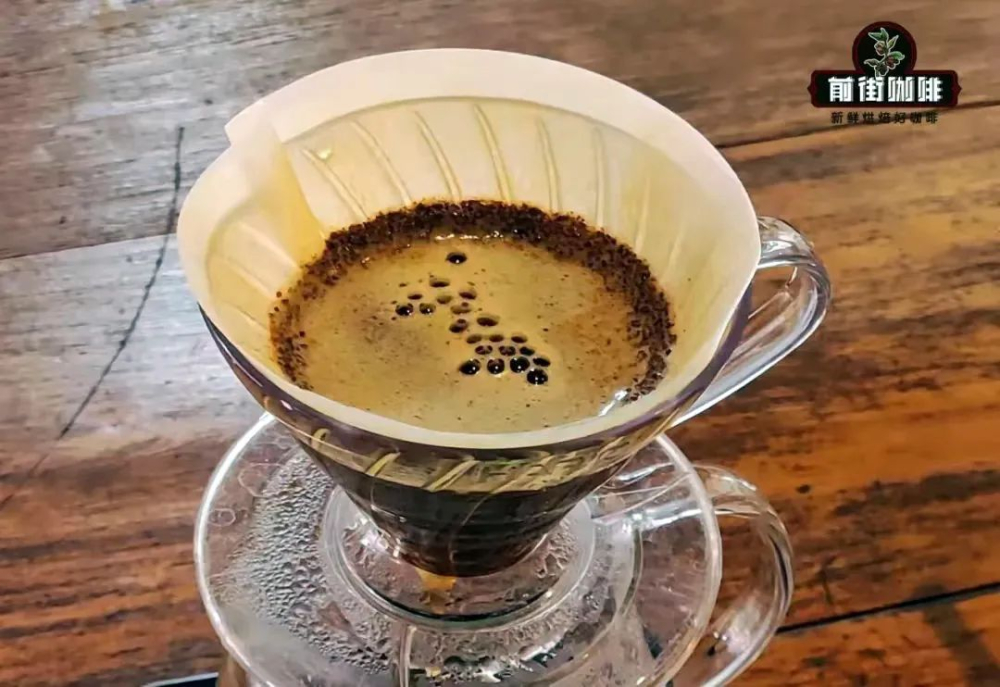
Under-blooming happens when the grounds aren't given enough time to release their gas, so bubbles keep escaping during the subsequent pours. This disrupts extraction and often produces a thin, astringent cup.
Over-Blooming
Over-blooming is blooming too long. The carbon dioxide has fully escaped, and excess water has drained through the dripper into the lower pot, leaving the coffee bed looking dry, with gaps between the particles. Over-blooming tends to make coffee taste bitter and impure.
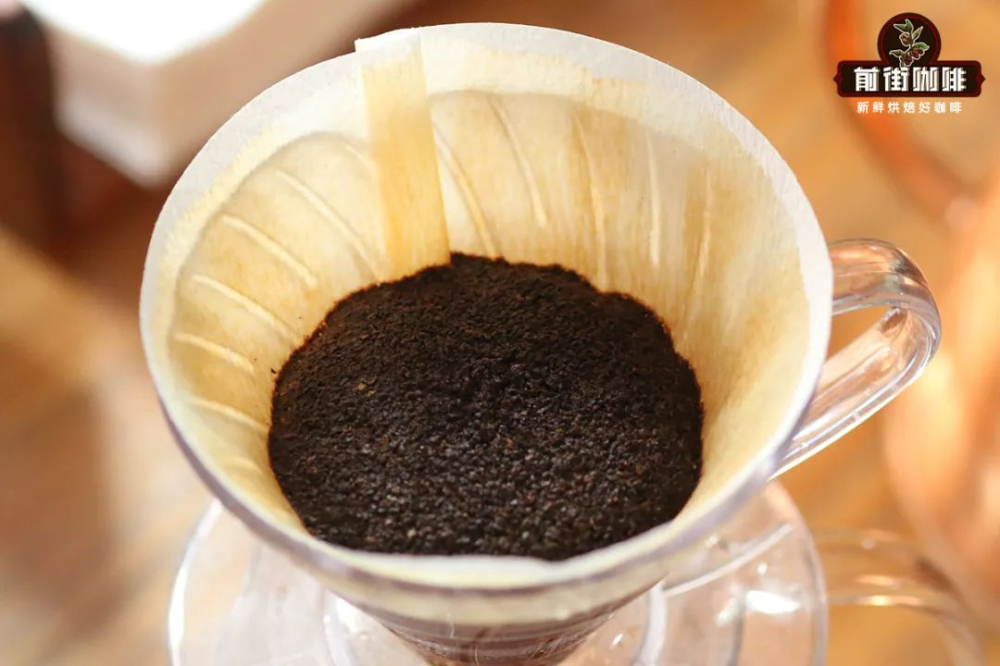
Pour into over-bloomed grounds and the water first drills a hole in the bed before foam gradually appears.
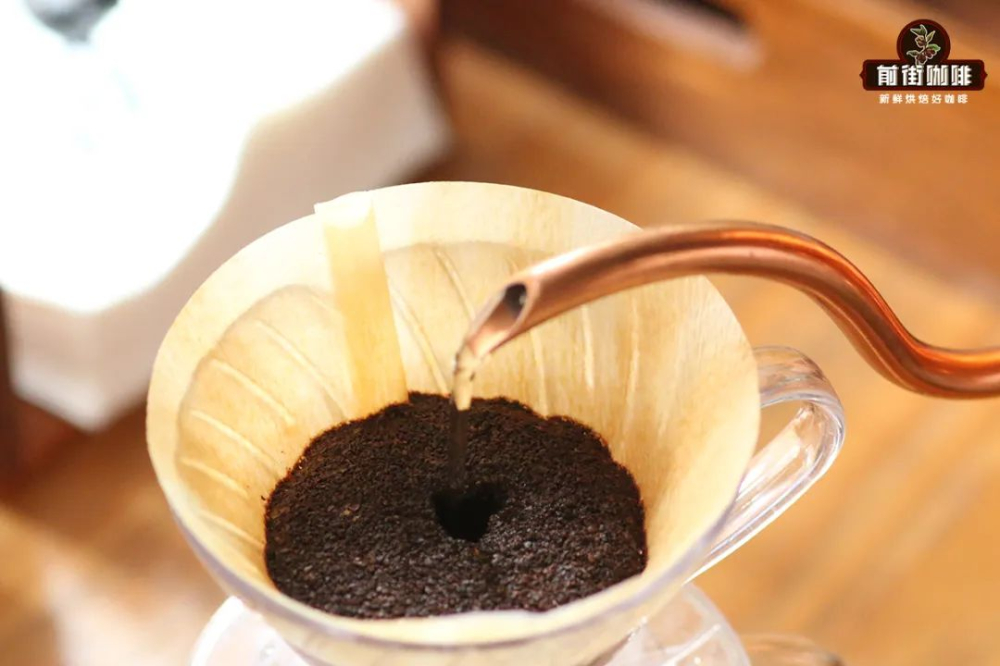
Proper Blooming
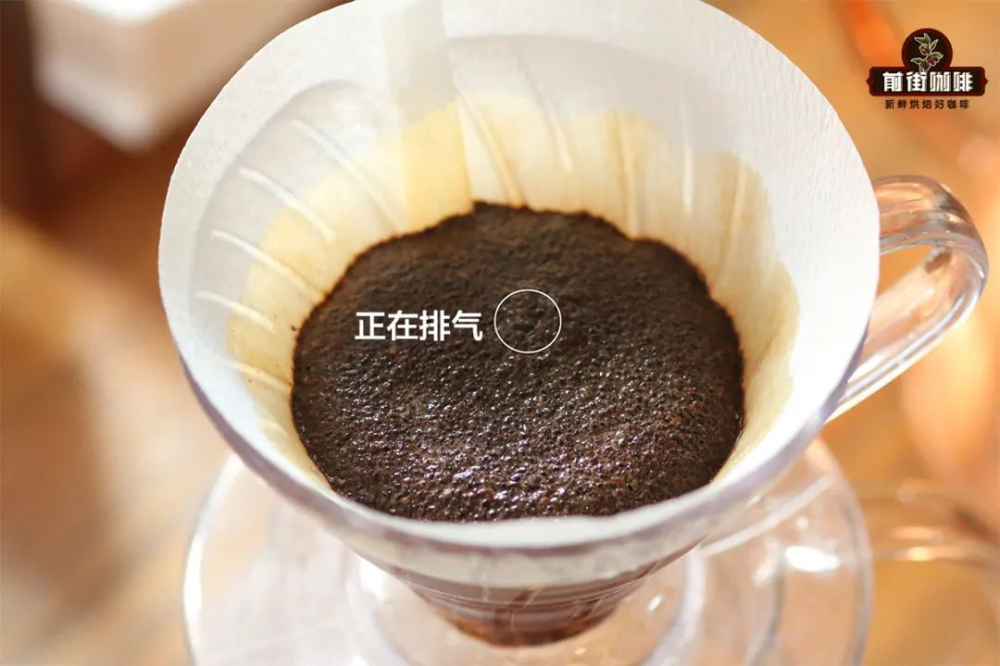
With a proper bloom, the surface of the grounds is fully wetted and expanded, the gas has just finished releasing, and the coffee bed sits stable, no longer degassing. Proper blooming is a continuous process (spanning about 5 seconds) rather than a single moment. That's why the 30-second bloom works for most beans - even beginners who don't understand the underlying principle can brew a good-tasting cup simply by following the recommendation.

Factors Affecting Blooming Time
Of course, the universal 30-second rule doesn't satisfy everyone. Many enthusiasts study the principle to find their own optimal bloom. As FrontStreet Coffee noted, the purpose of blooming is degassing - so the amount of carbon dioxide, its release rate (the blooming state), and your pouring method all influence the ideal time.
Carbon dioxide content relates to how long ago the beans were roasted. Freshly roasted beans are loaded with it; brewing them immediately requires a longer bloom to ensure full degassing. From experience, FrontStreet Coffee uses roughly 35 seconds in this case.
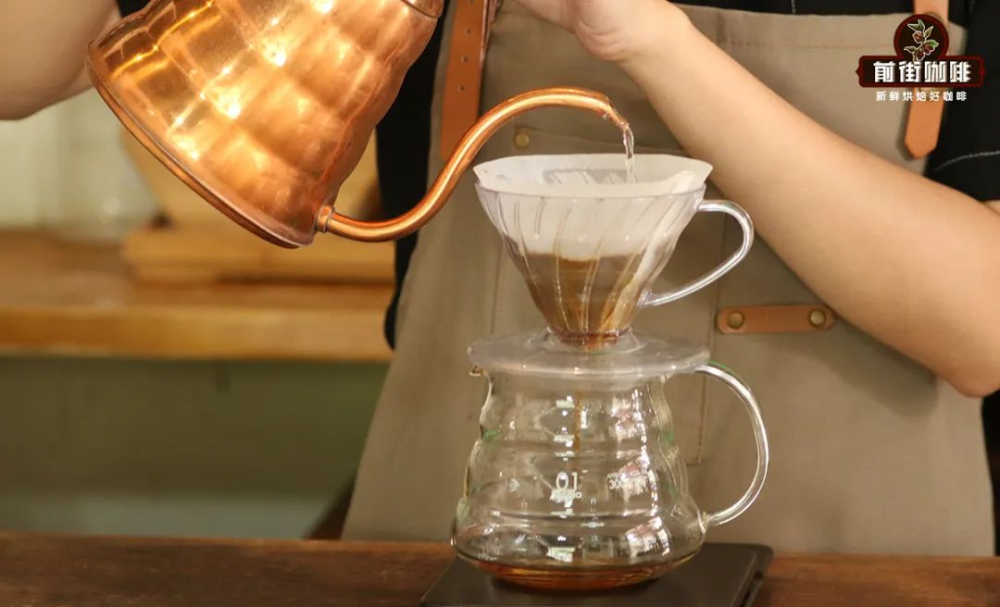
After a resting period of 4-7 days, the gas gradually settles. Between days 4 and 30, FrontStreet Coffee blooms for approximately 28-30 seconds depending on the situation. Beyond 30 days, when gas is nearly depleted, the grounds may barely swell at all during blooming - so shorten the bloom to about 20-25 seconds.
Roast level also changes the release rate. Dark roast beans hold plenty of gas, but their loose, porous fiber structure absorbs water readily, aiding degassing - during a dark roast bloom you can watch the bed swell dramatically, gas escaping in an orderly, unhurried fashion. Light roasts, being harder and denser, resist water penetration, so gas release is less efficient and the grounds need more time to degas fully.
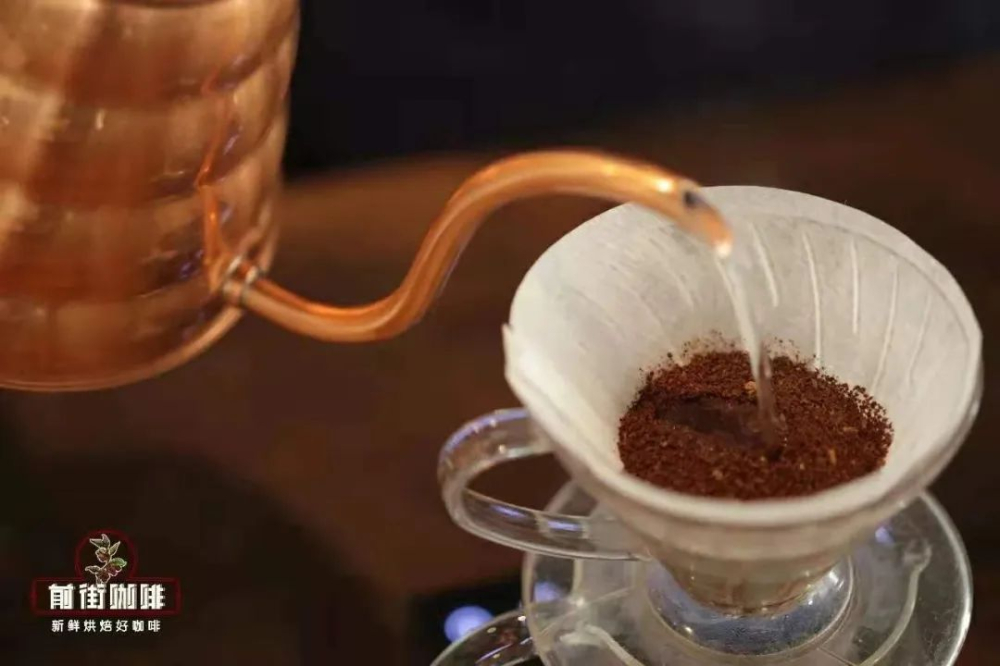
Pouring method matters too. The standard 30-second bloom assumes circular pouring, which wets the grounds evenly and degasses efficiently. There are also methods like Japanese drip brewing, where the slow dripping itself is the degassing - and the bloom. That form of blooming can last 2-3 minutes.
Practical Guide to Determining Blooming Time
So when deciding bloom time, start from direct observation of the coffee bed (the "hamburger" shape). After the bloom pour, first make sure all the grounds are completely wet, then watch the expansion and degassing. When the bed settles and stops releasing gas, the bloom is done and you can continue pouring.
If the bed settles at 25 seconds, wait another 2 seconds to confirm stability before pouring on. If you're past 30 seconds and the bed is still degassing and bubbling, wait until the release ends before continuing.
FrontStreet Coffee Recommendation
A well-executed bloom deserves a well-chosen bean, and the V60's fast flow rewards floral, fruity coffees. FrontStreet Coffee's Ethiopia Huakui is a favorite: strawberry, passion fruit, jackfruit, and lychee aromatics with pronounced sweetness and a smooth, juicy body. The classic Yirgacheffe Guodingding offers jasmine florals, gentle citrus and berry notes, and a green-tea-like finish - friendly even to first-time pour-over brewers.
If you enjoy Geisha character, FrontStreet Coffee's Strawberry Candy blend - Costa Rica honey process married with Panama washed Geisha - blooms into orange-blossom sweetness and a rounded, elegant cup. Remember the rule of thumb: fresher beans bloom longer, older ones shorter - and when in doubt, watch the bed, not the clock.
Important Notice :
FrontStreet Coffee is a long-established specialty coffee roaster in Guangzhou China, selling freshly roasted beans from its own farm in Yunnan as well as dozens of carefully selected single-origin beans from around the world for both pour-over and espresso. The products deliver consistently excellent quality and great value, with shipping within 24 hours. Guangzhou's FrontStreet Coffee shop is recommended by many coffee lovers, and the beans are now available online at the Tmall 。
FrontStreet Coffee has moved to a new address:
FrontStreet Coffee Address: 315,Donghua East Road,GuangZhou
Tel:020 38364473
 Scan and follow the En Gafei WeChat official account. Please indicate that the reprint comes from "En Gafei".

