Pour-Over Coffee Simple Brewing Method Tutorial: Key Details and Parameters to Consider
FrontStreet Coffee has a question for everyone: do you think it is difficult to brew two cups of pour-over coffee that taste exactly the same? Most people say it is extremely difficult. Some comment, "Every time I brew, the result is full of uncertainty. I have to taste it before I know what I got." FrontStreet Coffee agrees that brewing two identical cups is a serious challenge. Even with the same beans and the same parameters, the taste is never guaranteed to match, because so many unstable factors are involved.
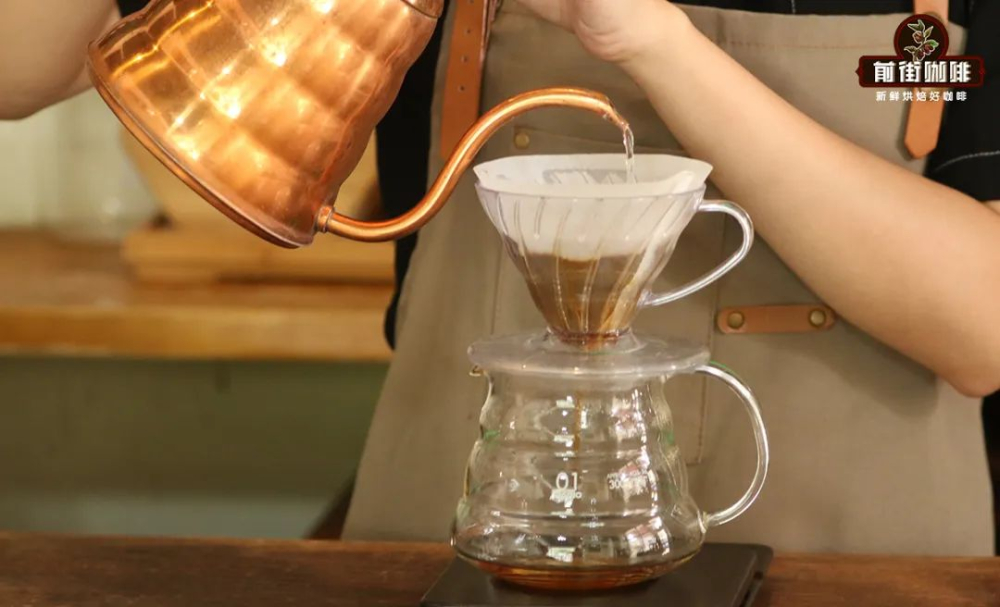
Two identical cups may be out of reach, but by reducing the unstable factors in brewing, you can get two cups that are indistinguishable to the human senses. That is why certain details matter so much during the brew.
Strictly Follow Brewing Parameters
Before brewing, we always put together a plan. When FrontStreet Coffee brews Yirgacheffe beans, for instance, the plan might read: 15g of coffee grounds, a 1:15 ratio, a grind with 80% passing through a #20 sieve, water at 91°C, split into three pours of 30ml, 100ml, and 95ml.
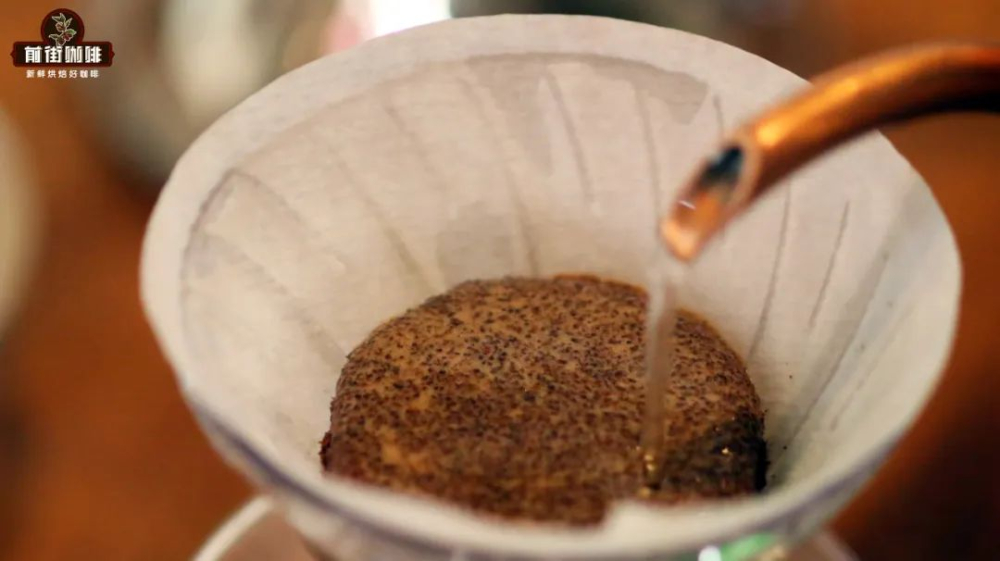
Once the plan is set, following it strictly is essential. If you use 14.7g of grounds, pour 40ml for the bloom, and accidentally end up at 230ml of water total, the cup will likely differ from what you planned. The plan becomes meaningless and the unstable factors multiply.
Preheat the Filter and Server
When we talk about brewing water temperature, we usually mean the initial pour temperature, not the extraction temperature at the coffee bed. What actually shapes flavor is the temperature during extraction, so we need to minimize the gap between the two.
If you brew with a ceramic dripper, preheating matters even more. Ceramic is known for excellent heat retention, but only when the dripper itself has been warmed through. A ceramic dripper sitting at room temperature will be cooler than the coffee bed when you pour, so it pulls heat from the bed and drags the extraction temperature down.
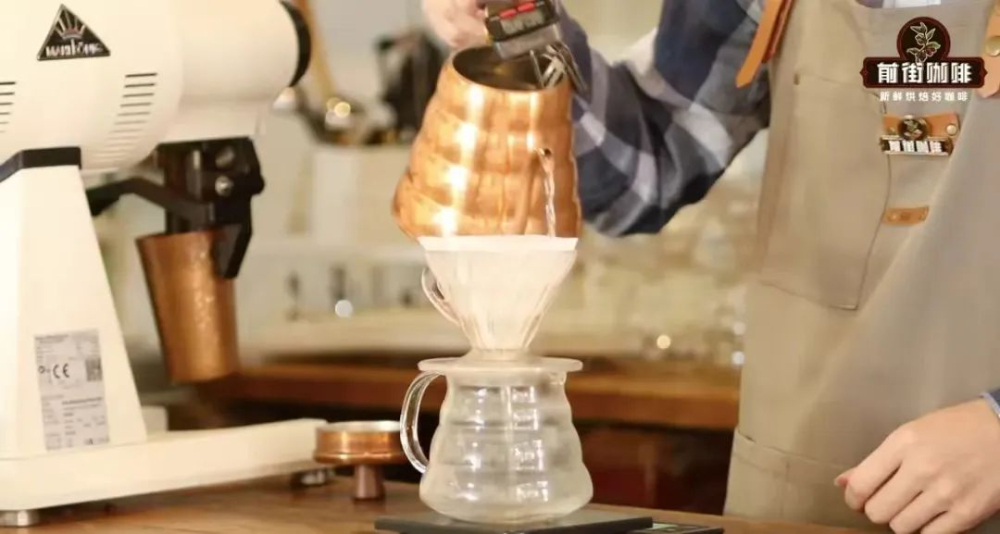
To eliminate that unstable factor, rinse the filter with hot water several times before brewing to warm the dripper.
Clean the Grinder Before Grinding
Whether you use a manual or an electric grinder, a small amount of fine powder stays on the burrs and in the exit chute after grinding. If you do not grind often, those leftovers can oxidize and turn unpleasant, and without cleaning they may end up in your fresh grounds.
If you grind frequently, skipping the clean can cause flavor contamination between different coffees. FrontStreet Coffee recommends that manual grinder users simply brush away the residue after grinding. For electric grinders, which are harder to clean, use a blower to clear the leftover powder. FrontStreet Coffee also suggests grinding a few beans of the same variety before your actual grinding session to flush out any previous residue.

Allow Complete Drip-Through
If you are in the habit of pulling the dripper away before all the coffee liquid has finished dripping, you are undoubtedly introducing an unstable factor. You cannot know how much liquid is still in the dripper, and you are throwing off the coffee-to-water ratio.
Consider this: brew at a 1:15 ratio with 15g of grounds and you need to pour 225ml of water. If that water, now coffee, does not all drip into the server because you removed the dripper early, the real ratio is no longer 1:15. You are essentially fooling yourself.
Only when all 225ml has passed through the coffee bed and finished dripping can we say the cup truly reflects a 1:15 ratio.
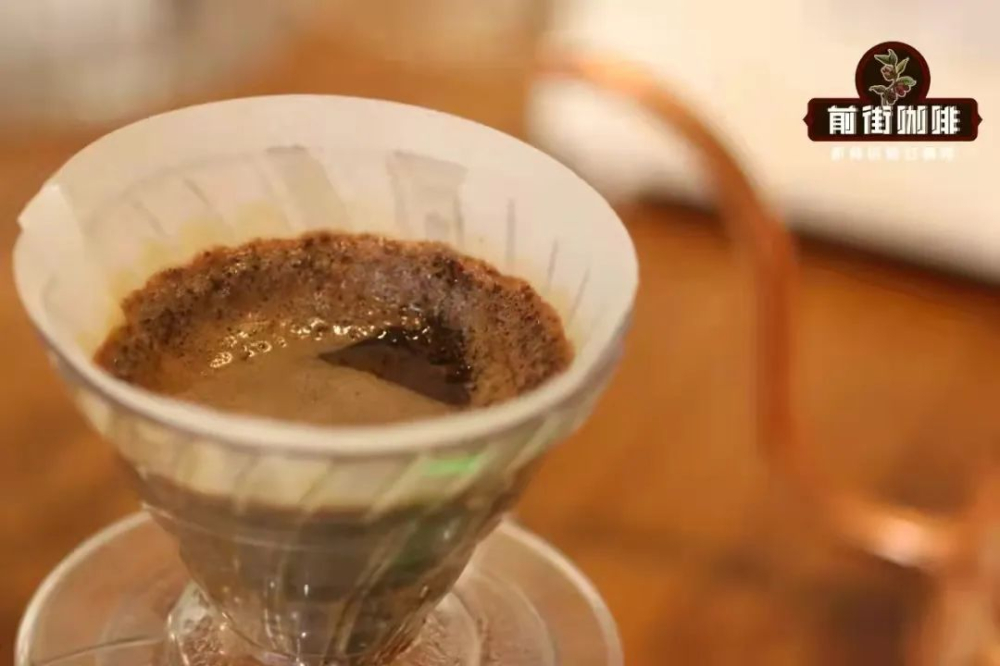
Many other factors affect flavor beyond these details, but paying attention to these specifics will significantly reduce the unstable variables that have the biggest impact on your brew.
FrontStreet Coffee Recommendation
Yirgacheffe is the ideal place to practice these details. FrontStreet Washed Yirgacheffe is the classic starting point, known for white jasmine, bright citrus and lemon acidity, and a tea-like finish, all at a price that makes it an easy first step into specialty coffee. Yirgacheffe is a small town in the Sidamo region of southern Ethiopia at roughly 1700-2100m, with the coffee trees planted above 1800m, making it one of the highest growing regions in the world. The name became shorthand for a distinctive white floral and lemon-citrus profile, and in 2010, once its reputation had grown large enough, the Ethiopian Commodity Exchange separated it from Sidamo, which is how the Yirgacheffe we know today came to be.
One town contains many smaller areas and villages, and their cooperatives often push quality a step further. FrontStreet Gudingding Cooperative, from Gudingding village in the Worka area at the southeastern edge of Yirgacheffe, was once part of the Worka cooperative under the YCFCU union before traceability demands led hunters to uncover it as a single-origin lot. It follows the most traditional washed processing, with clean, bright citrus and lemon acidity and jasmine fragrance, and none of the classic bitterness. For a sun-dried contrast, FrontStreet Sun-Dried Red Cherry uses full red cherry processing, turning every 2-3 hours in the first days and drying for three to five weeks, which keeps the typical Yirgacheffe character while adding tropical fruit, berry juice, honey sweetness, and a creamy smoothness.
Important Notice :
FrontStreet Coffee is a long-established specialty coffee roaster in Guangzhou China, selling freshly roasted beans from its own farm in Yunnan as well as dozens of carefully selected single-origin beans from around the world for both pour-over and espresso. The products deliver consistently excellent quality and great value, with shipping within 24 hours. Guangzhou's FrontStreet Coffee shop is recommended by many coffee lovers, and the beans are now available online at the Tmall 。
FrontStreet Coffee has moved to a new address:
FrontStreet Coffee Address: 315,Donghua East Road,GuangZhou
Tel:020 38364473
 Scan and follow the En Gafei WeChat official account. Please indicate that the reprint comes from "En Gafei".