
What Are the Differences Between Latte, Cappuccino, and Flat White Milk Foam? Important Details for Frothing Milk and Creating Latte Art

Steaming milk is an unavoidable step in any hot milk-based coffee. But since the family of milk coffees spans lattes, cappuccinos, flat whites and more, mastering a single frothing technique simply isn't enough — each drink demands its own foam.
What Separates the Milk Foam in Latte, Cappuccino, and Flat White?
Cup size aside, foam thickness is the defining trait that sets these three drinks apart.
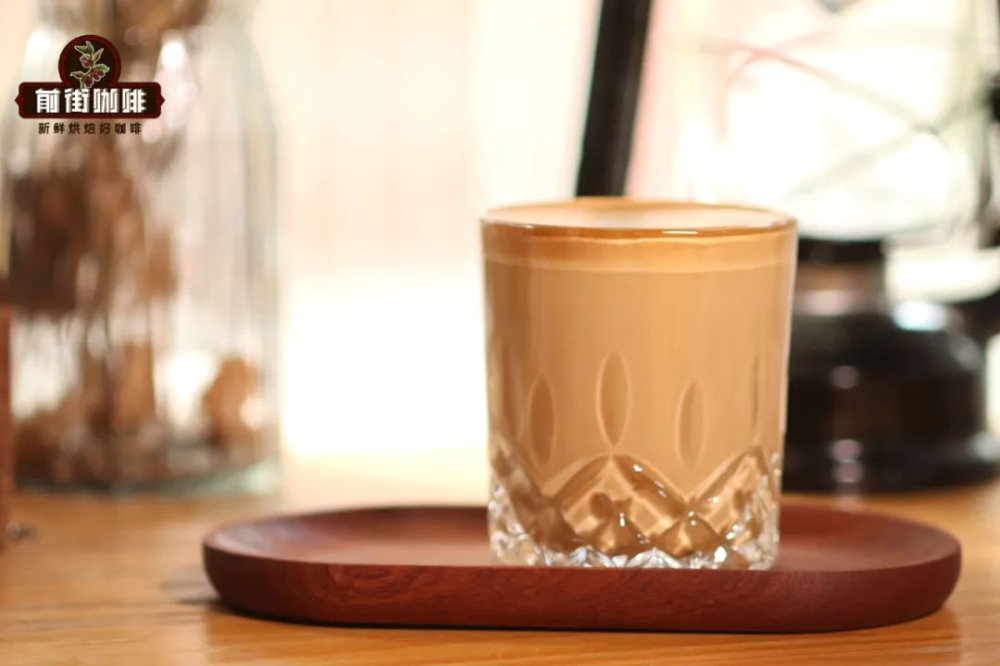
Cappuccino sits at the thick end, with foam generally 1-2cm deep. Its signature look is the "11 parts full" serve: the foam domes above the cup rim into that unmistakable, burger-like crown. Flat white is the opposite extreme — its foam is only about 0.3cm thick. Because the foam layer is so thin and carries little tension, even a full-to-the-brim pour stays level with the rim, which is exactly where the name comes from ("flat" meaning level or even).

Latte lands in between, at roughly 0.5-0.7cm of foam. That thickness is ideal for latte art — one reason FrontStreet Coffee serves its lattes in wide-mouth cups, which make it far easier to pour crisp patterns.

How Do You Steam Milk to Different Thicknesses?
With the target foam for each drink clear, the next step is understanding what actually happens when you work the steam wand.
The high-temperature steam blasting out of the wand heats milk quickly when it's injected fully below the surface. But if part of the wand's outlet holes sits in the milk while the rest is exposed to air, the steam begins driving air into the milk. Milk proteins then wrap around those air pockets, building foam.
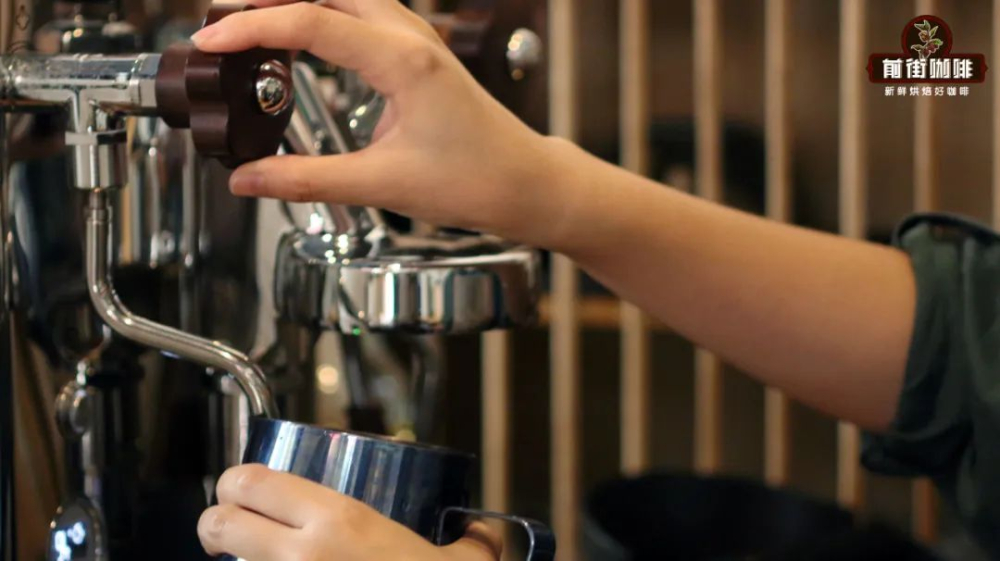
In practice, the wand is angled against one side of the pitcher. Once the steam kicks in, it should spin the milk into a controlled, directional vortex that governs the whole frothing rhythm. Without that rotation, you'll struggle to manage both how much foam you get and how fine it is.
Thickness comes down to one variable: how much air gets introduced. More air, thicker foam; less air, thinner foam. Keep every steam hole submerged from start to finish and you're simply heating the milk — no foam at all.

How Can You Tell How Thick the Foam Is?
1. Listen to the "Hissing"
That sharp "hiss" you hear while steaming is the sound of air being forced into the milk. Its intensity and duration are a live readout of how much foam is forming.
For flat white, the hiss typically lasts less than 2 seconds. For latte, around 3 seconds. For cappuccino, expect 5-7 seconds.

2. Watch the Volume
FrontStreet Coffee finds volume the most accurate and easiest cue to read. Milk expands as it's steamed, and since the steam itself contributes almost nothing measurable, the added volume is essentially all foam.
FrontStreet Coffee works from a pitcher filled to 5/10 with cold milk (5-6/10 is the sweet spot — enough to steam easily without overflowing). Flat white foam only needs to reach about 5.5/10, a barely noticeable increase after steaming.
Latte foam should come up to 6/10, while cappuccino's thick foam is taken all the way to 8/10.
3. Feel the Fluidity
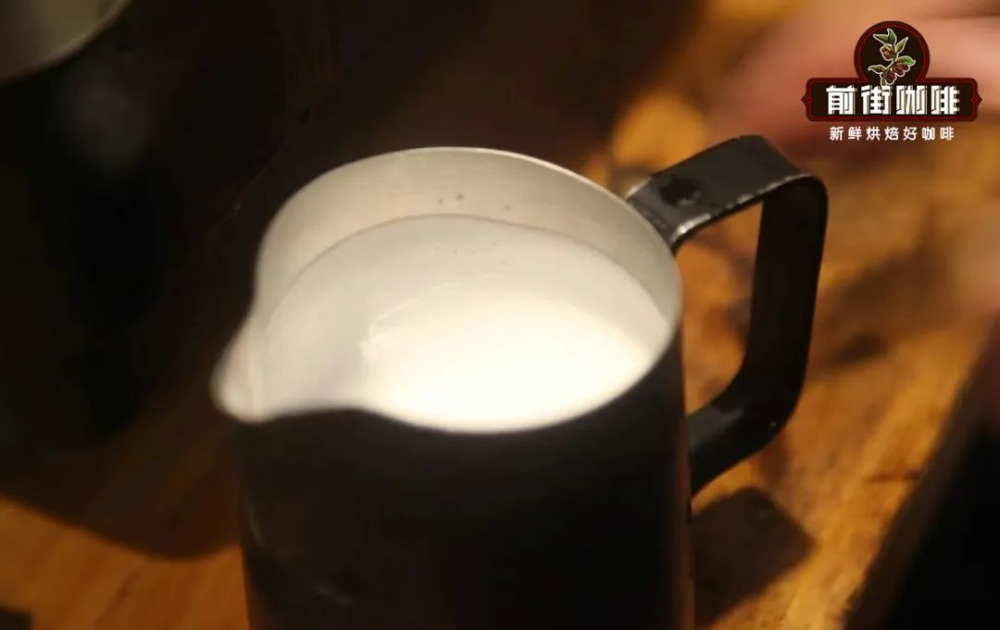
Fluidity is another reliable gauge. Before steaming, swirl the pitcher to get a feel for plain milk, then start steaming. At flat white thickness, the milk still swirls almost exactly like liquid milk, with just a thin film of foam clinging to the pitcher wall.
Latte foam, when swirled, feels like light cream — thin, but still flowing freely. Cappuccino foam is another story: it moves like set yogurt, sluggish and barely fluid at all.

Beyond Thickness: What Else Matters When Steaming?
No matter the target thickness, every good foam shares one quality: fine, silky texture. That's the job of the texturizing phase after aeration ends. Once you've introduced enough air, sink the steam holes fully into the foam layer and let the vortex tear the large, fragile bubbles down into small, stable ones.
Depth matters during texturizing — not too shallow, not too deep. Too shallow and the holes stay exposed, pulling in more air. Too deep and the foam never refines.

The sweet spot is just deep enough to cover the holes and silence the hiss. That's when the steam can go to work breaking down coarse bubbles inside the layer, leaving you with fine, glossy microfoam.
One final tip: when you finish, shut off the steam first and let the vortex settle before pulling the wand out. Yank the wand out while steam is still running and you'll likely wreck all that careful texture.
FrontStreet Coffee Recommendation
If you're learning latte art at home, start with FrontStreet Classic Blend — a medium-dark espresso blend built from three origins, inspired by the old-school "Mandeling-Brazil" combination and rounded out with a small dose of Robusta for extra aroma and crema. Expect pronounced notes of butter, toasted bread, and caramel biscuit, with a full body and beautifully stable extraction.
Prefer rich, nutty flavors? FrontStreet Specialty Blend pairs washed Colombian with pulp-natural Brazilian beans, delivering hazelnut, dark chocolate, and caramel as espresso, and a smooth cream, almond, and cocoa character in milk drinks like lattes and flat whites — with crema every bit as good as your local café's.
And for anyone planning to open a shop, FrontStreet Commercial Blend — the Specialty Blend recipe plus a touch of Robusta — adds deeper, denser dark-brown crema and a heavier body, making latte art and milk drinks easier to nail shot after shot.
Important Notice :
FrontStreet Coffee is a long-established specialty coffee roaster in Guangzhou China, selling freshly roasted beans from its own farm in Yunnan as well as dozens of carefully selected single-origin beans from around the world for both pour-over and espresso. The products deliver consistently excellent quality and great value, with shipping within 24 hours. Guangzhou's FrontStreet Coffee shop is recommended by many coffee lovers, and the beans are now available online at the Tmall 。
FrontStreet Coffee has moved to a new address:
FrontStreet Coffee Address: 315,Donghua East Road,GuangZhou
Tel:020 38364473
 Scan and follow the En Gafei WeChat official account. Please indicate that the reprint comes from "En Gafei".

