
The Flourishing of Chinese-Style Coffee: Beyond Simply Cloaking It in Chinese Elements
The Rise of Chinese-Style Coffee Culture
Over the past year, coffee shops dressed in traditional Chinese aesthetics have sprouted everywhere. As the new generation of consumers chases "national trends" and local culture, many shops have started blending their styles and menus with representative local foods, culinary traditions, and heritage elements. Through this shared cultural understanding, coffee—a foreign import—has set off down the road toward Chinese-style adaptation.
Just yesterday, a new tea beverage brand famous for its Chinese styling announced the opening of five coffee shops, all in traditional Chinese aesthetics, in a popular commercial district in Changsha.
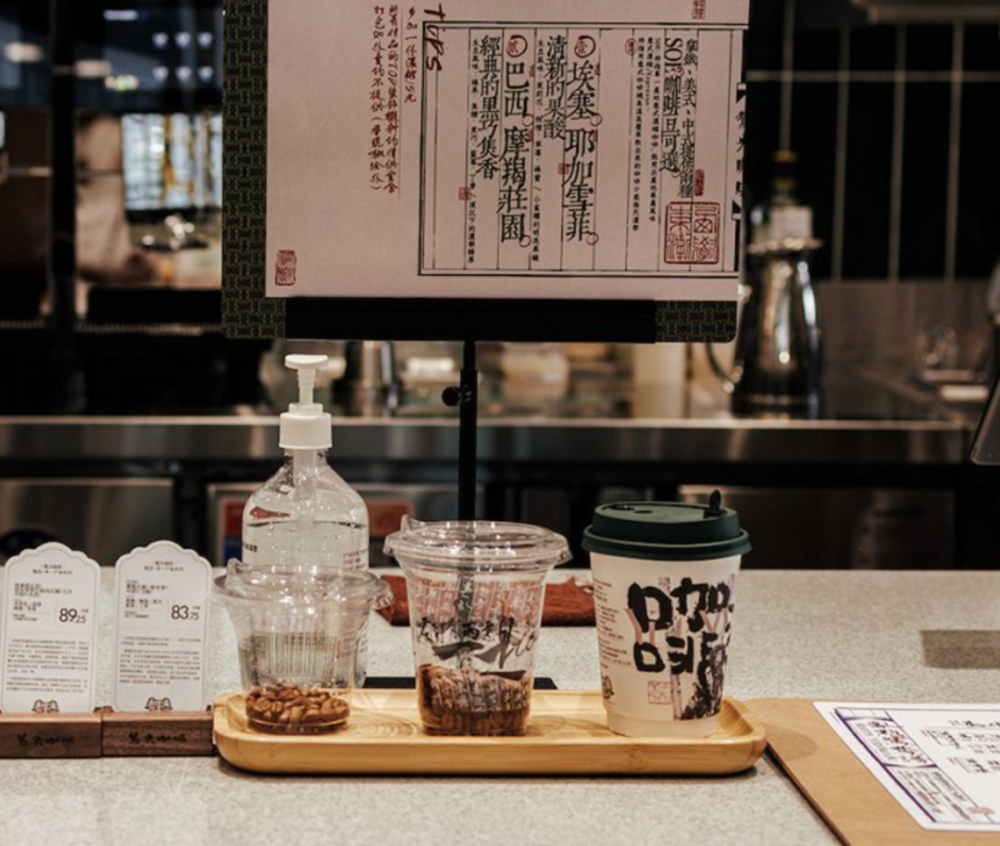
The Evolution of Coffee in China
Compared with alcohol and tea, coffee is a newcomer as a popular drink. Books record centuries of coffee history, but its real popularization began with instant coffee in the 1940s—only when brands like Nestlé and Maxwell House put instant coffee on shelves did coffee become a mass consumer product.
As demand grew and drinkers chased better flavor, coffee shops from the 1960s onward turned to higher-quality Arabica beans, dark roasting, and pressure extraction to produce concentrated coffee—the goal being a rich, mellow flavor that would survive the addition of milk and sugar.

Neither of those two waves, though, produced flavors everyone could embrace, and coffee stayed synonymous with bitterness. To break the stereotype and win over new drinkers, bean quality kept improving after the millennium, and shops adopted light roasts and drip brewing to reveal fruity, sweet-tart profiles with far more complex layers.
Those flavors happened to suit the millennial generation—the children of that era. After a decade of development, from 2010 onward, specialty coffee shops multiplying both in China and abroad began pursuing high quality, fresh light roasts, and distinctive flavor profiles.
The Chinese Coffee Identity
Yet even with specialty shops spreading, China's centuries-old tea culture didn't translate into instant coffee acceptance—and freshly ground and specialty coffee cost more than new-style tea drinks.
So although more specialty shops opened, consumption stayed limited. It took domestic brands like Luckin and Manner driving prices down before coffee drinking really spread across China.
With demand rising, Chinese coffee professionals began forming a view: wherever coffee lands, it develops its own distinctive expression—and the memorable ones become known worldwide.
Japan built a school through its unique roasting and brewing methods; Australia built one around its devotion to the espresso-milk profile. China, likewise, needed its own way of expressing Chinese-style coffee.
Coffee arrived late in China, but that's no reason to forfeit an identity. Compared with the Chinese-style brewed coffee created by overseas Chinese in Southeast Asia, the new Chinese-style coffee leans more on shop décor and drink presentation to connect with consumers.
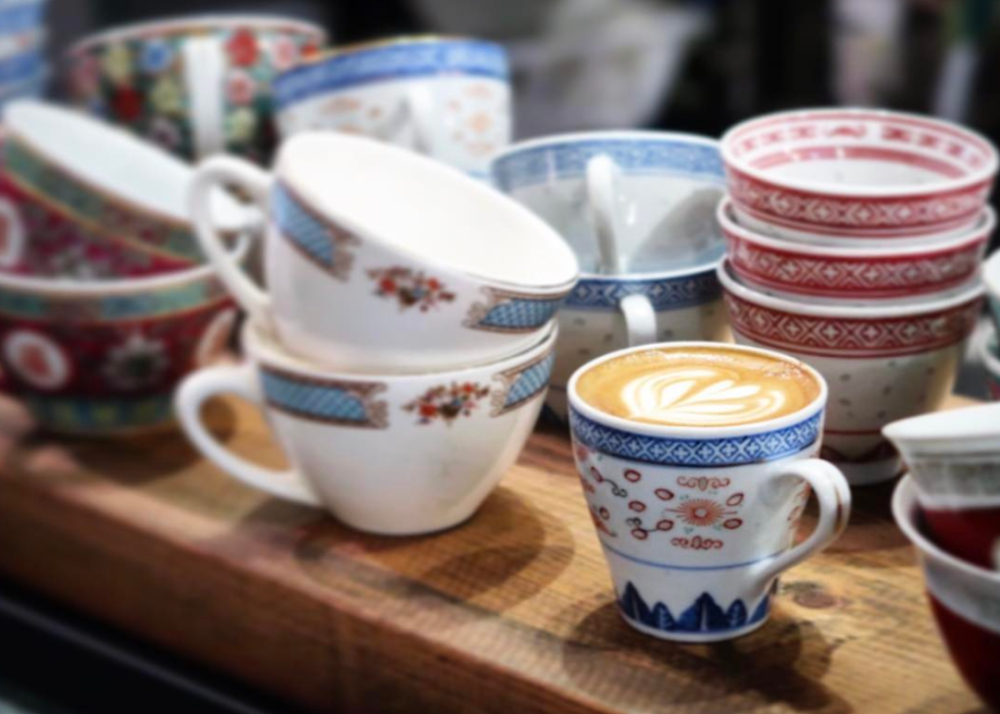
Opinions differ on whether the new Chinese-style coffee—served in traditional tableware, wrapped in traditional décor, blended with regional culinary innovations—is a blessing or a curse.
The Path Forward for Chinese Coffee
Humans are visual creatures, and product design bridges the distance between Chinese drinkers and coffee. Recognition of coffee can then extend to promoting Yunnan-grown beans, gradually building a coffee culture that can genuinely represent China.
Consider the chili pepper—another foreign import. Centuries of Chinese cultivation, harvesting, distribution, and adaptation to local terroirs gave every region of China its own distinct aroma and heat. As people created countless home dishes and carried them across the world through migration, chilies became instinctively linked with certain Chinese dishes.
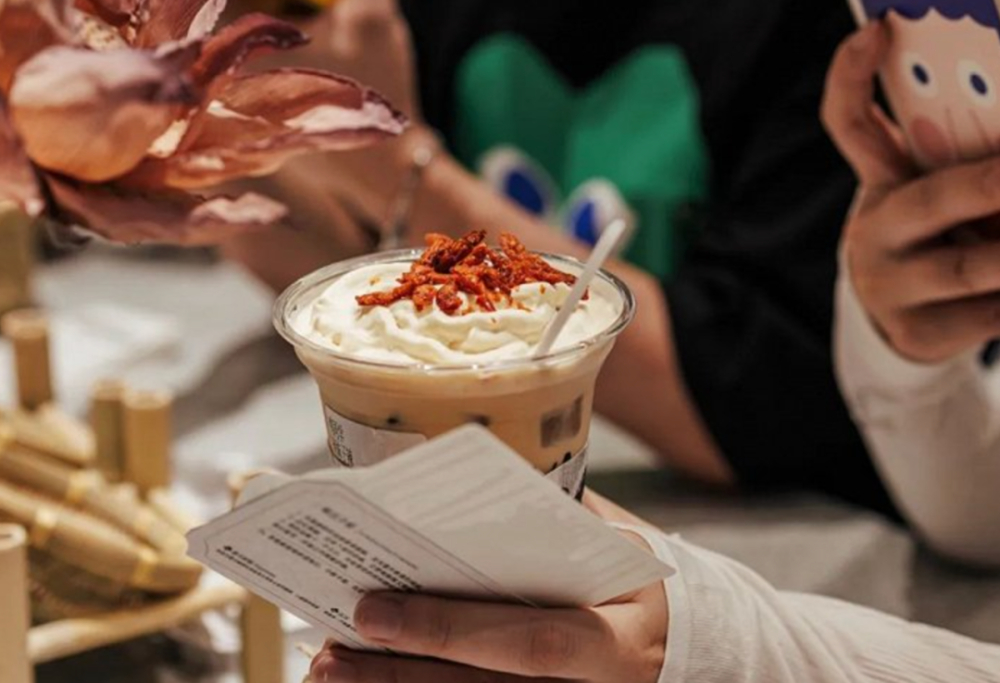
The Sinicization of coffee has only just begun. Getting the world to think "China" when coffee comes up won't happen overnight; global recognition of a Chinese coffee school remains a long road.
Everything depends on innovation. Innovation attracts mainstream consumers; mainstream demand enables wider dissemination and growth. Since new Chinese-style coffee has already won consumers' hearts, the moment should be used to spread accurate coffee knowledge too.
Right now, new Chinese-style coffee works mainly by reverse-guiding new consumption habits—a fine start, perhaps, but achieving the recognition and inheritance of the Japanese or Australian schools requires professionalism.
China has a natural advantage: it grows its own coffee. Like the chili pepper, only by continuously cultivating beans that express Yunnan's flavor character, and by researching roasting and extraction approaches suited to Yunnan coffee, can Chinese-style coffee truly become memorable to the world.
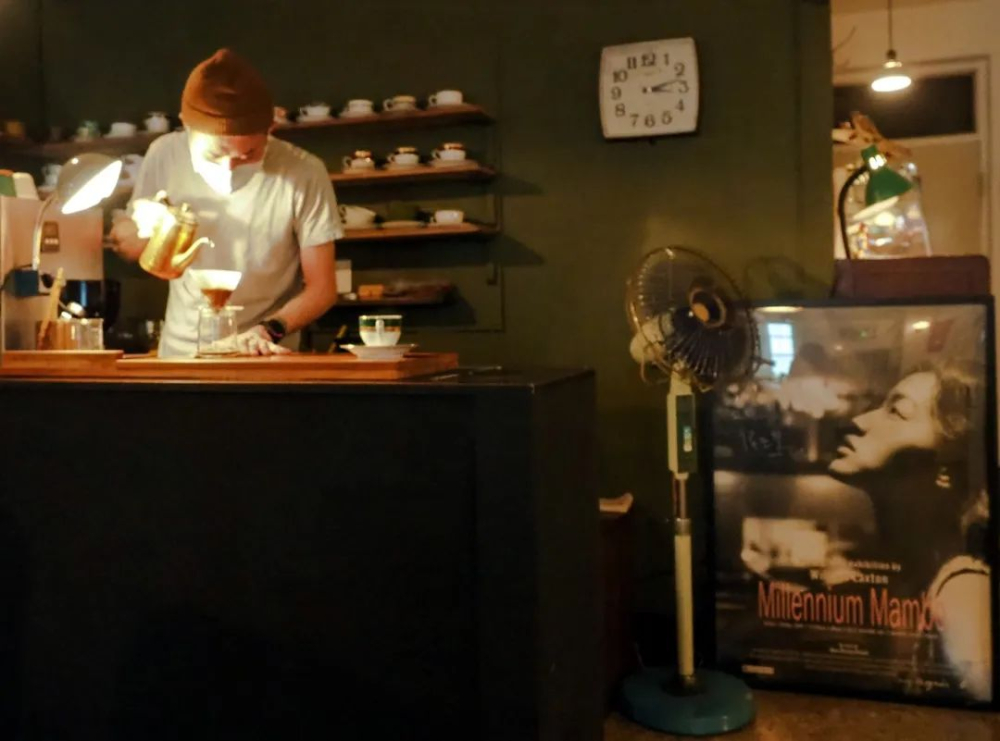
The credibility of the Japanese and Australian schools rests on professionalism—and that professionalism speaks to every consumer, guiding each person to experience the charm of a single cup and to taste, in one sip, the love for coffee that a region's people carry.
Grabbing attention while displaying unprofessional practice only deepens the world's misunderstanding of Chinese-style coffee. Innovation that helps more people accept and understand Chinese coffee is a good start—but it needs roots and soul as well. Otherwise people will remember what Chinese-style coffee looked like, never what it tasted like.
Image source: Internet
FrontStreet Coffee Recommendation
If the idea of a coffee with real regional identity appeals to you, start with blends that marry balance and character. FrontStreet Coffee recommends:
FrontStreet Coffee Premium Blend — Brazil Cerrado pulped-natural beans paired with washed Colombia from Huila: nuts, dark chocolate, and caramel with a comfortable bittersweet edge. Silky in milk drinks with stable latte-art patterns and rich roast aromas; layers beautifully in a Dirty. The versatile choice for home, office, or a boutique neighborhood café.
FrontStreet Coffee Commercial Blend — the classic Brazil-plus-Colombia base with a small addition of Robusta for extra depth: toast, almond, and walnut complexity over a nut-cocoa-caramel core, with excellent crema flow and a low-acid, full-bodied cup. Combined with its price advantage, the smart pick for opening a café.
FrontStreet Coffee Strawberry Candy Gesha Blend — for drinkers tired of dark roasts who want an Americano or latte without bitterness. A three-origin combination blending Costa Rica honey process with Panama washed Gesha: natural rose florals, with grape, dried blueberry, sweet orange, and candy notes in the cup. Distinctively sweet and floral—perfect for signature milk drinks.
Important Notice :
FrontStreet Coffee is a long-established specialty coffee roaster in Guangzhou China, selling freshly roasted beans from its own farm in Yunnan as well as dozens of carefully selected single-origin beans from around the world for both pour-over and espresso. The products deliver consistently excellent quality and great value, with shipping within 24 hours. Guangzhou's FrontStreet Coffee shop is recommended by many coffee lovers, and the beans are now available online at the Tmall 。
FrontStreet Coffee has moved to a new address:
FrontStreet Coffee Address: 315,Donghua East Road,GuangZhou
Tel:020 38364473
 Scan and follow the En Gafei WeChat official account. Please indicate that the reprint comes from "En Gafei".

