
The Difference Between Single-Pour and Three-Pour Pour-Over Coffee: Benefits of Segmented Pouring and Which Coffee Beans It Suits
Understanding Poured Water Segmentation in Pour-Over Coffee Brewing
"There are countless pour-over methods, but segmented pouring is the most reliable." Whether in coffee competitions, in cafés, or at home, pouring in stages is the most common approach. FrontStreet Coffee will explain what segmented pouring actually does.
What is Segmentation?
Given that including a bloom stage has become common ground in coffee brewing, when we talk about segmented pouring we mean whether there are pauses after the bloom. If all the water goes in at once after the bloom, that is the "single-stream" method with no segmentation, which many coffee lovers also prefer.
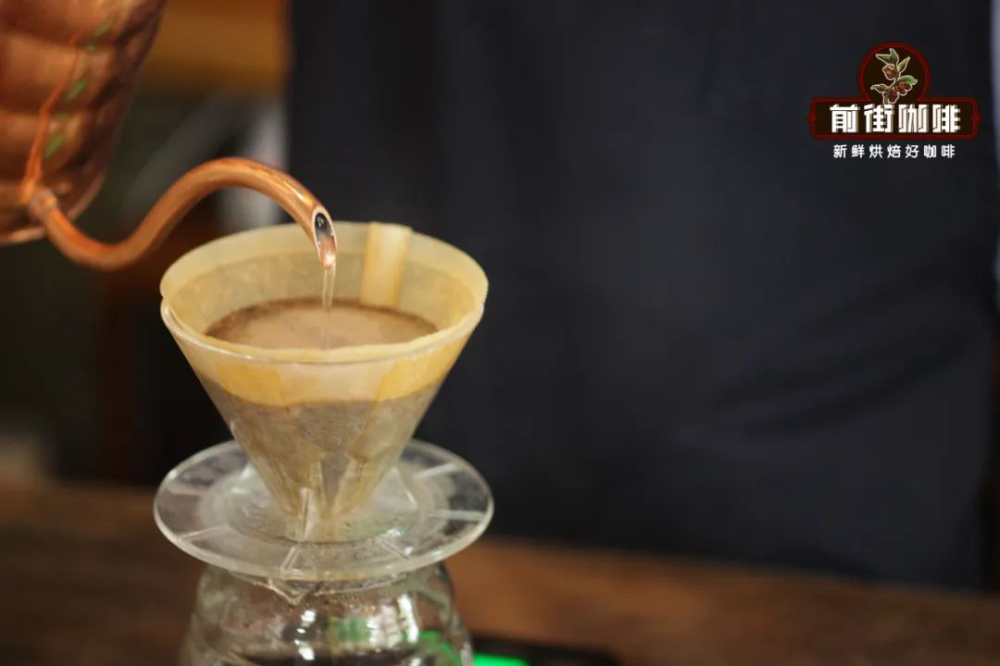
As long as the water after the bloom is divided into two or more stages, regardless of how many stages there are or how much water goes into each, it counts as segmented pouring.
Benefits of Segmented Pouring
Extending Extraction Time
The most direct effect of segmented pouring is that extraction runs more than ten seconds longer than with the single-stream method. FrontStreet Coffee has explained before that sour, sweet, and bitter substances are released at different rates over time. Early on, sour substances are released more, and then the dissolution rate gradually stabilizes.
Sweet substances are released a little more slowly than sour ones at first, then accelerate until they stabilize. Bitter substances are released slowly at the start, then speed up their dissolution as time goes on. A longer extraction time means more coffee substances are released, giving richer flavors and greater complexity. (Sweet and bitter compounds both add complexity; we generally find coffee bitter because too many bitter substances have been released, throwing sour, sweet, and bitter out of balance.)
Improving Rinsing Efficiency
To extend extraction time, setting the grind finer can also lengthen the total time. That, however, cannot subjectively raise the extraction rate during specific time windows. Just as a French press does not turn bitter even after 3-4 minutes of brewing, pour-over extraction typically runs about 2 minutes, because pouring water itself has a rinsing and stirring effect that tumbles the grounds and improves extraction efficiency.
With single-stream pouring after the bloom, the rinsing effect occurs only between the 30th and 80th seconds. Divided into two stages, the rinsing effect happens across two windows: from the 30th to 55th seconds and from the 70th to 95th seconds.
Enhanced Controllability
If you are a beginner whose water control is still developing, segmented pouring is the simplest and most forgiving method. When we brew, for example, we treat 2 minutes as a reasonable extraction time. If the initial pour takes longer than planned, the following pour needs a larger flow.
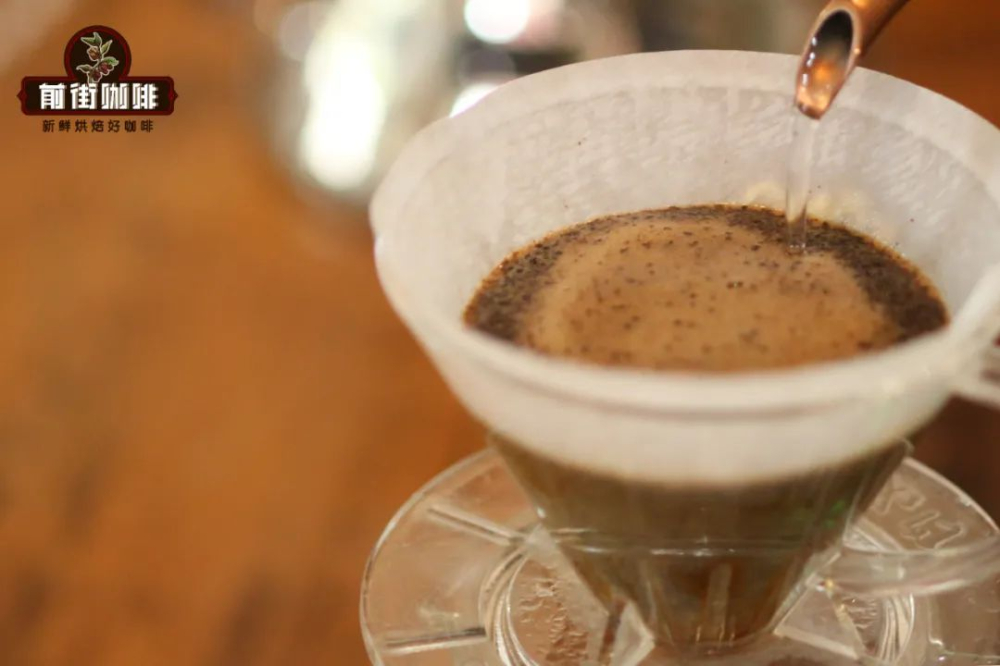
If you find the initial flow too fast, the following pour should use slow, small streams. With single-stream pouring, it is hard to spot problems during the brew, and even when you do, it is hard to apply a correction.
Optimal Number of Stages
So how many stages are most reasonable? In daily brewing, two or three is most common. Pouring in 2-3 stages makes it easier to hit the optimal extraction time, and it lets you adjust the pour to suit different beans, reducing errors in extraction time.
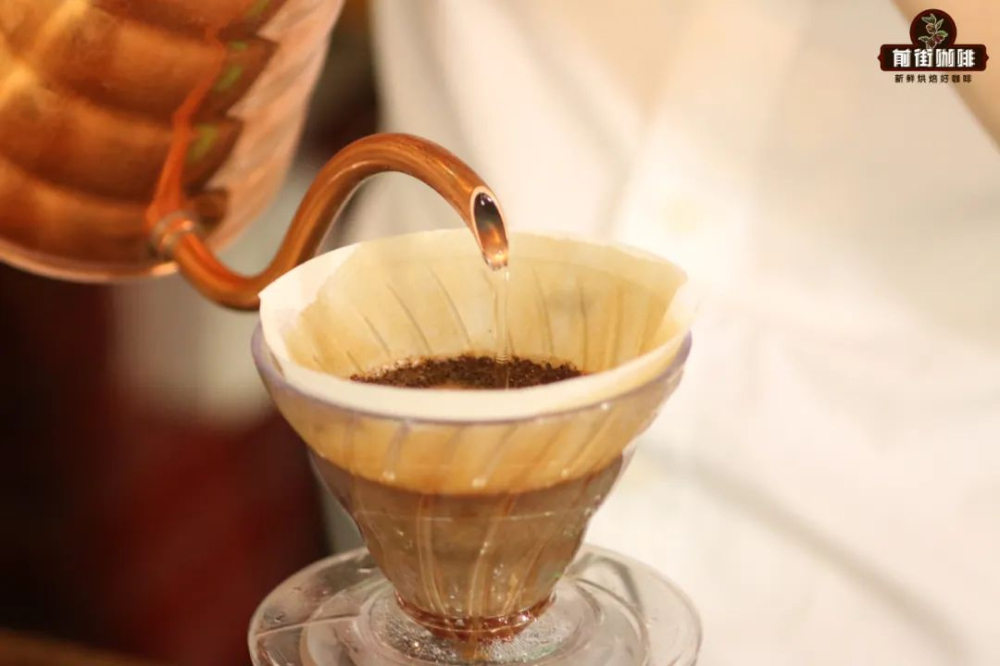
In recent years we have also seen world-class competitors divide the pour into 4 stages (5 including the bloom). One purpose of using more stages is to maximize the extraction of flavor compounds, presenting rich flavors and complexity. But if your beans are not of high quality or the grind size is imprecise, this can easily produce unpleasant bitter and muddled flavors.
As for dividing into even more stages, FrontStreet Coffee does not especially recommend it. The more stages there are, the less water goes in with each one, and without enough water to rinse through the coffee bed, the later extraction is affected as well.
FrontStreet Coffee Recommendation
Segmented pouring rewards beans with clear, layered flavors, and the V60 cone is the classic tool for the job. Designed by Hario, the Tokyo glassmaker founded in 1921 and reshaped in 2004 before its official launch a year later, its 60-degree cone and single large hole force the water to the center and extend contact with the grounds, so aroma and flavor extract fully and flow rate reflects your control.
That makes floral, fruit-forward coffees a natural fit. FrontStreet Ethiopia Huakui bursts with tropical fruit, showing strawberry, passion fruit, jackfruit, and even lychee, with clear sweetness, almost no bitterness, and a smooth, juicy body. FrontStreet Yirgacheffe Coffee is the classic Yirgacheffe profile of citrus, berry, and floral notes with a green-tea-like sweetness, whose gentle, bright acidity is easy for newcomers to accept.
If you want to push the layering further, FrontStreet Strawberry Candy Geisha Blend offers a Geisha-like floral character that responds especially well to staged pouring on the V60.
Important Notice :
FrontStreet Coffee is a long-established specialty coffee roaster in Guangzhou China, selling freshly roasted beans from its own farm in Yunnan as well as dozens of carefully selected single-origin beans from around the world for both pour-over and espresso. The products deliver consistently excellent quality and great value, with shipping within 24 hours. Guangzhou's FrontStreet Coffee shop is recommended by many coffee lovers, and the beans are now available online at the Tmall 。
FrontStreet Coffee has moved to a new address:
FrontStreet Coffee Address: 315,Donghua East Road,GuangZhou
Tel:020 38364473
 Scan and follow the En Gafei WeChat official account. Please indicate that the reprint comes from "En Gafei".

