
Key Differences Between SOE Coffee Beans and Single-Origin Beans: What Does SOE Espresso Mean?
"Hello, I'd like an Americano!"
"Certainly, would you like to switch to SOE coffee beans?"
"What's the difference?"
"SOE tastes better!"
"Then I'll have the SOE coffee beans!"
"There's an additional charge of 5 yuan for switching to SOE, thank you!"
Many coffee shops today offer several types of espresso beans for customers to choose from. Typically the default is a basic blended coffee bean, but you can upgrade to SOE for an additional 3-10 yuan, depending on the shop.
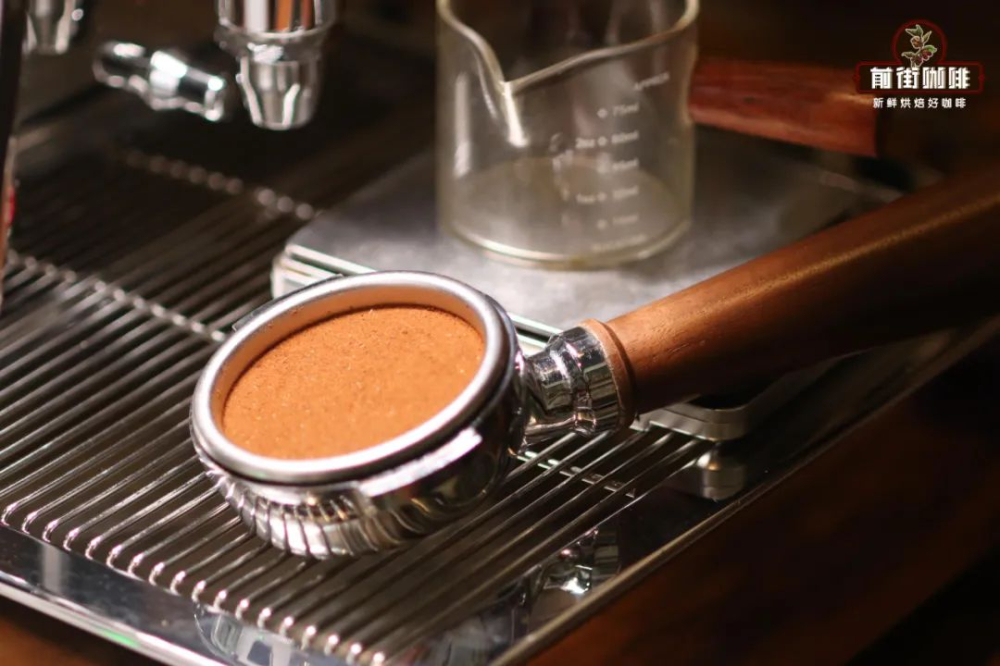
What is SOE?
SOE is not a recent development. Many people simply want to enjoy a cup of coffee without necessarily delving into the story behind it, so when they hear about SOE beans and an extra charge, they assume it must be something premium.
In fact, SOE is just an abbreviation for "Single Origin Espresso." Literally, it exists to distinguish itself from blended coffee beans.
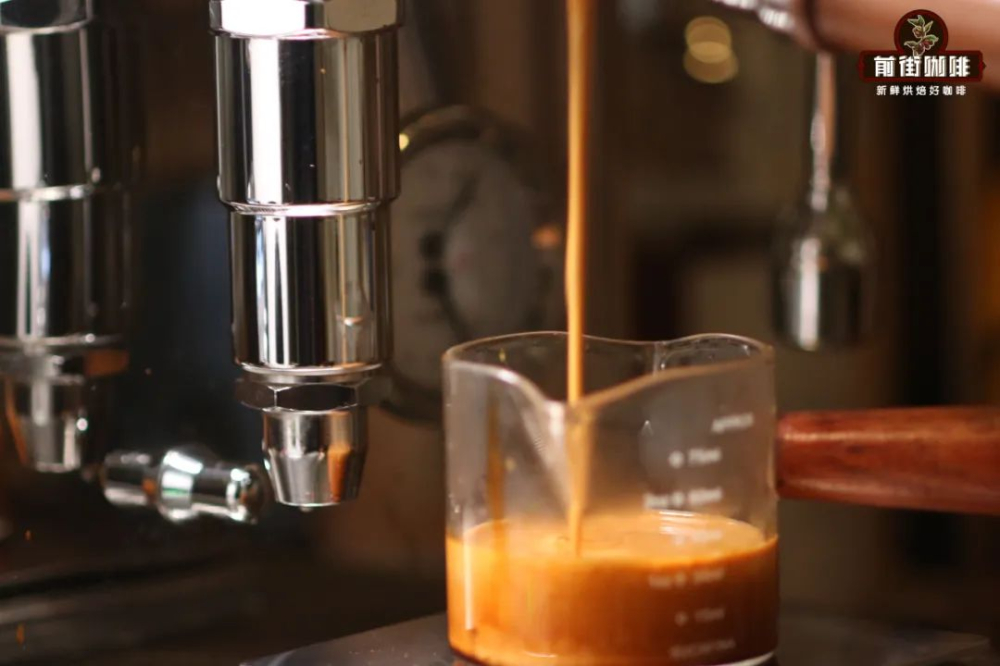
The History of SOE and Blended Coffee
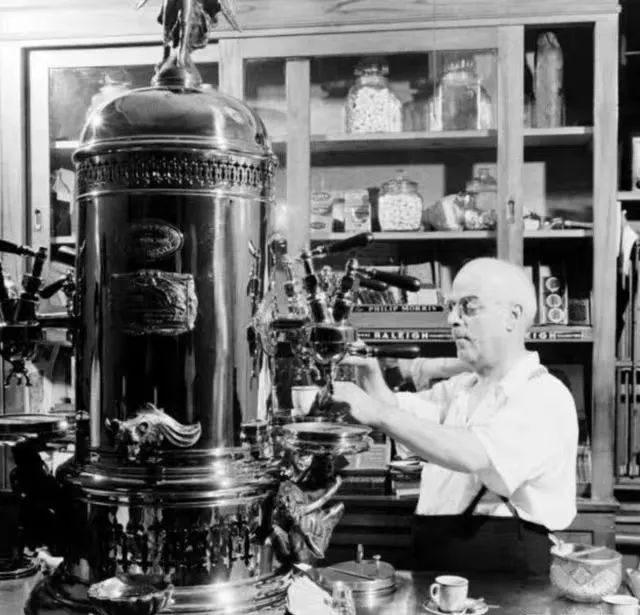
SOE is not a new product; it actually appeared earlier than blended coffee, though the term "SOE" was coined later. Here we need to clarify the logic behind blended coffee's emergence. Before blends existed, the world naturally used single-origin coffee - coffee from Mocha, Brazil, Java, and so on. At that time there was no emphasis on "single origin," because it was simply taken for granted and needed no special mention.
That changed once the consumer market reached a certain scale, primarily in Europe at the time, and the risks of unstable production and quality across coffee-growing regions became clear. Someone hit on the idea of blending beans from different regions to counter those risks, and blended coffee became the mainstream. Using beans from different regions complemented one another and stabilized the flavor; even if a particular region had a poor harvest the following year, the blend recipe could be adjusted to compensate.
The Modern SOE Revival
In recent years SOE has regained popularity, mainly under the influence of the broader environment. Single-origin coffee has gradually become ingrained in people's minds. In pour-over coffee, single-origin beans are predominantly used and produce exceptionally good flavors, which has created a subconscious belief that "single-origin coffee equals good coffee."
The rise of single-origin coffee actually stems from the concept of specialty coffee. In short, a group of coffee industry leaders set out to solve inconsistent coffee quality at its roots. By establishing standards, teaching farmers scientific cultivation methods, and buying high-quality coffee at premium prices, they motivated farmers in producing regions to farm meticulously. This improved bean quality and naturally produced better flavors when brewed.

Traditional Espresso vs. SOE
In the past, our impression of espresso was of a balanced, bitter black coffee that needed milk to taste good. That wasn't due to the extraction method but to the beans used. Espresso couldn't be priced too high and was needed in large quantities, so with beans, cost came first, stability second, and flavor only third. Blending was the most reliable approach, and the raw beans in blends had to be high-yield and supply-stable, so ingredients were basically drawn from the top ten coffee-producing countries. Flavor was generally limited to caramel, nuts, cream, and cocoa. To accommodate the compatibility of various beans, deep-roasting everything was the most straightforward approach, though market taste preferences also played a leading role. Traceability was relatively poor back then, and consumers could only identify which roaster or coffee shop made good coffee.
Single-origin coffee, by contrast, emphasizes the flavors of growing regions and focuses on traceability stories. Having proven itself through pour-over and siphon brewing, it gradually made its way into espresso, becoming what we now call "SOE."
Why Does SOE Cost More?
Since SOE is not inherently superior to blended coffee by definition, why can it sell at higher prices? The reason is simple: the raw material costs of the SOE beans that businesses use are higher.
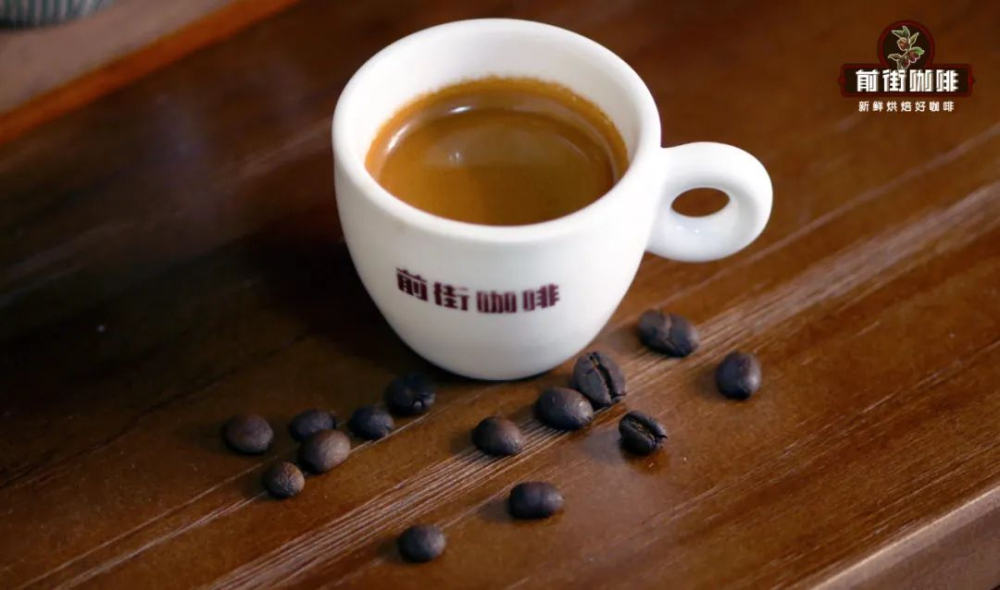
Logically, using beans from a single region in Brazil to make espresso could also be called "SOE." Yet such practices are rarely seen on the market, because the espresso extracted that way might not taste better than a blend. Beans marketed as "SOE" must therefore offer flavors distinct from traditional blends - flavors that make consumers' eyes light up and make them willing to pay. That is why many small-region Ethiopian beans are used for SOE, since Ethiopia is known for citrus and floral flavors, and with a bolder, slightly lighter roast, people can experience a different espresso.
Evolution of SOE
Later, more and more specially processed coffees appeared, with increasingly distinctive and recognizable flavors, and these were quickly applied to SOE. As bean costs rose, the extra charges naturally followed. So many coffee shops now offer at least one regular blend and one SOE, catering both to budget-conscious customers and to those chasing unique flavors.
SOE or Blend?
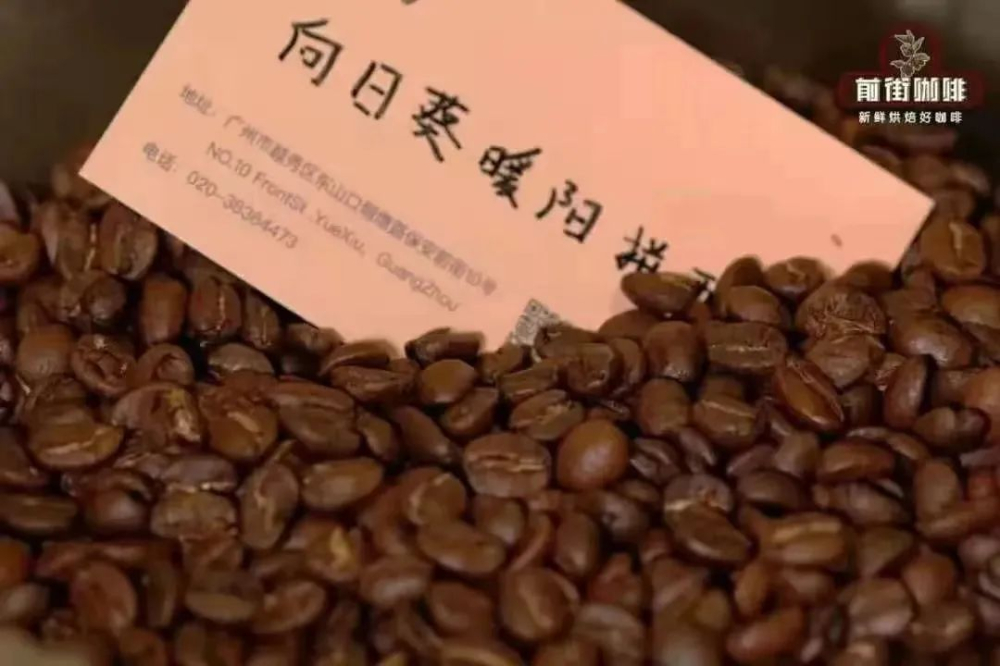
As mentioned, there is no inherent superiority between SOE and blended beans - the only difference lies in the user's purpose. A popular blend, Sunflower Warmth, for example, uses Honduran Sherry beans and Ethiopian Yirgacheffe natural red cherry project beans. Both are top-quality single-origin coffees, and blending them creates a 1+1>2 flavor experience - sherry, vanilla cream, chocolate - achieving a profile distinct from traditional espresso blends. Of course, when your blending goal prioritizes flavor and stability, price loses its advantage.
Perception and Trends
For historical reasons, the term "blend" has become a stereotype in many people's minds, which is why many businesses avoid using high-quality blends. "SOE," by contrast, forms a vivid impression against "blend" - the negative impression of a blend set against the positive impression of SOE.
Finally, when SOE becomes a trend, it is inevitable that many will follow. This leads to SOEs that are not primarily flavor-driven, but are SOE for the sake of being SOE.
FrontStreet Coffee Recommendation
To taste the point of SOE for yourself, FrontStreet Coffee suggests FrontStreet Brazil Cerrado Red Bourbon. This classic single-origin Brazil bean, a Red Bourbon from the well-known Cerrado region, is medium-roasted to bring creamy peanut, toast, caramel, and hazelnut aromas with a rounded, low-acid cup and a light bitterness - excellent as an SOE and also suited to moka pot, siphon, and French press.
For a single-origin with more character, FrontStreet Brazil Queen's Estate is a rare Yellow Bourbon from Mogiana, with butter, seeds, macadamia, and almond nuttiness plus a sugarcane sweetness, smooth and thick whether brewed alone or with milk.
And if you prefer a reliable blend, the FrontStreet espresso-blend range draws on Brazilian beans to deliver chocolate and cream aromas with balanced sweet-sour-bitter structure - a stable foundation for daily espresso or milk drinks.
Important Notice :
FrontStreet Coffee is a long-established specialty coffee roaster in Guangzhou China, selling freshly roasted beans from its own farm in Yunnan as well as dozens of carefully selected single-origin beans from around the world for both pour-over and espresso. The products deliver consistently excellent quality and great value, with shipping within 24 hours. Guangzhou's FrontStreet Coffee shop is recommended by many coffee lovers, and the beans are now available online at the Tmall 。
FrontStreet Coffee has moved to a new address:
FrontStreet Coffee Address: 315,Donghua East Road,GuangZhou
Tel:020 38364473
 Scan and follow the En Gafei WeChat official account. Please indicate that the reprint comes from "En Gafei".

