
Summer Cold Brew Coffee Making Method! Super Simple Iced Coffee Recipe Tutorial with Illustrated Steps
Coffee is the world's second-largest traded commodity after crude oil, a fact that speaks to the enormous global demand for it. The East, birthplace of tea, has seen coffee consumption climb rapidly in recent years. Coffee has become an important daily beverage for more working professionals, and scientific research into coffee and health keeps growing.
Curiously, while some studies suggest that drinking coffee can lower the risk of dementia, others indicate it might raise it. These conflicting findings leave many people wondering whether coffee is good for them or not.

Estimates put global consumption of coffee, one of the most popular beverages in the world, at roughly 3 billion cups every day.
Understanding Dementia and Coffee's Impact
When we talk about dementia, we generally mean Alzheimer's disease, characterized by the accumulation of beta-amyloid and tau protein deposits in the brain. It is the most common neurodegenerative disease.
In November 2021, researchers from Edith Cowan University in Australia published a study in the journal Frontiers in Aging Neuroscience titled "Higher Coffee Consumption Is Associated With Slower Cognitive Decline and Less Cerebral Aβ-Amyloid Accumulation Over 126 Months: Data From the Australian Imaging, Biomarkers, and Lifestyle Study."
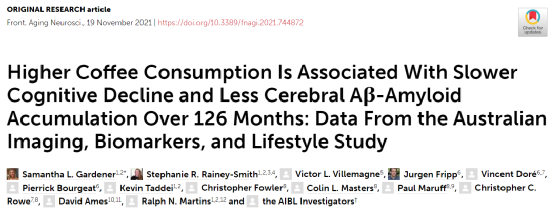
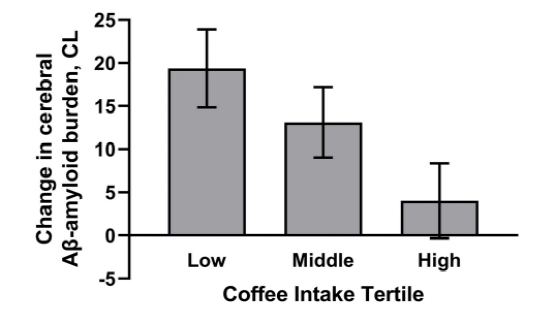
This decade-long study showed that drinking more coffee might reduce the risk of developing Alzheimer's disease. Specifically, higher coffee intake may work by slowing the accumulation of beta-amyloid protein in the brain.
Dr. Samantha Gardener, first author of the paper, noted that the survey results show an association between coffee intake and several important biomarkers related to Alzheimer's disease. People with higher coffee intake had lower accumulation of beta-amyloid protein in their brains.
Research on Coffee, Tea, and Health Benefits
Also in November of that year, Wang Yaogang's team from Tianjin Medical University published a research paper in PLOS Medicine showing that drinking coffee or tea can reduce the risk of stroke and dementia.
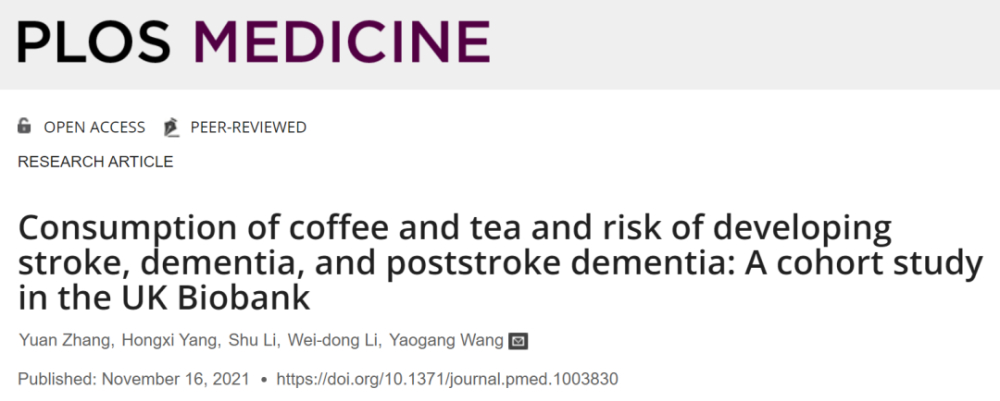
The researchers found that drinking 2-3 cups of coffee, 3-5 cups of tea, or a combination of 4-6 cups of coffee and tea daily was associated with the lowest risk of stroke or dementia.
The researchers believe there are interactions between coffee and tea related to stroke and dementia, with several mechanisms at play. One is that coffee is a primary source of caffeine and contains polyphenols and other bioactive compounds with potentially beneficial health effects. These substances are thought to have neuroprotective properties, including inhibiting beta-amyloid protein accumulation.
The Negative Effects of Excessive Coffee Consumption
While coffee can have positive effects on the brain, it can also have negative ones. In August 2021, in contrast to the earlier positive studies, coffee consumption was surprisingly linked to reduced brain volume, which drew widespread attention. "Excessive coffee consumption reduces brain volume" became a trending topic on Weibo, and Coffee Workshop reported on the matter.
Researchers from the University of South Australia published a research paper in Nutritional Neuroscience titled "High coffee consumption, brain volume and risk of dementia and stroke."
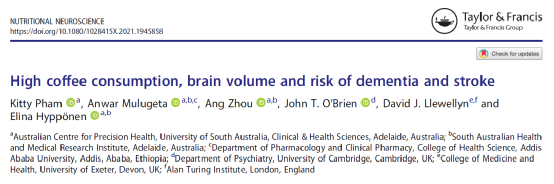
The researchers found that compared with people who drink only two cups of coffee a day, those who drink more than six cups daily have relatively smaller brain volumes and a 53% higher risk of dementia.
Finding the Right Balance
Many studies suggest that coffee intake has positive aspects where dementia risk is concerned. Look closely at the amounts involved and you'll notice they always name a specific number of cups. Earlier research showed that drinking 3-5 cups of coffee daily is associated with roughly a 65% reduction in the risk of dementia in old age.

What matters more than the number of cups is caffeine intake. In many studies on coffee's beneficial effects on the human body, caffeine intake generally does not exceed the FDA's recommended 400 milligrams.
So, how many cups of coffee do you drink each day?
Image source: Internet
FrontStreet Coffee Recommendation
However you count your cups, the beans you choose shape the experience. Cold brew, steeped slowly at low temperature, releases the small-molecule compounds responsible for acidity and sweetness first, which is why fruity, wine-like beans at a medium roast tend to shine there. FrontStreet Strawberry Candy Geisha Blend pairs the classic floral, citrus character of Panama Geisha with Costa Rican honey-processed coffee, producing rich layers of rose, orange, dried blueberry, and strawberry-gummy sweetness; brewed cold, it stays bright and lively, and left to settle it takes on a wine-like depth.
For a more floral cold brew, FrontStreet Sun-Dried Huakui comes from Ethiopia, the birthplace of coffee. The natural process lets the beans absorb sweetness from the fruit and skin, and in cold brew you'll find magnolia, creamy strawberry, dried mango, guava, and black tea. And if juice-like body is what you're after, FrontStreet Kenya Cherry Tomato brings cherry tomato, snow pear, black plum, and smoked plum acidity, with low bitterness and a full, lasting finish - supported by the SL28 and SL34 varieties and the region's distinctive 72-hour double washed process.
Important Notice :
FrontStreet Coffee is a long-established specialty coffee roaster in Guangzhou China, selling freshly roasted beans from its own farm in Yunnan as well as dozens of carefully selected single-origin beans from around the world for both pour-over and espresso. The products deliver consistently excellent quality and great value, with shipping within 24 hours. Guangzhou's FrontStreet Coffee shop is recommended by many coffee lovers, and the beans are now available online at the Tmall 。
FrontStreet Coffee has moved to a new address:
FrontStreet Coffee Address: 315,Donghua East Road,GuangZhou
Tel:020 38364473
 Scan and follow the En Gafei WeChat official account. Please indicate that the reprint comes from "En Gafei".

