
What is the ideal TDS for pour-over coffee water and how does water quality affect pour-over coffee?
The Importance of Water Quality for Brewing Coffee
Brewing delicious coffee takes more than good beans - the water matters just as much. Brewed coffee is over 98% water, so choosing the right water is crucial. The question is: what kind of water is actually suitable for coffee?
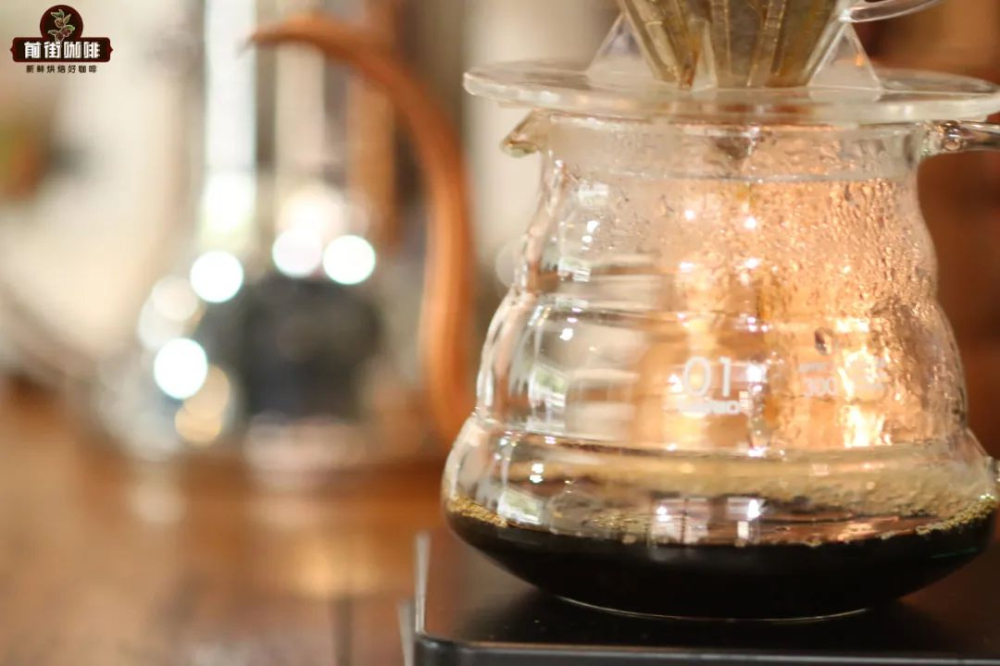
Requirements for Coffee Brewing Water
Let's break down what water for brewing coffee needs to satisfy. Generally, two factors matter most: hardness and pH level.
Water Hardness
Starting with hardness: water that looks clean in nature isn't pure water. It typically carries ions such as calcium, magnesium, potassium, and sodium, along with bicarbonate. These determine how soft or hard the water is, and hard water generally isn't suitable for brewing coffee.
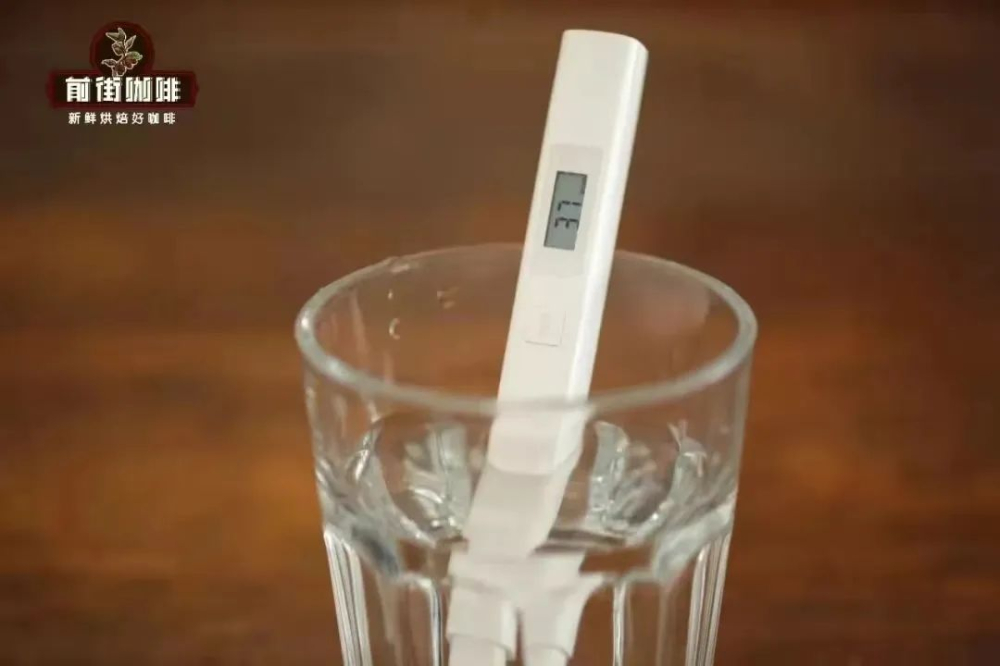
The SCAA-recommended TDS (Total Dissolved Solids) standard for coffee water is 75-250ppm, but in practice, water below 100ppm more reliably produces delicious coffee.
That's because TDS only tells you how much soluble material is in the water - not what it's made of or in what proportions.
Research shows that an appropriate amount of calcium ions helps dissolve coffee's acidity, while calcium-rich water easily forms scale. A small amount of magnesium ions, meanwhile, enhances coffee's sweetness and aroma. Water with balanced calcium and magnesium is therefore well suited to brewing.
pH Level
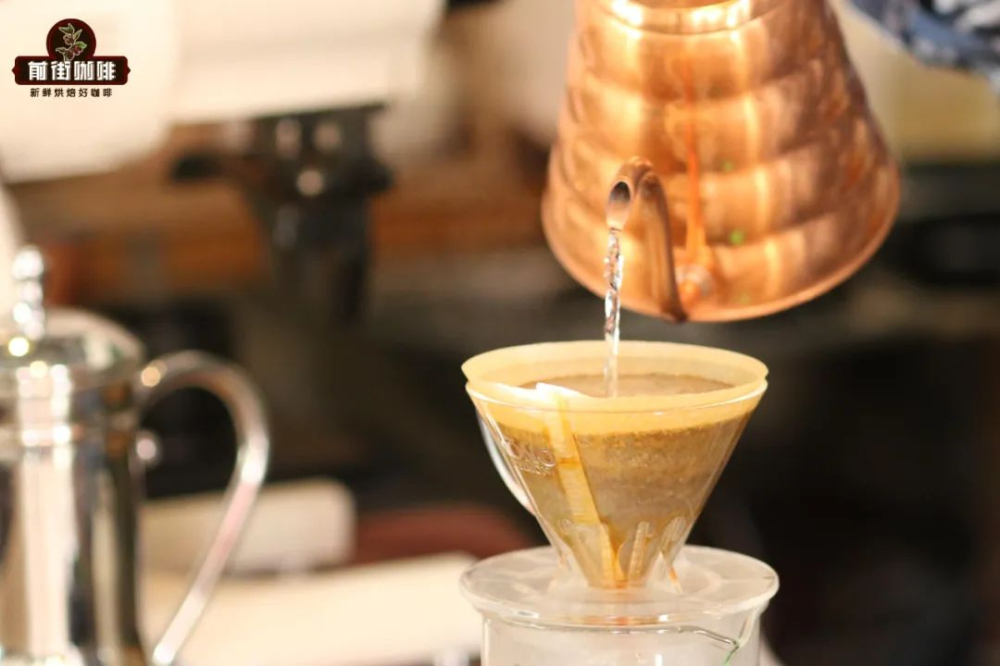
pH affects taste too. A pH of 7 is neutral; lower numbers mean more acidic, higher numbers more alkaline. Coffee itself sits between pH 5-6, slightly acidic. Water with a pH between 6.5-7 generally brews the most palatable coffee.
Types of Water for Coffee Brewing
Given all that, tap water is the first to rule out. In most regions its TDS is relatively high - just check the white scale layer in your own kettle.
Even where tap water meets the TDS standard, it contains trace residual chlorine, the source of that swimming-pool smell. Coffee brewed with it typically shows a gritty texture and muddled flavors.
If you filter tap water at home, still test the TDS and taste-compare before committing - some filters do a poor job, and the filtered water remains unsuitable for brewing.
Pure water - containing nothing at all - is also a poor choice. As noted above, the right amounts of calcium and magnesium promote extraction and enhance acidity, sweetness, and aroma. Coffee brewed with pure water has an inexplicable hollowness, and without sweetness or aroma to back it up, the acidity comes across as sharp.
Mineral Water for Coffee Brewing
The last, relatively practical option is mineral water. When buying it, always check the mineral content on the label - never judge water by its price. Premium-priced Evian, for example, has a TDS of 489ppm, far above the maximum for coffee water, making it unsuitable for brewing. Look for the TDS value and the mineral content table on the label before buying.
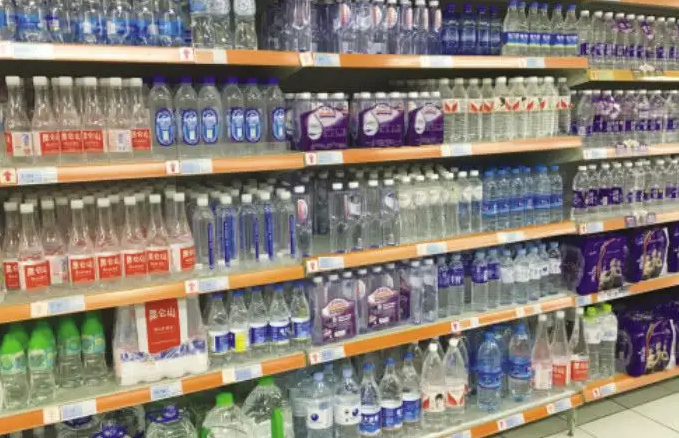
Finally, if you ask which water is best for brewing coffee, the answer you'll most likely hear is Nongfu Spring.
FrontStreet Coffee Recommendation
Once your water is sorted, choose beans that reward clean brewing. FrontStreet Coffee's Yirgacheffe Guading, washed-processed from Ethiopia, shows citrus, berry, and floral aromatics with a green-tea sweetness - delicate flavors that soft, low-TDS water (ideally under 100ppm) lets shine without interference. The natural-process Huakui, with its strawberry, passion fruit, jackfruit, and lychee notes and clear honeyed sweetness, likewise benefits from balanced calcium and magnesium to lift its aromatics.
If you lean toward low-acid, fuller-bodied cups, the PWN Golden Mandheling delivers herbs, dark chocolate, and caramel richness in a smooth, lingering body - a bean that stays comforting even when your water isn't perfect. Pair good water with any of these, and the difference in the cup is immediately noticeable.
Important Notice :
FrontStreet Coffee is a long-established specialty coffee roaster in Guangzhou China, selling freshly roasted beans from its own farm in Yunnan as well as dozens of carefully selected single-origin beans from around the world for both pour-over and espresso. The products deliver consistently excellent quality and great value, with shipping within 24 hours. Guangzhou's FrontStreet Coffee shop is recommended by many coffee lovers, and the beans are now available online at the Tmall 。
FrontStreet Coffee has moved to a new address:
FrontStreet Coffee Address: 315,Donghua East Road,GuangZhou
Tel:020 38364473
 Scan and follow the En Gafei WeChat official account. Please indicate that the reprint comes from "En Gafei".

