Brewing Coffee in Zisha Pots: A Surprising Solution to Reduce Bitterness
How Pandemic Life Changed Coffee Culture
As the pandemic dragged on, people's coffee habits shifted noticeably. Many gradually picked up the habit of making coffee at home, finding a kind of comfort in the process itself. In response, the market rolled out all sorts of home-friendly brewing gear: drip coffee makers, French presses, moka pots, American-style machines, and small espresso machines.
But here's the thing. Even after buying the equipment, many people discover that brewing a cup involves a fair number of fiddly steps, and it can feel like a chore. Or the enthusiasm lasts through the brewing and evaporates at the cleaning stage, so the device ends up in a corner gathering dust.

The people who design coffee gear know this feeling well, so they set out to build brewing devices with as few parts as possible. A company under Amazon Japan recently developed a piece of equipment that looks like a teapot but is actually used to brew coffee. Its parts are extremely simple: a high-density filter screen fitted at the spout keeps the grounds from flowing out with the water. To clean it, hot water alone is enough.
A Simple Design with Unusual Materials
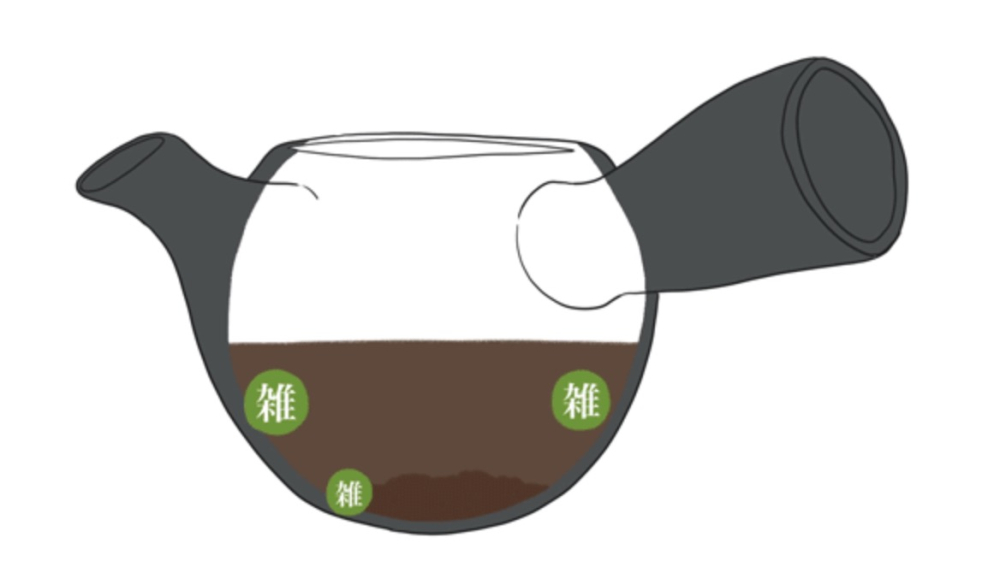
Simple as the design looks, the pot's material itself has the property of reducing bitterness in coffee. The body uses the Tokoname-yaki ceramic technique, also known as Japanese purple clay, which has a history of 1,000 years. Its defining feature is clay with a high iron content. No glaze is applied during firing, and after firing the surface is polished to a smooth, bright finish.
Because no glaze is used, the pottery keeps the porous, water-absorbing character of the material itself, which lets it effectively soak up the compounds in coffee that cause unpleasant flavors. At the same time, the interior has no corners, forming a complete curved shape that reduces the buildup of off-flavor compounds and lets the material absorb those flavors more effectively.
The Science Behind Coffee Bitterness
Most of the bitterness in coffee comes from two compounds: chlorogenic acid lactone and phenylindane. Both are produced during roasting as chlorogenic acid breaks down. Light to medium roasts mainly develop bitterness because the beans retain a higher level of chlorogenic acid lactone. As roasting time lengthens and the beans go darker, they contain more phenyl compounds, and the higher the phenylindane content, the sharper and longer-lasting the bitterness.
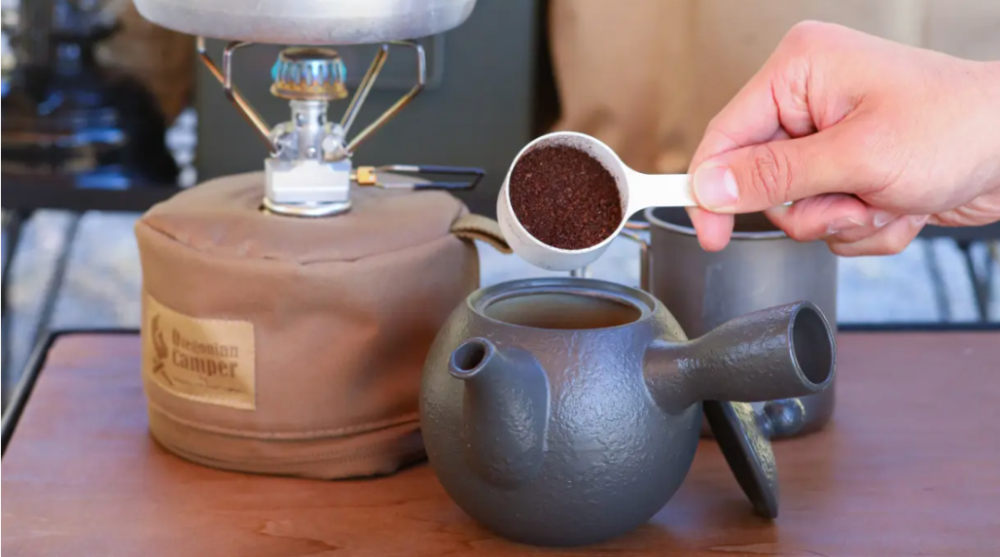
The structure of this pottery pot can absorb the compounds that make a cup feel harsh. It also extracts by immersion, so as long as you control the water temperature properly (around 90-91°C for light-roasted beans, 88-89°C for dark-roasted beans) and use a sensible coffee-to-water ratio (if you're unsure, start at 1:15 and adjust to taste; the larger the ratio, the lower the coffee concentration) and steep for 2-3 minutes, you get a cup with full flavor and an overall clean finish.
Brewing Tips and Techniques
If the grounds steep too long, the bitterness grows stronger, so don't over-brew: with this kind of pottery pot, try not to go past 3 minutes. When you drink, pour out all of the coffee before tasting. And unlike tea, you cannot brew it a second time.
A Creative Alternative
Since Japan's Tokoname-yaki pot can be called a Japanese purple clay pot, it follows that it works much like a Chinese purple clay pot. The materials differ, but the effect is similar: it reduces bitterness while preserving the aroma and flavor of the tea or coffee.
So when no one is watching at home, find a larger purple clay pot, fit a high-density filter screen, and quietly give it a try.

(Don't tell anyone I told you.) Remember to clean it thoroughly and let it dry after use, and make sure there is no lingering coffee smell before you put it back where it belongs.

Image source: Internet
FrontStreet Coffee Recommendation
If your goal is a smooth, low-bitterness cup, a blend built for immersion and moka-pot brewing is a smart starting point. FrontStreet Classic Blend was designed specifically for espresso and moka pot use, and its standout strength is crema: even a beginner with a modest home machine can pull a dense, fine foam. It follows the traditional Mamba recipe, giving it a full, gentle body that suits a latte, a cappuccino, or a Dirty just as well as a straight shot.
If you prefer a single-origin coffee that stays balanced and low in acidity, FrontStreet Brazil Queen's Estate is a good fit. The beans come from Brazil, the world's largest coffee producer, and the cup is rich in nut and cocoa aroma with a clear caramel sweetness and a smooth, non-astringent finish. It works equally well as a pour-over, an espresso, or a moka pot brew.
Important Notice :
FrontStreet Coffee is a long-established specialty coffee roaster in Guangzhou China, selling freshly roasted beans from its own farm in Yunnan as well as dozens of carefully selected single-origin beans from around the world for both pour-over and espresso. The products deliver consistently excellent quality and great value, with shipping within 24 hours. Guangzhou's FrontStreet Coffee shop is recommended by many coffee lovers, and the beans are now available online at the Tmall 。
FrontStreet Coffee has moved to a new address:
FrontStreet Coffee Address: 315,Donghua East Road,GuangZhou
Tel:020 38364473
 Scan and follow the En Gafei WeChat official account. Please indicate that the reprint comes from "En Gafei".