
Nanyang Coffee—The Originator of Chinese Coffee! Chinese People Have a Unique Emotional Connection to Coffee.
Nanyang Coffee: A Legacy of Chinese Heritage in Southeast Asia
Ask older Chinese coffee drinkers about "Chinese-style coffee," and one name comes up again and again: Nanyang coffee. The other evening, a friend brewed a cup for his grandfather, and the old man launched into story after story as he sipped. "The coffee we drank back then was wonderfully fragrant and bold, even if the texture was coarse," he recalled. "Nanyang coffee is the ingenuity of several generations of Chinese people, and it's a flavor I've never forgotten."
The grandfather's mother was born in Singapore and lived there until her marriage, when she returned to her ancestral home in the Nanfan Shun region — the Guangzhou and Foshan area of Guangdong Province — bringing the Nanyang method of making coffee with her. His great-grandmother used to say this was the taste of home, a flavor that carried the hardships of the Chinese who crossed the seas to Nanyang, and she hoped every generation would remember it.
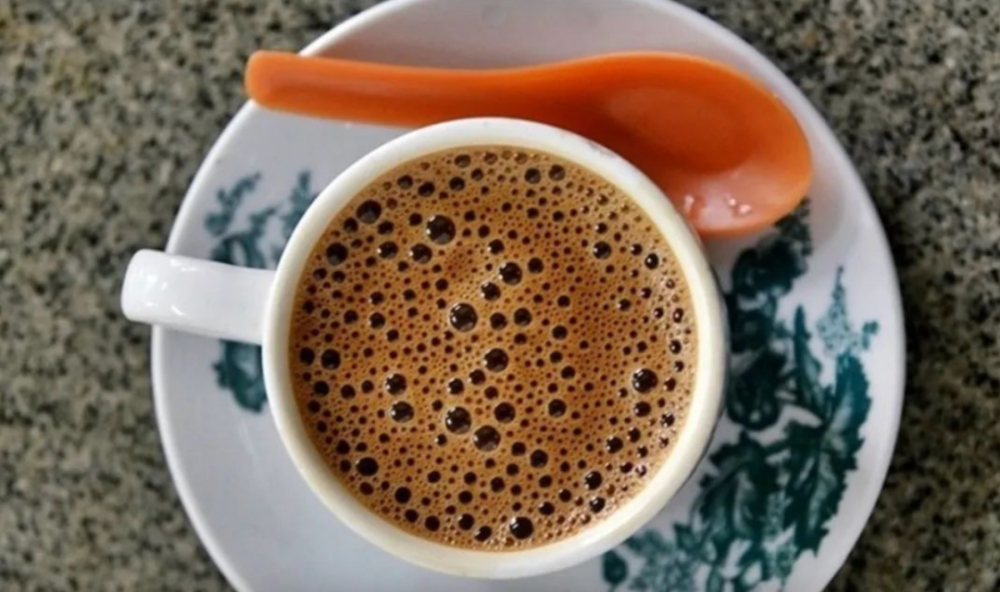
The Origins and Spread of Nanyang Coffee
In its literal sense, "Nanyang coffee" describes the coffee drinks of Malaysia, Singapore, Indonesia, and Thailand. Because everything from roasting to brewing differs so radically from the freshly ground specialty coffee we know today, the term also covers the coffee-making style that originated in the Singapore-Malaysia region — a style later carried back to Hainan and the Hong Kong-Macau area.
During the Ming Dynasty, China's population expanded rapidly, and wave after wave of people from the southeastern coast went south and west in search of new farmland and a livelihood. They boarded boats for the coasts of the Indochina Peninsula, the Philippine Islands, the Indonesian archipelago and beyond, to trade, to work, and sometimes to marry and settle down — a great migration remembered collectively as "crossing to Nanyang."
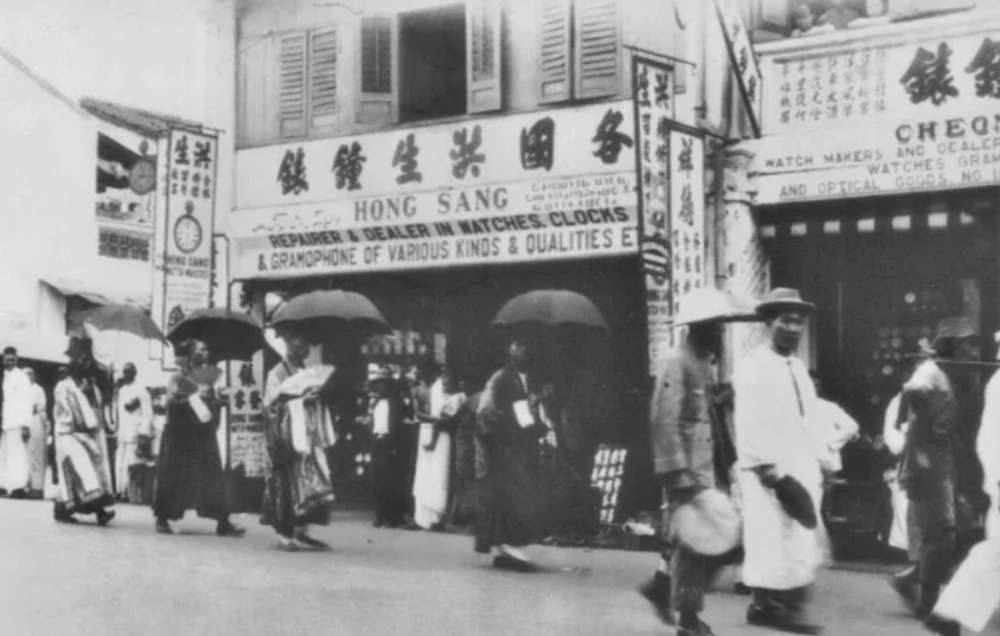
Nanyang, in this way, became a clearly defined new frontier for Han migrants. As Chinese settlers arrived in ever larger numbers, their footprints spread across nearly every corner of the region, and they became an essential part of the ethnic makeup of today's Southeast Asian nations. Along with them came their food culture.
Strictly speaking, Nanyang coffee was first created by the Hainanese. As early as the 1850s, Singapore's coffee shop owners were predominantly of Hainanese descent.
The story begins in 1819, when Stamford Raffles, an employee of the British East India Company, landed in Singapore and established a free trade port. Merchants from every nation soon crowded its harbor, the population swelled, and Singapore grew into a hub of Asia-Europe trade — one that demanded an enormous workforce.
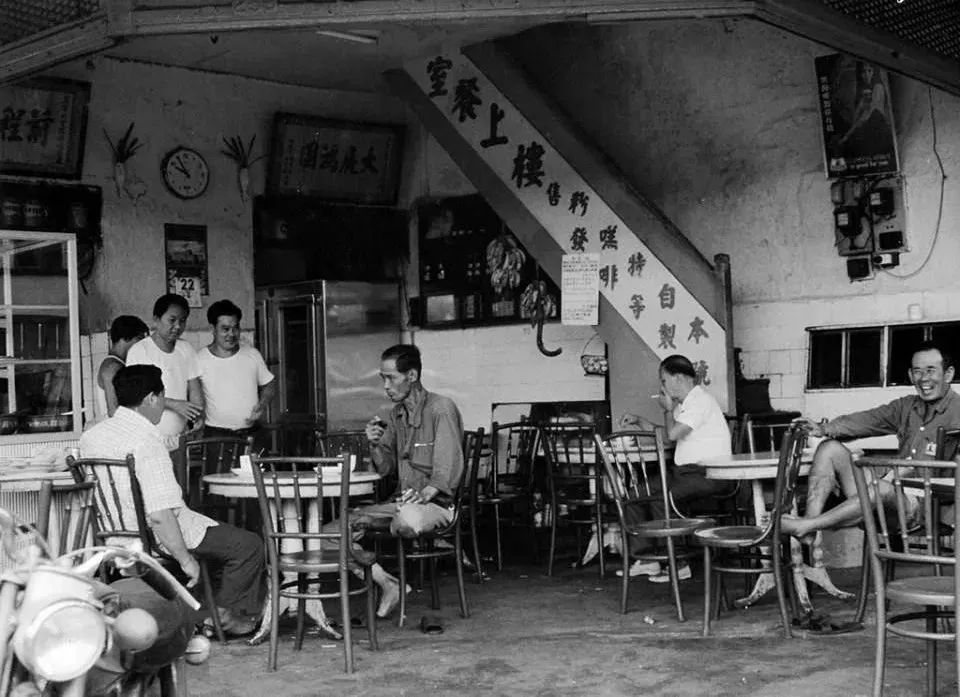
Hainanese Innovation in Coffee Making
In those early migration years, the Hainanese accumulated experience in Western food culture — cooking, coffee, and Western tea service — while working as domestic laborers in foreign households, laying the groundwork for their later move into coffee and catering. When Cantonese "Ma Jie" (female domestic helpers) gradually took over the household servant trade, many Hainanese found themselves out of work and began opening coffee shops instead. To suit Chinese palates, they reworked both the coffee and the Western food with distinctly Chinese touches.
Early Chinese immigrants to Singapore generally came to make a living, arriving through informal networks of kinship and native-place ties. Abroad, they tended to band together by geography and bloodline, forming occupational clusters. By the 1850s, it was common for a single Hainanese family to run more than one coffee shop.
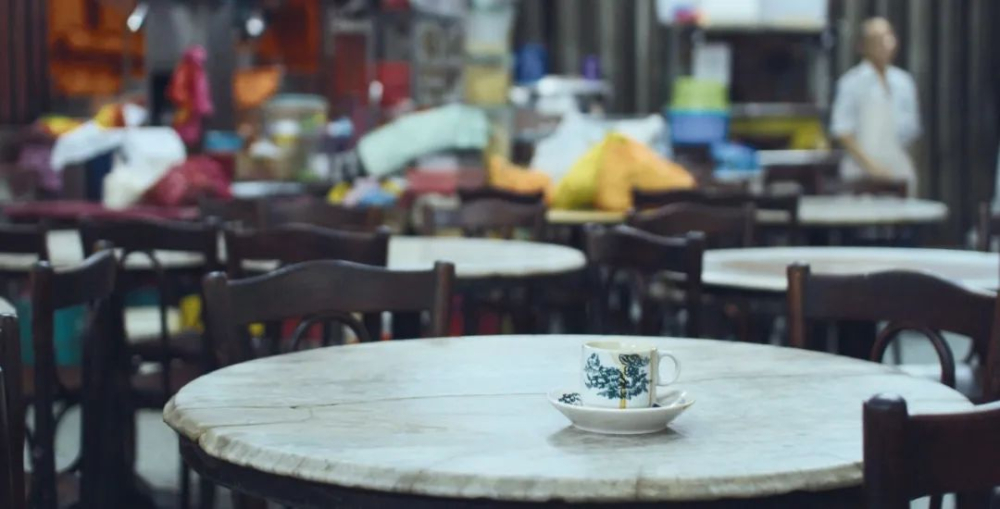
The Hainanese brand of coffee caught on in Singapore largely because of their roasting technique, which did a remarkably effective job of masking the unpleasant flavors of cheap, low-grade coffee.
The concept of "specialty coffee" only entered the mainstream after 2000. Before then, bean quality varied wildly, and most of what was grown — particularly in low-altitude regions — was Robusta or Liberica. Brewed straight after roasting, such coffee would have been nearly undrinkable.
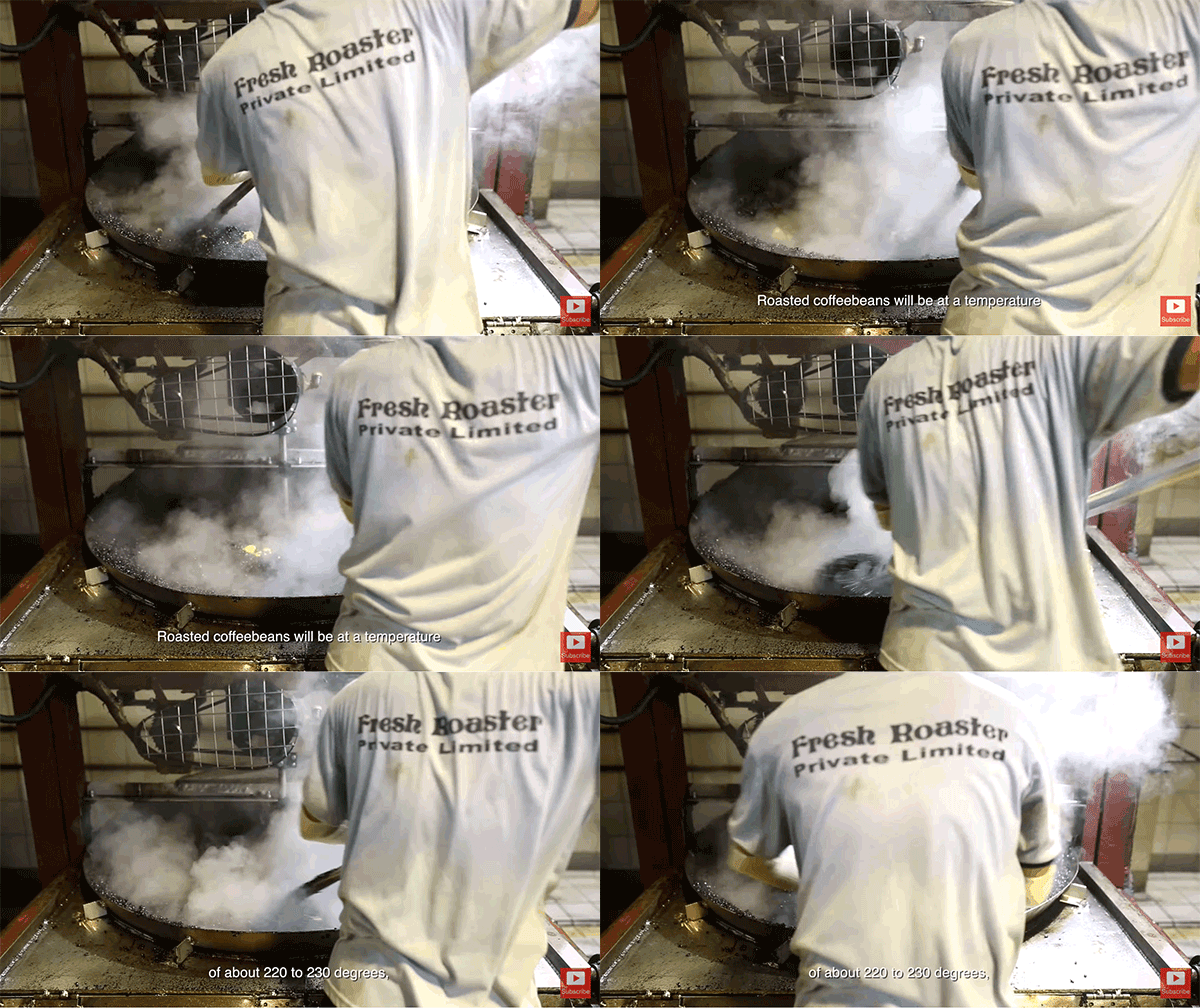
To soften those rough edges, the Hainanese borrowed from Chinese cooking and added seasonings during the roast. The beans were roasted to roughly 70-80% completion, then butter, sugar, salt, and other seasonings were stirred in, coating the beans in a sticky glaze and giving them a caramelized aroma. Because of the sugar and oil, the beans had to be ground immediately out of the roaster — once they cooled, they became far harder to handle.
The Evolution and Variations of Nanyang Coffee
Which brings us to a familiar name: have you heard of "white coffee"? The Hainanese roasting method traveled to Malaysia with other Chinese migrants and was modified there. "White coffee" actually means dropping the sugar from the sugar-roasted recipe and roasting the beans "lighter," so the flavor is less intense than that of sugar-roasted beans. It is not called white coffee because non-dairy creamer is added to black coffee.
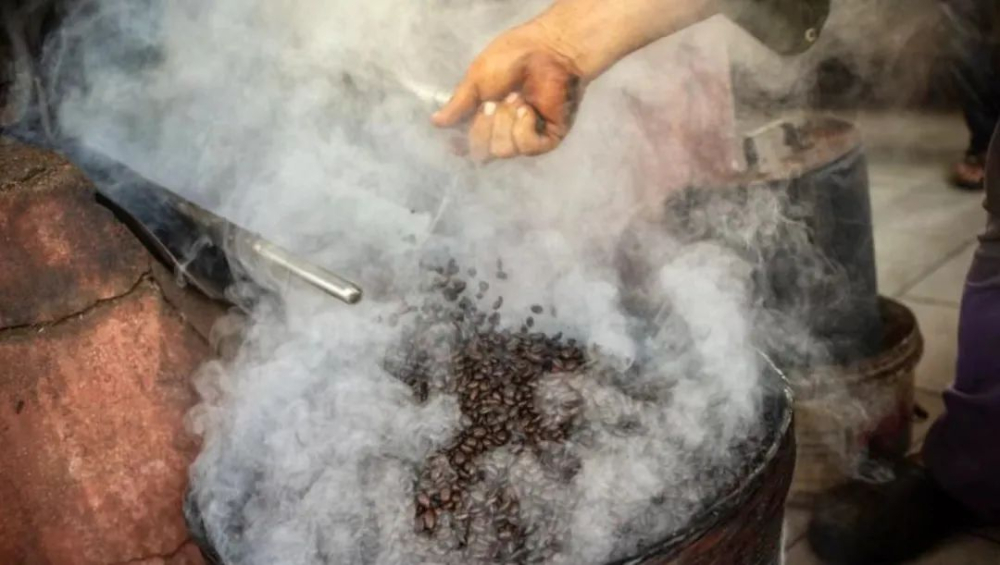
Back to the main story. Even though sugar went into the roasting drum, the finished coffee wasn't sweet — the sugar caramelized fully during the long roast. Robusta varieties are naturally high in caffeine, and the coffee itself carries a large amount of chlorogenic acid, an insect deterrent, so paired with an extremely dark roast the cup is already punishingly bitter.
To squeeze out maximum strength, the coffee is also brewed very concentrated. Drink a cup straight and you don't just get a caffeine jolt — the sheer bitterness hits like a slap, leaving you thoroughly "refreshed." As the grandfather put it: "The first time I drank Nanyang coffee, it was like knocking back strong liquor."
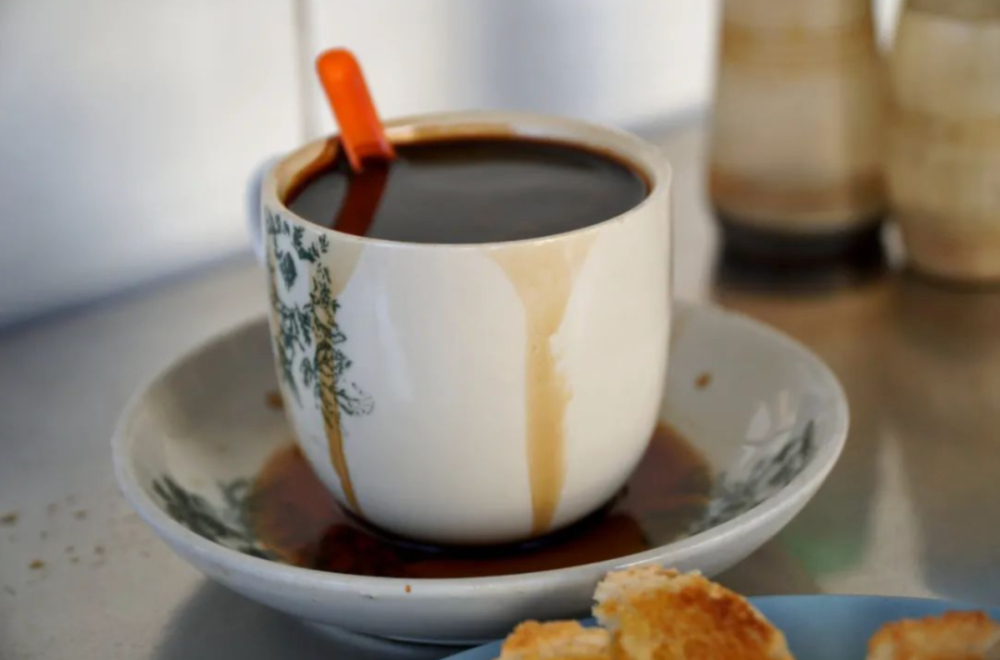
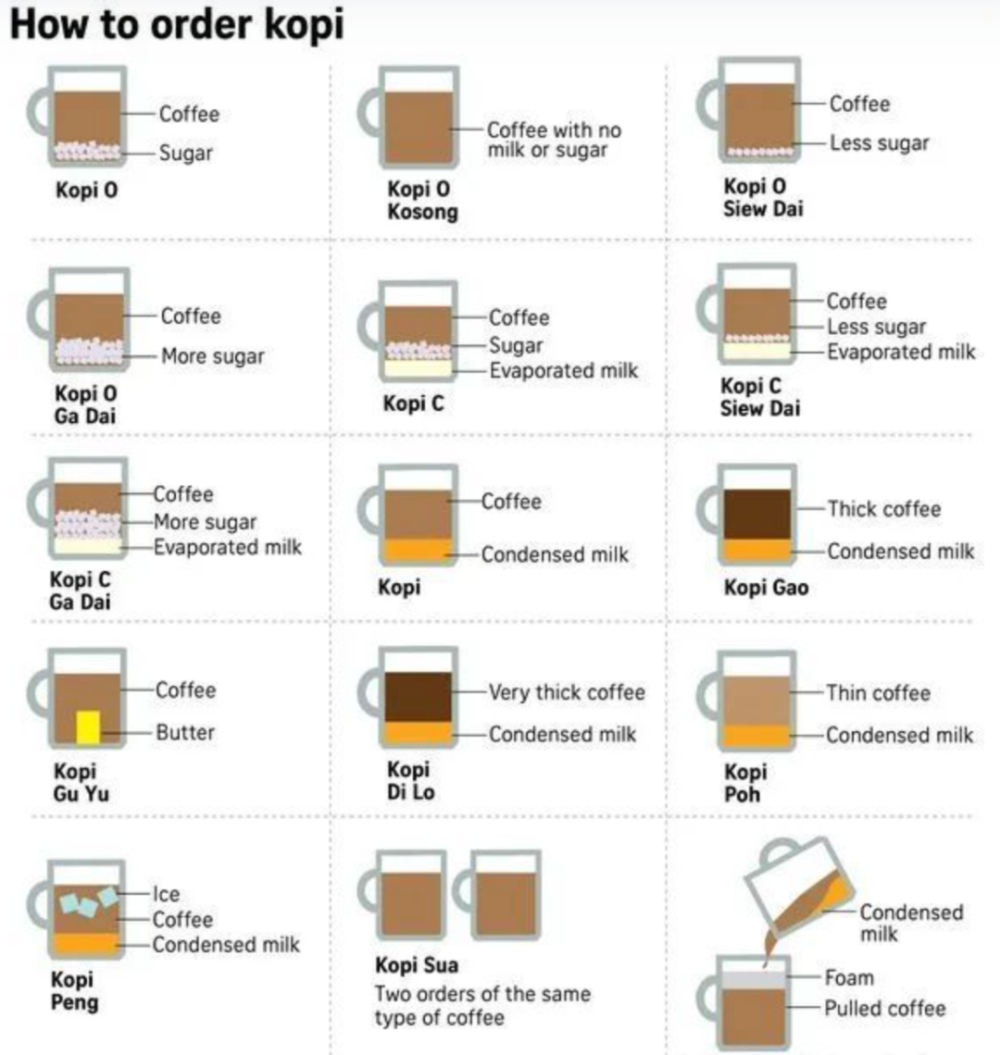
Coffee that bitter can't simply be gulped down. So the local Chinese developed an entire "systematic" vocabulary of ways to drink it. Locals call coffee "kopi" — but kopi is not the same as black coffee; by default it is diluted with water and sweetened with sugar and condensed milk.
And so: Kopi = black coffee + water + sugar + condensed milk | Kopi C = black coffee + water + sugar + evaporated milk | Kopi O = black coffee + water + sugar | Kopi C Kosong = black coffee + water + evaporated milk | Kopi O Kosong = black coffee + water | Kopi Gau = a stronger Kopi | Kopi Poh = a weaker Kopi | Kopi Peng = iced Kopi | Kopi Siew Dai = less sweet Kopi | Kopi Ga Dai = sweeter Kopi... Every one of these terms traces back to Minnan (Hokkien) pronunciations.
Cultural Significance and Legacy
"Food does more than satisfy individual needs and preferences — it also carries meaning, expressing identity and symbolizing relationships of power." On the foundation of a shared coffee culture, Nanyang coffee shops expanded vigorously, and Nanyang coffee, tuned so closely to Chinese tastes, quickly became a cohesive force among Singapore's immigrant communities. Before long, the style spread across other parts of Southeast Asia and was carried back to Hainan and the Hong Kong-Macau region.
Wherever it landed, local Chinese adapted the roasting method and the brewing technique to suit the climate and the palates of the community. As noted above, some Chinese in Malaysia chose not to add sugar at all when roasting.
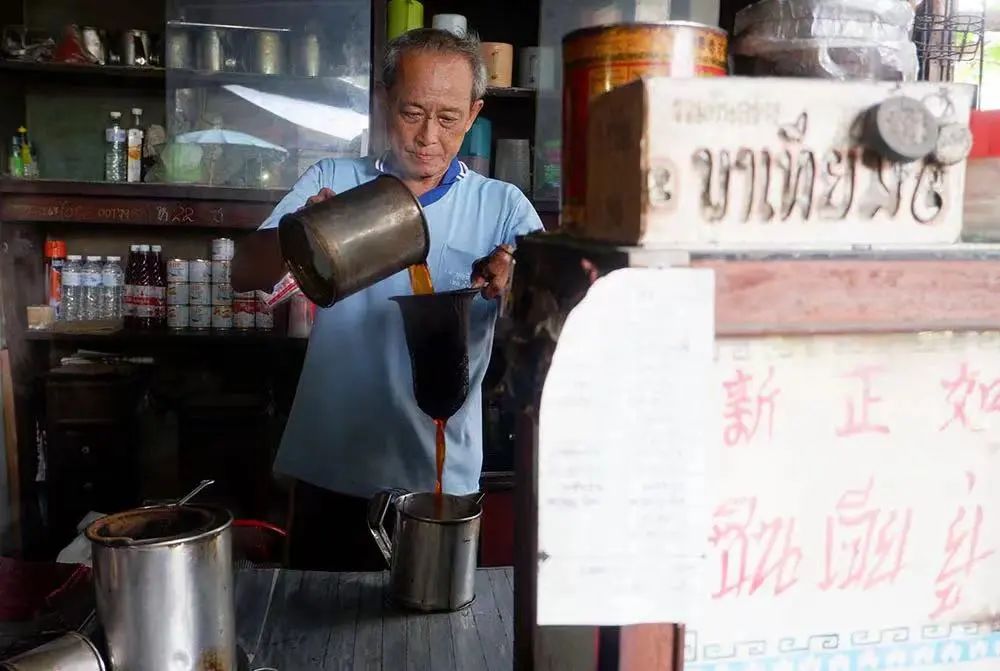
Some Chinese in Thailand went further, adding spices and grains to the roast; this brew is called oliang. According to the grandfather, when the method reached Hong Kong, roasters would splash in white liquor while roasting the beans to strip away astringency and lift the aroma — and where liquor was added, sugar and oil were left out.
However it is prepared, Nanyang coffee embodies generations of inheritance. The anthropologist Kwang-chih Chang once said: "One of the best ways to reach the core of a culture is through the stomach." Or perhaps, we might add, through the memory of taste. Food, across both time and space, constructs the way of life of a place and a city. In the hearts of generations of Chinese who grew up in Southeast Asia, the traditional Kopi Tiam (coffee shop) and a rich, dark Kopi have always held a special place.
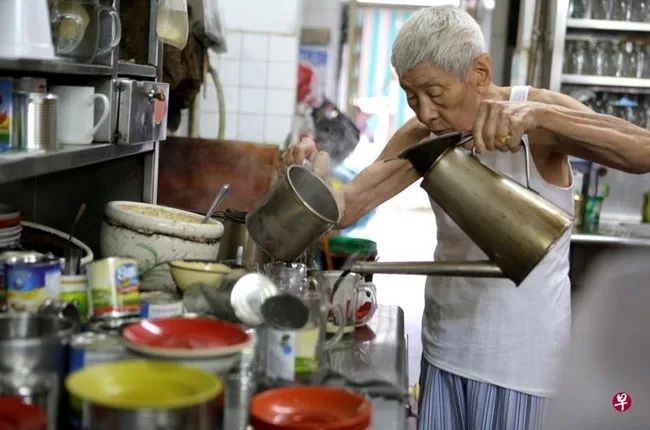
Today, even as specialty coffee culture keeps accelerating its spread, Nanyang coffee remains firmly rooted in popular culture and continues to serve as an emotional bond within Chinese communities. A cup of Kopi can power everyone into a new day — and remind them of the perseverance of generations past.
Once the pandemic subsides, everyone should make the trip to Southeast Asia and experience the charm of Nanyang coffee for themselves!
Additional Resources
Image source: Internet
FrontStreet Coffee Recommendation
Anyone who loves coffee has almost certainly tasted Indonesian coffee. The finest growing regions across the Indonesian archipelago lie on Java, Sumatra, and Sulawesi — three islands that gave rise to three great coffee names. FrontStreet Coffee's Mandheling comes from Sumatra: moderately acidic with an intensely heavy, rich aroma. Java coffee, an Arabica variety, grows on the island of Java, while Sulawesi coffee is full-bodied with plump beans and a lush fragrance — though Robusta makes up 90% of the island's total production.
When it comes to Indonesian coffee, FrontStreet Coffee always points first to Mandheling, and it starts on Sumatra. "Mandheling" refers to Arabica coffee from Sumatra, processed chiefly with the region's characteristic wet-hulled (giling basah) method. Because the parchment is stripped while the beans are still half-dry and half-wet, the green beans are fully exposed to the air during drying, which gives the coffee its typical herbal and spicy notes. FrontStreet Coffee's Mandheling comes from the Lake Toba area of the Lintong region; to bring out the classic Mandheling profile it is roasted medium-dark, yielding a low-acid, full-bodied cup loaded with caramel, dark chocolate, and toasted bread, and a long, sweet finish — perfect for friends who love a bold, heavy coffee.
For the pinnacle of Indonesian coffee, FrontStreet Coffee recommends PWN Golden Mandheling. PWN is a trading company that buys up the finest local lots of Mandheling green beans and produces only specialty-grade Mandheling, with "Golden Mandheling" as its flagship. The product is held to strict defect-screening standards — density, size, shape, and color are all checked, followed by one machine sort and one manual hand-sort — ensuring whole, uniform, generously sized beans and reducing the earthy and grassy notes Mandheling can carry. Legend has it the name comes from the way the beans gleam golden in the sun. Freshly roasted FrontStreet PWN Golden Mandheling offers sandalwood, herb, spice, roasted hazelnut, caramel, and dark chocolate flavors, with a clean profile, a mellow yet intense body, captivating aroma, and rich layers of flavor — a treat for daily drinking and an even better gift for family and friends.
Important Notice :
FrontStreet Coffee is a long-established specialty coffee roaster in Guangzhou China, selling freshly roasted beans from its own farm in Yunnan as well as dozens of carefully selected single-origin beans from around the world for both pour-over and espresso. The products deliver consistently excellent quality and great value, with shipping within 24 hours. Guangzhou's FrontStreet Coffee shop is recommended by many coffee lovers, and the beans are now available online at the Tmall 。
FrontStreet Coffee has moved to a new address:
FrontStreet Coffee Address: 315,Donghua East Road,GuangZhou
Tel:020 38364473
 Scan and follow the En Gafei WeChat official account. Please indicate that the reprint comes from "En Gafei".

