What Exactly is the Job of a Barista?
Then and now, the image of a barista crafting coffee behind the counter with skill and artistry — set against a café's relaxed, comfortable atmosphere — has put "barista" high on many young people's list of dream jobs.
Compared with many technical careers, it looks especially easy, too. As coffee shops multiply, recruitment postings always carry the same bold words: "no experience required," "free training," "great promotion opportunities."
Tempting, right! Plenty of fresh graduates and career-changers have set their sights on the job, imagining the day they'll open their own café. And this isn't just talk.
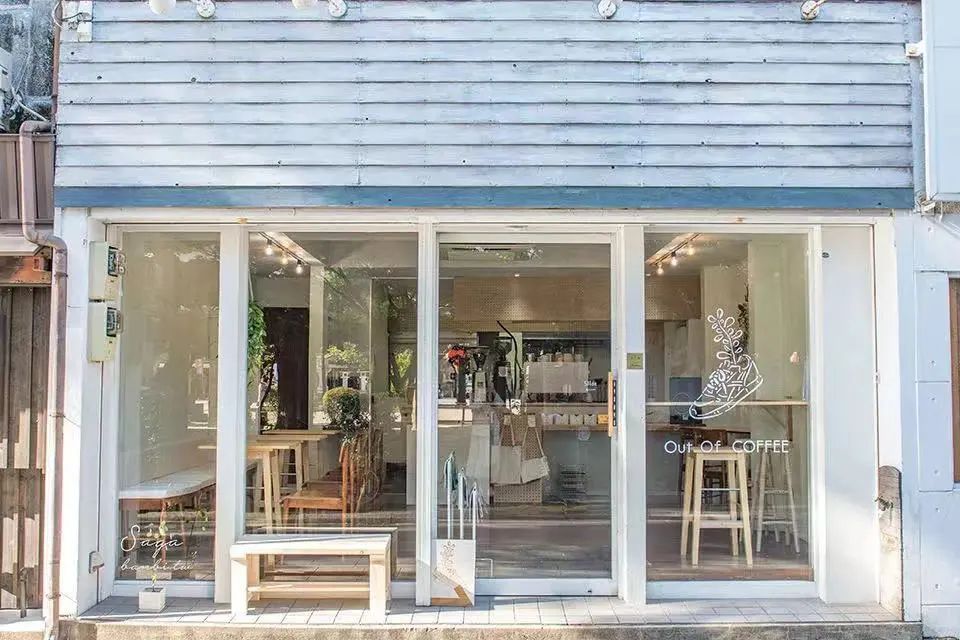
Survey data shows that about 41.5% of people become baristas because they want to open a coffee shop. Many hope to pick up technical skills in someone else's shop first. So whenever they see "no experience required" or "free training," they jump in enthusiastically.
In reality, many new baristas start feeling lost and prepare to quit almost immediately. "Isn't a barista's job making coffee?! Why am I washing dishes and cleaning all day? I've barely touched the espresso machine, the pay is low, and I have to put up with being treated badly!"
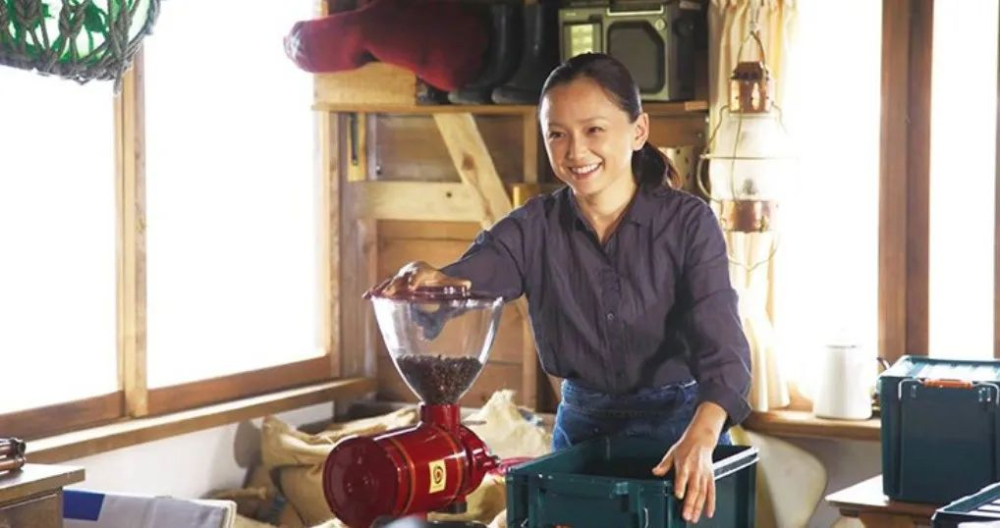
Here's the truth: a barista's job is more than making coffee. The essence of the role is service provider — that doesn't change just because coffee is involved. Whatever your skill level, serving customers is the foundation. Even if your dream is your own café, service comes first. Without service, there's no future.
Cleaning is the same story — an essential part of café work that everyone does, not something aimed only at newcomers. But newcomers do spend most of their time on it, because their coffee skills aren't yet up to production standard, while cleaning is something they can complete independently during working hours. Employment means working, not being paid to learn — and even training isn't available around the clock.
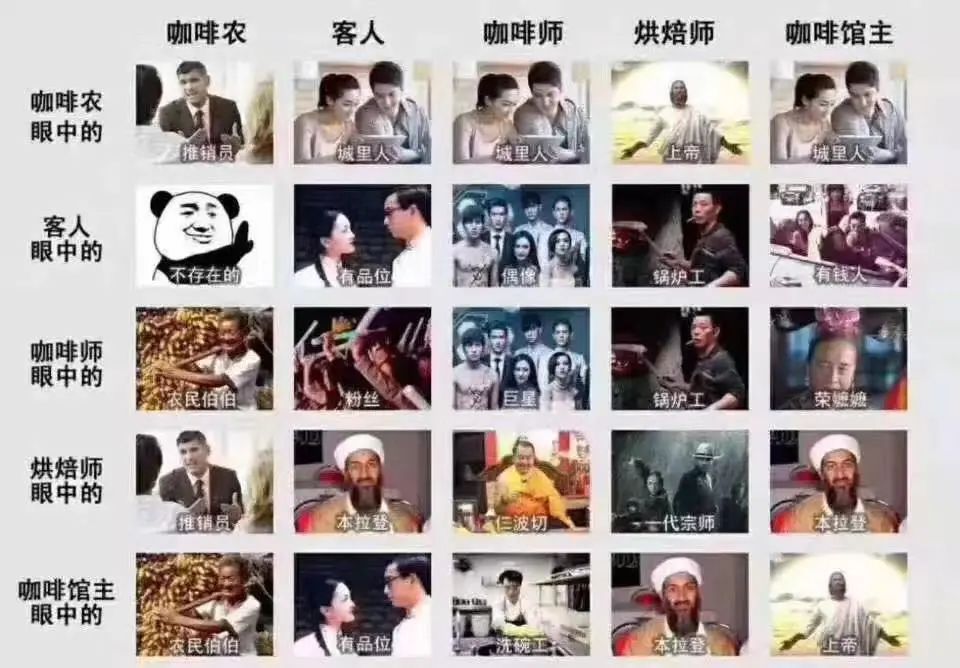
Cleaning is repetitive and tedious, but it's a great test of patience and work attitude. Making coffee is a lot like cleaning: it looks simple, but doing the same thing over and over for months wears down anyone's patience.
The Path to Professional Excellence
A quality cup of coffee isn't mastered overnight. Without patience, you can break at any moment. Properly frothing milk or holding a steady circular pour is already a wall for many beginners. To really learn, you need to understand basic bean information, grasp extraction theory, and study milk-frothing technique — not just imitate what you see. Fundamentals matter enormously.
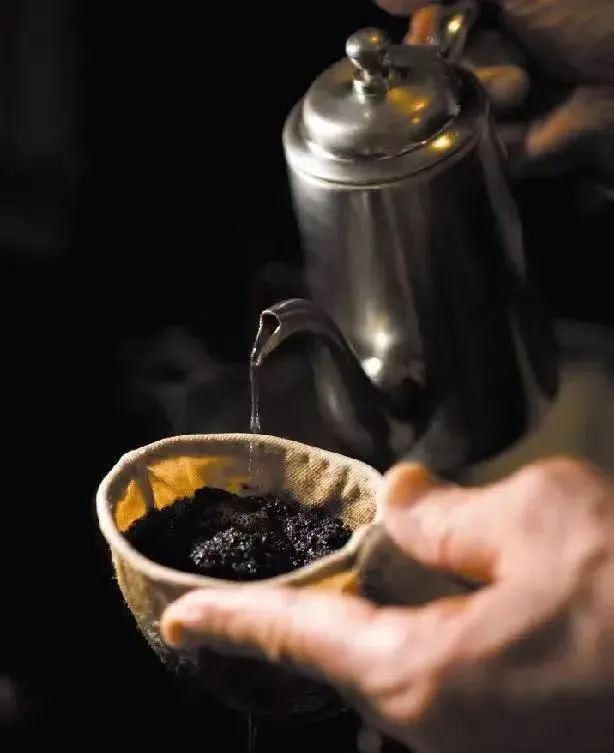
To work independently behind the counter, you must understand the products themselves — not just how to make them but how to recommend them. That demands service skills, product quality, and enough coffee knowledge to match the right drink to each customer.
Beyond Passion: The Reality of Growth
Becoming a qualified barista takes more than enthusiasm — it takes the patience to learn about coffee far beyond brewing technique. The job requires both heart and mind: thinking not only about how to make a delicious cup, but about how to help more people understand and appreciate coffee, and about your own career development.
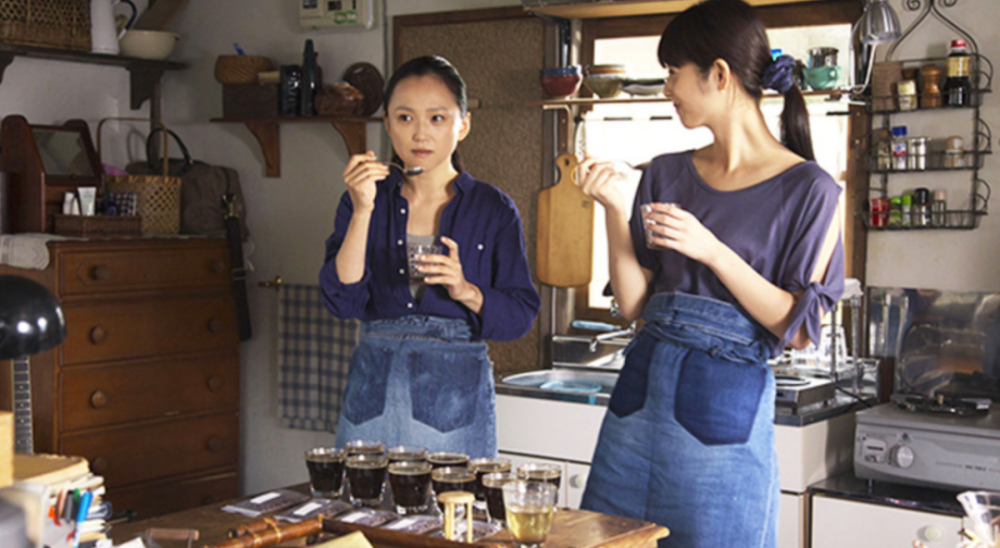
Many baristas feel lost and anxious after years on the job because they never planned a future before entering it. Most join on temporary passion, a desire for a "relaxed" job, or as a stopgap. In fact, there are many paths — "barista" is just an umbrella term for coffee professionals.
Baristas can become roasters, trainers, competition judges, growers, green coffee buyers, and more. Do these sound distant? They're only distant when the passion — and the right kind of effort — isn't there.
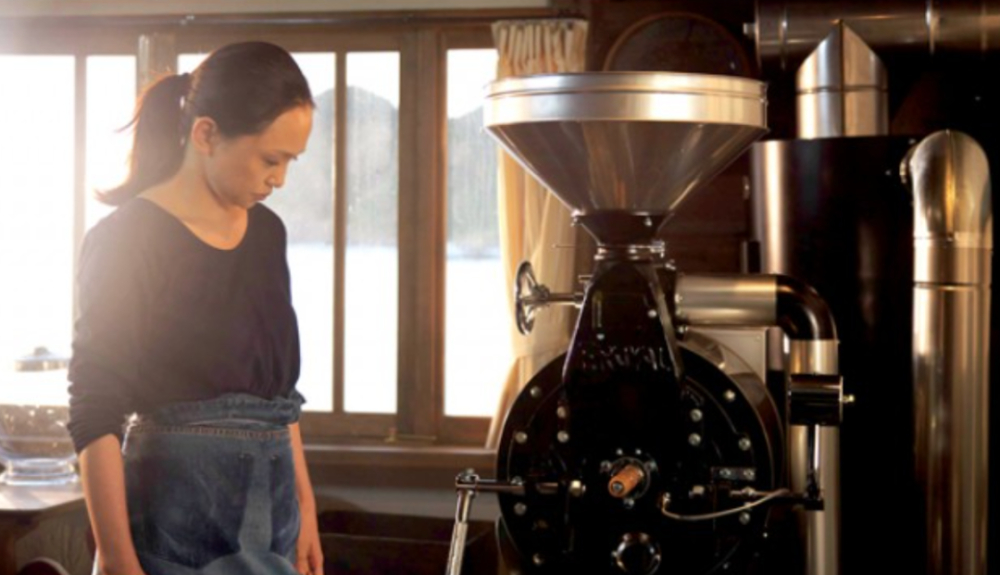
Every successful person started as a beginner, and their success came from passion, dedication, and hard work. Passion isn't just something to talk about — real passion involves investment and pursuit. So before deciding to become a barista, think carefully about your future: not just about opening a café, but about what you'd do if you didn't.
Compensation and Expectations
On salary — using first-tier cities as an example — beginner baristas typically earn around 3,000-5,500 yuan, depending on the shop's scale, the complexity of the work, and the applicant's experience. The upper range requires basic coffee knowledge and the ability to produce relatively high-quality coffee; with no experience at all, expect to start in the 3,000-4,000 range.
How do high-earning baristas get there? Behind those figures lies enormous effort, financial investment, and years of accumulated experience — nothing like the effortless surface impression. When we see successful people, we should study their effort rather than make superficial comparisons. No job is as easy as we imagine; if a job truly is easy, the rewards match the effort. Choose a low-effort path, and the rewards won't be what you wish.
Final Reflections: Is It Worth It?
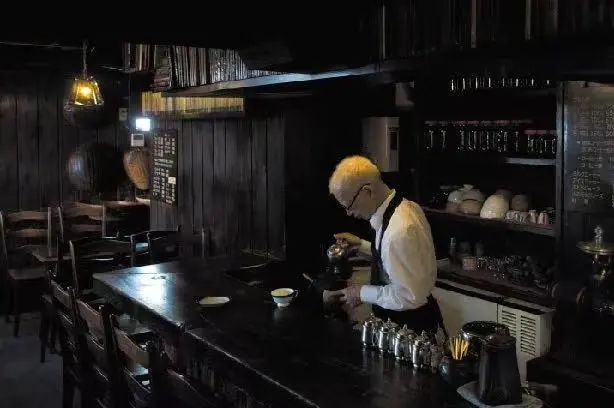
Is being a barista worth it? The real question isn't "worth it or not" — it's "suitable or not." Who knows, this might become a lifelong pursuit. Passion can lead you into coffee; persistence and effort will carry your development long-term. Even if you later find it's not for you, there's no need for regret — it's an experience worth having, and it will bring value to whatever career comes next.
Image source: Internet
FrontStreet Coffee Recommendation
Aspiring baristas, take note: practicing on forgiving beans shortens the learning curve. The FrontStreet Classic Blend — designed for espresso machines and moka pots — produces dense, silky crema even on entry-level home equipment, giving you a stable canvas for latte art practice.
For learning pour-over, the FrontStreet Ethiopia Guodingding (washed Yirgacheffe) is a classic first step: jasmine, citrus, and berry notes with a gentle, forgiving acidity that makes even imperfect brews taste good.
Important Notice :
FrontStreet Coffee is a long-established specialty coffee roaster in Guangzhou China, selling freshly roasted beans from its own farm in Yunnan as well as dozens of carefully selected single-origin beans from around the world for both pour-over and espresso. The products deliver consistently excellent quality and great value, with shipping within 24 hours. Guangzhou's FrontStreet Coffee shop is recommended by many coffee lovers, and the beans are now available online at the Tmall 。
FrontStreet Coffee has moved to a new address:
FrontStreet Coffee Address: 315,Donghua East Road,GuangZhou
Tel:020 38364473
 Scan and follow the En Gafei WeChat official account. Please indicate that the reprint comes from "En Gafei".