
Siphon Coffee Brewing: A Complete Guide to This Timeless Brewing Method
Opening a Coffee Shop: Essential Questions and Practical Advice
It's well known that I once advised people against opening coffee shops, but seeing everyone still full of passion... So! I've decided! If you can't talk them out of it, join them.
Following the earlier article "What Do You Need to Prepare to Open a Coffee Shop?", this one gathers several questions most people weigh when opening a shop and offers some brief suggestions. They may not all be useful, but at least they can help you avoid a few pitfalls.
Q1: Do you have to take coffee training courses before opening a coffee shop?
If you're already an experienced barista with deep coffee knowledge and can translate your experience and understanding into language even beginners grasp, you may not need courses. But if you're an ordinary barista or enthusiast who doesn't yet have a systematic understanding of coffee and doesn't know where to start, relevant training courses can help. They act as a stepping stone or an awakening, pointing your learning in the right direction.

But! Finishing a course doesn't mean you truly understand coffee, because what a teacher covers is never all there is to know. After the course, you still need to keep improving your expertise, learning more, and mastering more skills.
Q2: Do you need to get certified before opening a coffee shop?
Not necessarily — this depends on your personal situation. Not all coffee shops require baristas or owners to hold a barista certificate, especially since the fees aren't low. Certificates aren't what matters; what matters is whether you can demonstrate your professionalism to customers and make them feel their purchase was worthwhile.

My personal view: whatever level of certificate you pursue, if you won't keep improving after certification, won't study more coffee knowledge or technique, or can't apply what you learned, then you could save that money as operating capital for your shop.
Q3: How can you ensure your coffee shop doesn't lose money?
Isn't this a very simple question? If you don't open one, you won't lose money!
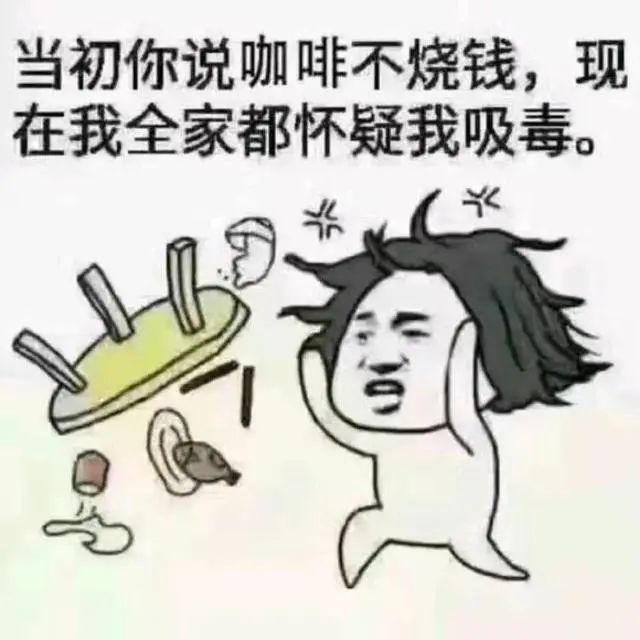
But since you've decided to open a shop, on product, design, and promotion, you must be good at at least one of the three. You can't rush into opening without understanding anything; at the very least you should have deep knowledge of one area. If you're good at coffee, desserts, or baking, you can attract customers through skill, quality, and reputation; if you're good at design, through your shop's decoration and layout; if you're good at promotion, through your resources and knowing how to drive traffic on the internet and social platforms.
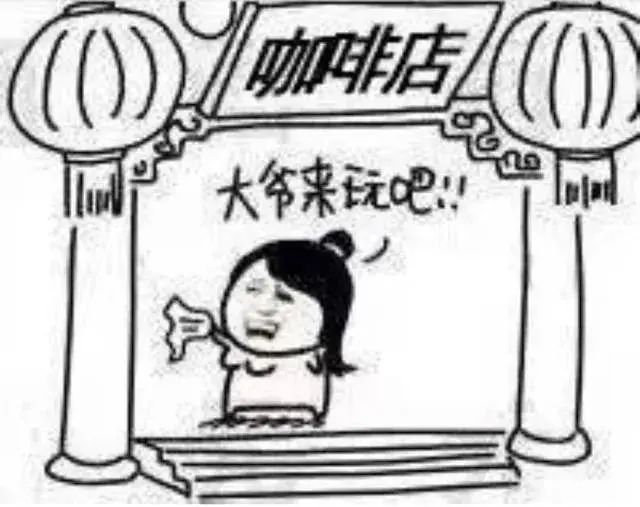
If you know nothing about anything and hand everything to third parties from the start, the cost of opening will be too high. And when you don't understand shop operations, you can't control the costs of opening and running it well.
Q4: What do coffee shops rely on to make money?
Shops under 50 square meters rely on product output and turnover rate; shops over 50 square meters rely on environment and atmosphere; big cities rely on foot traffic and check-ins; small cities rely on regular customers and repeat purchases. That's all — and these few sentences deserve contemplation. The fewer the words, the more important.
Q5: Where should a coffee shop be located?
Where to open first depends on what type of coffee shop you want. Do you want one that attracts people for check-ins, one where customers can better enjoy a cup of coffee, one focused on takeout, or one with its own roasting?
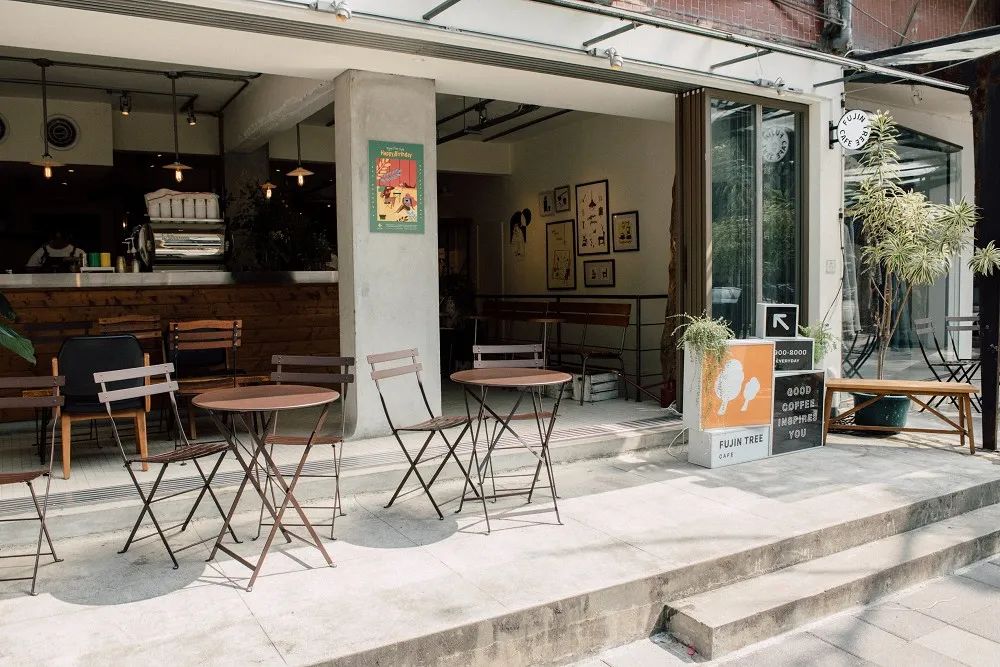
If it's a check-in shop, the environment around the shop and surrounding facilities matter greatly. Whether it's near a subway station or commercial district determines foot traffic. If it's an enjoyment-type shop, you can choose a community with a clean, tidy, relatively quiet environment, though foot traffic will naturally be lower. If it's a takeout-focused shop, you can choose small streets and alleys, provided it isn't too remote from office buildings and residential areas. If it's a shop with its own roasting, you need to consider the smoke-exhaust issue, so a residential area isn't recommended and the exhaust system must be properly installed.
Q6: Do you have to choose expensive coffee machines?
Whether it's a coffee machine or a grinder, expensive doesn't necessarily mean good. Choosing cost-effective options is what matters most. Unless your shop places great emphasis on overall design and display and needs good-looking machines from the start to match it. Good-looking machines generally aren't cheap, so when buying, you must find reliable merchants or formal e-commerce brands. When a machine's price deviates widely from common or market prices, there's usually something fishy — handle such transactions with caution.
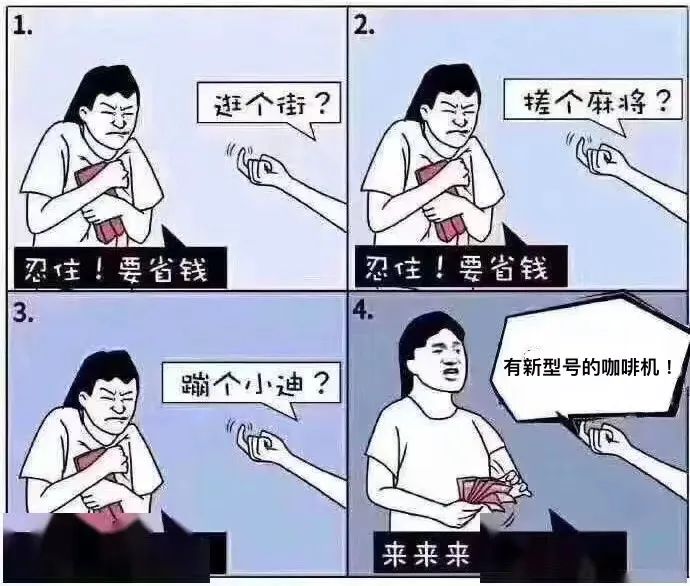
When first opening, it's not advisable to start with very expensive machines. Begin with machines that may look average but perform well against some well-known brands while being cost-effective. Consider upgrading when the shop can operate stably and make money. Although good coffee output needs good machines, the prerequisite is that the barista has a certain level of professionalism and the beans are of good, stable quality.
Q7: Do you need to hire employees?
It's best to decide based on shop size and menu composition. Before hiring, estimate the shop's revenue after opening and make a comprehensive judgment. Except for shops that have done sufficient pre-opening promotion or include light meals, one person is generally enough in the early days. To ensure initial profitability, the owner can first operate alone, then add staff as customer traffic grows.
Actually, opening a coffee shop doesn't guarantee a loss, but the premise is that a coffee shop is a business, so you need to rationally consider every step and clarify your goals.
Finally, the same saying: opening a shop is easy, running it is difficult. Since you've decided to open one, let's work hard! After all, it's your own dream, and only by doing it will you have no regrets.
Image source: Internet
FrontStreet Coffee Recommendation
If you're building a menu, picking beans that cover both the fruity and the mellow ends of the spectrum keeps you flexible. FrontStreet Coffee's Ethiopia Huakui handles the fruit side: a light-roasted natural from Sidamo, its tropical-fruit aromatics — strawberry, passion fruit, jackfruit — arrive with clear sweetness and almost no bitterness, and its smooth, juice-like body makes it an easy crowd-pleaser for pour-over.
For the rich, low-acid half of the menu, FrontStreet Coffee's Brazil Queen Estate is a reliable everyday staple. A rare yellow bourbon grown in Mogiana, it drinks full and balanced with nutty, cocoa, and caramel sweetness and almost no sharp acidity, working equally well as pour-over, espresso, or moka pot — which is exactly the kind of versatile bean a new shop wants in bulk.
Important Notice :
FrontStreet Coffee is a long-established specialty coffee roaster in Guangzhou China, selling freshly roasted beans from its own farm in Yunnan as well as dozens of carefully selected single-origin beans from around the world for both pour-over and espresso. The products deliver consistently excellent quality and great value, with shipping within 24 hours. Guangzhou's FrontStreet Coffee shop is recommended by many coffee lovers, and the beans are now available online at the Tmall 。
FrontStreet Coffee has moved to a new address:
FrontStreet Coffee Address: 315,Donghua East Road,GuangZhou
Tel:020 38364473
 Scan and follow the En Gafei WeChat official account. Please indicate that the reprint comes from "En Gafei".

