
How Long Should Freshly Roasted Coffee Beans Rest? How to Properly Rest Coffee Beans? How Many Days for Light Roasts?

Back around 2008, coffee shops were nowhere near as common as they are today, and domestic coffee roasters were rare. Yet the international shelves of big supermarkets already stocked beans from famous Italian brands like illy and Lavazza. I still remember checking the production dates — most were already more than 2 months old, and many were 6 months or older (they carried a 365-day shelf life, protected by nitrogen flushing or vacuum packaging).
With China's economic boom, the coffee industry took off. Community specialty coffee shops and small roasters began changing how people drank coffee. Previously, because beans had to be roasted abroad and then shipped, freshly roasted beans could never reach consumer shelves — no matter how much manufacturers improved preservation technology. The rise of small local roasting shops gradually shifted the focus toward freshness.

The Freshness Dilemma
And it's true: compared with beans stored for 2 months or more, freshly roasted coffee delivers far richer flavors. Flavor chasers accordingly developed a fresh-is-best doctrine — the fresher, the better...
But a new problem emerged. Poor flavor used to mean insufficient freshness; now it could mean excessive freshness.
Here's why: after roasting, coffee beans hold roughly 2% of their weight in carbon dioxide, and that CO2 keeps escaping. When the gas release is still vigorous — meaning the beans are extremely fresh — it suppresses the coffee's flavors and easily results in a poor-tasting cup. Coffee brewed from too-fresh beans also often carries a "dry sensation" — smoky, harsh — that makes for an uncomfortable drink.
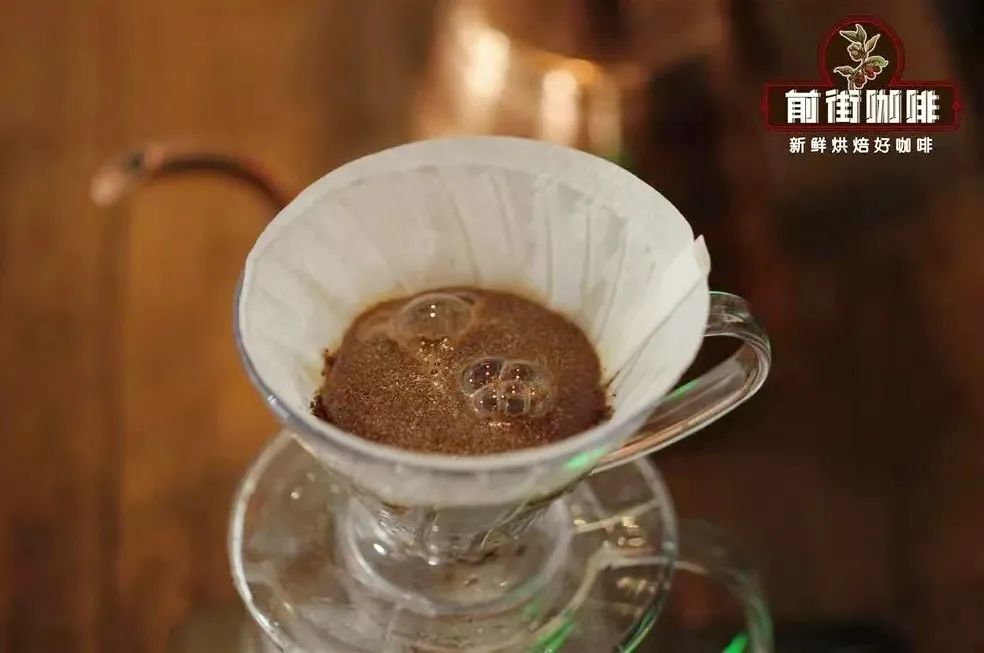
(Large bubbles formed by gas bursting out)
The Fix: Bean Resting
So what to do with beans that are too fresh? The simplest answer is resting — leave the package sealed and let it sit for a few days while the beans gradually degas. Typically, resting for about 5-7 days from the roast date eliminates the dry sensation, and as the gas dissipates, the coffee's aroma grows richer.
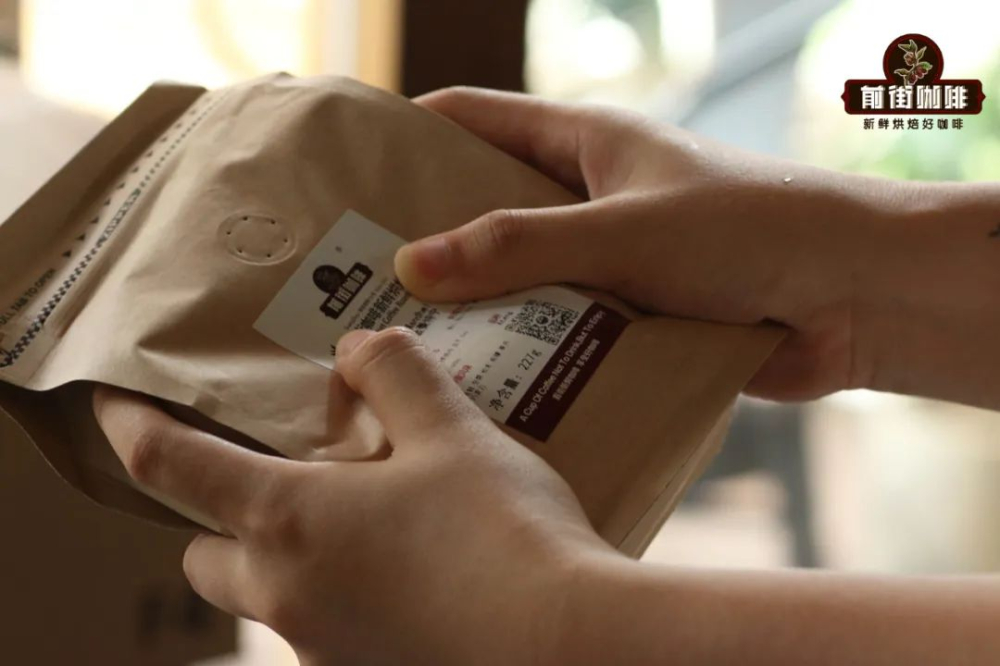
FrontStreet Coffee factors resting into its roasting and shipping too, because some customers want to brew their beans the moment they arrive. So FrontStreet Coffee ships beans roasted within the past 5 days. Add 1-2 days of logistics, and the beans land on the customer's doorstep just as the resting window closes — ready to brew immediately.
How to Rest Beans Properly
If the beans you receive are roasted too recently, how should you rest them? Many people instinctively tear open the bag and pour the beans into a carefully chosen airtight container. FrontStreet Coffee advises against it: fresh beans release a lot of gas, and in a fully sealed container that pressure builds up fast, making the container risky to open. High internal pressure also suppresses the beans' own degassing.
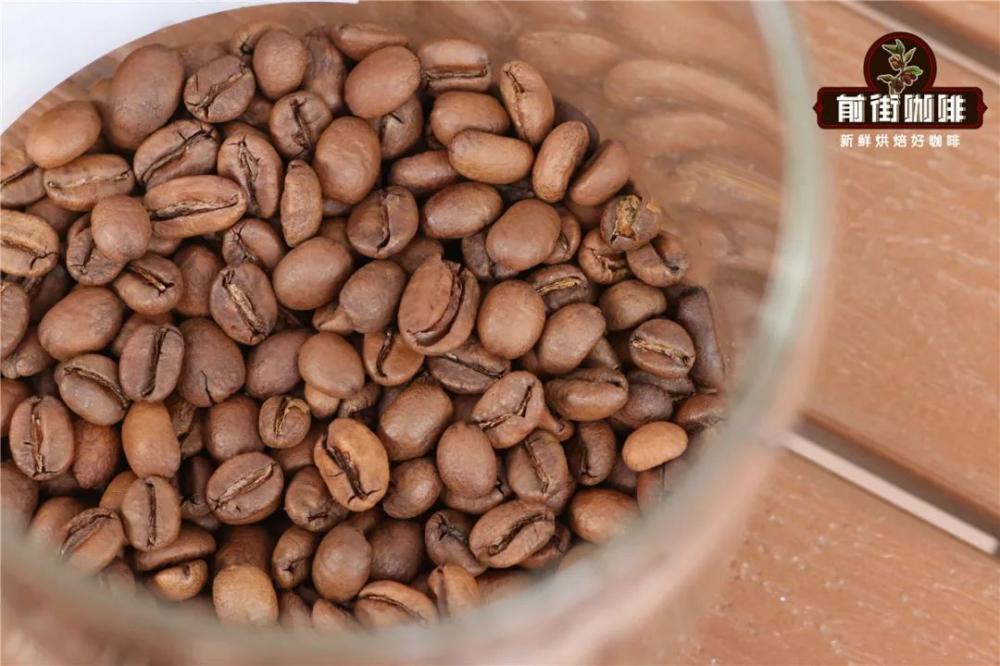
FrontStreet Coffee's advice: just leave the unopened bag in a cool, dry place. Coffee bags have one-way degassing valves that vent internal pressure while keeping outside air from getting in.
FrontStreet Coffee Recommendation
Once your beans have properly rested, medium roasts are the sweet spot for balance — deep enough for sweetness and body, light enough to keep pleasant acidity. FrontStreet's Brazil Fazenda Rainha (Queen Estate) is the classic pick: a rare Yellow Bourbon from the world's largest coffee producer, medium-roasted into cream peanut, chocolate, toast, and sugarcane sweetness — great for pour-over, moka pot, or espresso.
If you'd rather go sweeter, the Strawberry Candy Geisha Blend combines honey-processed Costa Rica with washed Panama Geisha, offering orange-blossom honey aroma and a rounded sweetness across cold brew, pour-over, or espresso. And for a proud taste of Chinese specialty coffee, the 2013 natural Yunnan Typica carries nuts, red sugar, black tea, and dried apricot — balanced, gentle, and remarkably good value.
Important Notice :
FrontStreet Coffee is a long-established specialty coffee roaster in Guangzhou China, selling freshly roasted beans from its own farm in Yunnan as well as dozens of carefully selected single-origin beans from around the world for both pour-over and espresso. The products deliver consistently excellent quality and great value, with shipping within 24 hours. Guangzhou's FrontStreet Coffee shop is recommended by many coffee lovers, and the beans are now available online at the Tmall 。
FrontStreet Coffee has moved to a new address:
FrontStreet Coffee Address: 315,Donghua East Road,GuangZhou
Tel:020 38364473
 Scan and follow the En Gafei WeChat official account. Please indicate that the reprint comes from "En Gafei".

